
add up to
US /æd ʌp tu/
UK /æd ʌp tu:/
- Phrasal Verb
- To amount to a particular sum or total.
- To have a particular result or effect; to be equal to.
A2Morearbitrage
US /ˈɑ:rbətrɑ:ʒ/
UK /ˈɑ:bɪtrɑ:ʒ/
- Uncountable Noun
- Buying a commodity, gold etc. to sell it quickly
B2Moreargument
US /ˈɑrɡjəmənt/
UK /ˈɑ:gjumənt/
- Noun (Countable/Uncountable)
- Discussion in which you disagree with someone
- A presentation of reasons for or against an idea
A2TOEICMoreartificially
US /ˌɑrtəˈfɪʃəlɪ/
UK /ˌɑ:tɪ'fɪʃəlɪ/
- Adverb
- Not naturally; made by people
B1Moreassume
US /əˈsum/
UK /ə'sju:m/
- Transitive Verb
- To act in a false manner to mislead others
- To believe, based on the evidence; suppose
A2TOEICMoreat a time
US /æt e taɪm/
UK /æt ə taim/
- Phrase
- Separately; one by one
- Simultaneously; together
A1Moreat first glance
US /æt fɚst ɡlæns/
UK /æt fə:st ɡlɑ:ns/
- Phrase
- Upon initial observation or assessment.
A1Moreback down
US /bæk daʊn/
UK /bæk daun/
- Phrasal Verb
- To admit you were wrong; stop claiming
A1Morebaptism
US /ˈbæpˌtɪzəm/
UK /ˈbæptɪzəm/
- Noun
- Bathing someone in water to make them a Christian
C1Morebenefit
US /ˈbɛnəfɪt/
UK /'benɪfɪt/
- Noun (Countable/Uncountable)
- Good result or effect, something advantageous
- A payment made by the state or an insurance policy to someone
- Verb (Transitive/Intransitive)
- To have a good effect or be helpful
- To receive an advantage; to be helped
A2TOEICMorebond
US /bɑnd/
UK /bɒnd/
- Noun (Countable/Uncountable)
- Rope, chain or other thing used to tie someone up
- Closeness that is shared between people or groups
- Verb (Transitive/Intransitive)
- To develop a close relationship with
- To become joined or connected, e.g. using glue
A2TOEICMorebounce in
US /baʊns ɪn/
UK /baʊns ɪn/
- other
- To enter a place quickly and energetically.
C1Morebreaks down
US
UK
- Phrasal Verb
- To forcibly break, destroy or make collapse
- (Machine) to stop working or become weaker
A1Morecapital
US /ˈkæpɪtl/
UK /'kæpɪtl/
- Noun
- Writing the first letter of a word in big letters
- Official main city of a country, province or state
- Adjective
- Main, or major
- (Of an offense) liable to the death penalty.
A2Morecollapse
US /kəˈlæps/
UK /kə'læps/
- Verb (Transitive/Intransitive)
- To fold (e.g. a stroller) down to make it smaller
- To suddenly fall down or break apart into pieces
- Noun
- The sudden failure of a structure or system.
- The sudden failure of a bodily organ or function.
B1Morecurrency
US /ˈkɚrənsi, ˈkʌr-/
UK /'kʌrənsɪ/
- Uncountable Noun
- Widespread acceptance
- Money system that a country uses
B1Morecurrent
US /ˈkɚrənt, ˈkʌr-/
UK /'kʌrənt/
- Uncountable Noun
- Electricity flowing through wires
- Movement of water in a river, or air in the sky
- Adjective
- Happening or being in the present time
- In general use or accepted by most people.
A2Moredebt
US /dɛt/
UK /det/
- Noun (Countable/Uncountable)
- Sum of money owed to someone that is not yet paid
- A moral or social obligation.
A2TOEICMoredeficit
US /ˈdɛfɪsɪt/
UK /ˈdefɪsɪt/
- Noun (Countable/Uncountable)
- Amount less than what is needed or required
- The amount by which expenditure or liabilities exceed income or assets.
B1Moredemand
US /dɪˈmænd/
UK /dɪ'mɑ:nd/
- Noun (Countable/Uncountable)
- Desire customers have to buy product, service
- A strong request for someone to do something
- Transitive Verb
- To strongly request someone to do something
- To need something.
A2TOEICMorediversify
US /daɪˈvɜ:rsɪfaɪ/
UK /daɪˈvɜ:sɪfaɪ/
- Transitive Verb
- To make or become more varied
- To change something and make it more varied
B2TOEICMoredomestically
US /də'mestɪklɪ/
UK /də'mestɪklɪ/
- Adverb
- With respect to your own country
- In a way that relates to the home, household, or family affairs
B1Moreexternal
US /ɪkˈstɚnəl/
UK /eksˈtə:nl/
- Adjective
- Concerning foreign countries
- Concerning the outside of something; outer
A2Moreflood
US /flʌd/
UK /flʌd/
- Verb (Transitive/Intransitive)
- To quickly appear unexpectedly and in volume
- (Of liquid) to fill or cover something completely
- Noun (Countable/Uncountable)
- A quick unexpectedly volume of something
- Large number of people or things arriving at once
B1Moreglance
US /glæns/
UK /glɑ:ns/
- Noun
- Quick or temporary look at
- Intransitive Verb
- To look somewhere quickly and then look away
A2Moregross
US /ɡros/
UK /ɡrəʊs/
- Noun (Countable/Uncountable)
- 144 of something; twelve dozen of something
- Total sum of money earned before costs and taxes
- Transitive Verb
- To earn an amount of money before costs and taxes
B1TOEICMorehave it both ways
US /hæv ɪt boʊθ weɪz/
UK /hæv ɪt bəʊθ weɪz/
- other
- To try to enjoy two opposing things at the same time.
B2Morehave to
US /hæv tu/
UK /ˈhæv tə/
- Auxiliary Verb
- Must do
A1Morein fact
US /ɪn fækt/
UK /in fækt/
- Adverb
- Used to emphasize the truth of a statement, especially one that contrasts with or contradicts something else.
- Used to introduce a more detailed or surprising piece of information.
- Phrase
- Used to emphasize the truth of a statement, especially one that is surprising or contrary to what might be expected.
C1Morein future
US /ɪn ˈfjutʃɚ/
UK /ɪn ˈfju:tʃə/
- Preposition
- At a time yet to come; from now onwards.
A2Morein the world
US /ɪn ði wɜrld/
UK /in ðə wɜː(r)ld/
- Phrase
- Used to emphasize a question expressing surprise, confusion, disbelief
- Used to indicate the extent or degree of something, often in a superlative sense
A1Moreincentive
US /ɪnˈsɛntɪv/
UK /ɪnˈsentɪv/
- Noun (Countable/Uncountable)
- Something that encourages you to do something
- Adjective
- Serving to encourage or motivate.
B1TOEICMoreinflation
US /ɪnˈfleʃən/
UK /ɪn'fleɪʃn/
- Noun (Countable/Uncountable)
- Act of filling something with air or gas
- Continual rise in the prices of products
B1TOEICMoreintervene
US /ˌɪntərˈvi:n/
UK /ˌɪntəˈvi:n/
- Intransitive Verb
- To get involved to try to prevent trouble
- To interrupt a situation, argument, etc.
B1Moreinvest
US /ɪnˈvɛst/
UK /ɪn'vest/
- Transitive Verb
- To use resources to build for the future
A2TOEICMorelook at
US /lʊk æt/
UK /luk æt/
- Phrasal Verb
- To use your eyes to focus on something
- To focus your eyes on something carefully
A1Moreno matter
US
UK
- Conjunction
- Regardless of; it does not matter.
- Adverb
- Regardless of; it is not important
A1Moreof course
US /ʌv kɔː(r)s/
UK /ɔv kɔː(r)s/
- Adverb
- Sure ; Certainly
- Phrase
- For sure; certainly
A2Moreoutbreak
US /ˈaʊtˌbrek/
UK /ˈaʊtbreɪk/
- Noun (Countable/Uncountable)
- Sudden occurrence of illness, discontent etc.
- A sudden occurrence of something unwelcome, such as war or disease.
B2Morepanic
US /ˈpænɪk/
UK /'pænɪk/
- Uncountable Noun
- Overwhelming feeling of fear and anxiety
- Intransitive Verb
- To feel sudden anxiety and fear and cannot think
B1Morepay back
US /pe bæk/
UK /pei bæk/
- Phrasal Verb
- To return money or a favor
- To take revenge on someone for doing something bad
A1Morepoint out
US /pɔɪnt aʊt/
UK /pɔint aut/
- Phrasal Verb
- To make others aware of an idea
- To draw attention to something or someone
A1Morepremium
US /ˈprimiəm/
UK /ˈpri:miəm/
- Adjective
- Having a higher than normal quality
- Relating to or denoting a higher quality or more expensive product.
- Noun
- Money paid as a fee for insurance
- An additional sum of money paid above the usual price.
B1TOEICMorepressure
US /ˈprɛʃɚ/
UK /'preʃə(r)/
- Noun (Countable/Uncountable)
- Anxiety caused by difficult problems
- Force, weight when pressing against a thing
- Transitive Verb
- To apply force to something
- To persuade or force someone to do something
A2TOEICMorerather than
US
UK
- Adverb
- More exactly; more correctly
- Preferably; instead
- Preposition
- Instead of
A1Morerelieve
US /rɪˈliv/
UK /rɪ'li:v/
- Transitive Verb
- To make less boring by making some change
- To replace workers with others
B1Morereluctant
US /rɪˈlʌktənt/
UK /rɪˈlʌktənt/
- Adjective
- Experiencing or expressing unwillingness to do
- Showing doubt or unwillingness.
B1Moreset to
US /sɛt tu/
UK /set tu:/
- Phrasal Verb
- To energetically begin to do, e.g. making a fire
A1Moreshore up
US /ʃɔr ʌp/
UK /ʃɔ: ʌp/
- Phrasal Verb
- To support to stop it bursting/being ruined
B1Moresolidarity
US /ˌsɑ:lɪˈdærəti/
UK /ˌsɒlɪˈdærəti/
- Uncountable Noun
- Feeling of unity between people sharing ideas etc.
B2Moresteadily
US /ˈstɛdəlɪ/
UK /'stedɪlɪ/
- Adverb
- At a steady rate or pace; reliably; constantly
B2Moresustain
US /səˈsten/
UK /sə'steɪn/
- Transitive Verb
- To lengthen or continue to do something
- To support or maintain someone or something
B2TOEICMorethink about
US /θɪŋk əˈbaʊt/
UK /θiŋk əˈbaut/
- Phrasal Verb
- To consider something carefully.
- To remember or call to mind.
A1Moreto let
US /tu lɛt/
UK /tu let/
- Preposition
- Indicates that a property is available for rent.
A2Moretrade
US /treid/
UK /treɪd/
- Noun (Countable/Uncountable)
- A specific industry, e.g. shoe making
- Action of buying and selling things in business
- Transitive Verb
- To buy, sell and exchange goods in business
- To give something in return for something else
A2TOEICMoretrap
US /træp/
UK /træp/
- Countable Noun
- Device used for catching animals
- Vehicle pulled by a single horse
- Transitive Verb
- To use a device to catch animals or people
- To hold, e.g. a nerve, so that it cannot move
A2Moreyen
US /jɛn/
UK /jen/
- Noun (Countable/Uncountable)
- Currency used in Japan
B1Moreyield
US /jild/
UK /ji:ld/
- Verb (Transitive/Intransitive)
- To bend or break because of a strong force
- To give way to someone or something else
- Noun (Countable/Uncountable)
- Amount of crops grown
- Amount of profit you make
A2TOEICMore
Vocabulary
- look at: To use your eyes to focus on something
- pay back: To return money or a favor
- in the world: Used to emphasize a question expressing surprise, confusion, disbelief
- shore up: To support to stop it bursting/being ruined
- at a time: Separately; one by one
- think about: To consider something carefully.
- add up to: To amount to a particular sum or total.
- set to: To energetically begin to do, e.g. making a fire
- rather than: More exactly; more correctly
- of course: Sure ; Certainly
- bounce in: To enter a place quickly and energetically.
- no matter: Regardless of; it does not matter.
- breaks down: To forcibly break, destroy or make collapse
- have to: Must do
- have it both ways: To try to enjoy two opposing things at the same time.
- point out: To make others aware of an idea
- back down: To admit you were wrong; stop claiming
- at first glance: Upon initial observation or assessment.
- to let: Indicates that a property is available for rent.
- in fact: Used to emphasize the truth of a statement, especially one that contrasts with or contradicts something else.
- in future: At a time yet to come; from now onwards.
- assume: To act in a false manner to mislead others
- gross: 144 of something; twelve dozen of something
- panic: Overwhelming feeling of fear and anxiety
- matter: To be of great importance; to count
- term: Conditions applying to an agreement, contract
- demand: Desire customers have to buy product, service
- current: Electricity flowing through wires
- pressure: Anxiety caused by difficult problems
- incentive: Something that encourages you to do something
- increase: To make or become larger in size or amount
- reluctant: Experiencing or expressing unwillingness to do
- debt: Sum of money owed to someone that is not yet paid
- bond: Rope, chain or other thing used to tie someone up
- collapse: To fold (e.g. a stroller) down to make it smaller
- currency: Widespread acceptance
- capital: Writing the first letter of a word in big letters
- sustain: To lengthen or continue to do something
- inflation: Act of filling something with air or gas
- external: Concerning foreign countries
- trap: Device used for catching animals
- premium: Having a higher than normal quality
- benefit: Good result or effect, something advantageous
- glance: Quick or temporary look at
- deficit: Amount less than what is needed or required
- pretty: Being attractive to the eye in a simple way
- interest: Best or most advantageous thing for someone
- risk: To do something potentially dangerous or foolish
- invest: To use resources to build for the future
- yield: To bend or break because of a strong force
- argument: Discussion in which you disagree with someone
- trade: A specific industry, e.g. shoe making
- outbreak: Sudden occurrence of illness, discontent etc.
- fall: Season after summer and before winter; Autumn
- suggest: To mention something that could be done; propose
- solidarity: Feeling of unity between people sharing ideas etc.
- relieve: To make less boring by making some change
- government: Group of people and system that rule a nation
- flood: To quickly appear unexpectedly and in volume
- argue: To fight or disagree over something
- rise: To wake up and get out of bed after sleeping
- protect: To defend someone or something from harm or danger
- intervene: To get involved to try to prevent trouble
- diversify: To make or become more varied
- hold: To agree to keep something for someone
- real: Actually existing or happening, not imagined
- steadily: At a steady rate or pace; reliably; constantly
- return: To hit something back to the other player or team
- artificially: Not naturally; made by people
- domestically: With respect to your own country
- baptism: Bathing someone in water to make them a Christian
- arbitrage: Buying a commodity, gold etc. to sell it quickly
- yen: Currency used in Japan
Get the full experience in the app
Learn anywhere with detailed sentence and usage analysis
01:03
She took a brave step forward, leaving behind her comfort zone to chase her dreams.
Vocabulary
- brave
adj. Having courage
- comfort zone
phr. A familiar situation where one feels safe
Explanation
a brave step is a noun phrase, where brave is an adjective modifying the noun step, meaning "a courageous step".
forward is an adverb modifying step, meaning "ahead".
The whole phrase serves as the object, answering the "what" of took (verb) — she took a brave step forward.
Get the full experience in the app
Look up words anytime with pronunciation, part of speech, and usage
brave
US/brev/
UK/breɪv/
adj.Brave
v.t.To bravely face
A2 Elementary
Get the full experience in the app
Practice speaking anytime and get instant pronunciation feedback
Try this speaking exercise.
Try practicing with this sentence.
80
0
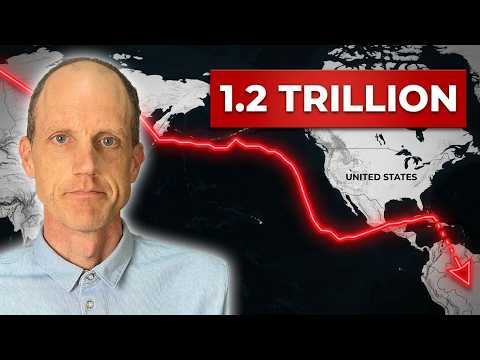
JJ posted on 2026/08/09Ever wondered why Japan's economic woes could impact your wallet? This video breaks down how a falling yen and rising Japanese bond yields create a tricky situation for the U.S. economy, especially concerning U.S. Treasuries. You'll pick up key phrases like "bond yields" and "currency intervention" while getting a fascinating look at global finance!
Learn this video on the APP!
The VoiceTube App has more in-depth practice for videos!