
abstract
US /ˈæbˌstrækt/
UK /'æbstrækt/
- Noun (Countable/Uncountable)
- Passage of text from an article or book
- Something that doesn't exist physically
- Adjective
- Concerning something that doesn't exist physically
- Relating to abstract art.
B1Morealmost all of
US
UK
- Determiner
- Nearly the entire quantity or number of something.
- Pronoun
- Nearly every person in a group.
A1Moreanalytical
US /ˌænəˈlɪtɪkl/
UK /ˌænəˈlɪtɪkl/
- Adjective
- Thinking in a detailed and intelligent manner
B2Morearbitrary
US /ˈɑrbɪˌtrɛri/
UK /ˈɑ:bitrəri/
- Adjective
- (Of decisions) unsupported; without any evidence
- Based on random choice or personal whim, rather than any reason or system.
B1TOEICMoreargument
US /ˈɑrɡjəmənt/
UK /ˈɑ:gjumənt/
- Noun (Countable/Uncountable)
- Discussion in which you disagree with someone
- A presentation of reasons for or against an idea
A2TOEICMoreas a whole
US /æz e hol/
UK /æz ə həul/
- Phrase
- Considering everything together; in general.
- Complete; not divided or incomplete.
- Adjective
- Complete; not divided or fragmented.
A1Moreask in
US /æsk ɪn/
UK /ɑ:sk ɪn/
- other
- To invite someone to enter one's home or place.
B1Moreat least
US /æt list/
UK /æt li:st/
- Adverb
- As a minimum
- Not less than
- Phrase
- No less than; at the minimum
- Used to indicate that something is positive in a bad situation.
C2Moreat the moment
US
UK
- Adverb
- At this time; now
A1Moreat the same time
US
UK
- Phrase
- Simultaneously; at the identical moment.
- Nevertheless; however; used to introduce a contrasting or qualifying statement.
A1Morebased on
US
UK
- Phrasal Verb
- To use something as the foundation or starting point for something else.
- Preposition
- Using something as the main idea or foundation.
- Relying on something as evidence or justification.
A1Morebox in
US /bɑks ɪn/
UK /bɒks ɪn/
- other
- To trap or prevent movement by surrounding closely.
B2Morebreak in
US /brek ɪn/
UK /breik in/
- Phrasal Verb
- To wear new (shoes, etc.) to make them comfortable
- To interrupt someone's conversation, task
- Verb (Transitive/Intransitive)
- To interrupt a conversation or activity.
- To wear something new until it becomes comfortable.
A1Morebreak with
US /brek wɪð/
UK /breik wið/
- Phrasal Verb
- To end a relationship or association.
- To publicly disagree with or separate from a group or organization.
A2Morecentral
US /ˈsɛntrəl/
UK /'sentrəl/
- Adjective
- Being in the middle
- Most significant or important
- Noun
- The central part of a country or region.
A2Morecolleague
US /ˈkɑlˌiɡ/
UK /'kɒli:ɡ/
- Noun (Countable/Uncountable)
- Person you work or cooperate with
- A fellow member of a profession
A2Morecome back
US /kʌm bæk/
UK /kʌm bæk/
- Phrasal Verb
- To reply to someone, often forcefully
- To be remembered
A1Morecome from
US /kʌm frʌm/
UK /kʌm frɔm/
- Phrasal Verb
- To have as your native country or city
A1Morecome up with
US /kʌm ʌp wɪð/
UK /kʌm ʌp wið/
- Phrasal Verb
- To think of an idea or solution; produce
A1Morecontinental
US /ˌkɑ:ntɪˈnentl/
UK /ˌkɒntɪˈnentl/
- Adjective
- Of or typical of the culture of mainland Europe
- Concerning or found on a continent
- Noun (Countable/Uncountable)
- Person living on mainland Europe
- A light breakfast, typically including pastries, cereal, and fruit.
B1Morecouple
US /ˈkʌpəl/
UK /'kʌpl/
- Transitive Verb
- To join something to something else
- (Two animals) to engage in sexual relations
- Noun (Countable/Uncountable)
- Two people in a romantic relationship
- Two of something; two people; a pair
A2Morecross out
US
UK
- Phrasal Verb
- To put a line through writing to show it is wrong
A2Moredeal with
US /dil wɪð/
UK /di:l wið/
- Verb (Transitive/Intransitive)
- To buy or sell goods or services.
- Phrasal Verb
- To take action to solve a problem or manage a situation.
- To be about; concern.
A1Moredense
US /dɛns/
UK /dens/
- Adjective
- Very thick and difficult to see, get through
- Hard to understand
B1TOEICMoredepend
US /dɪˈpend/
UK /dɪˈpend/
- Verb (Transitive/Intransitive)
- Be controlled or determined by (someone/something)
- To rely on someone or something for support, help, or existence.
B1TOEICMoredepending on
US
UK
- Phrasal Verb
- To rely on for support (financial or emotional)
- Influenced or determined by.
- Preposition
- Subject to; contingent on
- Relying on someone or something for support or assistance.
A2Moredespite the fact
US
UK
- Preposition
- In spite of; notwithstanding.
- Conjunction
- Even though; although.
A2Moredistinction
US /dɪˈstɪŋkʃən/
UK /dɪˈstɪŋkʃn/
- Noun (Countable/Uncountable)
- Special quality that makes something different
- A prize of award for a high level of achievement
A2TOEICMoredisturb
US /dɪˈstɜ:rb/
UK /dɪˈstɜ:b/
- Transitive Verb
- To cause someone anxiety or fear
- To cause someone anxiety or fear
A2TOEICMoredo in
US
UK
- Phrasal Verb
- To make completely tired out and exhausted
- To destroy or cause damage to someone
A1Moredominant
US /ˈdɑmənənt/
UK /ˈdɒmɪnənt/
- Adjective
- The strongest; most powerful
- Being the most common, significant or important
- Noun
- (Music) The fifth note of a scale.
B1Moredrop out
US /drɑp aʊt/
UK /drɔp aut/
- Phrasal Verb
- To take no part in a society you disapprove of
- To quit school, a club or activity
- Intransitive Verb
- To quit a course of study or training.
A1Moreenlightenment
US /ɛnˈlaɪtn:mənt/
UK /ɪnˈlaɪtnmənt/
- Uncountable Noun
- State of having a lot of knowledge and wisdom
- The state of having knowledge or understanding; the act of giving someone knowledge or understanding.
B2TOEICMoreexcept for
US /ɪkˈsɛpt fɔr/
UK /ikˈsept fɔ:/
- Preposition
- Not including; excluding.
fallacy
US /ˈfæləsi/
UK /'fæləsɪ/
- Noun
- Idea many people believe is true but is false
- Quality or state of being false
C1Morefeed off
US /fid ɔf/
UK /fi:d ɔf/
- Phrasal Verb
- To eat a particular food, especially one that is only available in small quantities.
- To benefit or profit from something, often in a negative or parasitic way.
A2Morefeel like
US
UK
- Intransitive Verb
- To have a desire or inclination for something.
- To have a particular quality or sensation; resemble.
A1Morefigure out
US /ˈfɪɡjɚ aʊt/
UK /ˈfiɡə aut/
- Phrasal Verb
- To understand the behavior of someone
- To think through logically to find a solution
- Verb (Transitive/Intransitive)
- To understand or find an answer to something.
- To find a solution to a problem or understand something.
A1Morefit together
US /fɪt təˈɡɛðɚ/
UK /fɪt təˈɡeðə/
- other
- To combine or join parts properly or correctly.
B1Morefor instance
US /fɔr ˈɪnstəns/
UK /fɔ: ˈinstəns/
- Adverb
- As an example.
- Phrase
- As an example.
- As an illustration or case in point
B1Morefrank
US /fræŋk/
UK /fræŋk/
- Proper Noun
- Member of the ancient Germanic peoples
- Person's name
- Transitive Verb
- To stamp envelopes for posting
B2TOEICMoregenerally
US /ˈdʒɛnərəli/
UK /ˈdʒenrəli/
- Adverb
- Usually; as a rule; by, to or for most people
A2Moreget through
US /ɡɛt θru/
UK /ɡet θru:/
- Phrasal Verb
- To arrive at the end of or finish something
- To succeed in contacting someone by phone
A1Morego ahead
US /ɡo əˈhɛd/
UK /ɡəu əˈhed/
- Phrasal Verb
- To start an activity; start doing, working etc.
- To give permission to do something
- Intransitive Verb
- To start or proceed with something
- To proceed despite potential obstacles or doubts.
A1Morego back to
US /ɡo bæk tu/
UK /ɡəu bæk tu:/
- Phrasal Verb
- To return to a starting point
A1Morego on
US /ɡo ɑn/
UK /ɡəu ɔn/
- Phrasal Verb
- To continue doing something
- To happen (usually negative)
- Interjection
- Used to encourage someone
A1Moregoing on
US /ˈɡoɪŋ ɑn/
UK /ˈgəʊɪŋ ɔn/
- Phrasal Verb
- To continue doing something
- To happen (usually negative)
A1Morehandout
US /ˈhændˌaʊt/
UK /ˈhændaʊt/
- Countable Noun
- A piece of paper with information given in class
- something such as food, clothing, or money that is given free to someone who has a great need for it
B2Morehanging out
US
UK
- Phrasal Verb
- To spend time with your friends
- To spend times with friends or relax doing nothing
A2Morehave to
US /hæv tu/
UK /ˈhæv tə/
- Auxiliary Verb
- Must do
A1Morehistorical
US /hɪˈstɔrɪkəl,-ˈstɑr-/
UK /hɪˈstɒrɪkl/
- Adjective
- Connected with the past
B1Moreillustrate
US /ˈɪləˌstret, ɪˈlʌsˌtret/
UK /ˈɪləstreɪt/
- Transitive Verb
- To supply pictures to go along with words
- To be an example that explains or proves something
A2TOEICMorein addition to
US /ɪn əˈdɪʃən tu/
UK /in əˈdiʃən tu:/
- Preposition
- Besides; as well as
- Phrase
- Besides; as well as.
- Furthermore; moreover.
B1Morein fact
US /ɪn fækt/
UK /in fækt/
- Adverb
- Used to emphasize the truth of a statement, especially one that contrasts with or contradicts something else.
- Used to introduce a more detailed or surprising piece of information.
- Phrase
- Used to emphasize the truth of a statement, especially one that is surprising or contrary to what might be expected.
C1Morein general
US /ɪn ˈdʒɛnərəl/
UK /in ˈdʒenərəl/
- Phrase
- Typically; usually; on the whole.
- Not specific or detailed; broadly.
- Adjective
- Not detailed or specific; overall.
C2Morein isolation
US
UK
- Phrase
- Separately from other people or things; alone.
- Considered separately and without reference to other related things.
C1Morein memory of
US /ɪn ˈmɛməri ʌv/
UK /in ˈmeməri ɔv/
- Phrase
- To honor or commemorate someone who has died.
A1Morein mind
US /ɪn maɪnd/
UK /in maind/
- Phrase
- Being aware of or considering something.
- To remember or consider something.
A2Morein order that
US /ɪn ˈɔrdɚ ðæt/
UK /in ˈɔ:də ðæt/
- Conjunction
- With the purpose or intention that.
A2Morein order to
US /ɪn ˈɔrdɚ tu/
UK /in ˈɔ:də tu:/
- Preposition
- For the purpose of; with the aim of.
- Phrase
- In a specific sequence or arrangement.
- With the aim of; for the purpose of.
C1Morein particular
US /ɪn pɚˈtɪkjəlɚ/
UK /in pəˈtikjulə/
- Phrase
- Specifically; especially.
- Detailed or precise.
A1Morein person
US /ɪn ˈpɜːrsn/
UK /in ˈpɜːsn/
- Adverb
- Physically present; not by proxy or remotely.
- Face-to-face; not through electronic communication.
A1Morein terms of
US
UK
- Phrase
- With regard to; concerning a particular aspect.
A1Morein the field
US
UK
- Phrase
- Working or doing research in a real-world environment, not in a classroom or laboratory.
- Located on the playing area of a sports ground.
A1Morein the world
US /ɪn ði wɜrld/
UK /in ðə wɜː(r)ld/
- Phrase
- Used to emphasize a question expressing surprise, confusion, disbelief
- Used to indicate the extent or degree of something, often in a superlative sense
A1Morein time
US /ɪn taɪm/
UK /in taim/
- Adverb
- Eventually; after a period of time.
- Not late; with enough time to spare.
- Phrase
- Eventually; before it is too late.
- According to the scheduled time; punctual.
A1Moreintellectual
US /ˌɪntlˈɛktʃuəl/
UK /ˌɪntəˈlektʃuəl/
- Noun (Countable/Uncountable)
- connected with or using a person’s ability to think in a logical way and understand things
- a person who is well educated and enjoys activities in which they have to think seriously about things
- Adjective
- Relating to the intellect or mental understanding.
- Appealing to or requiring the use of the intellect.
B1Morekill off
US /kɪl ɔf/
UK /kil ɔf/
- Phrasal Verb
- To eliminate or destroy completely; to cause to die.
know about
US /noʊ əˈbaʊt/
UK /nəʊ əˈbaut/
- Phrasal Verb
- To have information or understanding of a subject or situation.
lecture
US /ˈlɛktʃɚ/
UK /'lektʃə(r)/
- Transitive Verb
- To speak to someone to show anger or warn them
- To give a talk or speech about a subject
- Noun (Countable/Uncountable)
- Telling someone off for doing something wrong
- Talk or speech about a particular subject
A2TOEICMorelike talking to a wall
US /laɪk ˈtɔkɪŋ tu ə wɔl/
UK /laɪk ˈtɔ:kɪŋ tə ə wɔ:l/
- other
- Experiencing frustration in communication as the other person doesn't respond.
B2Morelisten in
US /ˈlɪsən ɪn/
UK /ˈlisn in/
- Phrasal Verb
- To secretly listen to a conversation.
literature
US /ˈlɪtərəˌtʃʊr, -tʃɚ/
UK /ˈlɪtrətʃə(r)/
- Uncountable Noun
- Writing valued as art, e.g. fiction, drama, poetry
- The body of written works produced in a particular language, country, or age.
A2Moremake up
US /mek ʌp/
UK /meik ʌp/
- Phrasal Verb
- To invent or create a story
- To add up to
- Verb (Transitive/Intransitive)
- To invent a story, excuse, etc.
- To compensate for something lost, missed, or deficient.
A1Moremanner
US /ˈmænɚ/
UK /ˈmænə(r)/
- Noun
- The way a person acts, talks, or behaves
- Polite and respectful behavior to others
A2TOEICMorematerial
US /məˈtɪriəl/
UK /məˈtɪəriəl/
- Noun (Countable/Uncountable)
- Cloth; fabric
- Supplies or data needed to do a certain thing
- Adjective
- Relevant; (of evidence) important or significant
- Belonging to the world of physical things
A2Moremodernity
US /məˈdɜ:rnəti/
UK /məˈdɜ:nəti/
- Uncountable Noun
- Quality of being current or of the present
B1Moremove around
US /muv əˈraʊnd/
UK /mu:v əˈraund/
- Phrasal Verb
- To change position or location; to go from place to place.
- Intransitive Verb
- To spread or circulate (e.g., information, rumors).
next to
US /nɛkst tu/
UK /nekst tu:/
- Preposition
- Being located along side another
- In comparison with
- Adverb
- Almost; nearly
A1Moreof a kind
US /ʌv e kaɪnd/
UK /ɔv ə kaind/
- Adjective
- Unique; not like anything else
- Phrase
- Sharing similar characteristics or qualities; alike
A1Moreof course
US /ʌv kɔː(r)s/
UK /ɔv kɔː(r)s/
- Adverb
- Sure ; Certainly
- Phrase
- For sure; certainly
A2Moreon the floor
US
UK
- Phrase
- Located on the ground or bottom surface of a room.
- Actively participating in dancing or other floor-based activities.
A1Moreon the internet
US
UK
- Phrase
- Located or available on the internet.
- Using the internet as a medium or platform.
A1Moreon to
US /ɑn tu/
UK /ɔn tu:/
- Preposition
- Toward something; forward
- Aware of someone's activities.
- Adjective
- Aware of someone's deception or illegal activities.
A1Moreonline
US /ˌɑ:nˈlaɪn/
UK /ˌɒnˈlaɪn/
- Adjective
- Connected to the internet
- Adverb
- Via the internet.
B1Moreout there
US /aʊt ðɛr/
UK /aut ðɛə/
- Adverb
- In or to a place that is far away
- Existing in the universe
- Adjective
- Unconventional; strange; avant-garde
- Existing or available.
A1Moreoutside of
US /aʊtˈsaɪd ʌv/
UK /ˌautˈsaid ɔv/
- Preposition
- Located or situated beyond the boundaries or confines of something.
- Beyond the scope, range, or limits of something.
A1Moreover to
US
UK
- Preposition
- Used to hand over to someone else to speak
- The responsibility is now yours
perspective
US /pɚˈspɛktɪv/
UK /pə'spektɪv/
- Noun (Countable/Uncountable)
- Artistic method of creating a sense of distance
- Ability to understand what is important in life
B1TOEICMorephilosopher
US /fɪˈlɑsəfɚ/
UK /fəˈlɒsəfə(r)/
- Noun (Countable/Uncountable)
- Person studying the meaning of truth and life
- A person who is calm and wise; someone who lives by philosophical principles.
C1Morephilosophical
US /ˌfɪləˈsɑ:fɪkl/
UK /ˌfɪləˈsɒfɪkl/
- Adjective
- Reacting calmly/reasonably if things are difficult
- Concerning philosophy
C1TOEICMorephilosophy
US /fɪˈlɑsəfi/
UK /fə'lɒsəfɪ/
- Uncountable Noun
- Study of ideas about the basic nature of life
- Attitude to life that a person has
C1Morepicks up
US
UK
- Phrasal Verb
- To catch a criminal and take to police station
- To start again where you left off
- Verb (Transitive/Intransitive)
- Learns or acquires something, often quickly or without effort.
- Collects someone or something.
A1Morepolish
US /ˈpɑlɪʃ/
UK /'pɒlɪʃ/
- Uncountable Noun
- Act of making something clean and shiny
- A cream used to make shoes etc. shiny
- Transitive Verb
- To make something smooth and shiny by rubbing it
- To make something smooth and shiny by rubbing it
B1Morereplace
US /rɪˈples/
UK /rɪ'pleɪs/
- Transitive Verb
- To use instead of something else
- To return an item to its original location
A2TOEICMoresame time
US
UK
- Phrase
- Occurring simultaneously or at the same point in time.
- At the identical time as before; recurring at a fixed hour.
- Noun
- An equal duration or period.
A1Moresection
US / ˈsɛkʃən/
UK /'sekʃn/
- Noun (Countable/Uncountable)
- A part of a whole
- Specific group of people from a larger group
- Transitive Verb
- To divide something into smaller parts
B1TOEICMoresee in
US /si ɪn/
UK /si: in/
- Phrasal Verb
- To accompany someone to the entrance of a building or room.
A1Moreseek out
US /sik aʊt/
UK /si:k aut/
- Phrasal Verb
- To look for and find someone or something, especially when it is not easy to find.
B2Moresemester
US /səˈmɛstɚ/
UK /sɪˈmestə(r)/
- Noun
- Half or a third of a school or college year
B1TOEICMoreset up
US /sɛt ʌp/
UK /set ʌp/
- Phrasal Verb
- To make arrangements for something; establish
- Verb (Transitive/Intransitive)
- To arrange or prepare something for use.
- To start a business, organization, etc.
A1Moreshow up
US /ʃo ʌp/
UK /ʃəu ʌp/
- Phrasal Verb
- To arrive or be seen at a place, e.g. a party
- To be noticeably better than (someone else)
A1Moreshut off
US /ʃʌt ɔf/
UK /ʃʌt ɔf/
- Phrasal Verb
- To stop the movement of something, such as water
- To isolate oneself from others.
A2Morestart off
US /stɑrt ɔf/
UK /stɑ:t ɔf/
- Phrasal Verb
- To begin or commence something.
- To begin a journey.
B2Moretailor
US /ˈtelɚ/
UK /'teɪlə(r)/
- Transitive Verb
- To make or alter to fit a certain purpose
- Countable Noun
- Person who makes men's clothes by hand
B2TOEICMoretalking about
US
UK
- Phrasal Verb
- To discuss a particular topic.
- To be constantly mentioning or bringing up a subject.
A1Moretease out
US
UK
- Phrasal Verb
- To extract or obtain something with persistent effort, especially information.
- To gently separate or disentangle fibers or strands.
A1Morethink about
US /θɪŋk əˈbaʊt/
UK /θiŋk əˈbaut/
- Phrasal Verb
- To consider something carefully.
- To remember or call to mind.
A1Morethink through
US /θɪŋk θru/
UK /θiŋk θru:/
- Phrasal Verb
- To consider carefully so all points are covered
A1Moreto date
US /tu det/
UK /tu: deit/
- Phrase
- Up to the present time; until now.
- Verb (Transitive/Intransitive)
- To go out on romantic dates with someone.
C2Moreto do with
US
UK
- Phrasal Verb
- To be about something; concern
A1Moreto some extent
US /tu sʌm ɪkˈstɛnt/
UK /tu: sʌm iksˈtent/
- Phrase
- Partially; not completely.
A1Moreto the death
US /tu ðə dɛθ/
UK /tu ðə deθ/
- other
- With the greatest effort or until the very end, often deadly.
B2Moretolerate
US /ˈtɑ:ləreɪt/
UK /ˈtɒləreɪt/
- Transitive Verb
- To be able to adjust to changes of various kinds
- To be able to survive under specific conditions
B1Moretrauma
US /ˈtraʊmə/
UK /'trɔ:mə/
- Noun (Countable/Uncountable)
- A very severe or upsetting experience
- Serious injury to part of the body
B2Moretruth
US /truθ/
UK /tru:θ/
- Uncountable Noun
- Real facts about something
A2Moreturn to
US /tɚn tu/
UK /tə:n tu:/
- Phrasal Verb
- To go to someone for help, advice, or information.
- To start doing or using something, often something bad or undesirable.
A1Moretwinkle
US /ˈtwɪŋkəl/
UK /ˈtwɪŋkl/
- Intransitive Verb
- To shine with a flickering gleam of light
B2Morevat
US /væt/
UK /væt/
- Countable Noun
- A large open vessel for holding or storing liquids
- Value added tax; a sales tax placed on goods
- Adjective
- Relating to Value Added Tax.
B2TOEICMoreversion
US /ˈvɚʒən, -ʃən/
UK /ˈvə:ʃən/
- Noun
- Different way that someone interprets something
- New or different form of something
A2TOEICMorewith it
US /wɪð ɪt/
UK /wið it/
- Adjective
- Intelligent, alert, and up-to-date.
- Understanding and knowledgeable about current trends or information.
A1Morewith time
US
UK
- Phrase
- As time passes; eventually.
- Given enough time; in the course of time.
A1Morework on
US /wɚk ɑn/
UK /wə:k ɔn/
- Phrasal Verb
- To devote effort to improve or develop something
- To try to persuade or influence someone.
A1Morework to do
US
UK
- Phrase
- Tasks or activities that need to be accomplished.
- Obligations or responsibilities that require effort and attention.
A1More
Vocabulary
- have to: Must do
- in order to: For the purpose of; with the aim of.
- to do with: To be about something; concern
- on the internet: Located or available on the internet.
- feel like: To have a desire or inclination for something.
- set up
- go on: To continue doing something
- figure out: To understand the behavior of someone
- on the floor: Located on the ground or bottom surface of a room.
- show up: To arrive or be seen at a place, e.g. a party
- in person: Physically present; not by proxy or remotely.
- in terms of
- for instance: As an example.
- next to: Being located along side another
- in addition to: Besides; as well as
- going on: To continue doing something
- in particular: Specifically; especially.
- move around: To change position or location; to go from place to place.
- in general: Typically; usually; on the whole.
- at least: As a minimum
- get through: To arrive at the end of or finish something
- talking about: To discuss a particular topic.
- do in: To make completely tired out and exhausted
- as a whole: Considering everything together; in general.
- out there: In or to a place that is far away
- in memory of: To honor or commemorate someone who has died.
- at the same time: Simultaneously; at the identical moment.
- same time: Occurring simultaneously or at the same point in time.
- of course: Sure ; Certainly
- come from: To have as your native country or city
- in the world: Used to emphasize a question expressing surprise, confusion, disbelief
- based on: To use something as the foundation or starting point for something else.
- in time: Eventually; after a period of time.
- break in: To wear new (shoes, etc.) to make them comfortable
- break with: To end a relationship or association.
- turn to: To go to someone for help, advice, or information.
- start off: To begin or commence something.
- to some extent: Partially; not completely.
- listen in: To secretly listen to a conversation.
- feed off: To eat a particular food, especially one that is only available in small quantities.
- shut off: To stop the movement of something, such as water
- go back to: To return to a starting point
- except for: Not including; excluding.
- in order that: With the purpose or intention that.
- like talking to a wall: Experiencing frustration in communication as the other person doesn't respond.
- know about: To have information or understanding of a subject or situation.
- in fact: Used to emphasize the truth of a statement, especially one that contrasts with or contradicts something else.
- fit together: To combine or join parts properly or correctly.
- in mind: Being aware of or considering something.
- seek out: To look for and find someone or something, especially when it is not easy to find.
- in the field: Working or doing research in a real-world environment, not in a classroom or laboratory.
- tease out: To extract or obtain something with persistent effort, especially information.
- with it: Intelligent, alert, and up-to-date.
- to the death: With the greatest effort or until the very end, often deadly.
- see in: To accompany someone to the entrance of a building or room.
- work on: To devote effort to improve or develop something
- come back: To reply to someone, often forcefully
- of a kind: Unique; not like anything else
- almost all of: Nearly the entire quantity or number of something.
- deal with
- outside of: Located or situated beyond the boundaries or confines of something.
- drop out: To take no part in a society you disapprove of
- in isolation: Separately from other people or things; alone.
- over to: Used to hand over to someone else to speak
- ask in: To invite someone to enter one's home or place.
- go ahead: To start an activity; start doing, working etc.
- box in: To trap or prevent movement by surrounding closely.
- depending on: To rely on for support (financial or emotional)
- come up with: To think of an idea or solution; produce
- think about: To consider something carefully.
- cross out: To put a line through writing to show it is wrong
- think through: To consider carefully so all points are covered
- to date: Up to the present time; until now.
- with time: As time passes; eventually.
- kill off: To eliminate or destroy completely; to cause to die.
- at the moment: At this time; now
- picks up: To catch a criminal and take to police station
- on to: Toward something; forward
- work to do: Tasks or activities that need to be accomplished.
- make up: To invent or create a story
- despite the fact: In spite of; notwithstanding.
- hanging out: To spend time with your friends
- perspective: Artistic method of creating a sense of distance
- material: Cloth; fabric
- period: Set amount of time during which events take place
- trauma: A very severe or upsetting experience
- arbitrary: (Of decisions) unsupported; without any evidence
- sense: Certain mental feeling or emotion
- philosophy: Study of ideas about the basic nature of life
- intellectual: connected with or using a person’s ability to think in a logical way and understand things
- version: Different way that someone interprets something
- abstract: Passage of text from an article or book
- field: Area of study, such as physics or biology
- tolerate: To be able to adjust to changes of various kinds
- generally: Usually; as a rule; by, to or for most people
- dominant: The strongest; most powerful
- section: A part of a whole
- dense: Very thick and difficult to see, get through
- manner: The way a person acts, talks, or behaves
- lecture: To speak to someone to show anger or warn them
- couple: To join something to something else
- illustrate: To supply pictures to go along with words
- colleague: Person you work or cooperate with
- argument: Discussion in which you disagree with someone
- distinction: Special quality that makes something different
- literature: Writing valued as art, e.g. fiction, drama, poetry
- enlightenment: State of having a lot of knowledge and wisdom
- text: To send a message by phone or other device
- moment: Very short or brief period of time
- tailor: To make or alter to fit a certain purpose
- lot: What happens to a person in life from chance; fate
- depend: Be controlled or determined by (someone/something)
- philosopher: Person studying the meaning of truth and life
- century: Period of 100 years
- place: To put someone in a particular type of situation
- kind: In a caring and helpful manner
- order: Religious or social group, as of nuns
- philosophical: Reacting calmly/reasonably if things are difficult
- disturb: To cause someone anxiety or fear
- polish: Act of making something clean and shiny
- replace: To use instead of something else
- semester: Half or a third of a school or college year
- modern: Of the present time; up to date; contemporary
- person: Man, woman or child
- fallacy: Idea many people believe is true but is false
- analytical: Thinking in a detailed and intelligent manner
- central: Being in the middle
- frank: Member of the ancient Germanic peoples
- start: First time or place that a thing exists; beginning
- truth: Real facts about something
- understand: To know the meaning of language, what someone says
- world: All the humans, events, activities on the earth
- historical: Connected with the past
- continental: Of or typical of the culture of mainland Europe
- handout: A piece of paper with information given in class
- modernity: Quality of being current or of the present
- online: Connected to the internet
- twinkle: To shine with a flickering gleam of light
- vat: A large open vessel for holding or storing liquids
Get the full experience in the app
Learn anywhere with detailed sentence and usage analysis
01:03
She took a brave step forward, leaving behind her comfort zone to chase her dreams.
Vocabulary
- brave
adj. Having courage
- comfort zone
phr. A familiar situation where one feels safe
Explanation
a brave step is a noun phrase, where brave is an adjective modifying the noun step, meaning "a courageous step".
forward is an adverb modifying step, meaning "ahead".
The whole phrase serves as the object, answering the "what" of took (verb) — she took a brave step forward.
Get the full experience in the app
Look up words anytime with pronunciation, part of speech, and usage
brave
US/brev/
UK/breɪv/
adj.Brave
v.t.To bravely face
A2 Elementary
Get the full experience in the app
Practice speaking anytime and get instant pronunciation feedback
Try this speaking exercise.
Try practicing with this sentence.
80
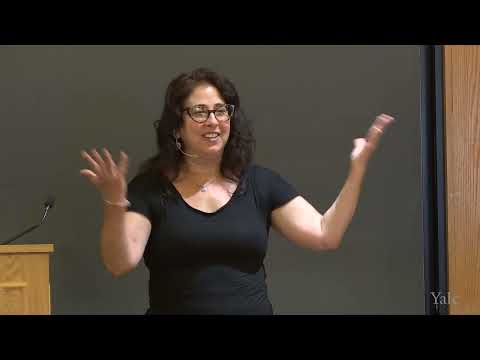
European Intellectual History since Nietzsche: Class 1, Introduction to the Course
0
林宜悉 posted on 2026/08/06Welcome to European Intellectual History since Nietzsche! This introductory lecture dives into the course structure, introduces the teaching fellows, and sets the stage for exploring influential thinkers. You'll get a feel for the professor's unique perspective as a slavicist and hear about the fascinating, real-world impact of intellectual history, especially in light of current events.
Learn this video on the APP!
The VoiceTube App has more in-depth practice for videos!