
absolutely
US /ˈæbsəˌlutli, ˌæbsəˈlutli/
UK /ˈæbsəlu:tli/
- Adverb
- Completely; totally; very
- Considered independently and without relation to other things; viewed abstractly; as, quantity absolutely considered.
A2Moreabuse
US /əˈbjuz/
UK /ə'bju:s/
- Transitive Verb
- To mistreat or be cruel towards someone
- To use in an inappropriate or excessive way
- Noun (Countable/Uncountable)
- Improper/dishonest/excessive use of something
- Insulting someone, e.g. by swearing at them
A2TOEICMoreallege
US /əˈlɛdʒ/
UK /əˈledʒ/
- Transitive Verb
- To state without proof
B1TOEICMorealmost all of
US
UK
- Determiner
- Nearly the entire quantity or number of something.
- Pronoun
- Nearly every person in a group.
A1Morealso known as
US
UK
- Phrase
- Also called; alternatively named.
- Identified by another term; synonymous with.
A1Moreapproach
US /əˈprəʊtʃ/
UK /ə'prəʊtʃ/
- Verb (Transitive/Intransitive)
- To get close to reaching something or somewhere
- To request someone to do something specific
- Noun (Countable/Uncountable)
- Means of reaching a place, often a road or path
- Request of someone with a specific goal in mind
A2TOEICMoreapt
US /æpt/
UK /æpt/
- Adjective
- Likely or having a tendency to act a certain way
- Being relevant or accurate
B1TOEICMoreas well as
US /æz wɛl æz/
UK /æz wel æz/
- Adverb
- Also; in addition to
- Preposition
- In addition to; and also.
A1Moreat risk
US
UK
- Phrase
- In danger; likely to be harmed
attractive
US /əˈtræktɪv/
UK /əˈtræktɪv/
- Adjective
- Making you like them, as by being good-looking
- Offering advantages or benefits; tempting.
A2Moreback into
US /bæk ˈɪntu/
UK /bæk ˈɪntuː/
- Phrasal Verb
- To drive a vehicle backwards into a space or area.
- To accidentally collide with something while moving backwards.
A1Morechecklist
US /ˈtʃɛkˌlɪst/
UK /ˈtʃeklɪst/
- Countable Noun
- List of tasks and things to be checked
C1Morecontact
US /ˈkɑnˌtækt/
UK /'kɒntækt/
- Adjective
- Touching or feeling something
- Noun (Countable/Uncountable)
- Touching or feeling something
- Object that allows electricity to run through it
A2Morecounsel
US /ˈkaʊnsəl/
UK /ˈkaʊnsl/
- Verb (Transitive/Intransitive)
- To listen and give expert advice to someone
- To advise (someone) on legal matters.
- Uncountable Noun
- Advice or guidance.
B1Morecourt
US /kɔrt, kort/
UK /kɔ:t/
- Transitive Verb
- To act in a way to shows you wish to marry someone
- To encourage dangerous behavior
- Noun
- Place king or queen meet people, makes laws etc.
- Place where legal cases are decided
A2TOEICMorecustody
US /ˈkʌstədi/
UK /ˈkʌstədi/
- Noun
- Legal right to be responsible and care for a child
B2Moredeal with
US /dil wɪð/
UK /di:l wið/
- Verb (Transitive/Intransitive)
- To buy or sell goods or services.
- Phrasal Verb
- To take action to solve a problem or manage a situation.
- To be about; concern.
A1Moredisseminate
US /dɪˈsɛməˌnet/
UK /dɪ'semɪneɪt/
- Transitive Verb
- To distribute or scatter around
B2TOEICMoredue to
US /du tu/
UK /dju: tu:/
- Preposition
- Because of; owing to
- Adjective
- Attributable to; caused by.
A1Moreencourage
US /ɛnˈkɚrɪdʒ, -ˈkʌr-/
UK /ɪn'kʌrɪdʒ/
- Transitive Verb
- To increase the chance of something happening
- To make someone more determined or confident
A2TOEICMoreengage
US /ɪn'gedʒ/
UK /ɪn'ɡeɪdʒ/
- Transitive Verb
- To start to fight with an enemy
- To hire someone for a task or job
A2TOEICMoreexploit
US /ɪkˈsplɔɪt/
UK /ɪk'splɔɪt/
- Transitive Verb
- To selfishly take advantage of or treat badly
- To use something in a very effective manner
- Noun (Countable/Uncountable)
- Personal journey or series of events
- A bold or daring feat.
B1TOEICMoreextremist
US /ɪkˈstrimɪst/
UK /ɪkˈstri:mɪst/
- Adjective
- (Of politics, etc.) far stronger than the norm
- Noun
- Person with very strong or radical views
B1Moreface to face
US /fes tu fes/
UK /feis tu: feis/
- Adverb
- (Meeting) while looking at someone
A1Morefeel like
US
UK
- Intransitive Verb
- To have a desire or inclination for something.
- To have a particular quality or sensation; resemble.
A1Morefor instance
US /fɔr ˈɪnstəns/
UK /fɔ: ˈinstəns/
- Adverb
- As an example.
- Phrase
- As an example.
- As an illustration or case in point
B1Moreforeground
US /ˈfɔrˌɡraʊnd, ˈfor-/
UK /ˈfɔ:graʊnd/
- Transitive Verb
- To make something more visible or important
- Noun
- The area in front of a picture or person
B1Morefriendship
US /ˈfrɛndˌʃɪp/
UK /ˈfrendʃɪp/
- Uncountable Noun
- Feeling of liking someone; good relationship
B1Morefrom the outset
US /frəm ði ˈaʊtsɛt/
UK /frəm ði ˈaʊtset/
- other
- From the beginning of a process or event.
B2Morehappen on
US /ˈhæpən ɑn/
UK /ˈhæpən ɒn/
- other
- To find or discover by accident.
B2Morehave to
US /hæv tu/
UK /ˈhæv tə/
- Auxiliary Verb
- Must do
A1Moreideology
US /ˌaɪdiˈɑlədʒi, ˌɪdi-/
UK /ˌaɪdɪ'ɒlədʒɪ/
- Uncountable Noun
- Ideas or beliefs which form theory and policy
B1TOEICMorein fact
US /ɪn fækt/
UK /in fækt/
- Adverb
- Used to emphasize the truth of a statement, especially one that contrasts with or contradicts something else.
- Used to introduce a more detailed or surprising piece of information.
- Phrase
- Used to emphasize the truth of a statement, especially one that is surprising or contrary to what might be expected.
C1Morein isolation
US
UK
- Phrase
- Separately from other people or things; alone.
- Considered separately and without reference to other related things.
C1Morein prison
US /ɪn ˈprɪzən/
UK /in ˈprizən/
- Phrase
- Confined in a prison; incarcerated.
in the end
US /ɪn ði ɛnd/
UK /in ðə end/
- Phrase
- Finally; after a period of time or series of events.
- Ultimately; as the final result or consequence.
A1Morein the first place
US
UK
- Phrase
- To begin with; as the first point or consideration.
- From the beginning; initially.
A1Morein the past
US
UK
- Phrase
- During a former period of time; previously.
A1Morein ways
US
UK
- Phrase
- In a manner or by methods that.
- In certain respects or aspects.
A1Moreinstance
US /ˈɪnstəns/
UK /'ɪnstəns/
- Noun (Countable/Uncountable)
- An example of something; case
- An occurrence of something.
- Transitive Verb
- To give as an example of something else
A2TOEICMoreisolate
US /ˈaɪsəˌlet/
UK /ˈaɪsəleɪt/
- Transitive Verb
- To identify, consider, or deal with separately
- To keep in a place or situation apart from others
B1Moreisolation
US /ˌaɪsəˈleʃən/
UK /ˌaɪsəˈleɪʃn/
- Uncountable Noun
- Condition of being in a distinct, separate place
- Process of separating things from other things
B1Morelead to
US /lid tu/
UK /li:d tu:/
- Phrasal Verb
- To result in some action
- Verb (Transitive/Intransitive)
- To have something as a consequence or result.
A1Morelimitless
US /ˈlɪmɪtlɪs/
UK /ˈlɪmɪtləs/
- Adjective
- Without limits in extent, size or quantity
B1Morelone
US /lon/
UK /ləʊn/
- Adjective
- Being alone or the only one; single
B2Morelone wolf
US
UK
- Noun
- A person who prefers to act alone, without the need for social interaction or support from others.
- An individual who acts alone in committing violent acts, without direct orders or support from an organization.
masculinity
US /ˌmæskjəˈlinɪti/
UK /ˌmæskjuˈlɪnəti/
- Uncountable Noun
- Trait of behaving in ways typical of men
B2Moreof course
US /ʌv kɔː(r)s/
UK /ɔv kɔː(r)s/
- Adverb
- Sure ; Certainly
- Phrase
- For sure; certainly
A2Moreopening up
US
UK
- Phrasal Verb
- Revealing one's thoughts and feelings; becoming more communicative.
- Creating new opportunities or possibilities.
B2Moreoutset
US /ˈaʊtˌsɛt/
UK /ˈaʊtset/
- Noun
- Beginning or start of something
B2Moreprevent
US /prɪˈvɛnt/
UK /prɪ'vent/
- Transitive Verb
- To stop something from happening or existing
A2TOEICMoreprevention
US /prɪˈvɛnʃən/
UK /prɪˈvenʃn/
- Uncountable Noun
- Act of stopping something bad from happening
B1Moreprobation
US /proˈbeʃən/
UK /prəˈbeɪʃn/
- Uncountable Noun
- Reporting to police, instead of being jailed
- Period of being monitored when in a new job
B2Moreprocess
US /ˈprɑsˌɛs, ˈproˌsɛs/
UK /prə'ses/
- Transitive Verb
- To organize and use data in a computer
- To deal with official forms in the way required
- Noun (Countable/Uncountable)
- Dealing with official forms in the way required
- Set of changes that occur slowly and naturally
A2TOEICMorepurpose
US /ˈpɚpəs/
UK /'pɜ:pəs/
- Noun (Countable/Uncountable)
- Reason for which something is done; aim; goal
- A person's sense of resolve or determination.
- Adverb
- With clear intention or determination.
- Intentionally; deliberately.
A2TOEICMorereach
US /ritʃ/
UK /ri:tʃ/
- Verb (Transitive/Intransitive)
- To come to or arrive at a goal or destination
- To be long enough to get to a certain place
- Uncountable Noun
- Power or control someone has over something
A2TOEICMorerecruit
US /rɪˈkrut/
UK /rɪ'kru:t/
- Countable Noun
- Person who has just joined the military
- Person who has just begun a new activity or job
- Transitive Verb
- To convince and help people to join the military
- To find new employees, volunteers or members
B1TOEICMorerefer
US /rɪˈfɚ/
UK /rɪ'fɜ:(r)/
- Verb (Transitive/Intransitive)
- To talk about or write about something
- To give information about something
A2TOEICMorerelease
US /rɪ'li:s/
UK /rɪ'li:s/
- Transitive Verb
- To free someone from a responsibility or burden
- To allow a film, music etc. to be sold/distributed
- Noun
- Act of freeing someone from a duty or burden
- Introduction of a new product, film, book, etc.
A2TOEICMorestop in
US /stɑp ɪn/
UK /stɔp in/
- Phrasal Verb
- To visit a place briefly, usually on the way to somewhere else.
A1Morethink of
US /θɪŋk ʌv/
UK /θiŋk ɔv/
- Phrasal Verb
- To look on as (being something specific); consider
- To consider or remember something.
- Verb (Transitive/Intransitive)
- To imagine or call something to mind
A1Moreviolence
US /ˈvaɪələns/
UK /ˈvaɪələns/
- Uncountable Noun
- Strong physical force of nature
- Use of physical force to harm someone
B1Morevulnerable
US /ˈvʌlnərəbəl/
UK /ˈvʌlnərəbl/
- Adjective
- Being open to attack or damage
- Being easily harmed, hurt, or wounded
B1More
Vocabulary
- in the first place: To begin with; as the first point or consideration.
- have to: Must do
- for instance: As an example.
- in prison: Confined in a prison; incarcerated.
- opening up: Revealing one's thoughts and feelings; becoming more communicative.
- in the past: During a former period of time; previously.
- of course: Sure ; Certainly
- due to: Because of; owing to
- lead to: To result in some action
- feel like: To have a desire or inclination for something.
- in ways: In a manner or by methods that.
- deal with
- in isolation: Separately from other people or things; alone.
- think of: To look on as (being something specific); consider
- as well as: Also; in addition to
- stop in: To visit a place briefly, usually on the way to somewhere else.
- lone wolf: A person who prefers to act alone, without the need for social interaction or support from others.
- face to face: (Meeting) while looking at someone
- happen on: To find or discover by accident.
- in the end: Finally; after a period of time or series of events.
- also known as: Also called; alternatively named.
- at risk: In danger; likely to be harmed
- in fact: Used to emphasize the truth of a statement, especially one that contrasts with or contradicts something else.
- from the outset: From the beginning of a process or event.
- back into: To drive a vehicle backwards into a space or area.
- almost all of: Nearly the entire quantity or number of something.
- vulnerable: Being open to attack or damage
- absolutely: Completely; totally; very
- approach: To get close to reaching something or somewhere
- process: To organize and use data in a computer
- engage: To start to fight with an enemy
- experience: Thing a person has done or that happened to them
- instance: An example of something; case
- consider: To think carefully about something
- purpose: Reason for which something is done; aim; goal
- prevent: To stop something from happening or existing
- encourage: To increase the chance of something happening
- exploit: To selfishly take advantage of or treat badly
- abuse: To mistreat or be cruel towards someone
- reach: To come to or arrive at a goal or destination
- deal: To cope with something - usually troubles
- court: To act in a way to shows you wish to marry someone
- state: Region within a country, with its own government
- attractive: Making you like them, as by being good-looking
- simply: In an easy or clear manner
- refer: To talk about or write about something
- contact: Touching or feeling something
- decision: Choice made after thinking; final judgment
- release: To free someone from a responsibility or burden
- interest: Best or most advantageous thing for someone
- isolation: Condition of being in a distinct, separate place
- ideology: Ideas or beliefs which form theory and policy
- social: Involving activity with people, e.g. in free time
- recruit: Person who has just joined the military
- violence: Strong physical force of nature
- place: To put someone in a particular type of situation
- offer: Price you say you are willing to pay for something
- simple: Not hard to understand or do; not complex
- act: To behave in a certain way
- custody: Legal right to be responsible and care for a child
- find: To become aware of something that is happening
- person: Man, woman or child
- difference: A thing or issue that people do not agree about
- isolate: To identify, consider, or deal with separately
- disseminate: To distribute or scatter around
- allege: To state without proof
- apt: Likely or having a tendency to act a certain way
- prevention: Act of stopping something bad from happening
- counsel: To listen and give expert advice to someone
- masculinity: Trait of behaving in ways typical of men
- extremist: (Of politics, etc.) far stronger than the norm
- friendship: Feeling of liking someone; good relationship
- foreground: To make something more visible or important
- probation: Reporting to police, instead of being jailed
- outset: Beginning or start of something
- limitless: Without limits in extent, size or quantity
- lone: Being alone or the only one; single
- checklist: List of tasks and things to be checked
Get the full experience in the app
Learn anywhere with detailed sentence and usage analysis
01:03
She took a brave step forward, leaving behind her comfort zone to chase her dreams.
Vocabulary
- brave
adj. Having courage
- comfort zone
phr. A familiar situation where one feels safe
Explanation
a brave step is a noun phrase, where brave is an adjective modifying the noun step, meaning "a courageous step".
forward is an adverb modifying step, meaning "ahead".
The whole phrase serves as the object, answering the "what" of took (verb) — she took a brave step forward.
Get the full experience in the app
Look up words anytime with pronunciation, part of speech, and usage
brave
US/brev/
UK/breɪv/
adj.Brave
v.t.To bravely face
A2 Elementary
Get the full experience in the app
Practice speaking anytime and get instant pronunciation feedback
Try this speaking exercise.
Try practicing with this sentence.
80
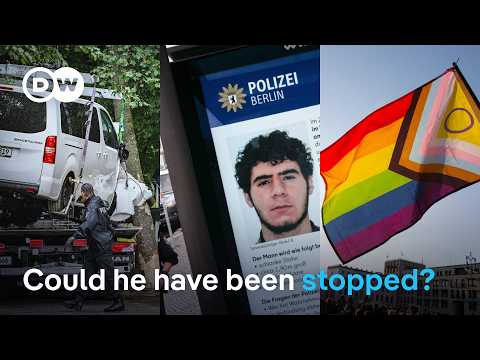
Berlin Pride alleged attacker was unwilling to deradicalize, expert tells DW | DW News
0
林宜悉 posted on 2026/07/29Dive into the complex issue of extremism with this insightful DW News report! You'll hear from an expert on deradicalization who explains why some individuals are drawn to violent ideologies and what makes them vulnerable, offering key vocabulary for discussing social issues.
Learn this video on the APP!
The VoiceTube App has more in-depth practice for videos!