
arrive at
US /əˈraɪv æt/
UK /əˈraiv æt/
- Phrasal Verb
- To reach a place, especially at the end of a journey.
- To reach a conclusion or decision after thinking about something.
A2Moreat least
US /æt list/
UK /æt li:st/
- Adverb
- As a minimum
- Not less than
- Phrase
- No less than; at the minimum
- Used to indicate that something is positive in a bad situation.
C2Moreat night
US /æt naɪt/
UK /æt nait/
- Phrase
- During the night; in the nighttime.
A1Moreat the moment
US
UK
- Adverb
- At this time; now
A1Moreback into
US /bæk ˈɪntu/
UK /bæk ˈɪntuː/
- Phrasal Verb
- To drive a vehicle backwards into a space or area.
- To accidentally collide with something while moving backwards.
A1Morebarb
US /bɑrb/
UK /bɑ:b/
- Noun
- Sharp point which curves backwards
B2Morebeat
US /bit/
UK /bi:t/
- Intransitive Verb
- To move in regular motions in order to push blood
- Transitive Verb
- To strike or hit repeatedly and with great force
- To mix ingredients together with a fork or machine
A2Moreby god
US
UK
- Interjection
- An expression of surprise, shock, or emphasis.
- An expression of strong promise or determination.
B2Morecharge
US /tʃɑrdʒ/
UK /tʃɑ:dʒ/
- Verb (Transitive/Intransitive)
- To run quickly toward someone to attack them
- To ask for money as a price for a service or goods
- Noun (Countable/Uncountable)
- An attack by running quickly toward someone
- A price for a service or goods
A2Moreclose by
US /kloz baɪ/
UK /kləuz bai/
- Adverb
- Near in distance; nearby.
- Phrase
- In a position or location that is near.
A2Morecome up to
US
UK
- Phrasal Verb
- To meet expectations
A1Morecompound
US /kɑmˈpaUnd/
UK /'kɒmpaʊnd/
- Noun (Countable/Uncountable)
- Series of buildings that are walled or fenced off
- Chemical made up of several others
- Transitive Verb
- To pay interest on a loan including the interest
- To make something from various parts or components
B1Moredaily reality
US
UK
- Uncountable Noun
- The experiences and conditions of everyday life.
B2Moredozen
US /ˈdʌzən/
UK /ˈdʌzn/
- Countable Noun
- 12 people or things
A2Moredrive out
US /draɪv aʊt/
UK /draiv aut/
- Phrasal Verb
- To force someone or something to leave a place or situation.
- To travel to a place by car.
A1Moreedge
US /ɛdʒ/
UK /edʒ/
- Noun (Countable/Uncountable)
- An advantage you have over others
- Cutting side of a sharp object
- Transitive Verb
- To cut something to make the blade sharp
- To go around the boundary of something
A2TOEICMoreenemy
US /ˈɛnəmi/
UK /ˈenəmi/
- Noun
- Something that stops you doing what you want
- Group, or people, you are opposed to
A2Morefeel like
US
UK
- Intransitive Verb
- To have a desire or inclination for something.
- To have a particular quality or sensation; resemble.
A1Morefence
US /fɛns/
UK /fens/
- Countable Noun
- Wood, metal structure enclosing an area, land
- The sport of fighting with swords, especially foils, épées, or sabres.
- Transitive Verb
- To enclose an area (with a wall or boundary)
B1TOEICMorefilm
US /fɪlm/
UK /fɪlm/
- Noun (Countable/Uncountable)
- Thin layer that covers something
- Movie
- Transitive Verb
- To record moving action with a camera
A2Morefootage
US /ˈfʊtɪdʒ/
UK /ˈfʊtɪdʒ/
- Uncountable Noun
- A certain amount of film or video of something
- The length or amount of something measured in feet.
B2Moregoing on
US /ˈɡoɪŋ ɑn/
UK /ˈgəʊɪŋ ɔn/
- Phrasal Verb
- To continue doing something
- To happen (usually negative)
A1Morehave to
US /hæv tu/
UK /ˈhæv tə/
- Auxiliary Verb
- Must do
A1Moreillegal
US /ɪˈliɡəl/
UK /ɪ'li:ɡl/
- Adjective
- Not allowed by the laws or rules
- Prohibited by law; illicit.
A2Morein charge
US /ɪn tʃɑrdʒ/
UK /in tʃɑ:dʒ/
- Adverb
- To be responsible for
A1Morein the hands of
US /ɪn ðə ˈhændz ʌv/
UK /in ðə ˈhændz ɔv/
- Preposition
- Under the control or responsibility of someone.
B1Morein the middle of
US
UK
- Phrase
- In the central part or point of something.
- Engaged or occupied with something.
A2Morein the past
US
UK
- Phrase
- During a former period of time; previously.
A1Morein the streets
US /ɪn ðə strits/
UK /ɪn ðə stri:ts/
- other
- Located or happening outdoors in public roads or areas.
A2Morein the west
US
UK
- Phrase
- Located in or towards the west.
- Located in the western part of a country or region.
A1Moreisolate
US /ˈaɪsəˌlet/
UK /ˈaɪsəleɪt/
- Transitive Verb
- To identify, consider, or deal with separately
- To keep in a place or situation apart from others
B1Morelook at
US /lʊk æt/
UK /luk æt/
- Phrasal Verb
- To use your eyes to focus on something
- To focus your eyes on something carefully
A1Moremilitary
US /ˈmɪlɪˌtɛri/
UK /'mɪlətrɪ/
- Noun
- Army or armed forces
- Adjective
- Concerning the army or navy
B1Moremove around
US /muv əˈraʊnd/
UK /mu:v əˈraund/
- Phrasal Verb
- To change position or location; to go from place to place.
- Intransitive Verb
- To spread or circulate (e.g., information, rumors).
next door
US /nɛkst dɔr/
UK /nekst dɔ:/
- Adverb
- Living in the house next to the one mentioned
A1Morenext to
US /nɛkst tu/
UK /nekst tu:/
- Preposition
- Being located along side another
- In comparison with
- Adverb
- Almost; nearly
A1Moreon the ground
US
UK
- Phrase
- Located on the surface of the earth.
- Present and available in a particular place, especially to deal with a situation.
outpost
US /ˈaʊtˌpost/
UK /'aʊtpəʊst/
- Noun
- Outlying branch or position of a main organization
C1Moreproperty
US /ˈprɑpəti/
UK /'prɒpətɪ/
- Noun (Countable/Uncountable)
- Particular quality that someone or something has
- Buildings or piece of land owned by someone
A2TOEICMoreput out
US /pʊt aʊt/
UK /put aut/
- Phrasal Verb
- To publish, e.g. a book
- To cause someone to be troubled or inconvenienced
A1Moreregardless of
US /rɪˈɡɑrdlɪs ʌv/
UK /riˈɡɑ:dlis ɔv/
- Phrase
- Preposition
- Without being affected or influenced by something; despite.
A2Morerequest for
US
UK
- Noun
- A formal application or appeal for something.
- A solicitation or appeal for assistance, support, or contributions.
A1Moreright next to
US
UK
- Preposition
- Immediately adjacent to; in very close proximity to.
- Figuratively very close to; on the verge of.
A1Moreriot
US /ˈraɪət/
UK /'raɪət/
- Noun
- Person, thing, or event that is extremely funny
- When there is a lot of something, e.g. color
- Intransitive Verb
- (Of a crowd) to protest and try to take control
B2Moreroof
US /ruf,rʊf/
UK /ru:f/
- Noun
- Top of the inside a tunnel, cave, mouth etc.
- Cover or top of a building or car
- Transitive Verb
- To place a cover or top onto a building, vehicle
A2Moreroutine
US /ruˈtin/
UK /ru:ˈti:n/
- Adjective
- Happening or done regularly or habitually
- Always the same; boring through lack of variety
- Noun (Countable/Uncountable)
- Regular or habitual way of behaving or doing
- Series of actions that make up a performance
A2TOEICMorerun by
US
UK
- Phrasal Verb
- To be managed or controlled by someone or a group.
- To show or tell something to someone briefly to get their opinion or approval.
A1Morerun down
US /rʌn daʊn/
UK /rʌn daun/
- Phrasal Verb
- To be in a bad condition
- To stop because of lack of power, e.g. a battery
A1Moresearch for
US /sɚtʃ fɔr/
UK /sə:tʃ fɔ:/
- Phrasal Verb
- To try to find someone or something.
B1Moresettler
US /ˈsɛtlɚ/
UK /ˈsetlə(r)/
- Countable Noun
- Person going to live in an uninhabited region
B1Moresheep
US /ʃip/
UK /ʃi:p/
- Noun (Countable/Uncountable)
- Animal with a woolly coat raised for meat or wool
- Noun
- Person who behaves as others do, without thinking
B1Moreshot
US /ʃɑt/
UK /ʃɒt/
- Transitive Verb
- To kick or throw a ball at a goal
- To fire a gun; injure or kill someone with a gun
- Countable Noun
- An attempt to kick or throw a ball at a goal
A2Moreshut off
US /ʃʌt ɔf/
UK /ʃʌt ɔf/
- Phrasal Verb
- To stop the movement of something, such as water
- To isolate oneself from others.
A2Moresiege
US /sidʒ/
UK /si:dʒ/
- Noun
- Surrounding an enemy to prevent them getting food
C2TOEICMorestand by
US
UK
- Phrasal Verb
- To keep to an agreement
- To wait for something to happen, e.g. TV broadcast
A1Morestay in
US /ste ɪn/
UK /stei in/
- Phrasal Verb
- To remain inside one's home.
- Intransitive Verb
- To remain as an inpatient in a hospital.
surround
US /səˈraʊnd/
UK /səˈraʊnd/
- Transitive Verb
- To be all the way around something
- To be closely connected to and have an effect on
- Verb (Transitive/Intransitive)
- To be closely connected to and have an effect on
A2Moretake down
US /tek daʊn/
UK /teik daun/
- Phrasal Verb
- To capture physically
- To break something into pieces, e.g. a radio
A1Moretear
US /tɛr/
UK /teə(r)/
- Noun (Countable/Uncountable)
- Drop of salty water from the eye
- Hole or rip in something after it has been damaged
- Intransitive Verb
- To move very quickly, often with carelessness
A2Moreviolence
US /ˈvaɪələns/
UK /ˈvaɪələns/
- Uncountable Noun
- Strong physical force of nature
- Use of physical force to harm someone
B1Moreviolent
US /ˈvaɪələnt/
UK /ˈvaɪələnt/
- Adjective
- Done with force; likely to produce physical damage
- Using or involving physical force intended to hurt, damage, or kill someone or something.
A2Morewire
US /waɪr/
UK /'waɪə(r)/
- Countable Noun
- Thin, flexible thread of metal
- Act of sending a message by telegraph
- Verb (Transitive/Intransitive)
- To connect two or more things together with cable
- To send money to someone electronically
A2TOEICMorewitness
US /ˈwɪtnɪs/
UK /'wɪtnəs/
- Transitive Verb
- To see the signing of an official document
- To see an event take place (usually a crime)
- Noun (Countable/Uncountable)
- Person who was present to see an event take place
- Evidence or proof of something
B1TOEICMore
Vocabulary
- in the west: Located in or towards the west.
- on the ground: Located on the surface of the earth.
- next to: Being located along side another
- at least: As a minimum
- in charge: To be responsible for
- run by: To be managed or controlled by someone or a group.
- in the streets: Located or happening outdoors in public roads or areas.
- feel like: To have a desire or inclination for something.
- daily reality: The experiences and conditions of everyday life.
- going on: To continue doing something
- at the moment: At this time; now
- right next to: Immediately adjacent to; in very close proximity to.
- arrive at: To reach a place, especially at the end of a journey.
- search for: To try to find someone or something.
- stand by: To keep to an agreement
- in the hands of: Under the control or responsibility of someone.
- put out: To publish, e.g. a book
- drive out: To force someone or something to leave a place or situation.
- in the past: During a former period of time; previously.
- shut off: To stop the movement of something, such as water
- regardless of
- have to: Must do
- take down: To capture physically
- by god: An expression of surprise, shock, or emphasis.
- request for: A formal application or appeal for something.
- look at: To use your eyes to focus on something
- in the middle of: In the central part or point of something.
- next door: Living in the house next to the one mentioned
- at night: During the night; in the nighttime.
- come up to: To meet expectations
- move around: To change position or location; to go from place to place.
- close by: Near in distance; nearby.
- run down: To be in a bad condition
- stay in: To remain inside one's home.
- back into: To drive a vehicle backwards into a space or area.
- routine: Happening or done regularly or habitually
- fear: Unpleasant feeling caused by being aware of danger
- property: Particular quality that someone or something has
- compound: Series of buildings that are walled or fenced off
- field: Area of study, such as physics or biology
- military: Army or armed forces
- edge: An advantage you have over others
- charge: To run quickly toward someone to attack them
- footage: A certain amount of film or video of something
- witness: To see the signing of an official document
- film: Thin layer that covers something
- beat: To move in regular motions in order to push blood
- break: To create a new record e.g. running the 100m dash
- ground: To break (coffee, etc.) into tiny bits with machine
- leave: To go away from; depart
- violent: Done with force; likely to produce physical damage
- riot: Person, thing, or event that is extremely funny
- violence: Strong physical force of nature
- enemy: Something that stops you doing what you want
- tear: Drop of salty water from the eye
- illegal: Not allowed by the laws or rules
- single: One run in cricket or a hit baseball
- control: A device designed to operate a machine
- build: Your physical shape; physique
- support: To give assistance or advice to someone
- government: Group of people and system that rule a nation
- stand: To be a candidate in an election
- point: An item to be discussed
- rise: To wake up and get out of bed after sleeping
- head: To hit a ball with your head in a game
- drive: A person's ambition and motivation to do something
- surround: To be all the way around something
- dozen: 12 people or things
- shot: To kick or throw a ball at a goal
- fence: Wood, metal structure enclosing an area, land
- siege: Surrounding an enemy to prevent them getting food
- wire: Thin, flexible thread of metal
- isolate: To identify, consider, or deal with separately
- roof: Top of the inside a tunnel, cave, mouth etc.
- settler: Person going to live in an uninhabited region
- sheep: Animal with a woolly coat raised for meat or wool
- outpost: Outlying branch or position of a main organization
- barb: Sharp point which curves backwards
Get the full experience in the app
Learn anywhere with detailed sentence and usage analysis
01:03
She took a brave step forward, leaving behind her comfort zone to chase her dreams.
Vocabulary
- brave
adj. Having courage
- comfort zone
phr. A familiar situation where one feels safe
Explanation
a brave step is a noun phrase, where brave is an adjective modifying the noun step, meaning "a courageous step".
forward is an adverb modifying step, meaning "ahead".
The whole phrase serves as the object, answering the "what" of took (verb) — she took a brave step forward.
Get the full experience in the app
Look up words anytime with pronunciation, part of speech, and usage
brave
US/brev/
UK/breɪv/
adj.Brave
v.t.To bravely face
A2 Elementary
Get the full experience in the app
Practice speaking anytime and get instant pronunciation feedback
Try this speaking exercise.
Try practicing with this sentence.
80
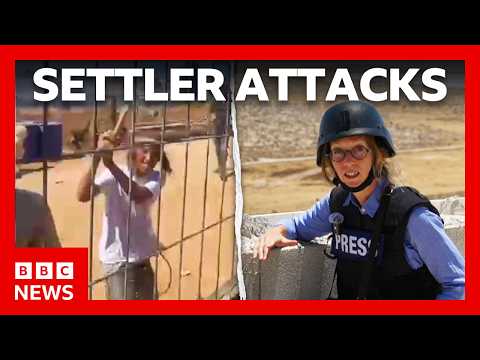
Life in a Palestinian village facing weekly settler attacks | BBC News
0
林宜悉 posted on 2026/07/29Ever wondered what life is like in a Palestinian village facing constant settler attacks? This powerful BBC News report takes you to Al-Mughayah, showing the daily reality and the challenges residents face. You'll gain a deeper understanding of the situation and pick up key phrases describing conflict and community resilience.
Learn this video on the APP!
The VoiceTube App has more in-depth practice for videos!