
a tremendous amount
US
UK
- Determiner
- A very large quantity or number of something.
B2Moreadministration
US / ædˌmɪnɪˈstreʃən/
UK /ədˌmɪnɪˈstreɪʃn/
- Uncountable Noun
- Act of giving e.g. medicine to a patient
- The work of running something, e.g. a business
B1TOEICMoreambassador
US /æmˈbæsədɚ, -ˌdɔr/
UK /æm'bæsədə(r)/
- Countable Noun
- Official representing a country in another country
- A person who acts as a representative or promoter of a specified activity.
B1Moreamnesty
US /ˈæmnɪsti/
UK /ˈæmnəsti/
- Noun
- Freedom given to someone who could be punished
B2Moreanswer to
US
UK
- Phrasal Verb
- To be responsible to someone and have to explain your actions to them.
- To correspond to or match a description or requirement.
A1Moreany sort of
US
UK
- Determiner
- Any kind of; any type of
- Phrase
- Somewhat; to some extent
A2Morearound the world
US /əˈraʊnd ði wɜrld/
UK /əˈraund ðə wɜː(r)ld/
- Phrase
- In or to many countries.
- In various places throughout the world.
A2Moreas such
US /æz sʌtʃ/
UK /æz sʌtʃ/
- Pronoun
- Something previously stated or understood
A1Moreat home
US /æt hom/
UK /æt həum/
- Phrase
- In one's own residence or country.
- Adjective
- Feeling comfortable and relaxed.
at least
US /æt list/
UK /æt li:st/
- Adverb
- As a minimum
- Not less than
- Phrase
- No less than; at the minimum
- Used to indicate that something is positive in a bad situation.
C2Moreat the end of the day
US
UK
- Phrase
- Ultimately; when everything else is considered.
- After a day's work or activities.
A1Moreback into
US /bæk ˈɪntu/
UK /bæk ˈɪntuː/
- Phrasal Verb
- To drive a vehicle backwards into a space or area.
- To accidentally collide with something while moving backwards.
A1Morebehind closed doors
US
UK
- Phrase
- In private; secretly or confidentially.
A1Morebill
US /bɪl/
UK /bɪl/
- Noun
- Plan for a new law being discussed by a government
- Sign or poster advertising something
- Transitive Verb
- To request payment by handing over an invoice
A2TOEICMorebloom
US /blum/
UK /blu:m/
- Intransitive Verb
- To flower; to produce flowers
- To achieve an ideal state of beauty and strength
- Noun
- Period of beauty, strength or freshness
B2Morebring back
US /brɪŋ bæk/
UK /briŋ bæk/
- Phrasal Verb
- To cause to remember
- To return something
A1Morecatastrophic
US /ˌkætəˈstrɑfɪk/
UK /ˌkætə'strɒfɪk/
- Adjective
- Causing a lot of damage or suffering
B2Morecommunist
US /ˈkɑmjənɪst/
UK /ˈkɒmjənɪst/
- Adjective
- Believer in communism
- Noun
- A person who supports or believes in communism.
B1Morecompass
US /ˈkʌmpəs, ˈkɑm-/
UK /ˈkʌmpəs/
- Noun
- Device that shows the direction of north
- Two-pointed tool for drawing circles, etc.
B2Morecurrent
US /ˈkɚrənt, ˈkʌr-/
UK /'kʌrənt/
- Uncountable Noun
- Electricity flowing through wires
- Movement of water in a river, or air in the sky
- Adjective
- Happening or being in the present time
- In general use or accepted by most people.
A2Moredeal with
US /dil wɪð/
UK /di:l wið/
- Verb (Transitive/Intransitive)
- To buy or sell goods or services.
- Phrasal Verb
- To take action to solve a problem or manage a situation.
- To be about; concern.
A1Moredemocratic
US /ˌdɛməˈkrætɪk/
UK /ˌdeməˈkrætɪk/
- Adjective
- (Of government) giving the people power, a vote
- Based on the principle that all members have equal rights.
B2Moredesignate
US /ˈdɛzɪɡˌnet/
UK /'dezɪɡneɪt/
- Transitive Verb
- To officially choose for a position; appoint
- To identify or mark something for a purpose
B1Moredig out
US /dɪɡ aʊt/
UK /diɡ aut/
- Phrasal Verb
- To remove something from a place by digging.
- To discover or find something, especially after searching for it.
A1Moredisastrous
US /dɪˈzæstrəs/
UK /dɪˈzɑ:strəs/
- Adjective
- Having very unfortunate or terrible consequences
- Having extremely negative or terrible consequences.
B1Moreearthquake
US /ˈɜ:rθkweɪk/
UK /ˈɜ:θkweɪk/
- Noun (Countable/Uncountable)
- Heavy shaking of the ground due to natural forces
- A series of vibrations in the earth caused by the abrupt movement of rock far below the surface
B1Moreeconomic
US /ˌɛkəˈnɑmɪk, ˌikə-/
UK /ˌi:kəˈnɒmɪk/
- Adjective
- Concerning trade, industry, and money
- Financially worthwhile; profitable.
- Noun
- A system relating to economics
- A factor relating to economics
A2Moreessential
US /ɪˈsɛnʃəl/
UK /ɪ'senʃl/
- Adjective
- Extremely or most important and necessary
- Fundamental; basic.
- Noun
- A concentrated hydrophobic liquid containing volatile aroma compounds from plants.
B1TOEICMorefall in line
US
UK
- Phrasal Verb
- To conform; to agree with or support a particular set of ideas or people.
- Intransitive Verb
- To take one's place in a line or queue.
C2Morefar and away
US
UK
- Phrase
- By a considerable margin; easily the best.
flaw
US /flɔ/
UK /flɔ:/
- Noun (Countable/Uncountable)
- Quality that makes something imperfect
- A weakness or undesirable quality.
- Transitive Verb
- To impair, damage, or spoil.
B1TOEICMorefor now
US /fɔr naʊ/
UK /fɔ: nau/
- Phrase
- Temporarily; for the present time.
- In the short term; for the immediate future.
A1Morefoundation
US /faʊnˈdeʃən/
UK /faunˈdeiʃən/
- Noun (Countable/Uncountable)
- Base or important starting point
- Underground base on which building is constructed
C1TOEICMorefrom power
US /frəm ˈpaʊɚ/
UK /frəm ˈpaʊə/
- other
- To lose control or position of authority.
A2Morego back to
US /ɡo bæk tu/
UK /ɡəu bæk tu:/
- Phrasal Verb
- To return to a starting point
A1Morego up against
US /goʊ ʌp əˈgɛnst/
UK /gəu ʌp əˈgenst/
- other
- To compete or confront someone in a contest or challenge.
B2Moregoing on
US /ˈɡoɪŋ ɑn/
UK /ˈgəʊɪŋ ɔn/
- Phrasal Verb
- To continue doing something
- To happen (usually negative)
A1Moregot to
US /ɡɑt tu/
UK /gɔt tu:/
- Verb (Transitive/Intransitive)
- To arrive at some place
- To have the opportunity or permission to do something
- Phrasal Verb
- To appeal to the emotions of; move
- To finally begin to start something after a delay
A1Morehave to
US /hæv tu/
UK /ˈhæv tə/
- Auxiliary Verb
- Must do
A1Morehemisphere
US /ˈhɛmɪˌsfɪr/
UK /ˈhemɪsfɪə(r)/
- Noun (Countable/Uncountable)
- One half of a rounded, ball-like object
- One of the two masses forming the brain
B2Morein mind
US /ɪn maɪnd/
UK /in maind/
- Phrase
- Being aware of or considering something.
- To remember or consider something.
A2Morein other words
US
UK
- Phrase
- Stating something in a different way, often to make it clearer or more understandable.
in public
US /ɪn ˈpʌblɪk/
UK /in ˈpʌblik/
- Phrase
- In a place where anyone can see or hear you.
- Adjective
- Relating to the government or the people as a whole.
B1Morein terms of
US
UK
- Phrase
- With regard to; concerning a particular aspect.
A1Morein the way
US /ɪn ði we/
UK /in ðə wei/
- Phrase
- Obstructing someone or something; hindering progress.
- Stored or placed so as to be available or ready when needed.
A1Morein the world
US /ɪn ði wɜrld/
UK /in ðə wɜː(r)ld/
- Phrase
- Used to emphasize a question expressing surprise, confusion, disbelief
- Used to indicate the extent or degree of something, often in a superlative sense
A1Morein time
US /ɪn taɪm/
UK /in taim/
- Adverb
- Eventually; after a period of time.
- Not late; with enough time to spare.
- Phrase
- Eventually; before it is too late.
- According to the scheduled time; punctual.
A1Moreinclusive
US /ɪnˈklusɪv/
UK /ɪnˈklu:sɪv/
- Adjective
- Covering or including everything
B2TOEICMoreinterim
US /ˈɪntərɪm/
UK /ˈɪntərɪm/
- Adjective
- Acting or being used for a limited period of time
B1TOEICMoreissue
US /ˈɪʃu/
UK /'ɪʃu:/
- Transitive Verb
- To make something available to be used or sold
- To deliver a statement, etc. in an official manner
- Noun (Countable/Uncountable)
- Important topic discussed, debated or argued over
- Single edition of a magazine
A2TOEICMorejump in
US
UK
- Phrasal Verb
- To enter a vehicle quickly.
- To interrupt a conversation.
lack
US /læk/
UK /læk/
- Verb (Transitive/Intransitive)
- To not have, or not have enough, of something
- Uncountable Noun
- The state of not having or not having enough of
A2TOEICMorelatin
US /ˈlætn/
UK /ˈlætɪn/
- Uncountable Noun
- Ancient Roman language affecting many languages
- Adjective
- Of or typical of a Spanish-speaking culture
C2Moreleadership
US /ˈli:dərʃɪp/
UK /ˈli:dəʃɪp/
- Uncountable Noun
- Quality of being able to guide or influence others
B1Moreleave it there
US
UK
- Phrase
- To put something down and not move it from that location.
- To stop working on something and postpone it for later.
- Transitive Verb
- To allow something to remain at a specific location.
legitimacy
US /ləˈdʒɪtəməsi/
UK /lɪ'dʒɪtɪməsɪ/
- Uncountable Noun
- Legally allowed act; undisputed credibility
B2Morelook around
US /lʊk əˈraʊnd/
UK /luk əˈraund/
- Phrasal Verb
- To explore a place; search for something.
A1Morelook at
US /lʊk æt/
UK /luk æt/
- Phrasal Verb
- To use your eyes to focus on something
- To focus your eyes on something carefully
A1Moremaintain
US /menˈten/
UK /meɪn'teɪn/
- Transitive Verb
- To keep saying something a certain way
- To keep (machine) working by checking, repairing
A2TOEICMoremilitary
US /ˈmɪlɪˌtɛri/
UK /'mɪlətrɪ/
- Noun
- Army or armed forces
- Adjective
- Concerning the army or navy
B1Moremovement
US /ˈmuvmənt/
UK /ˈmu:vmənt/
- Noun (Countable/Uncountable)
- Part of a piece of classical music
- Group with a shared interest or goal
A2Morenick
US /nɪk/
UK /nɪk/
- Noun
- Person's name
- Scratches caused by accidentally knocking
- Transitive Verb
- To make a scratch in
- To steal
B2Moreobjective
US /əbˈdʒɛktɪv/
UK /əbˈdʒektɪv/
- Adjective
- Being real, rather than simply being an idea
- Not influenced by personal feelings or opinions; impartial.
- Noun
- Something you decide you want to do; goal
A2TOEICMoreof course
US /ʌv kɔː(r)s/
UK /ɔv kɔː(r)s/
- Adverb
- Sure ; Certainly
- Phrase
- For sure; certainly
A2Moreon the ground
US
UK
- Phrase
- Located on the surface of the earth.
- Present and available in a particular place, especially to deal with a situation.
opposition
US /ˌɑ:pəˈzɪʃn/
UK /ˌɒpəˈzɪʃn/
- Uncountable Noun
- Act of disagreeing or trying to stop something
- Group that you are fighting or competing against
B1Moreoutside of
US /aʊtˈsaɪd ʌv/
UK /ˌautˈsaid ɔv/
- Preposition
- Located or situated beyond the boundaries or confines of something.
- Beyond the scope, range, or limits of something.
A1Morepoint in time
US
UK
- Noun
- A specific moment or instance when something occurs or exists.
- A significant juncture or stage in history or a sequence of events.
A1Morepolicy
US /ˈpɑlɪsi/
UK /'pɒləsɪ/
- Noun
- Document stating terms of an insurance agreement
- Course of action proposed by an organization, etc.
A2TOEICMorepolitical
US /pəˈlɪtɪkəl/
UK /pəˈlɪtɪkl/
- Adjective
- Being active or interested in government matters
- Diplomatic
A2Morepresident
US /ˈprɛzɪdənt,-ˌdɛnt/
UK /ˈprezɪdənt/
- Noun
- Person in charge of a country, or organization
- The highest-ranking executive in a corporation or organization.
A2TOEICMoreprocess
US /ˈprɑsˌɛs, ˈproˌsɛs/
UK /prə'ses/
- Transitive Verb
- To organize and use data in a computer
- To deal with official forms in the way required
- Noun (Countable/Uncountable)
- Dealing with official forms in the way required
- Set of changes that occur slowly and naturally
A2TOEICMoreprogress
US /ˈprɑɡˌrɛs, -rəs, ˈproˌɡrɛs/
UK /'prəʊɡres/
- Verb (Transitive/Intransitive)
- To move forward or toward a place or goal
- To make progress; develop or improve.
- Uncountable Noun
- Act of moving forward
- The process of improving or developing something over a period of time.
A2TOEICMoreput out
US /pʊt aʊt/
UK /put aut/
- Phrasal Verb
- To publish, e.g. a book
- To cause someone to be troubled or inconvenienced
A1Moreramp up
US /ræmp ʌp/
UK /ræmp ʌp/
- Phrasal Verb
- To increase the level or amount of something sharply.
reality
US /riˈælɪti/
UK /rɪ'ælətɪ/
- Noun (Countable/Uncountable)
- What is true, as opposed to what is imagined
- The state of things as they actually exist, rather than as they may appear or might be imagined.
A2Moreregardless of
US /rɪˈɡɑrdlɪs ʌv/
UK /riˈɡɑ:dlis ɔv/
- Phrase
- Preposition
- Without being affected or influenced by something; despite.
A2Moreregime
US /reˈʒim, rɪ-/
UK /reɪˈʒi:m/
- Noun
- A system of management; a form of government
B1Morerestoration
US /ˌrɛstəˈreʃən/
UK /ˌrestəˈreɪʃn/
- Noun
- Renewing/repairing building to its original state
B1Moreset down
US
UK
- Phrasal Verb
- To place something down on a table, etc.
A1Moreshow up
US /ʃo ʌp/
UK /ʃəu ʌp/
- Phrasal Verb
- To arrive or be seen at a place, e.g. a party
- To be noticeably better than (someone else)
A1Morestabilization
US /ˌsteɪbəlaɪ'zeɪʃn/
UK /ˌsteɪbəlaɪ'zeɪʃn/
- Uncountable Noun
- Making something stable, e.g. body's condition
C2Morestep back
US /stɛp bæk/
UK /step bæk/
- Phrasal Verb
- To move backwards; to move away from something.
- To take a break from something; to gain perspective.
A1Morestructure
US /ˈstrʌk.tʃɚ/
UK /ˈstrʌk.tʃə/
- Noun (Countable/Uncountable)
- The way in which the parts of a system or object are arranged or organized, or a system arranged in this way
- A building or other man-made object.
- Transitive Verb
- To plan, organize, or arrange the parts of something
A2TOEICMoretalking about
US
UK
- Phrasal Verb
- To discuss a particular topic.
- To be constantly mentioning or bringing up a subject.
A1Moretransition
US /trænˈzɪʃən, -ˈsɪʃ-/
UK /trænˈzɪʃn/
- Noun
- Change from one state, movement, place to another
- Intransitive Verb
- To change state, movement, place, or subject
B1Moreup against
US /ʌp əˈɡenst/
UK /ʌp əˈɡenst/
- Phrase
- Facing or contending with something difficult or challenging.
- In close proximity or contact with something.
uphold
US /ʌpˈhold/
UK /ʌp'həʊld/
- Transitive Verb
- To support to keep it being used as it should
- To maintain an argument in spite of opposition
B2Morevote in
US /voʊt ɪn/
UK /vəut ɪn/
- other
- To elect someone into a position by voting.
B1Morewith it
US /wɪð ɪt/
UK /wið it/
- Adjective
- Intelligent, alert, and up-to-date.
- Understanding and knowledgeable about current trends or information.
A1Morewithdraw from
US
UK
- Phrasal Verb
- To take out or remove (something) from a place or container.
- To stop participating in or being involved with something.
A1Morework through
US
UK
- Phrasal Verb
- To deal with something systematically until it is completed
- To deal with a problem or difficult situation.
Vocabulary
- talking about: To discuss a particular topic.
- in terms of
- at least: As a minimum
- at home: In one's own residence or country.
- look at: To use your eyes to focus on something
- have to: Must do
- deal with
- in mind: Being aware of or considering something.
- going on: To continue doing something
- a tremendous amount: A very large quantity or number of something.
- jump in: To enter a vehicle quickly.
- in the world: Used to emphasize a question expressing surprise, confusion, disbelief
- on the ground: Located on the surface of the earth.
- in other words: Stating something in a different way, often to make it clearer or more understandable.
- from power: To lose control or position of authority.
- around the world: In or to many countries.
- far and away: By a considerable margin; easily the best.
- outside of: Located or situated beyond the boundaries or confines of something.
- of course: Sure ; Certainly
- ramp up: To increase the level or amount of something sharply.
- go up against: To compete or confront someone in a contest or challenge.
- up against: Facing or contending with something difficult or challenging.
- bring back: To cause to remember
- show up: To arrive or be seen at a place, e.g. a party
- got to: To arrive at some place
- look around: To explore a place; search for something.
- as such: Something previously stated or understood
- fall in line: To conform; to agree with or support a particular set of ideas or people.
- set down
- step back: To move backwards; to move away from something.
- regardless of
- answer to: To be responsible to someone and have to explain your actions to them.
- point in time: A specific moment or instance when something occurs or exists.
- in time: Eventually; after a period of time.
- any sort of: Any kind of; any type of
- dig out: To remove something from a place by digging.
- put out: To publish, e.g. a book
- with it: Intelligent, alert, and up-to-date.
- behind closed doors: In private; secretly or confidentially.
- in public: In a place where anyone can see or hear you.
- at the end of the day: Ultimately; when everything else is considered.
- work through: To deal with something systematically until it is completed
- withdraw from: To take out or remove (something) from a place or container.
- vote in: To elect someone into a position by voting.
- back into: To drive a vehicle backwards into a space or area.
- go back to: To return to a starting point
- in the way: Obstructing someone or something; hindering progress.
- leave it there: To put something down and not move it from that location.
- for now: Temporarily; for the present time.
- process: To organize and use data in a computer
- essential: Extremely or most important and necessary
- situation: Place, position or area that something is in
- progress: To move forward or toward a place or goal
- matter: To be of great importance; to count
- term: Conditions applying to an agreement, contract
- structure: The way in which the parts of a system or object are arranged or organized, or a system arranged in this way
- catastrophic: Causing a lot of damage or suffering
- current: Electricity flowing through wires
- reality: What is true, as opposed to what is imagined
- increase: To make or become larger in size or amount
- flaw: Quality that makes something imperfect
- lack: To not have, or not have enough, of something
- military: Army or armed forces
- political: Being active or interested in government matters
- maintain: To keep saying something a certain way
- issue: To make something available to be used or sold
- deal: To cope with something - usually troubles
- foundation: Base or important starting point
- state: Region within a country, with its own government
- regime: A system of management; a form of government
- hemisphere: One half of a rounded, ball-like object
- ambassador: Official representing a country in another country
- administration: Act of giving e.g. medicine to a patient
- democratic: (Of government) giving the people power, a vote
- transition: Change from one state, movement, place to another
- objective: Being real, rather than simply being an idea
- communist: Believer in communism
- movement: Part of a piece of classical music
- lot: What happens to a person in life from chance; fate
- bill: Plan for a new law being discussed by a government
- important: Having power or authority
- policy: Document stating terms of an insurance agreement
- president: Person in charge of a country, or organization
- economic: Concerning trade, industry, and money
- support: To give assistance or advice to someone
- government: Group of people and system that rule a nation
- program: To make someone act or think in a certain way
- question: To ask for or try to get information
- person: Man, woman or child
- opposition: Act of disagreeing or trying to stop something
- secretary: Office worker who makes appointments, etc.
- disastrous: Having very unfortunate or terrible consequences
- compass: Device that shows the direction of north
- part: Division of a book
- legitimacy: Legally allowed act; undisputed credibility
- designate: To officially choose for a position; appoint
- bloom: To flower; to produce flowers
- uphold: To support to keep it being used as it should
- amnesty: Freedom given to someone who could be punished
- inclusive: Covering or including everything
- leadership: Quality of being able to guide or influence others
- restoration: Renewing/repairing building to its original state
- interim: Acting or being used for a limited period of time
- earthquake: Heavy shaking of the ground due to natural forces
- nick: Person's name
- latin: Ancient Roman language affecting many languages
- stabilization: Making something stable, e.g. body's condition
Get the full experience in the app
Learn anywhere with detailed sentence and usage analysis
01:03
She took a brave step forward, leaving behind her comfort zone to chase her dreams.
Vocabulary
- brave
adj. Having courage
- comfort zone
phr. A familiar situation where one feels safe
Explanation
a brave step is a noun phrase, where brave is an adjective modifying the noun step, meaning "a courageous step".
forward is an adverb modifying step, meaning "ahead".
The whole phrase serves as the object, answering the "what" of took (verb) — she took a brave step forward.
Get the full experience in the app
Look up words anytime with pronunciation, part of speech, and usage
brave
US/brev/
UK/breɪv/
adj.Brave
v.t.To bravely face
A2 Elementary
Get the full experience in the app
Practice speaking anytime and get instant pronunciation feedback
Try this speaking exercise.
Try practicing with this sentence.
80
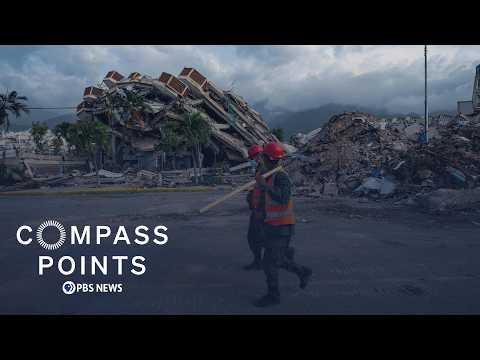
The state of Venezuela after Maduro's capture and devastating earthquakes
0
林宜悉 posted on 2026/07/25Ever wondered about the U.S.'s role in Venezuela? This video dives into the complex situation following Maduro's removal and the impact of devastating earthquakes, exploring the U.S. strategy and its effectiveness. You'll get a chance to pick up key phrases related to international relations and humanitarian crises.
Learn this video on the APP!
The VoiceTube App has more in-depth practice for videos!