
afford
US /əˈfɔrd, əˈford/
UK /ə'fɔ:d/
- Transitive Verb
- To make available, to provide
- To have enough money to pay for something
A2TOEICMorealong with
US /əˈlɔŋ wɪð/
UK /əˈlɔŋ wið/
- Preposition
- In addition to; together with.
- Adverb
- In company or together with someone or something.
- Including; in addition to.
A2Moreanonymous
US /əˈnɑnəməs/
UK /ə'nɒnɪməs/
- Adjective
- Unknown; with no name revealed
B1Moreanti
US /ˈæntaɪ, -ti/
UK /'æntɪ/
- Adjective
- A prefix meaning 'against' or 'opposed'
B2Moreat a time
US /æt e taɪm/
UK /æt ə taim/
- Phrase
- Separately; one by one
- Simultaneously; together
A1Moreat least
US /æt list/
UK /æt li:st/
- Adverb
- As a minimum
- Not less than
- Phrase
- No less than; at the minimum
- Used to indicate that something is positive in a bad situation.
C2Moreat some point
US /æt sʌm pɔɪnt/
UK /æt sʌm pɔint/
- Phrase
- At an unspecified time, usually in the future.
A1Moreat war
US /æt wɔr/
UK /æt wɔ:/
- Phrase
- Engaged in a war; fighting
A2Moreback down
US /bæk daʊn/
UK /bæk daun/
- Phrasal Verb
- To admit you were wrong; stop claiming
A1Moreback then
US
UK
- Phrase
- At that time in the past.
A1Morebased on
US
UK
- Phrasal Verb
- To use something as the foundation or starting point for something else.
- Preposition
- Using something as the main idea or foundation.
- Relying on something as evidence or justification.
A1Morebasically
US /ˈbesɪkəli,-kli/
UK /ˈbeɪsɪkli/
- Adverb
- Used before you explain something simply, clearly
- In essence; when you consider the most important aspects of something.
A2Moreby all accounts
US
UK
- Phrase
- According to what everyone says; reportedly
A1Moreby extension
US /baɪ ɪkˈstɛnʃən/
UK /bai iksˈtenʃən/
- Phrase
- Using a word or phrase in a wider context than is usual, typically to include situations that are similar to the one that the word or phrase was originally used for.
A2Morecash in
US /kæʃ ɪn/
UK /kæʃ in/
- Phrasal Verb
- To sell asset to get money back
- To sell something to get cash
A2Morechief
US /tʃif/
UK /tʃi:f/
- Noun
- Leader of a race or group of people
- The one highest in authority or importance
- Adjective
- The one highest in authority or importance
A2Morecoming after
US
UK
- Phrasal Verb
- To follow someone in order to threaten them
A1Morecomparatively
US /kəmˈpærətɪvlɪ/
UK /kəmˈpærətɪvli/
- Adverb
- When you compare it to something else
B1Moreconflict
US /ˈkɑnˌflɪkt/
UK /'kɒnflɪkt/
- Noun (Countable/Uncountable)
- Argument or struggle between two or more parties
- A serious disagreement or argument.
- Verb (Transitive/Intransitive)
- To have opposite ideas; to disagree; To not match
A2Morecorrupt
US /kəˈrʌpt/
UK /kə'rʌpt/
- Transitive Verb
- To persuade someone to act illegal or immorally
- To cause to become damaged or spoiled
- Adjective
- Being damaged or spoiled
- Misusing power, as by taking bribes, to get rich
B1Morecorruption
US /kəˈrʌpʃən/
UK /kəˈrʌpʃn/
- Uncountable Noun
- State of being damaged or spoiled
- Illegal, immoral dishonesty
B1Morecredit
US /ˈkrɛdɪt/
UK /'kredɪt/
- Noun (Countable/Uncountable)
- System to buy something and pay for it later
- Points earned instead of money
- Transitive Verb
- To add a certain amount of money to a total
- To recognize someone's achievements or help
A2Morecrisis
US /ˈkraɪsɪs/
UK /'kraɪsɪs/
- Noun (Countable/Uncountable)
- Unstable situation of extreme danger or difficulty
- A turning point in a disease.
B1Morecriticize
US /ˈkrɪtɪˌsaɪz/
UK /ˈkrɪtɪsaɪz/
- Transitive Verb
- To assess the work of others
- To say that someone or something is bad
B1Moredefense
US /dɪˈfɛns/
UK /dɪ'fens/
- Noun (Countable/Uncountable)
- Argument in support of something
- The process of protecting something from attack
B1TOEICMoredemocratic
US /ˌdɛməˈkrætɪk/
UK /ˌdeməˈkrætɪk/
- Adjective
- (Of government) giving the people power, a vote
- Based on the principle that all members have equal rights.
B2Moredesirable
US /dɪˈzaɪrəbəl/
UK /dɪˈzaɪərəbl/
- Adjective
- Being wanted; worth try to get
- (Sexually) pleasing; attractive
A2Moreequipment
US /ɪˈkwɪpmənt/
UK /ɪˈkwɪpmənt/
- Uncountable Noun
- Tools or materials used to perform a task
A2TOEICMoreexperience in
US
UK
- Phrase
- Knowledge or skill gained from doing something for a period of time.
- Exposure to or involvement in a particular activity or situation.
B1Morefor now
US /fɔr naʊ/
UK /fɔ: nau/
- Phrase
- Temporarily; for the present time.
- In the short term; for the immediate future.
A1Morego along with
US /ɡo əˈlɔŋ wɪð/
UK /ɡəu əˈlɔŋ wið/
- Phrasal Verb
- To agree to do something
A1Morego out
US /ɡo aʊt/
UK /ɡəu aut/
- Phrase
- To leave a building (e.g. a house)
- Phrasal Verb
- (Of a fire) to burn out; be extinguished
- Go out of fashion to stop being fashionable
A1Moregoing on
US /ˈɡoɪŋ ɑn/
UK /ˈgəʊɪŋ ɔn/
- Phrasal Verb
- To continue doing something
- To happen (usually negative)
A1Moregovern
US /ˈgʌvərn/
UK /ˈgʌvn/
- Transitive Verb
- To officially control land and make policies
- To control the actions or behaviour of someone
B1Morehave on
US /hæv ɑn/
UK /hæv ɔn/
- Phrasal Verb
- To be wearing something.
- To deceive or trick someone, often in a playful way.
A1Morein a big way
US /ɪn ə bɪg weɪ/
UK /ɪn ə bɪg wei/
- other
- To a great or significant extent.
B2Morein charge
US /ɪn tʃɑrdʒ/
UK /in tʃɑ:dʒ/
- Adverb
- To be responsible for
A1Morein general
US /ɪn ˈdʒɛnərəl/
UK /in ˈdʒenərəl/
- Phrase
- Typically; usually; on the whole.
- Not specific or detailed; broadly.
- Adjective
- Not detailed or specific; overall.
C2Morein motion
US /ɪn ˈmoʃən/
UK /in ˈməuʃən/
- Phrase
- Moving; not stationary.
C2Morein terms of
US
UK
- Phrase
- With regard to; concerning a particular aspect.
A1Morein the middle of
US
UK
- Phrase
- In the central part or point of something.
- Engaged or occupied with something.
A2Moreinfluence
US / ˈɪnfluəns/
UK /'ɪnflʊəns/
- Verb (Transitive/Intransitive)
- To affect or change something indirectly
- To persuade someone to do something.
- Noun (Countable/Uncountable)
- The power to affect what happens, to persuade etc.
- A person or thing that affects someone or something in an important way.
A2TOEICMoreinternal
US /ɪnˈtɚnəl/
UK /inˈtə:nəl/
- Adjective
- Being or happening in the body
- Being, happening in a country, state, organization
B1TOEICMoreinvolve
US /ɪnˈvɑlv/
UK /ɪn'vɒlv/
- Transitive Verb
- To have or be included as a part of something
- To cause (a person or group) to take part in an event or activity.
A2TOEICMorelast summer
US
UK
- Noun
- The summer before this one.
- Phrase
- Referring to events or memories from the previous summer.
A1Morelucrative
US /ˈlukrətɪv/
UK /ˈlu:krətɪv/
- Adjective
- Producing a lot of money
B1TOEICMoremilitary
US /ˈmɪlɪˌtɛri/
UK /'mɪlətrɪ/
- Noun
- Army or armed forces
- Adjective
- Concerning the army or navy
B1Moreminister
US /ˈmɪnɪstɚ/
UK /'mɪnɪstə(r)/
- Noun
- An official who heads a government department
- Person who performs Christian services
A2Moreministry
US /ˈmɪnɪstri/
UK /ˈmɪnɪstri/
- Noun (Countable/Uncountable)
- Body of religious workers and leaders
- Government department, such as Education
B1Moremomentum
US /moˈmɛntəm/
UK /mə'mentəm/
- Uncountable Noun
- Speed or force that is gained when something moves
B2TOEICMoremorale
US /məˈræl/
UK /məˈrɑ:l/
- Uncountable Noun
- the amount of confidence and enthusiasm, etc. that a person or a group has at a particular time
B2Morenick
US /nɪk/
UK /nɪk/
- Noun
- Person's name
- Scratches caused by accidentally knocking
- Transitive Verb
- To make a scratch in
- To steal
B2Morenimble
US /ˈnɪmbəl/
UK /ˈnɪmbl/
- Adjective
- Being able to move quickly and easily
C1Moreof course
US /ʌv kɔː(r)s/
UK /ɔv kɔː(r)s/
- Adverb
- Sure ; Certainly
- Phrase
- For sure; certainly
A2Moreoff the record
US
UK
- Adverb
- Not intended to be published or publicly disclosed.
- Adjective
- Confidential; not to be attributed to a source.
A2Moreopening up
US
UK
- Phrasal Verb
- Revealing one's thoughts and feelings; becoming more communicative.
- Creating new opportunities or possibilities.
B2Moreover to
US
UK
- Preposition
- Used to hand over to someone else to speak
- The responsibility is now yours
parliament
US /ˈpɑrləmənt/
UK /ˈpɑ:ləmənt/
- Noun
- Elected officials who govern a country (in the UK)
- Period when the Uk government is in session
A2Morepause
US /pɔz/
UK /pɔ:z/
- Verb (Transitive/Intransitive)
- To stop doing for a while before continuing
- To temporarily interrupt the execution of a program or process.
- Noun (Countable/Uncountable)
- A temporary break before continuing
- Function on a device to stop and restart it
A2Morepolitic
US /ˈpɑlɪtɪk/
UK /ˈpɒlətɪk/
- Adjective
- Careful what you say; diplomatic
B2Morepolitical
US /pəˈlɪtɪkəl/
UK /pəˈlɪtɪkl/
- Adjective
- Being active or interested in government matters
- Diplomatic
A2Morepostpone
US /postˈpon, posˈpon/
UK /pə'spəʊn/
- Transitive Verb
- To schedule for a later time
B1TOEICMorepresident
US /ˈprɛzɪdənt,-ˌdɛnt/
UK /ˈprezɪdənt/
- Noun
- Person in charge of a country, or organization
- The highest-ranking executive in a corporation or organization.
A2TOEICMoreprocurement
US /prəˈkjʊrmənt/
UK /prəˈkjʊəmənt/
- Uncountable Noun
- Act of getting possession of something
C2TOEICMoreprotest
US /ˈproʊtɛst/
UK /'prəʊtest/
- Verb (Transitive/Intransitive)
- To argue against something in a forceful way
- To express a strong objection or dislike
- Noun
- Forceful argument against something
- Objection to something
A2Morepublic life
US /ˈpʌblɪk laɪf/
UK /ˈpʌblik laif/
- Noun
- The aspect of a person's life that concerns their involvement in public affairs, especially as a politician or other figure known to the general public.
- The state of being exposed to general public attention or knowledge.
A1Morerally behind
US /ˈræli bɪˈhaɪnd/
UK /ˈræli biˈhaɪnd/
- other
- To show strong support for a person, cause, or team.
B2Morerave
US /rev/
UK /reɪv/
- Countable Noun
- A dance party with loud music
- Verb (Transitive/Intransitive)
- To shower praise upon; speak very highly of
- To speak or shout loudly, angrily or as if crazy
B2TOEICMorereinstate
US /ˌriɪnˈstet/
UK /ˌri:ɪn'steɪt/
- Transitive Verb
- To give someone back their previous job/position
B2Moreresolve
US /rɪˈzɑlv/
UK /rɪ'zɒlv/
- Verb (Transitive/Intransitive)
- To make a decision to do something
- To find an answer, solution to a problem/ question
- Uncountable Noun
- Firm determination to do something.
B1TOEICMorerock the boat
US /rɑk ði bot/
UK /rɔk ðə bəut/
- Idiom
- To do or say something that causes problems or upsets people.
A2Morespeak to
US /spik tu/
UK /spi:k tu:/
- Verb (Transitive/Intransitive)
- To address or communicate with someone.
- To indicate or suggest something; to be relevant to.
A1Morespecter
US /ˈspɛktɚ/
UK /'spektə/
- Noun
- Mental representation of some haunting experience
B2Morestead
US /stɛd/
UK /sted/
- Uncountable Noun
- In someone's stead archaic instead of someone
C1Moretalking about
US
UK
- Phrasal Verb
- To discuss a particular topic.
- To be constantly mentioning or bringing up a subject.
A1Moreto the day
US /tu ðə deɪ/
UK /tu ðə deɪ/
- other
- Exactly on the date specified, without any difference.
B2Moreversa
US /'vɜ:sə/
UK /'vɜ:sə/
- Adverb
- used to say that what you have just said is also true in the opposite order
C1Morevest
US /vest/
UK /vest/
- Countable Noun
- US sleeveless garment worn under a coat; waistcoat
- Transitive Verb
- To place property in the control of a person
B1Morevice
US /ˌvaɪ.sə/
UK /ˌvaɪs/
- Noun
- used as part of the title of particular positions. The person who holds one of these positions is next below in authority to the person who holds the full position and can act for them
- Noun (Countable/Uncountable)
- a moral fault or weakness in someone's character
- illegal and immoral activities, especially involving illegal sex, drugs, etc.
B2Morewhen push comes to shove
US /wɛn pʊʃ kʌmz tə ʃʌv/
UK /wen pʊʃ kʌmz tə ʃʌv/
- other
- When a situation becomes critical or urgent.
B2More
Vocabulary
- going on: To continue doing something
- for now: Temporarily; for the present time.
- in the middle of: In the central part or point of something.
- by all accounts: According to what everyone says; reportedly
- have on: To be wearing something.
- at a time: Separately; one by one
- by extension: Using a word or phrase in a wider context than is usual, typically to include situations that are similar to the one that the word or phrase was originally used for.
- talking about: To discuss a particular topic.
- based on: To use something as the foundation or starting point for something else.
- off the record: Not intended to be published or publicly disclosed.
- cash in: To sell asset to get money back
- go out: To leave a building (e.g. a house)
- rally behind: To show strong support for a person, cause, or team.
- to the day: Exactly on the date specified, without any difference.
- last summer: The summer before this one.
- back then: At that time in the past.
- in charge: To be responsible for
- public life: The aspect of a person's life that concerns their involvement in public affairs, especially as a politician or other figure known to the general public.
- coming after: To follow someone in order to threaten them
- in terms of
- in a big way: To a great or significant extent.
- at least: As a minimum
- in general: Typically; usually; on the whole.
- at some point: At an unspecified time, usually in the future.
- rock the boat: To do or say something that causes problems or upsets people.
- when push comes to shove: When a situation becomes critical or urgent.
- speak to: To address or communicate with someone.
- along with: In addition to; together with.
- go along with: To agree to do something
- back down: To admit you were wrong; stop claiming
- opening up: Revealing one's thoughts and feelings; becoming more communicative.
- in motion: Moving; not stationary.
- of course: Sure ; Certainly
- experience in: Knowledge or skill gained from doing something for a period of time.
- over to: Used to hand over to someone else to speak
- at war: Engaged in a war; fighting
- basically: Used before you explain something simply, clearly
- crisis: Unstable situation of extreme danger or difficulty
- conflict: Argument or struggle between two or more parties
- effective: Working efficiently to produce a desired result
- general: Widespread, normal or usual
- sense: Certain mental feeling or emotion
- fear: Unpleasant feeling caused by being aware of danger
- position: Person's opinion or attitude about something
- parliament: Elected officials who govern a country (in the UK)
- influence: To affect or change something indirectly
- field: Area of study, such as physics or biology
- momentum: Speed or force that is gained when something moves
- military: Army or armed forces
- political: Being active or interested in government matters
- afford: To make available, to provide
- vice: used as part of the title of particular positions. The person who holds one of these positions is next below in authority to the person who holds the full position and can act for them
- lucrative: Producing a lot of money
- pause: To stop doing for a while before continuing
- effect: An advantage, benefit
- involve: To have or be included as a part of something
- democratic: (Of government) giving the people power, a vote
- protest: To argue against something in a forceful way
- anonymous: Unknown; with no name revealed
- corruption: State of being damaged or spoiled
- rave: A dance party with loud music
- internal: Being or happening in the body
- criticize: To assess the work of others
- desirable: Being wanted; worth try to get
- credit: System to buy something and pay for it later
- resolve: To make a decision to do something
- defense: Argument in support of something
- kind: In a caring and helpful manner
- corrupt: To persuade someone to act illegal or immorally
- president: Person in charge of a country, or organization
- continue: To do something without stopping, or after pausing
- allow: To admit the validity or truth of something
- equipment: Tools or materials used to perform a task
- act: To behave in a certain way
- minister: An official who heads a government department
- chief: Leader of a race or group of people
- public: Owned by the government
- government: Group of people and system that rule a nation
- postpone: To schedule for a later time
- versa: used to say that what you have just said is also true in the opposite order
- morale: the amount of confidence and enthusiasm, etc. that a person or a group has at a particular time
- front: Behavior not showing a person's true feelings
- difficult: Hard; not easy; you need to work hard to do it
- govern: To officially control land and make policies
- anti: A prefix meaning 'against' or 'opposed'
- vest: US sleeveless garment worn under a coat; waistcoat
- nimble: Being able to move quickly and easily
- ministry: Body of religious workers and leaders
- politic: Careful what you say; diplomatic
- nick: Person's name
- procurement: Act of getting possession of something
- comparatively: When you compare it to something else
- reinstate: To give someone back their previous job/position
- specter: Mental representation of some haunting experience
- stead: In someone's stead archaic instead of someone
Get the full experience in the app
Learn anywhere with detailed sentence and usage analysis
01:03
She took a brave step forward, leaving behind her comfort zone to chase her dreams.
Vocabulary
- brave
adj. Having courage
- comfort zone
phr. A familiar situation where one feels safe
Explanation
a brave step is a noun phrase, where brave is an adjective modifying the noun step, meaning "a courageous step".
forward is an adverb modifying step, meaning "ahead".
The whole phrase serves as the object, answering the "what" of took (verb) — she took a brave step forward.
Get the full experience in the app
Look up words anytime with pronunciation, part of speech, and usage
brave
US/brev/
UK/breɪv/
adj.Brave
v.t.To bravely face
A2 Elementary
Get the full experience in the app
Practice speaking anytime and get instant pronunciation feedback
Try this speaking exercise.
Try practicing with this sentence.
80
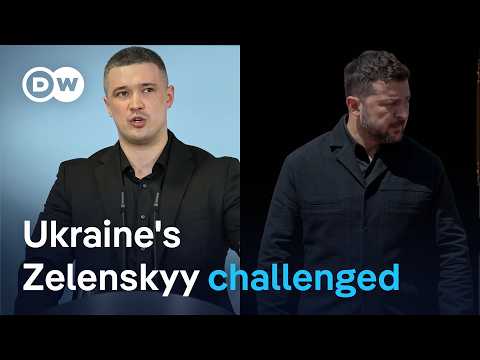
Ukraine's biggest wartime political crisis? Zelenskyy under pressure | DW News
0
林宜悉 posted on 2026/07/25Ever wondered about the political drama behind the headlines? This DW News report dives into the recent political crisis in Ukraine, exploring the pressure on President Zelenskyy and the public's demand for key figures like Mykhailo Fedorov to return to their posts. You'll gain insights into the complexities of wartime leadership and pick up valuable vocabulary related to government, defense, and public trust.
Learn this video on the APP!
The VoiceTube App has more in-depth practice for videos!