
affect
US /əˈfɛkt/
UK /ə'fekt/
- Transitive Verb
- To cause a change in something else
- To pretend to have or feel (something).
- Noun
- (Psychology) Emotion or feeling.
A2TOEICMoreaircraft
US /ˈɛrˌkræft/
UK /ˈɛəkrɑ:ft/
- Countable Noun
- Vehicle that can fly
C2TOEICMorealert
US /əˈlɚt/
UK /ə'lɜ:t/
- Adjective
- Being aware and able to respond quickly
- Transitive Verb
- To warn someone so they can respond to it
B1TOEICMoreash
US /æʃ/
UK /æʃ/
- Uncountable Noun
- Gray powder left after a fire
B1Moreat least
US /æt list/
UK /æt li:st/
- Adverb
- As a minimum
- Not less than
- Phrase
- No less than; at the minimum
- Used to indicate that something is positive in a bad situation.
C2Moreat night
US /æt naɪt/
UK /æt nait/
- Phrase
- During the night; in the nighttime.
A1Moreat the moment
US
UK
- Adverb
- At this time; now
A1Moreaware
US /əˈwɛr/
UK /əˈwɛə/
- Adjective
- Knowing or feeling that something exists
A2TOEICMorecampsite
US /ˈkæmpˌsaɪt/
UK /ˈkæmpsaɪt/
- Noun
- Site where people on holiday can pitch a tent
C2Morecap
US /kæp/
UK /kæp/
- Noun (Countable/Uncountable)
- Covering for the end or top of something
- Transitive Verb
- To cover the top or end of an object
- To limit the amount of usage of something
B1Morecapital
US /ˈkæpɪtl/
UK /'kæpɪtl/
- Noun
- Writing the first letter of a word in big letters
- Official main city of a country, province or state
- Adjective
- Main, or major
- (Of an offense) liable to the death penalty.
A2Moreclock on
US /klɑk ɑn/
UK /klɒk ɒn/
- other
- To register the start time of work using a time clock.
B1Moreconcern
US /kənˈsɚn/
UK /kənˈsɜ:n/
- Verb (Transitive/Intransitive)
- To be about a particular topic
- To have a direct impact on someone
- Noun (Countable/Uncountable)
- Company, firm or business
- Feeling of worry or anxiety
A2TOEICMorecut off
US /kʌt ɔf/
UK /kʌt ɔf/
- Phrasal Verb
- To end a process, e.g. a phone call
- To cut the end of something
- Transitive Verb
- To isolate or prevent access to a place or person.
- To interrupt someone while they are speaking.
A1Moredensely
US /ˈdɛnslɪ/
UK /denslɪ/
- Adverb
- Thickly (filled or covered)
B1Moredepending on
US
UK
- Phrasal Verb
- To rely on for support (financial or emotional)
- Influenced or determined by.
- Preposition
- Subject to; contingent on
- Relying on someone or something for support or assistance.
A2Moredeploy
US /dɪˈplɔɪ/
UK /dɪˈplɔɪ/
- Transitive Verb
- To put into position (often a military operation)
- To put something into use or action.
B1TOEICMoredirection
US /dɪˈrɛkʃən, daɪ-/
UK /də'rekʃn/
- Noun (Countable/Uncountable)
- When someone tells people what to do
- Describes the way you are going, e.g. North
A2TOEICMoredistance
US /ˈdɪstəns/
UK /'dɪstəns/
- Uncountable Noun
- Lack of friendliness toward another person
- Noun (Countable/Uncountable)
- Amount of space between two places or things
- A point or place that is far away.
A2Moreescape
US /ɪˈskep/
UK /ɪ'skeɪp/
- Noun (Countable/Uncountable)
- Act to briefly ignoring boring or bad things
- The 'esc key' on a keyboard
- Verb (Transitive/Intransitive)
- To avoid something undesirable, dangerous or bad
- To get away from a place where you are being kept
A2Moreevacuate
US /ɪˈvækjuˌet/
UK /ɪ'vækjʊeɪt/
- Transitive Verb
- To move people from dangerous to a safe places
B2Moreevacuation
US /ɪˌvækjuˈeʃən/
UK /ɪˌvækjʊ'eɪʃn/
- Noun (Countable/Uncountable)
- Sending to a safer place because of danger
- The process of removing people from a dangerous place.
B2Moreferret
US /ˈfɛrɪt/
UK /'ferɪt/
- Countable Noun
- Animal descended from the European polecat
- Transitive Verb
- To search inside something for something
B2TOEICMorefirefighting
US /'faɪəfaɪtɪŋ/
UK /'faɪəfaɪtɪŋ/
- Uncountable Noun
- Act of fighting fires (as a job)
- Intransitive Verb
- To act to put out fires (as a firefighter)
C2Moreflaring up
US
UK
- Phrasal Verb
- To suddenly become angry or violent.
- To suddenly become worse or more intense (of a medical condition).
got to
US /ɡɑt tu/
UK /gɔt tu:/
- Verb (Transitive/Intransitive)
- To arrive at some place
- To have the opportunity or permission to do something
- Phrasal Verb
- To appeal to the emotions of; move
- To finally begin to start something after a delay
A1Morehave to
US /hæv tu/
UK /ˈhæv tə/
- Auxiliary Verb
- Must do
A1Morehuge
US /hjudʒ/
UK /hju:dʒ/
- Adjective
- Very very large
A2Morein fact
US /ɪn fækt/
UK /in fækt/
- Adverb
- Used to emphasize the truth of a statement, especially one that contrasts with or contradicts something else.
- Used to introduce a more detailed or surprising piece of information.
- Phrase
- Used to emphasize the truth of a statement, especially one that is surprising or contrary to what might be expected.
C1Morein terms of
US
UK
- Phrase
- With regard to; concerning a particular aspect.
A1Morein the air
US
UK
- Phrase
- Present or circulating in the atmosphere.
- Felt or sensed by many people; circulating as a rumor or feeling.
- Adjective
- Being broadcast on radio or television.
A1Morein the middle of
US
UK
- Phrase
- In the central part or point of something.
- Engaged or occupied with something.
A2Morein the past
US
UK
- Phrase
- During a former period of time; previously.
A1Moreleapt
US /lɛpt, lipt/
UK /lept/
- Verb (Transitive/Intransitive)
- To enter or start something eagerly
- (Of prices) to increase quickly by a large amount
B1Moremention
US /ˈmɛnʃən/
UK /'menʃn/
- Transitive Verb
- To refer to or talk or write about something
- Uncountable Noun
- Act of referring to or talking about something
- A formal acknowledgement of something
A2TOEICMoreof course
US /ʌv kɔː(r)s/
UK /ɔv kɔː(r)s/
- Adverb
- Sure ; Certainly
- Phrase
- For sure; certainly
A2Moreon the point of
US /ɑn ðə ˈpɔɪnt ʌv/
UK /ɒn ðə ˈpɔɪnt ɒv/
- other
- About to do something very soon.
B2Moreon the road
US /ɑn ði rəʊd/
UK /ɔn ðə roʊd/
- Phrase
- Traveling, especially as part of a tour or journey.
- Making progress; advancing towards a goal.
- Idiom
- Making progress towards a goal or achievement.
A1Moreon the wind
US /ɑn ðə wɪnd/
UK /ɒn ðə wɪnd/
- other
- Being carried or moving through the air by the wind.
C1Moreovernight
US /ˈovɚˌnaɪt/
UK /ˌəʊvə'naɪt/
- Adverb
- (Becoming famous, etc.) in a short amount of time
- For or during the night
- Adjective
- Lasting or taking place during the night
- Delivered or intended to be delivered on the next day
B1Morepack up
US
UK
- Phrasal Verb
- To put things into boxes and take them home
A1Morepeninsula
US /pəˈnɪnsjələ, -sələ/
UK /pə'nɪnsjələ/
- Noun
- Narrow strip of land projecting into a sea or lake
B2Morepersonnel
US /ˌpɜ:rsəˈnel/
UK /ˌpɜ:səˈnel/
- Noun (Countable/Uncountable)
- Group of people who work for a company or group
- A group of people employed in an organization or for a specific task.
- Adjective
- Relating to the staff or employees of an organization.
B1TOEICMoreprevious
US /ˈpriviəs/
UK /ˈpri:viəs/
- Adjective
- Existing or happening before the present time
- Existing or occurring immediately before in time or order.
- Noun
- A button or link that allows navigation to a preceding item or page.
A2TOEICMoreprevious day
US
UK
- Noun
- The day before the current day.
- Adjective
- Relating to the day before the current one.
B1Moreproperty
US /ˈprɑpəti/
UK /'prɒpətɪ/
- Noun (Countable/Uncountable)
- Particular quality that someone or something has
- Buildings or piece of land owned by someone
A2TOEICMorequality
US /ˈkwɑlɪti/
UK /'kwɒlətɪ/
- Noun (Countable/Uncountable)
- Feature associated with someone or something
- High level of worth or excellence
- Adjective
- Of a high standard
A2TOEICMorequite a way
US
UK
- Phrase
- A considerable distance.
- To a considerable extent or degree.
A2Moreregion
US /ˈridʒən/
UK /'ri:dʒən/
- Noun (Countable/Uncountable)
- Part of a country, of the world, area, etc.
- A part of the body
A2TOEICMorescene
US /sin/
UK /si:n/
- Noun
- Incident where someone behaves angrily, badly
- View that looks like a picture
A2TOEICMoreshut up
US /ʃʌt ʌp/
UK /ʃʌt ʌp/
- Phrasal Verb
- To close something, e.g. a shop
- To (cause someone to) be silent or not speak
- Interjection
- An expression of disbelief or surprise
A2Moresmoke
US /smoʊk/
UK /sməʊk/
- Intransitive Verb
- To give off a cloud of grey gas from burning
- Uncountable Noun
- Grey gas from fires and cigarettes
- Fog of air coming from e.g. a cigarette, fire
B1Moresouthwest
US /saʊθˈwɛst, saʊˈwɛst/
UK /ˌsaʊθ'west/
- Noun
- Location in the southwestern part of an area
B2Morespeak to
US /spik tu/
UK /spi:k tu:/
- Verb (Transitive/Intransitive)
- To address or communicate with someone.
- To indicate or suggest something; to be relevant to.
A1Morespread
US /sprɛd/
UK /spred/
- Noun (Countable/Uncountable)
- A big meal, often laid out as a buffet
- The distance between two things
- Verb (Transitive/Intransitive)
- To place over a large area; to cover a large area
- (Of ideas, gossip) to pass to and affect others
A2TOEICMorestay in
US /ste ɪn/
UK /stei in/
- Phrasal Verb
- To remain inside one's home.
- Intransitive Verb
- To remain as an inpatient in a hospital.
supermarket
US /ˈsupɚˌmɑrkɪt/
UK /ˈsju:pəˌmɑ:kit/
- Noun (Countable/Uncountable)
- Self-service store selling groceries etc.
C2Moreunder control
US /ˈʌndɚ kənˈtrol/
UK /ˈʌndə kənˈtrəul/
- Adjective
- Being managed or restrained; not out of hand.
- Having one's emotions or impulses restrained.
- Phrase
- A situation that is being managed effectively.
C1Moreused to
US /juzd tu/
UK /ˈju:st tə/
- Adjective
- Did regularly before, but don't do now
- Auxiliary Verb
- Have done before, but do not do now
A1Morewake up
US /wek ʌp/
UK /weik ʌp/
- Phrasal Verb
- To stop sleeping
- To become fully aware and alert to a situation.
A1More
Vocabulary
- in the air: Present or circulating in the atmosphere.
- of course: Sure ; Certainly
- cut off: To end a process, e.g. a phone call
- in terms of
- got to: To arrive at some place
- under control: Being managed or restrained; not out of hand.
- in the middle of: In the central part or point of something.
- have to: Must do
- on the road: Traveling, especially as part of a tour or journey.
- used to: Did regularly before, but don't do now
- in the past: During a former period of time; previously.
- in fact: Used to emphasize the truth of a statement, especially one that contrasts with or contradicts something else.
- at the moment: At this time; now
- at least: As a minimum
- on the wind: Being carried or moving through the air by the wind.
- depending on: To rely on for support (financial or emotional)
- stay in: To remain inside one's home.
- on the point of: About to do something very soon.
- speak to: To address or communicate with someone.
- clock on: To register the start time of work using a time clock.
- flaring up: To suddenly become angry or violent.
- pack up: To put things into boxes and take them home
- shut up: To close something, e.g. a shop
- quite a way: A considerable distance.
- wake up: To stop sleeping
- at night: During the night; in the nighttime.
- previous day: The day before the current day.
- situation: Place, position or area that something is in
- force: Group of persons trained for military action; army
- aware: Knowing or feeling that something exists
- scene: Incident where someone behaves angrily, badly
- previous: Existing or happening before the present time
- spread: A big meal, often laid out as a buffet
- property: Particular quality that someone or something has
- quality: Feature associated with someone or something
- alert: Being aware and able to respond quickly
- affect: To cause a change in something else
- escape: Act to briefly ignoring boring or bad things
- concern: To be about a particular topic
- capital: Writing the first letter of a word in big letters
- mention: To refer to or talk or write about something
- direction: When someone tells people what to do
- region: Part of a country, of the world, area, etc.
- huge: Very very large
- distance: Lack of friendliness toward another person
- leave: To go away from; depart
- scary: Causing fear; frightening
- notice: To become aware by sight, touch, or hearing
- evacuation: Sending to a safer place because of danger
- peninsula: Narrow strip of land projecting into a sea or lake
- evacuate: To move people from dangerous to a safe places
- control: A device designed to operate a machine
- aircraft: Vehicle that can fly
- government: Group of people and system that rule a nation
- bring: To take or go with someone to a place
- middle: Place that is halfway between two things
- deploy: To put into position (often a military operation)
- worse: Comparative of 'bad'; more bad
- drive: A person's ambition and motivation to do something
- densely: Thickly (filled or covered)
- change: To exchange one set of clothes for another
- pack: Bag carried on the back of donkey, etc.
- possibly: May be true or likely, but is uncertain
- popular: Liked or enjoyed by many people
- overnight: (Becoming famous, etc.) in a short amount of time
- personnel: Group of people who work for a company or group
- cap: Covering for the end or top of something
- ash: Gray powder left after a fire
- ferret: Animal descended from the European polecat
- smoke: To give off a cloud of grey gas from burning
- leapt: To enter or start something eagerly
- campsite: Site where people on holiday can pitch a tent
- supermarket: Self-service store selling groceries etc.
- southwest: Location in the southwestern part of an area
- firefighting: Act of fighting fires (as a job)
Get the full experience in the app
Learn anywhere with detailed sentence and usage analysis
01:03
She took a brave step forward, leaving behind her comfort zone to chase her dreams.
Vocabulary
- brave
adj. Having courage
- comfort zone
phr. A familiar situation where one feels safe
Explanation
a brave step is a noun phrase, where brave is an adjective modifying the noun step, meaning "a courageous step".
forward is an adverb modifying step, meaning "ahead".
The whole phrase serves as the object, answering the "what" of took (verb) — she took a brave step forward.
Get the full experience in the app
Look up words anytime with pronunciation, part of speech, and usage
brave
US/brev/
UK/breɪv/
adj.Brave
v.t.To bravely face
A2 Elementary
Get the full experience in the app
Practice speaking anytime and get instant pronunciation feedback
Try this speaking exercise.
Try practicing with this sentence.
80
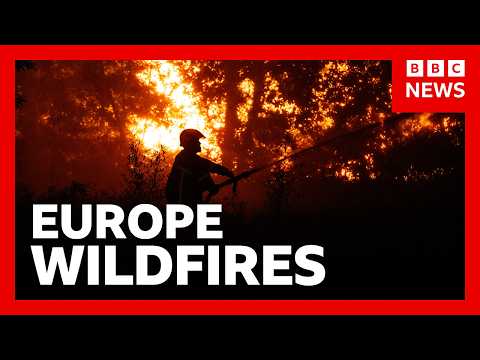
Wildfires spread in France and Spain, forcing thousands to evacuate | BBC News
0
林宜悉 posted on 2026/07/24Wildfires are raging across France and Spain, forcing thousands to evacuate! This news report dives into the dramatic escapes, the declaration of a national emergency in Spain, and the EU's response, giving you a chance to learn vocabulary related to natural disasters and emergency situations.
Learn this video on the APP!
The VoiceTube App has more in-depth practice for videos!