
as well as
US /æz wɛl æz/
UK /æz wel æz/
- Adverb
- Also; in addition to
- Preposition
- In addition to; and also.
A1Moreat least
US /æt list/
UK /æt li:st/
- Adverb
- As a minimum
- Not less than
- Phrase
- No less than; at the minimum
- Used to indicate that something is positive in a bad situation.
C2Morebased on
US
UK
- Phrasal Verb
- To use something as the foundation or starting point for something else.
- Preposition
- Using something as the main idea or foundation.
- Relying on something as evidence or justification.
A1Moreborne
US /bɔ:rn/
UK /bɔ:n/
- Verb (Transitive/Intransitive)
- To give birth to a child; to produce fruit
B1Moreby itself
US /baɪ ɪtˈsɛlf/
UK /bai itˈself/
- Adverb
- Alone; without help or assistance.
- Without any external influence or aid.
A2Moreby the numbers
US
UK
- Phrase
- In a methodical, step-by-step manner; according to a strict procedure.
- Adjective
- Predictable; following a formula or cliché.
A1Morecapacity
US /kəˈpæsɪti/
UK /kə'pæsətɪ/
- Noun (Countable/Uncountable)
- Ability to hold, involve or contain (e.g. liquids)
- Largest amount of something that can be produced
B1Morecome back
US /kʌm bæk/
UK /kʌm bæk/
- Phrasal Verb
- To reply to someone, often forcefully
- To be remembered
A1Morecommodity
US /kəˈmɑdɪti/
UK /kə'mɒdətɪ/
- Noun (Countable/Uncountable)
- Something useful or valuable, usually for sale
- A valuable quality or thing.
- Adjective
- Something that is treated as a simple object of trade or commerce, rather than valued for its intrinsic qualities.
B1Morecompared with
US /kəmˈpɛrd wɪð/
UK /kəmˈpeəd wið/
- Preposition
- In relation to
- Verb (Transitive/Intransitive)
- To have examined the differences or similarities between two or more things.
A1Moreconcern
US /kənˈsɚn/
UK /kənˈsɜ:n/
- Verb (Transitive/Intransitive)
- To be about a particular topic
- To have a direct impact on someone
- Noun (Countable/Uncountable)
- Company, firm or business
- Feeling of worry or anxiety
A2TOEICMorecontain
US /kənˈten/
UK /kənˈteɪn/
- Transitive Verb
- To keep something from spreading
- To hold something inside something else
A2Morecontaminate
US /kənˈtæməˌnet/
UK /kənˈtæmɪneɪt/
- Transitive Verb
- To make impure by adding a harmful element
B2Morecontamination
US /kənˌtæməˈneʃən/
UK /kənˌtæmɪ'neɪʃən/
- Uncountable Noun
- Being impure because of a harmful agent
B2Moredatum
US /ˈdetəm, ˈdætəm, ˈdɑtəm/
UK /ˈdeɪtəm/
- Noun
- Item of factual information
B1Morediarrhea
US /ˌdaɪəˈriə/
UK /ˌdaɪə'rɪə/
- Uncountable Noun
- Frequent and watery bowel movements
- Frequent and watery bowel movements
C1Moreeventually
US /ɪˈvɛntʃuəli/
UK /ɪˈventʃuəli/
- Adverb
- After a long time; after many attempts; in the end
- At some later time; in the future
A2Morefalse positive
US
UK
- Noun
- A test result which incorrectly indicates that a particular condition or attribute is present.
- A test result that incorrectly indicates a disease or condition is present when it is not.
B1Morefederal
US /ˈfɛdərəl, ˈfɛdrəl/
UK /'fedərəl/
- Adjective
- Consisting of several united states
- Relating to a system of government in which power is divided between a central authority and constituent political units.
- Proper Noun
- The central banking system of the United States.
B1Morefever
US /ˈfivɚ/
UK /'fi:və(r)/
- Noun (Countable/Uncountable)
- A high body temperature, indicating illness
- State of excited emotion or activity
- Transitive Verb
- To cause to have a fever.
B1Morefor example
US
UK
- Phrase
- As an illustration or instance.
go away
US /ɡo əˈwe/
UK /ɡəu əˈwei/
- Phrasal Verb
- To go on vacation
- To leave; depart.
A1Morehumidity
US /hjuˈmɪdɪti/
UK /hju:ˈmɪdəti/
- Uncountable Noun
- Amount of moisture in the air in a particular area
B1TOEICMoreiceberg
US /ˈaɪsˌbə:ɡ/
UK /'aɪsbɜ:ɡ/
- Noun (Countable/Uncountable)
- Very large mass of floating ice in the sea
B1Moreillness
US /ˈɪlnɪs/
UK /ˈɪlnəs/
- Uncountable Noun
- Unhealthy condition of the mind or body
- A particular instance or type of disease.
A2Morein any case
US /ɪn ˈɛni kes/
UK /in ˈeni keis/
- Phrase
- Whatever happens; regardless of what has happened or may happen.
A1Morein particular
US /ɪn pɚˈtɪkjəlɚ/
UK /in pəˈtikjulə/
- Phrase
- Specifically; especially.
- Detailed or precise.
A1Morein terms of
US
UK
- Phrase
- With regard to; concerning a particular aspect.
A1Moreinvestigation
US /ɪnˌvɛstɪˈɡeʃən/
UK /ɪnˌvestɪ'ɡeɪʃn/
- Noun (Countable/Uncountable)
- Search for information about something
B1Morelab
US /læb/
UK /læb/
- Noun (Countable/Uncountable)
- Short for 'laboratory'
B1Morelaboratory
US /ˈlæbrəˌtɔri, -ˌtori/
UK /lə'bɒrətrɪ/
- Noun (Countable/Uncountable)
- A place to do scientific experiments
- A place where tests are done for medical diagnosis.
B1Morelead to
US /lid tu/
UK /li:d tu:/
- Phrasal Verb
- To result in some action
- Verb (Transitive/Intransitive)
- To have something as a consequence or result.
A1Moremix up
US /mɪks ʌp/
UK /miks ʌp/
- Phrasal Verb
- To put various things together so they become one
- To cause things to become confused
- Verb (Transitive/Intransitive)
- To confuse (two or more things or people).
- To stir or agitate something.
A1Moreoutbreak
US /ˈaʊtˌbrek/
UK /ˈaʊtbreɪk/
- Noun (Countable/Uncountable)
- Sudden occurrence of illness, discontent etc.
- A sudden occurrence of something unwelcome, such as war or disease.
B2Moreparasite
US /ˈpærəˌsaɪt/
UK /'pærəsaɪt/
- Noun (Countable/Uncountable)
- Small animal or plant living off a bigger one
- One who depends on someone else, without working
B2Morepatient
US /ˈpeʃənt/
UK /'peɪʃnt/
- Adjective
- Not getting annoyed when things take a long time
- Bearing or enduring pain or trials without complaint; exhibiting forbearance.
- Countable Noun
- Person who receives medical treatment or care
A2Morepositive
US /ˈpɑzɪtɪv/
UK /ˈpɒzətɪv/
- Adjective
- Showing agreement or support for something
- Being sure about something; knowing the truth
- Noun
- A photograph in which light areas are light and dark areas are dark
A2Moreprescribe
US /prɪˈskraɪb/
UK /prɪ'skraɪb/
- Transitive Verb
- (Of doctors) to say what medicine should be taken
- To set down rules or guidelines
B2Moreprocess
US /ˈprɑsˌɛs, ˈproˌsɛs/
UK /prə'ses/
- Transitive Verb
- To organize and use data in a computer
- To deal with official forms in the way required
- Noun (Countable/Uncountable)
- Dealing with official forms in the way required
- Set of changes that occur slowly and naturally
A2TOEICMorerecall
US /rɪˈkɔl/
UK /rɪˈkɔ:l/
- Noun (Countable/Uncountable)
- (Company) asking for the return of faulty goods
- Act of remembering events or details of the past
- Transitive Verb
- (Company) to ask for the return of faulty goods
- To remember events or details of the past
A2Morered herring
US /rɛd ˈhɛrɪŋ/
UK /red ˈherɪŋ/
- Noun (Countable/Uncountable)
- Something that misleads or distracts from a relevant or important question.
- A clue or piece of information which is or is intended to be misleading or distracting.
reduce
US /rɪˈdus, -ˈdjus/
UK /rɪ'dju:s/
- Verb (Transitive/Intransitive)
- To try to decrease, e.g. your weight if overweight
- To boil a liquid until it has decreased in amount
A2TOEICMoreresemble
US /rɪˈzɛmbəl/
UK /rɪˈzembl/
- Verb (Transitive/Intransitive)
- To be similar to in looks or manner
B1TOEICMoreresult
US /rɪˈzʌlt/
UK /rɪ'zʌlt/
- Noun
- Something produced through tests or experiments
- Final score of a competition, election or game
- Intransitive Verb
- To be the outcome of other causes and effects
- To happen or exist as a consequence of something.
A2Moreretail
US /ˈriˌtel/
UK /'ri:teɪl/
- Uncountable Noun
- Business of selling products to the public
- Adverb
- Bought or sold in a store or shop
C1TOEICMoresanitation
US /ˌsænɪˈteʃən/
UK /ˌsænɪˈteɪʃn/
- Uncountable Noun
- Water systems that protect people's health
C1Moreserve
US /sɚv/
UK /sɜ:v/
- Verb (Transitive/Intransitive)
- To act in a particular position or office
- To hit the first ball to an opponent in tennis etc.
A2TOEICMoreshelf life
US /ʃɛlf laɪf/
UK /ʃelf laif/
- Noun
- The length of time for which an item remains usable, fit for consumption, or saleable.
A2Moreshred
US /ʃrɛd/
UK /ʃred/
- Transitive Verb
- To tear or rip up something to small pieces
- Noun (Countable/Uncountable)
- A small or tiny amount of something cut off
B2Moresource
US /sɔrs, sors/
UK /sɔ:s/
- Noun (Countable/Uncountable)
- Piece of information; a person giving information
- Place from which something necessary comes
- Adjective
- Produces or provides what is wanted or needed
A2TOEICMorespecific
US /spɪˈsɪfɪk/
UK /spəˈsɪfɪk/
- Adjective
- Precise; particular; just about that thing
- Concerning one particular thing or kind of thing
A2Morestomach
US /ˈstʌmək/
UK /'stʌmək/
- Noun
- Place in the body where food is processed
- Verb (Transitive/Intransitive)
- to be able to accept something unpleasant
A2Moresurveillance
US /sɚˈveləns/
UK /sɜ:'veɪləns/
- Uncountable Noun
- Careful watching of a person/place, e.g. by police
B2TOEICMoretaco
US /ˈtɑ:koʊ/
UK /ˈtækəʊ/
- Countable Noun
- Tortilla rolled cupped around a filling
B2Moretalking about
US
UK
- Phrasal Verb
- To discuss a particular topic.
- To be constantly mentioning or bringing up a subject.
A1Morethink of
US /θɪŋk ʌv/
UK /θiŋk ɔv/
- Phrasal Verb
- To look on as (being something specific); consider
- To consider or remember something.
- Verb (Transitive/Intransitive)
- To imagine or call something to mind
A1Moreto let
US /tu lɛt/
UK /tu let/
- Preposition
- Indicates that a property is available for rent.
A2Moretrack
US /træk/
UK /træk/
- Transitive Verb
- To use marks to follow a wild animal
- To move a certain way/follow a particular course
- Noun
- A circular course for running
- Course or way someone takes, e.g. in education
A2TOEICMoreturned out
US
UK
- Phrasal Verb
- To arrive for a public event or entertainment
- To happen to be in the end
- Transitive Verb
- To extinguish or switch off lights.
A1Moreunusual
US /ʌnˈjuʒuəl/
UK /ʌnˈju:ʒuəl/
- Adjective
- Being rare or uncommon; not ordinary; strange
- Remarkable or interesting because different from or better than others.
B1More
Vocabulary
- false positive: A test result which incorrectly indicates that a particular condition or attribute is present.
- for example: As an illustration or instance.
- in particular: Specifically; especially.
- by the numbers: In a methodical, step-by-step manner; according to a strict procedure.
- compared with: In relation to
- talking about: To discuss a particular topic.
- as well as: Also; in addition to
- come back: To reply to someone, often forcefully
- go away: To go on vacation
- lead to: To result in some action
- at least: As a minimum
- by itself: Alone; without help or assistance.
- think of: To look on as (being something specific); consider
- in any case: Whatever happens; regardless of what has happened or may happen.
- shelf life: The length of time for which an item remains usable, fit for consumption, or saleable.
- in terms of
- turned out: To arrive for a public event or entertainment
- mix up: To put various things together so they become one
- red herring: Something that misleads or distracts from a relevant or important question.
- based on: To use something as the foundation or starting point for something else.
- to let: Indicates that a property is available for rent.
- specific: Precise; particular; just about that thing
- eventually: After a long time; after many attempts; in the end
- process: To organize and use data in a computer
- evidence: Factual proof that helps to establish the truth
- period: Set amount of time during which events take place
- positive: Showing agreement or support for something
- capacity: Ability to hold, involve or contain (e.g. liquids)
- track: To use marks to follow a wild animal
- commodity: Something useful or valuable, usually for sale
- surveillance: Careful watching of a person/place, e.g. by police
- concern: To be about a particular topic
- deal: To cope with something - usually troubles
- state: Region within a country, with its own government
- federal: Consisting of several united states
- diarrhea: Frequent and watery bowel movements
- retail: Business of selling products to the public
- result: Something produced through tests or experiments
- illness: Unhealthy condition of the mind or body
- contain: To keep something from spreading
- sanitation: Water systems that protect people's health
- lead: Wire for electricity, computer, etc.; cable
- serve: To act in a particular position or office
- outbreak: Sudden occurrence of illness, discontent etc.
- reduce: To try to decrease, e.g. your weight if overweight
- patient: Not getting annoyed when things take a long time
- produce: Fresh foods such as fruits and vegetables
- source: Piece of information; a person giving information
- appear: To be seen, become visible; come into sight
- resemble: To be similar to in looks or manner
- haven: Place where people can feel safe and happy
- stomach: Place in the body where food is processed
- lot: What happens to a person in life from chance; fate
- investigation: Search for information about something
- humidity: Amount of moisture in the air in a particular area
- recall: (Company) asking for the return of faulty goods
- public: Owned by the government
- parasite: Small animal or plant living off a bigger one
- fever: A high body temperature, indicating illness
- contaminate: To make impure by adding a harmful element
- prescribe: (Of doctors) to say what medicine should be taken
- laboratory: A place to do scientific experiments
- find: To become aware of something that is happening
- shred: To tear or rip up something to small pieces
- hard: Difficult to do; difficult to understand
- contamination: Being impure because of a harmful agent
- include: To make someone, something part of a group
- cilantro: Herb used in Asian cooking; coriander
- nation: Area or region controlled by a government and army
- unusual: Being rare or uncommon; not ordinary; strange
- iceberg: Very large mass of floating ice in the sea
- datum: Item of factual information
- lab: Short for 'laboratory'
- taco: Tortilla rolled cupped around a filling
- borne: To give birth to a child; to produce fruit
Get the full experience in the app
Learn anywhere with detailed sentence and usage analysis
01:03
She took a brave step forward, leaving behind her comfort zone to chase her dreams.
Vocabulary
- brave
adj. Having courage
- comfort zone
phr. A familiar situation where one feels safe
Explanation
a brave step is a noun phrase, where brave is an adjective modifying the noun step, meaning "a courageous step".
forward is an adverb modifying step, meaning "ahead".
The whole phrase serves as the object, answering the "what" of took (verb) — she took a brave step forward.
Get the full experience in the app
Look up words anytime with pronunciation, part of speech, and usage
brave
US/brev/
UK/breɪv/
adj.Brave
v.t.To bravely face
A2 Elementary
Get the full experience in the app
Practice speaking anytime and get instant pronunciation feedback
Try this speaking exercise.
Try practicing with this sentence.
80
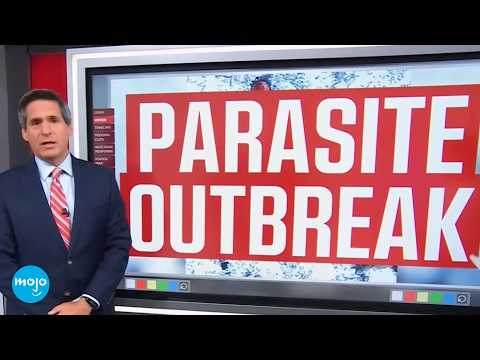
The Cyclospora Outbreak Explained
0
林宜悉 posted on 2026/07/22Ever wondered how a nasty parasite like Cyclospora can spread so quickly? This video breaks down the 2026 outbreak, explaining how it spread through contaminated produce and why it was so hard to track. You'll pick up key vocabulary related to foodborne illnesses and public health investigations!
Learn this video on the APP!
The VoiceTube App has more in-depth practice for videos!