
abandon
US /əˈbændən/
UK /ə'bændən/
- Transitive Verb
- To discard or intentionally get rid of an item
- To withdraw your support, or leave someone
- Uncountable Noun
- Wild, carefree behavior
B1Moreaffordable
US /əˈfɔrdəbəl, əˈfor-/
UK /ə'fɔ:dəbl/
- Adjective
- Cheap enough that it can be paid for
- Relatively inexpensive housing, especially for those with low or moderate incomes.
A2Moreanymore
US /ˌɛniˈmɔr, -ˈmor/
UK /'enɪmɔ:/
- Adverb
- No longer; no more
A2Moreastounding
US
UK
- Transitive Verb
- To surprise someone greatly
C1Moreat home
US /æt hom/
UK /æt həum/
- Phrase
- In one's own residence or country.
- Adjective
- Feeling comfortable and relaxed.
at the end of the day
US
UK
- Phrase
- Ultimately; when everything else is considered.
- After a day's work or activities.
A1Morebased on
US
UK
- Phrasal Verb
- To use something as the foundation or starting point for something else.
- Preposition
- Using something as the main idea or foundation.
- Relying on something as evidence or justification.
A1Moreboom
US /bum/
UK /bu:m/
- Noun (Countable/Uncountable)
- Very fast increase in growth or popularity
- A very loud and deep sound
- Intransitive Verb
- To experience a rapid increase in growth
- To make a very loud and deep sound
B1Moreburden
US /ˈbɚdn/
UK /'bɜ:dn/
- Transitive Verb
- To weigh down with a load; impose a task upon
- Noun (Countable/Uncountable)
- Something difficult to do, manage, or accept
- Something that is carried with difficulty; an oppressive load.
B1Moreburst in
US /bɚst ɪn/
UK /bə:st in/
- Phrasal Verb
- To enter a room or building suddenly and forcefully.
- To interrupt a conversation or activity suddenly.
buyer
US /ˈbaɪɚ/
UK /ˈbaɪə(r)/
- Countable Noun
- A person who buys, e.g. a customer in a store
- A person choosing the products a company will sell
A2TOEICMorecash
US /kæʃ/
UK /kæʃ/
- Uncountable Noun
- Physical money (not credit card or digital)
- Transitive Verb
- To sell or give something to get money
A2Morecheck out
US /tʃɛk aʊt/
UK /tʃek aut/
- Phrase
- Phrasal Verb
- To find out information about something
- To take books out of a library
A1Morecome undone
US
UK
- Phrasal Verb
- To become unfastened or loosened; to unravel.
- To fail or collapse; to not succeed.
comfortably
US /ˈkʌmfɚtəblɪ/
UK /ˈkʌmftəbli/
- Adverb
- Having more than enough e.g. money for your needs
- Not being worried about something; at ease
A2Morecompound
US /kɑmˈpaUnd/
UK /'kɒmpaʊnd/
- Noun (Countable/Uncountable)
- Series of buildings that are walled or fenced off
- Chemical made up of several others
- Transitive Verb
- To pay interest on a loan including the interest
- To make something from various parts or components
B1Morecondo
US /'kɒndoʊ/
UK /'kɒndəʊ/
- Countable Noun
- Building containing individually owned apartments
C2Morecrisis
US /ˈkraɪsɪs/
UK /'kraɪsɪs/
- Noun (Countable/Uncountable)
- Unstable situation of extreme danger or difficulty
- A turning point in a disease.
B1Moredeny
US /dɪˈnaɪ/
UK /dɪ'naɪ/
- Transitive Verb
- To refuse to allow or accept something
A2TOEICMoredowntown
US /ˈdaʊnˌtaʊn/
UK /ˌdaʊnˈtaʊn/
- Adjective
- Located in the business part of a town
- (informal) Fashionable, trendy, or cool.
- Noun
- The main business or commercial area of a city.
B2TOEICMoreembodiment
US /ɛmˈbɑdimənt/
UK /ɪmˈbɒdimənt/
- Noun
- The perfect example of a concept; personification
- Someone or something that is a perfect representative or example of a quality, idea, etc.
B2Moreeventually
US /ɪˈvɛntʃuəli/
UK /ɪˈventʃuəli/
- Adverb
- After a long time; after many attempts; in the end
- At some later time; in the future
A2Morefeel like
US
UK
- Intransitive Verb
- To have a desire or inclination for something.
- To have a particular quality or sensation; resemble.
A1Moreflip
US /flɪp/
UK /flɪp/
- Verb (Transitive/Intransitive)
- To turn your body in the air, as in gymnastics
- To move into a different position quickly
- Noun
- Act of turning your body in the air; somersault
- Movement of something from one position to another
B2Moreforeclosure
US /fɔ:rˈkloʊʒə(r)/
UK /fɔ:ˈkləʊʒə(r)/
- Uncountable Noun
- Proceedings to gain assets when debt is not paid
C1Moregot to
US /ɡɑt tu/
UK /gɔt tu:/
- Verb (Transitive/Intransitive)
- To arrive at some place
- To have the opportunity or permission to do something
- Phrasal Verb
- To appeal to the emotions of; move
- To finally begin to start something after a delay
A1Moregrapple
US /ˈɡræpəl/
UK /'ɡræpl/
- Verb (Transitive/Intransitive)
- To engage in close hand-to-hand combat
- To attempt to solve difficult problems
B2TOEICMoregrapple with
US
UK
- Phrasal Verb
- To struggle or deal with something difficult.
- To engage in a physical struggle or fight.
grasp
US /ɡræsp/
UK /ɡrɑ:sp/
- Noun
- Person's control over something
- Act of holding something strongly in your hands
- Transitive Verb
- To hold something in your hand very tightly
- To understand or make sense of a complex idea
B1TOEICMorehand over
US /hænd ˈovɚ/
UK /hænd ˈəuvə/
- Phrasal Verb
- To give into the possession or control of another
A1Morehandout
US /ˈhændˌaʊt/
UK /ˈhændaʊt/
- Countable Noun
- A piece of paper with information given in class
- something such as food, clothing, or money that is given free to someone who has a great need for it
B2Morehave to
US /hæv tu/
UK /ˈhæv tə/
- Auxiliary Verb
- Must do
A1Morehome in
US /ˈhoʊm ɪn/
UK /ˈhəum ɪn/
- other
- Move or direct toward a specific target or goal.
B2Morehousing
US /ˈhaʊzɪŋ/
UK /ˈhaʊzɪŋ/
- Transitive Verb
- To give someone a place to live
- To contain or store something
- Uncountable Noun
- Homes; houses in general
A2TOEICMoreinstead of
US /ɪnˈstɛd ʌv/
UK /inˈsted ɔv/
- Preposition
- When one thing is replaced by another
- Adverb
- As a substitute or alternative.
A1Morejunk
US /dʒʌŋk/
UK /dʒʌŋk/
- Uncountable Noun
- Something that is old, useless, or has no value
- Transitive Verb
- To get rid of something because it has no value
B1Morejust kind of
US
UK
- Phrase
- Used to express a feeling or state in a vague or hesitant way.
- Used to indicate something is approximately or generally similar to something else.
A2Morelayoff
US /ˈleˌ ɔf/
UK /'leɪɔ:f/
- Noun
- Act of sacking employees when work is lacking
C2Morelive on
US
UK
- Phrasal Verb
- To continue to exist or be remembered.
- To eat a particular type of food as the main thing.
look at
US /lʊk æt/
UK /luk æt/
- Phrasal Verb
- To use your eyes to focus on something
- To focus your eyes on something carefully
A1Moremetro area
US
UK
- Noun (Countable/Uncountable)
- A densely populated urban area and its surrounding suburbs, economically and socially integrated.
- A geographic region with a relatively high population density at its core and close economic ties throughout the area.
A2Moremortgage
US /ˈmɔrɡɪdʒ/
UK /'mɔ:ɡɪdʒ/
- Noun (Countable/Uncountable)
- Long-term loan from a bank for buying property
- A legal agreement in which you borrow money in order to buy a house using the house as a guarantee
- Transitive Verb
- To borrow money to buy a house, giving the lender the right to take ownership of the property if you cannot pay the debt
B1TOEICMoreneighborhood
US /ˈnebɚˌhʊd/
UK /'neɪbəhʊd/
- Noun (Countable/Uncountable)
- Area of a town or city that people live in
- People who live in a particular area
- Adjective
- Relating to a neighborhood.
B1Morenurse
US /nɜ:rs/
UK /nɜ:s/
- Countable Noun
- Person trained to care for sick or injured people
- Verb (Transitive/Intransitive)
- To care for and look after someone who is sick
- To keep holding a bad feeling about someone
A2TOEICMoreof a sudden
US
UK
- Phrase
- Quickly and unexpectedly; suddenly.
B2Moreon average
US /ɑn ˈævərɪdʒ/
UK /ɔn ˈævəridʒ/
- Phrase
- Typically; usually; based on an average calculation.
B1Moreopen house
US
UK
- Noun
- A period during which a house or other building for sale is open for inspection by prospective buyers or renters.
- An event at a school or institution where visitors are welcome to look around and learn about the activities.
A1Moreout there
US /aʊt ðɛr/
UK /aut ðɛə/
- Adverb
- In or to a place that is far away
- Existing in the universe
- Adjective
- Unconventional; strange; avant-garde
- Existing or available.
A1Moreover time
US /ˈovɚ taɪm/
UK /ˈəuvə taim/
- Phrase
- Gradually; as time passes.
- During a long period.
- Adverb
- Gradually; as time passes.
B1Morepaid off
US
UK
- Phrasal Verb
- To give money to get person to do something; bribe
- To give money to settle a debt
- Transitive Verb
- To have bribed someone.
- To have paid a debt in full.
A1Moreparadox
US /ˈpærəˌdɑks/
UK /'pærədɒks/
- Noun
- Surprising statement containing two opposing ideas
B2Morepartake
US /pɑ:rˈteɪk/
UK /pɑ:ˈteɪk/
- Intransitive Verb
- To have or take a share, e.g. of food
C1Moreperceive
US /pɚˈsiv/
UK /pə'si:v/
- Transitive Verb
- To notice or become aware of something
- To think of someone or something in a certain way
B1TOEICMoreperception
US /pɚˈsɛpʃən/
UK /pəˈsepʃn/
- Noun (Countable/Uncountable)
- Way in which one sees or understands something
- The ability to see, hear, or become aware of something through the senses.
B1Morephantom
US /ˈfæntəm/
UK /'fæntəm/
- Noun
- A spirit or ghost existing only in a person's mind
- Adjective
- Being unreal or imaginary
B2Morepredominantly
US /prɪˈdɑ:mɪnəntli/
UK /prɪˈdɒmɪnəntli/
- Adverb
- Mainly; in a way that indicates a greater degree
- In a way that is most noticeable or has the most influence.
C2Moreproperty
US /ˈprɑpəti/
UK /'prɒpətɪ/
- Noun (Countable/Uncountable)
- Particular quality that someone or something has
- Buildings or piece of land owned by someone
A2TOEICMoreprosperous
US /ˈprɑspərəs/
UK /'prɒspərəs/
- Adjective
- Being successful and having a lot of money
- Growing healthily
B1Morepure
US /pjʊr/
UK /pjʊə(r)/
- Adjective
- Not mixed with anything else
- Being morally good
A2Morerent
US /rɛnt/
UK /rent/
- Transitive Verb
- To give the use of something in return for payment
- To cut a piece of cloth by tearing it
A2TOEICMoreretire
US /rɪˈtaɪr/
UK /rɪ'taɪə(r)/
- Transitive Verb
- To stop using, producing, or servicing something
- Intransitive Verb
- To stop taking part in a competition or game
- To quit having jobs because you are old
A2TOEICMorerot
US /rɑ:t/
UK /rɒt/
- Intransitive Verb
- To break down into pieces through dying; decay
- Uncountable Noun
- The process or state of decaying or rotting.
- Foolish or nonsensical talk or ideas.
B2Moresentimental
US /ˌsɛntəˈmɛntl/
UK /ˌsentɪ'mentl/
- Adjective
- Displaying emotions too easily or strongly
- Appealing to tender emotions and feelings, especially those of love or nostalgia.
B1Moresoar
US /sɔr, sor/
UK /sɔ:(r)/
- Intransitive Verb
- (Of prices, etc.) to increase a lot in a short time
- To fly or rise high in the air
B2TOEICMorestarter
US /ˈstɑ:rtə(r)/
UK /ˈstɑ:tə(r)/
- Noun
- Electric motor for starting an engine
- First part of a big meal, e.g. soup or salad
A2Morestarve
US /stɑ:rv/
UK /stɑ:v/
- Verb (Transitive/Intransitive)
- To (cause to) be hungry or go without food
- To need or desire very strongly
B1Moretrace
US /tres/
UK /treɪs/
- Transitive Verb
- To make an outline to determine a shape
- To find someone or something that has disappeared
- Uncountable Noun
- Very small quantity of something
- A mark or other sign of the former presence or passage of something.
B1Moreundo
US /ʌnˈdu/
UK /ʌnˈdu:/
- Transitive Verb
- To open, untie or loosen something
- To reverse the effects of something; to cancel or annul.
A2Moreunicorn
US /ˈjunɪˌkɔrn/
UK /ˈju:nɪkɔ:n/
- Countable Noun
- Horselike mythical animal with a horn on forehead
B2Morevicinity
US /vɪˈsɪnɪti/
UK /vəˈsɪnəti/
- Noun
- Surrounding or nearby region; proximity
- An approximate amount or range.
B2Morewaive
US /wev/
UK /weɪv/
- Transitive Verb
- To allow a rule to be ignored; dispense with
B2TOEICMore
Vocabulary
- live on: To continue to exist or be remembered.
- have to: Must do
- look at: To use your eyes to focus on something
- over time: Gradually; as time passes.
- got to: To arrive at some place
- grapple with: To struggle or deal with something difficult.
- metro area: A densely populated urban area and its surrounding suburbs, economically and socially integrated.
- on average: Typically; usually; based on an average calculation.
- at home: In one's own residence or country.
- come undone: To become unfastened or loosened; to unravel.
- feel like: To have a desire or inclination for something.
- at the end of the day: Ultimately; when everything else is considered.
- hand over: To give into the possession or control of another
- paid off: To give money to get person to do something; bribe
- home in: Move or direct toward a specific target or goal.
- check out
- instead of: When one thing is replaced by another
- burst in: To enter a room or building suddenly and forcefully.
- based on: To use something as the foundation or starting point for something else.
- open house: A period during which a house or other building for sale is open for inspection by prospective buyers or renters.
- just kind of: Used to express a feeling or state in a vague or hesitant way.
- of a sudden: Quickly and unexpectedly; suddenly.
- out there: In or to a place that is far away
- perceive: To notice or become aware of something
- eventually: After a long time; after many attempts; in the end
- perception: Way in which one sees or understands something
- crisis: Unstable situation of extreme danger or difficulty
- experience: Thing a person has done or that happened to them
- flip: To turn your body in the air, as in gymnastics
- property: Particular quality that someone or something has
- paradox: Surprising statement containing two opposing ideas
- compound: Series of buildings that are walled or fenced off
- mortgage: Long-term loan from a bank for buying property
- burden: To weigh down with a load; impose a task upon
- predominantly: Mainly; in a way that indicates a greater degree
- vicinity: Surrounding or nearby region; proximity
- grasp: Person's control over something
- deny: To refuse to allow or accept something
- abandon: To discard or intentionally get rid of an item
- prosperous: Being successful and having a lot of money
- affordable: Cheap enough that it can be paid for
- soar: (Of prices, etc.) to increase a lot in a short time
- trace: To make an outline to determine a shape
- astounding: To surprise someone greatly
- junk: Something that is old, useless, or has no value
- place: To put someone in a particular type of situation
- single: One run in cricket or a hit baseball
- sentimental: Displaying emotions too easily or strongly
- kind: In a caring and helpful manner
- starve: To (cause to) be hungry or go without food
- pure: Not mixed with anything else
- build: Your physical shape; physique
- embodiment: The perfect example of a concept; personification
- rot: To break down into pieces through dying; decay
- neighborhood: Area of a town or city that people live in
- boom: Very fast increase in growth or popularity
- perfect: So good it cannot be improved
- phantom: A spirit or ghost existing only in a person's mind
- person: Man, woman or child
- grow: To get bigger and more mature; make plants do this
- hard: Difficult to do; difficult to understand
- income: Earned money from work, investments or business
- nation: Area or region controlled by a government and army
- start: First time or place that a thing exists; beginning
- rent: To give the use of something in return for payment
- area: Amount of measured space
- grapple: To engage in close hand-to-hand combat
- problem: Something difficult to deal with or causes trouble
- list: To lean to one side, like a boat or ship
- retire: To stop using, producing, or servicing something
- partake: To have or take a share, e.g. of food
- condo: Building containing individually owned apartments
- undo: To open, untie or loosen something
- downtown: Located in the business part of a town
- anymore: No longer; no more
- unicorn: Horselike mythical animal with a horn on forehead
- handout: A piece of paper with information given in class
- comfortably: Having more than enough e.g. money for your needs
- nurse: Person trained to care for sick or injured people
- waive: To allow a rule to be ignored; dispense with
- housing: To give someone a place to live
- starter: Electric motor for starting an engine
- cash: Physical money (not credit card or digital)
- layoff: Act of sacking employees when work is lacking
- foreclosure: Proceedings to gain assets when debt is not paid
- buyer: A person who buys, e.g. a customer in a store
Get the full experience in the app
Learn anywhere with detailed sentence and usage analysis
01:03
She took a brave step forward, leaving behind her comfort zone to chase her dreams.
Vocabulary
- brave
adj. Having courage
- comfort zone
phr. A familiar situation where one feels safe
Explanation
a brave step is a noun phrase, where brave is an adjective modifying the noun step, meaning "a courageous step".
forward is an adverb modifying step, meaning "ahead".
The whole phrase serves as the object, answering the "what" of took (verb) — she took a brave step forward.
Get the full experience in the app
Look up words anytime with pronunciation, part of speech, and usage
brave
US/brev/
UK/breɪv/
adj.Brave
v.t.To bravely face
A2 Elementary
Get the full experience in the app
Practice speaking anytime and get instant pronunciation feedback
Try this speaking exercise.
Try practicing with this sentence.
80
0
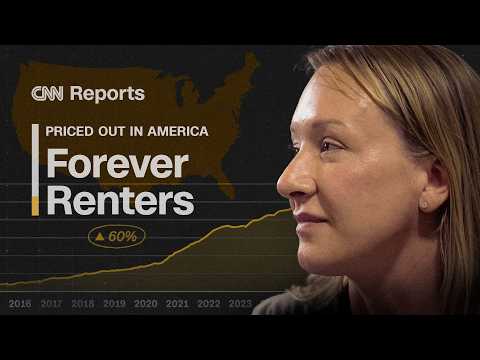
林宜悉 posted on 2026/07/20Ever wonder why buying a home feels impossible these days? This video dives deep into the housing affordability crisis hitting places like Cleveland, explaining how soaring rents and stagnant wages are making the dream of homeownership a distant reality for many. You'll pick up key phrases for discussing economic challenges and understand the real-world impact of these complex issues.
Learn this video on the APP!
The VoiceTube App has more in-depth practice for videos!