
adversarial
US /ˌædvɚˈsɛriəl/
UK /ˌædvəˈseəriəl/
- Adjective
- Involving opposition or disagreement
B2Moreadversary
US /ˈædvərseri/
UK /ˈædvəsəri/
- Countable Noun
- Opponent who want to fight you for some reason
B2Moreaid
US /ed/
UK /eɪd/
- Transitive Verb
- To help others and provide things
- Noun (Countable/Uncountable)
- Action of giving help to others
- Money or help given to those who need it
A2TOEICMoreanticipate
US /ænˈtɪsəˌpet/
UK /æn'tɪsɪpeɪt/
- Transitive Verb
- To expect or look ahead to something positively
- To be aware of something that might happen
B1TOEICMoreassembly
US /əˈsɛmbli/
UK /ə'semblɪ/
- Noun (Countable/Uncountable)
- Process of putting the parts of something together
- Group of people gathered for a purpose
B1TOEICMoreat least
US /æt list/
UK /æt li:st/
- Adverb
- As a minimum
- Not less than
- Phrase
- No less than; at the minimum
- Used to indicate that something is positive in a bad situation.
C2Moreattention
US /əˈtɛnʃən/
UK /əˈtenʃn/
- Noun (Countable/Uncountable)
- Taking notice of someone or something
- Noun
- (Soldiers) Standing with straight backs
A2TOEICMoreback then
US
UK
- Phrase
- At that time in the past.
A1Morebasically
US /ˈbesɪkəli,-kli/
UK /ˈbeɪsɪkli/
- Adverb
- Used before you explain something simply, clearly
- In essence; when you consider the most important aspects of something.
A2Morechallenge
US /ˈtʃæləndʒ/
UK /'tʃælɪndʒ/
- Noun (Countable/Uncountable)
- An activity you wish to try that may be hard to do
- Act of formally inviting someone to compete
- Transitive Verb
- To formally invite someone to compete at something
- To question the correctness of something
A2Morecome back
US /kʌm bæk/
UK /kʌm bæk/
- Phrasal Verb
- To reply to someone, often forcefully
- To be remembered
A1Morecome to power
US
UK
- Intransitive Verb
- To gain control of a country or organization.
A1Morecomplement
US /ˈkɑ:mplɪment/
UK /ˈkɒmplɪment/
- Transitive Verb
- To go with so as to make the whole complete
- To combine genetically to produce a normal phenotype.
- Noun
- (Linguistics) set of words completing a sentence
- Something needed to complete or make perfect
B1Moreconcentrate
US /ˈkɑnsənˌtret/
UK /'kɒnsntreɪt/
- Verb (Transitive/Intransitive)
- To cause to be present in large amount or number
- To pay great attention to a task; focus
- Noun (Countable/Uncountable)
- A substance made by removing water or other diluents; a concentrated form of something.
A2Morecontrast
US /ˈkɑ:ntræst/
UK /'kɒntrɑ:st/
- Verb (Transitive/Intransitive)
- To compare; to show clear, obvious differences
- Noun (Countable/Uncountable)
- Comparison that shows obvious differences
- Difference in light and dark in photos, etc.
A2Morecouple
US /ˈkʌpəl/
UK /'kʌpl/
- Transitive Verb
- To join something to something else
- (Two animals) to engage in sexual relations
- Noun (Countable/Uncountable)
- Two people in a romantic relationship
- Two of something; two people; a pair
A2Morecrisis
US /ˈkraɪsɪs/
UK /'kraɪsɪs/
- Noun (Countable/Uncountable)
- Unstable situation of extreme danger or difficulty
- A turning point in a disease.
B1Moredelegation
US /ˌdɛlɪˈɡeʃən/
UK /ˌdelɪˈgeɪʃn/
- Noun (Countable/Uncountable)
- A group of people sent as representatives
- Act of giving responsibilities to others
B2Moredemocratically
US /ˌdɛməˈkrætɪklɪ/
UK /ˌdemə'krætɪklɪ/
- Adverb
- In a democratic manner; based on democratic ideas
B2Moredeploy
US /dɪˈplɔɪ/
UK /dɪˈplɔɪ/
- Transitive Verb
- To put into position (often a military operation)
- To put something into use or action.
B1TOEICMoredisaster
US /dɪˈzæstɚ, -ˈsæs-/
UK /dɪ'zɑ:stə(r)/
- Noun (Countable/Uncountable)
- State of extreme ruin and misfortune
- A complete failure.
- Uncountable Noun
- A situation that has gone terribly wrong.
A2Moredistortion
US /dɪˈstɔrʃən/
UK /dɪ'stɔ:ʃn/
- Uncountable Noun
- Act of changing the shape, details, appearance of
- Act of exaggerating the truth or facts
B1Moredown with
US /daʊn wɪð/
UK /daun wið/
- Adjective
- Suffering from an illness.
- Agreeable to; in favor of.
- Interjection
- An expression of opposition to something.
A1Moreexcessively
US /ɪkˈsɛsɪvlɪ/
UK /ɪk'sesɪvlɪ/
- Adverb
- In a manner more than is necessary; too much
B2Moreexperiment
US /ɪkˈspɛrəmənt/
UK /ɪk'sperɪmənt/
- Noun (Countable/Uncountable)
- Test performed to assess new ideas or theories
- A course of action tentatively adopted without being sure of the eventual outcome.
- Verb (Transitive/Intransitive)
- To create and perform tests to research something
- To try something new that you haven't tried before
A2TOEICMoreextract
US /ɪkˈstrækt/
UK /'ekstrækt/
- Noun (Countable/Uncountable)
- Essential ingredient of a natural thing
- Part taken from a longer written work
- Transitive Verb
- To get a substance out of a plant, etc.
- To get a person to share secret information
B1TOEICMorefor example
US
UK
- Phrase
- As an illustration or instance.
for free
US /fɔr fri/
UK /fɔ: fri:/
- Phrase
- Without charge; at no cost.
- Adjective
- Available without payment.
A2Morehelp out
US /hɛlp aʊt/
UK /help aut/
- Phrasal Verb
- To assist someone
A1Morein fact
US /ɪn fækt/
UK /in fækt/
- Adverb
- Used to emphasize the truth of a statement, especially one that contrasts with or contradicts something else.
- Used to introduce a more detailed or surprising piece of information.
- Phrase
- Used to emphasize the truth of a statement, especially one that is surprising or contrary to what might be expected.
C1Morein need
US /ɪn nid/
UK /in ni:d/
- Phrase
- Not having the necessary things, such as food
A1Morein the middle of
US
UK
- Phrase
- In the central part or point of something.
- Engaged or occupied with something.
A2Morein the way
US /ɪn ði we/
UK /in ðə wei/
- Phrase
- Obstructing someone or something; hindering progress.
- Stored or placed so as to be available or ready when needed.
A1Moreinadequate
US /ɪnˈædɪkwɪt/
UK /ɪnˈædɪkwət/
- Adjective
- Unsatisfactory; not good enough; not enough
B1Morelift
US /lɪft/
UK /lɪft/
- Noun
- Picking someone up in a car and taking to a place
- Machine carrying people up or down to other floors
- Transitive Verb
- To stop or cancel something, such as a rule
- To move something to higher position
A2Morelook at
US /lʊk æt/
UK /luk æt/
- Phrasal Verb
- To use your eyes to focus on something
- To focus your eyes on something carefully
A1Moremanipulate
US /məˈnɪpjəˌlet/
UK /mə'nɪpjʊleɪt/
- Transitive Verb
- To try to control others to gain an advantage
- To handle or work in a skillful manner
B1Moreminimize
US /ˈmɪnəˌmaɪz/
UK /'mɪnɪmaɪz/
- Transitive Verb
- To make something seem small or less important
B1Morenaval
US /ˈnevəl/
UK /ˈneɪvl/
- Adjective
- Concerning a navy or ships used in war
B1Morenext to
US /nɛkst tu/
UK /nekst tu:/
- Preposition
- Being located along side another
- In comparison with
- Adverb
- Almost; nearly
A1Moreof course
US /ʌv kɔː(r)s/
UK /ɔv kɔː(r)s/
- Adverb
- Sure ; Certainly
- Phrase
- For sure; certainly
A2Moreon the ground
US
UK
- Phrase
- Located on the surface of the earth.
- Present and available in a particular place, especially to deal with a situation.
opposition
US /ˌɑ:pəˈzɪʃn/
UK /ˌɒpəˈzɪʃn/
- Uncountable Noun
- Act of disagreeing or trying to stop something
- Group that you are fighting or competing against
B1Moreoutreach
US /aʊtˈritʃ/
UK /'aʊtri:tʃ/
- Uncountable Noun
- Effort to help, educate, or inform those far away
C1Moreparadoxical
US /ˌpærə'dɒksɪkl/
UK /ˌpærə'dɒksɪkl/
- Adjective
- Seemingly contradictory but possibly true
B2Morepolitical
US /pəˈlɪtɪkəl/
UK /pəˈlɪtɪkl/
- Adjective
- Being active or interested in government matters
- Diplomatic
A2Moreproperty
US /ˈprɑpəti/
UK /'prɒpətɪ/
- Noun (Countable/Uncountable)
- Particular quality that someone or something has
- Buildings or piece of land owned by someone
A2TOEICMorerecognition
US /ˌrɛkəɡˈnɪʃən/
UK /ˌrekəgˈnɪʃn/
- Uncountable Noun
- Accepting that something is true or that it exists
- Considering something as important or special
B1TOEICMorereluctant
US /rɪˈlʌktənt/
UK /rɪˈlʌktənt/
- Adjective
- Experiencing or expressing unwillingness to do
- Showing doubt or unwillingness.
B1Moreresponse
US /rɪˈspɑns/
UK /riˈspɔns/
- Noun
- Something said/written as an answer to something
- Reaction to something that has occurred
A2TOEICMorerun in
US /rʌn ɪn/
UK /rʌn in/
- Phrasal Verb
- To arrest person and take them to police station
- To drive engine slowly until ready for normal use
A1Moresediment
US /ˈsɛdəmənt/
UK /ˈsedɪmənt/
- Uncountable Noun
- Material that settles to the bottom of a liquid
B2Moresit down
US /sit daʊn/
UK /sit daun/
- Phrasal Verb
- To take a seat
A1Moretask
US /tæsk/
UK /tɑ:sk/
- Noun (Countable/Uncountable)
- Big or small piece of work someone has to do
- Transitive Verb
- To be given something to do, e.g. wash dishes
A2TOEICMoreto some extent
US /tu sʌm ɪkˈstɛnt/
UK /tu: sʌm iksˈtent/
- Phrase
- Partially; not completely.
A1Moretoll
US /tol/
UK /təʊl/
- Noun (Countable/Uncountable)
- Sound that a big bell makes, when it is rung
- Number of people hurt or killed in a disaster
- Intransitive Verb
- (Bell) to ring in a slow, loud and repeated way
B2TOEICMoretransition
US /trænˈzɪʃən, -ˈsɪʃ-/
UK /trænˈzɪʃn/
- Noun
- Change from one state, movement, place to another
- Intransitive Verb
- To change state, movement, place, or subject
B1Moreused to
US /juzd tu/
UK /ˈju:st tə/
- Adjective
- Did regularly before, but don't do now
- Auxiliary Verb
- Have done before, but do not do now
A1Morewidespread
US /ˈwaɪdˈsprɛd/
UK /ˈwaɪdspred/
- Adjective
- Happening or existing in many places
A2TOEICMore
Vocabulary
- of course: Sure ; Certainly
- at least: As a minimum
- on the ground: Located on the surface of the earth.
- in fact: Used to emphasize the truth of a statement, especially one that contrasts with or contradicts something else.
- sit down: To take a seat
- down with: Suffering from an illness.
- in the middle of: In the central part or point of something.
- for free: Without charge; at no cost.
- used to: Did regularly before, but don't do now
- next to: Being located along side another
- in the way: Obstructing someone or something; hindering progress.
- in need: Not having the necessary things, such as food
- look at: To use your eyes to focus on something
- come to power: To gain control of a country or organization.
- help out: To assist someone
- for example: As an illustration or instance.
- run in: To arrest person and take them to police station
- come back: To reply to someone, often forcefully
- back then: At that time in the past.
- to some extent: Partially; not completely.
- sort: To organize things by putting them into groups
- situation: Place, position or area that something is in
- basically: Used before you explain something simply, clearly
- crisis: Unstable situation of extreme danger or difficulty
- experiment: Test performed to assess new ideas or theories
- manipulate: To try to control others to gain an advantage
- property: Particular quality that someone or something has
- concentrate: To cause to be present in large amount or number
- reluctant: Experiencing or expressing unwillingness to do
- political: Being active or interested in government matters
- toll: Sound that a big bell makes, when it is rung
- task: Big or small piece of work someone has to do
- state: Region within a country, with its own government
- disaster: State of extreme ruin and misfortune
- contrast: To compare; to show clear, obvious differences
- response: Something said/written as an answer to something
- recognition: Accepting that something is true or that it exists
- attention: Taking notice of someone or something
- anticipate: To expect or look ahead to something positively
- extract: Essential ingredient of a natural thing
- challenge: An activity you wish to try that may be hard to do
- widespread: Happening or existing in many places
- aid: To help others and provide things
- lift: Picking someone up in a car and taking to a place
- transition: Change from one state, movement, place to another
- couple: To join something to something else
- lead: Wire for electricity, computer, etc.; cable
- ground: To break (coffee, etc.) into tiny bits with machine
- strange: Unusual or odd; surprising because unexpected
- inadequate: Unsatisfactory; not good enough; not enough
- lot: What happens to a person in life from chance; fate
- kind: In a caring and helpful manner
- hit: To have a negative impact on a person/place/thing
- complement: To go with so as to make the whole complete
- order: Religious or social group, as of nuns
- fact: Something that is known or proved to be true
- build: Your physical shape; physique
- act: To behave in a certain way
- government: Group of people and system that rule a nation
- stand: To be a candidate in an election
- paradoxical: Seemingly contradictory but possibly true
- deploy: To put into position (often a military operation)
- assembly: Process of putting the parts of something together
- delegation: A group of people sent as representatives
- opposition: Act of disagreeing or trying to stop something
- minimize: To make something seem small or less important
- excessively: In a manner more than is necessary; too much
- adversary: Opponent who want to fight you for some reason
- naval: Concerning a navy or ships used in war
- distortion: Act of changing the shape, details, appearance of
- sediment: Material that settles to the bottom of a liquid
- outreach: Effort to help, educate, or inform those far away
- adversarial: Involving opposition or disagreement
- democratically: In a democratic manner; based on democratic ideas
Get the full experience in the app
Learn anywhere with detailed sentence and usage analysis
01:03
She took a brave step forward, leaving behind her comfort zone to chase her dreams.
Vocabulary
- brave
adj. Having courage
- comfort zone
phr. A familiar situation where one feels safe
Explanation
a brave step is a noun phrase, where brave is an adjective modifying the noun step, meaning "a courageous step".
forward is an adverb modifying step, meaning "ahead".
The whole phrase serves as the object, answering the "what" of took (verb) — she took a brave step forward.
Get the full experience in the app
Look up words anytime with pronunciation, part of speech, and usage
brave
US/brev/
UK/breɪv/
adj.Brave
v.t.To bravely face
A2 Elementary
Get the full experience in the app
Practice speaking anytime and get instant pronunciation feedback
Try this speaking exercise.
Try practicing with this sentence.
80
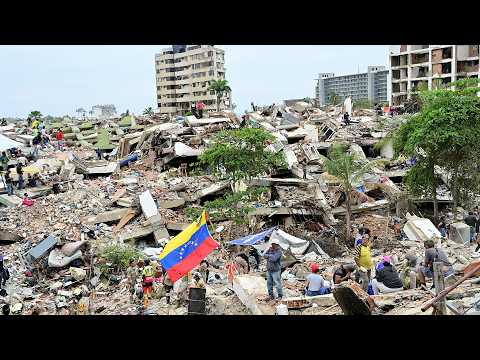
Earthquake Deepens Venezuela's Political Crisis
0
林宜悉 posted on 2026/07/18Did you know an earthquake recently hit Venezuela, deepening an already complex political crisis? This insightful discussion breaks down the devastating impact of the tremors, the challenges of recovery, and how international aid is navigating the country's unique political landscape. You'll gain a better understanding of the situation and pick up some key vocabulary for discussing international relations and disaster response.
Learn this video on the APP!
The VoiceTube App has more in-depth practice for videos!