
advocate
US /ˈædvəˌket/
UK /'ædvəkeɪt/
- Noun (Countable/Uncountable)
- A lawyer who protects a clients interests
- Person who supports a movement for changes
- Verb (Transitive/Intransitive)
- To request change
- To publicly support a belief
B1TOEICMorealive
US /əˈlaɪv/
UK /ə'laɪv/
- Adjective
- Living; not dead
- Active; energetic; full of life.
A2TOEICMoreambulance
US /ˈæmbjələns/
UK /ˈæmbjələns/
- Noun
- Vehicle equipped to transport sick, injured people
B1Morearrive at
US /əˈraɪv æt/
UK /əˈraiv æt/
- Phrasal Verb
- To reach a place, especially at the end of a journey.
- To reach a conclusion or decision after thinking about something.
A2Moreat risk
US
UK
- Phrase
- In danger; likely to be harmed
blanket
US /ˈblæŋkɪt/
UK /'blæŋkɪt/
- Countable Noun
- Piece of cloth you covers yourself with in bed
- Transitive Verb
- To cover something completely so it cannot be seen
A2TOEICMoreblock
US /blɑk/
UK /blɒk/
- Noun (Countable/Uncountable)
- Solid piece of material used for building
- A piece of wood, chocolate etc.
- Transitive Verb
- To stop from going forward or making progress
- To obstruct or prevent the movement or passage of.
A2Morecall for
US /kɔl fɔr/
UK /kɔ:l fɔ:/
- Phrasal Verb
- To demand, need or require (an action or thing)
- To come to someone's house to take them somewhere
A1Morecall in
US /kɔl ɪn/
UK /kɔ:l in/
- Phrasal Verb
- To ask others for help when in need
- To make a phone call to your office; to contact
A1Morecardiac
US /ˈkɑ:rdiæk/
UK /ˈkɑ:diæk/
- Adjective
- Concerning the heart
B2Moreclock in
US
UK
- Phrasal Verb
- To record the time of one's arrival at work, typically using a time clock.
A1Morecoherent
US /koˈhɪrənt, -ˈhɛr-/
UK /kəʊ'hɪərənt/
- Adjective
- (Of language, ideas) logical and well-organized
B1Morecommotion
US /kəˈmoʊʃn/
UK /kəˈməʊʃn/
- Uncountable Noun
- Sudden noisy excitement
C1Morecondition
US /kənˈdɪʃən/
UK /kənˈdɪʃn/
- Transitive Verb
- To improve something to make it better
- To cause to behave automatically in a certain way
- Noun (Countable/Uncountable)
- Disease or other medical problem
- The state of living you are in, e.g. good health
A2Moredeal with
US /dil wɪð/
UK /di:l wið/
- Verb (Transitive/Intransitive)
- To buy or sell goods or services.
- Phrasal Verb
- To take action to solve a problem or manage a situation.
- To be about; concern.
A1Moredemand
US /dɪˈmænd/
UK /dɪ'mɑ:nd/
- Noun (Countable/Uncountable)
- Desire customers have to buy product, service
- A strong request for someone to do something
- Transitive Verb
- To strongly request someone to do something
- To need something.
A2TOEICMorediagnose
US /ˌdaɪəgˈnoʊs/
UK /ˈdaɪəgnəʊz/
- Transitive Verb
- To determine the cause of an illness or problem
B1Moreelection
US /ɪˈlɛkʃən/
UK /ɪ'lekʃn/
- Noun
- Process of choosing someone by voting
B1TOEICMoreemergency
US /ɪˈmɚdʒənsi/
UK /ɪ'mɜ:dʒənsɪ/
- Noun (Countable/Uncountable)
- Sudden event needing an immediate action
- A medical condition manifesting itself by acute symptoms of sufficient severity such that the absence of immediate medical attention could reasonably be expected to result in placing the patient's health in serious jeopardy.
- Adjective
- Used in an emergency; for use when something dangerous happens.
- Designed for use in an emergency.
A2TOEICMorefigure out
US /ˈfɪɡjɚ aʊt/
UK /ˈfiɡə aut/
- Phrasal Verb
- To understand the behavior of someone
- To think through logically to find a solution
- Verb (Transitive/Intransitive)
- To understand or find an answer to something.
- To find a solution to a problem or understand something.
A1Morefor someone
US /fɚ ˈsʌmwʌn/
UK /fə ˈsʌmwʌn/
- other
- On behalf of or intended for a particular person.
A1Morefrankly
US /ˈfræŋkli/
UK /ˈfræŋkli/
- Adverb
- Speaking honestly and directly
- Used to express disagreement or mild disapproval.
B2Moregoing on
US /ˈɡoɪŋ ɑn/
UK /ˈgəʊɪŋ ɔn/
- Phrasal Verb
- To continue doing something
- To happen (usually negative)
A1Moregot to
US /ɡɑt tu/
UK /gɔt tu:/
- Verb (Transitive/Intransitive)
- To arrive at some place
- To have the opportunity or permission to do something
- Phrasal Verb
- To appeal to the emotions of; move
- To finally begin to start something after a delay
A1Morehave at
US
UK
- Phrasal Verb
- To attack someone or something.
- To begin doing something with enthusiasm.
A1Morehave to
US /hæv tu/
UK /ˈhæv tə/
- Auxiliary Verb
- Must do
A1Morehospitalization
US /ˌhɑspɪtlɪˈzeʃən/
UK /ˌhɒspɪtəlaɪ'zeɪʃn/
- Uncountable Noun
- Period of time when you are confined to a hospital
B1Morein progress
US /ɪn ˈprɑɡˌrɛs/
UK /in ˈprəuɡres/
- Adjective
- Currently taking place or being done; not yet completed.
- Phrase
- In the course of being done or carried out.
B1Morein public
US /ɪn ˈpʌblɪk/
UK /in ˈpʌblik/
- Phrase
- In a place where anyone can see or hear you.
- Adjective
- Relating to the government or the people as a whole.
B1Morein the dark
US /ɪn ði dɑrk/
UK /in ðə dɑ:k/
- Adjective
- Uninformed about something; unaware.
- Phrase
- In a state of secrecy or ignorance.
- In a place with little or no light.
A1Morein the end
US /ɪn ði ɛnd/
UK /in ðə end/
- Phrase
- Finally; after a period of time or series of events.
- Ultimately; as the final result or consequence.
A1Morein the hospital
US /ɪn ðə ˈhɑspɪtəl/
UK /in ðə ˈhɒspɪtəl/
- Preposition
- Located inside a hospital receiving medical care.
A1Morein the house
US
UK
- Phrase
- Located inside a building used as a dwelling.
- Within a legislative body, such as a parliament or congress.
A1Morein the past
US
UK
- Phrase
- During a former period of time; previously.
A1Moreinitiate
US /ɪˈnɪʃ.i.eɪt/
UK /ɪˈnɪʃ.i.eɪt/
- Transitive Verb
- To cause something to begin
- To allow someone into a group by a special ceremony
- Noun
- A person who has been initiated into an organization or activity.
A2TOEICMorekept in the dark
US /kɛpt ɪn ðə dɑrk/
UK /kept ɪn ðə dɑ:k/
- other
- Not to be given information or knowledge about something.
B2Morelegislation
US /ˌlɛdʒɪˈsleʃən/
UK /ˌledʒɪsˈleɪʃn/
- Uncountable Noun
- Act or process of writing and passing laws
B1Morelook at
US /lʊk æt/
UK /luk æt/
- Phrasal Verb
- To use your eyes to focus on something
- To focus your eyes on something carefully
A1Moreneighbor
US /ˈnebɚ/
UK /'neɪbə/
- Noun (Countable/Uncountable)
- Person who lives, or is near, you
- A country or area next to another.
- Adjective
- Situated near or next to something.
B1Morenext to
US /nɛkst tu/
UK /nekst tu:/
- Preposition
- Being located along side another
- In comparison with
- Adverb
- Almost; nearly
A1Moreobtain
US /əbˈtein/
UK /əbˈteɪn/
- Transitive Verb
- To be given or to earn something through efforts
- To get something through your efforts
A2TOEICMoreof age
US /əv eɪdʒ/
UK /əv eɪdʒ/
- other
- Having reached the legal age of adulthood.
A2Moreof old
US /ʌv oʊld/
UK /əv əuld/
- other
- From a long time ago; in the past.
B2Moreoff of
US /ɔf ʌv/
UK /ɔf ɔv/
- Preposition
- From a position on something; down from.
A1Moreon camera
US /ɑn ˈkæmərə/
UK /ɔn ˈkæmərə/
- Adverb
- While being filmed or recorded.
- Adjective
- Having qualities that make one appear good or effective when filmed.
A1Moreon the street
US /ɑn ði strit/
UK /ɔn ðə stri:t/
- Phrase
- Located on or along a public road in a town or city.
- Available or circulating, especially illegally or unofficially.
A1Moreowe
US /o/
UK /əʊ/
- Transitive Verb
- To need to do something in return for a favor etc.
- To credit someone or thing for making it possible
A2TOEICMorepatient
US /ˈpeʃənt/
UK /'peɪʃnt/
- Adjective
- Not getting annoyed when things take a long time
- Bearing or enduring pain or trials without complaint; exhibiting forbearance.
- Countable Noun
- Person who receives medical treatment or care
A2Morepersonal
US /ˈpɚsənəl/
UK /ˈpɜ:sənl/
- Adjective
- Done by or to a particular person; individual
- Concerning a person's private life or feelings
A2Morepolitical
US /pəˈlɪtɪkəl/
UK /pəˈlɪtɪkl/
- Adjective
- Being active or interested in government matters
- Diplomatic
A2Moreprivacy
US /ˈpraɪvəsi/
UK /ˈprɪvəsi/
- Uncountable Noun
- State of being hidden from the presence of others
B2TOEICMoreprogress
US /ˈprɑɡˌrɛs, -rəs, ˈproˌɡrɛs/
UK /'prəʊɡres/
- Verb (Transitive/Intransitive)
- To move forward or toward a place or goal
- To make progress; develop or improve.
- Uncountable Noun
- Act of moving forward
- The process of improving or developing something over a period of time.
A2TOEICMorepublic life
US /ˈpʌblɪk laɪf/
UK /ˈpʌblik laif/
- Noun
- The aspect of a person's life that concerns their involvement in public affairs, especially as a politician or other figure known to the general public.
- The state of being exposed to general public attention or knowledge.
A1Morerather than
US
UK
- Adverb
- More exactly; more correctly
- Preferably; instead
- Preposition
- Instead of
A1Moresenate
US /ˈsɛnɪt/
UK /'senət/
- Noun
- A board of governors at a college or university
B2Moresenator
US /ˈsɛnətɚ/
UK /ˈsenətə(r)/
- Noun
- An elected politician belonging to the senate
B2Morespeculate
US /ˈspɛkjəˌlet/
UK /ˈspekjuleɪt/
- Intransitive Verb
- To take risks that might lead to big profits
- Verb (Transitive/Intransitive)
- To predict or guess what is possible or likely
B2Morestay in
US /ste ɪn/
UK /stei in/
- Phrasal Verb
- To remain inside one's home.
- Intransitive Verb
- To remain as an inpatient in a hospital.
step aside
US /stɛp əˈsaɪd/
UK /step əˈsaid/
- Phrasal Verb
- To move to the side to allow someone to pass.
- To give up a job or position, often to allow someone else to take it.
B1Morestep down
US /stɛp daʊn/
UK /step daun/
- Phrasal Verb
- To reduce the amount of something
- To resign
- Transitive Verb
- To reduce the voltage of an electrical current.
A1Morestrike
US /straɪk/
UK /straɪk/
- Transitive Verb
- To hit something
- To remove or erase.
- Noun (Countable/Uncountable)
- A punch or hit
- Fact of not hitting the ball when playing baseball
A2TOEICMoretalking about
US
UK
- Phrasal Verb
- To discuss a particular topic.
- To be constantly mentioning or bringing up a subject.
A1Moretemporarily
US /tempəˈrerɪlɪ/
UK /tempəˈrerɪlɪ/
- Adverb
- For a limited amount of time
- In a way that is not intended to be permanent or lasting
A2Moretransparency
US /trænsˈpɛrənsi, -ˈpær-/
UK /trænsˈpærənsi/
- Uncountable Noun
- Quality of being open to see/to public criticism
- Fact of being able to be seen through
- Noun
- A picture or design printed on clear plastic or glass that can be shown on a screen by shining light through it.
- A photographic positive image on transparent material.
B2Moreunconscious
US /ʌnˈkɑnʃəs/
UK /ʌnˈkɒnʃəs/
- Adjective
- Not aware of what is going on around you
- Not being deliberate or on purpose
- Uncountable Noun
- The part of the mind that contains thoughts and feelings that one is not aware of.
B1Moreup until now
US
UK
- Phrase
- Until the present time; so far.
A1Morewake up
US /wek ʌp/
UK /weik ʌp/
- Phrasal Verb
- To stop sleeping
- To become fully aware and alert to a situation.
A1More
Vocabulary
- in progress: Currently taking place or being done; not yet completed.
- in the hospital: Located inside a hospital receiving medical care.
- have to: Must do
- on the street: Located on or along a public road in a town or city.
- going on: To continue doing something
- talking about: To discuss a particular topic.
- figure out: To understand the behavior of someone
- clock in: To record the time of one's arrival at work, typically using a time clock.
- next to: Being located along side another
- off of: From a position on something; down from.
- on camera: While being filmed or recorded.
- arrive at: To reach a place, especially at the end of a journey.
- in the house: Located inside a building used as a dwelling.
- up until now: Until the present time; so far.
- public life: The aspect of a person's life that concerns their involvement in public affairs, especially as a politician or other figure known to the general public.
- in the past: During a former period of time; previously.
- in public: In a place where anyone can see or hear you.
- have at: To attack someone or something.
- stay in: To remain inside one's home.
- rather than: More exactly; more correctly
- at risk: In danger; likely to be harmed
- kept in the dark: Not to be given information or knowledge about something.
- in the dark: Uninformed about something; unaware.
- call for: To demand, need or require (an action or thing)
- step aside: To move to the side to allow someone to pass.
- look at: To use your eyes to focus on something
- of age: Having reached the legal age of adulthood.
- step down: To reduce the amount of something
- deal with
- call in: To ask others for help when in need
- got to: To arrive at some place
- for someone: On behalf of or intended for a particular person.
- in the end: Finally; after a period of time or series of events.
- of old: From a long time ago; in the past.
- wake up: To stop sleeping
- progress: To move forward or toward a place or goal
- matter: To be of great importance; to count
- term: Conditions applying to an agreement, contract
- experience: Thing a person has done or that happened to them
- expect: To believe something is probably going to happen
- strike: To hit something
- unconscious: Not aware of what is going on around you
- demand: Desire customers have to buy product, service
- frankly: Speaking honestly and directly
- advocate: A lawyer who protects a clients interests
- political: Being active or interested in government matters
- condition: To improve something to make it better
- state: Region within a country, with its own government
- decision: Choice made after thinking; final judgment
- initiate: To cause something to begin
- suddenly: In an unexpected or very quick manner
- temporarily: For a limited amount of time
- pretty: Being attractive to the eye in a simple way
- reason: To think and make conclusions in a logical manner
- privacy: State of being hidden from the presence of others
- lead: Wire for electricity, computer, etc.; cable
- emergency: Sudden event needing an immediate action
- patient: Not getting annoyed when things take a long time
- fall: Season after summer and before winter; Autumn
- speculate: To take risks that might lead to big profits
- lot: What happens to a person in life from chance; fate
- diagnose: To determine the cause of an illness or problem
- blanket: Piece of cloth you covers yourself with in bed
- arrest: To attract someone's attention and hold interest
- legislation: Act or process of writing and passing laws
- cardiac: Concerning the heart
- owe: To need to do something in return for a favor etc.
- kind: In a caring and helpful manner
- obtain: To be given or to earn something through efforts
- personal: Done by or to a particular person; individual
- fact: Something that is known or proved to be true
- block: Solid piece of material used for building
- election: Process of choosing someone by voting
- alive: Living; not dead
- senate: A board of governors at a college or university
- coherent: (Of language, ideas) logical and well-organized
- transparency: Quality of being open to see/to public criticism
- senator: An elected politician belonging to the senate
- commotion: Sudden noisy excitement
- ambulance: Vehicle equipped to transport sick, injured people
- neighbor: Person who lives, or is near, you
- hospitalization: Period of time when you are confined to a hospital
Get the full experience in the app
Learn anywhere with detailed sentence and usage analysis
01:03
She took a brave step forward, leaving behind her comfort zone to chase her dreams.
Vocabulary
- brave
adj. Having courage
- comfort zone
phr. A familiar situation where one feels safe
Explanation
a brave step is a noun phrase, where brave is an adjective modifying the noun step, meaning "a courageous step".
forward is an adverb modifying step, meaning "ahead".
The whole phrase serves as the object, answering the "what" of took (verb) — she took a brave step forward.
Get the full experience in the app
Look up words anytime with pronunciation, part of speech, and usage
brave
US/brev/
UK/breɪv/
adj.Brave
v.t.To bravely face
A2 Elementary
Get the full experience in the app
Practice speaking anytime and get instant pronunciation feedback
Try this speaking exercise.
Try practicing with this sentence.
80
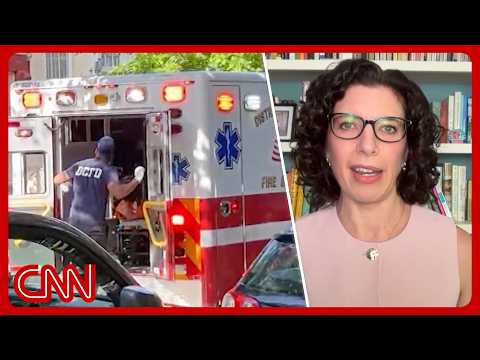
ER doctor reacts to Mitch McConnell ambulance video
0
林宜悉 posted on 2026/07/10Ever wondered what really happened with Senator Mitch McConnell's recent health incident? This video features an ER doctor breaking down the medical emergency, discussing potential causes, and explaining why the responders' actions in the video might seem unusual. You'll pick up key medical vocabulary and phrases that help describe emergency situations.
Learn this video on the APP!
The VoiceTube App has more in-depth practice for videos!