
applicable
US /ˈæplɪkəbəl, əˈplɪkə-/
UK /əˈplɪkəbl/
- Adjective
- Being appropriate to or suitable for something
B1Morearticulate
US /ɑ:rˈtɪkjuleɪt/
UK /ɑ:ˈtɪkjuleɪt/
- Transitive Verb
- To express something clearly using language
- Adjective
- Having or showing the ability to speak fluently and coherently.
B2TOEICMoreartificial
US /ˌɑrtəˈfɪʃəl/
UK /ˌɑ:tɪ'fɪʃl/
- Adjective
- Dishonest, to seem fake, not sincere
- (Something) made by people; not created by nature
B1TOEICMoreat least
US /æt list/
UK /æt li:st/
- Adverb
- As a minimum
- Not less than
- Phrase
- No less than; at the minimum
- Used to indicate that something is positive in a bad situation.
C2Morebet
US /bet/
UK /bet/
- Verb (Transitive/Intransitive)
- To gamble money to win more money, e.g. on horses
- Used to express certainty or confidence
- Countable Noun
- Act of gambling money on the result of a race etc.
A2Morebullish
US /ˈbʊlɪʃ/
UK /ˈbʊlɪʃ/
- Adjective
- Expecting a rise in prices
B1Moreby accident
US /baɪ ˈæksɪdənt/
UK /bai ˈæksidənt/
- Phrase
- Without intending to; unintentionally.
come up with
US /kʌm ʌp wɪð/
UK /kʌm ʌp wið/
- Phrasal Verb
- To think of an idea or solution; produce
A1Morecomplicate
US /ˈkɑ:mplɪkeɪt/
UK /ˈkɒmplɪkeɪt/
- Transitive Verb
- To make more difficult to do, understand or use
B1Moreconsistent
US /kənˈsɪstənt/
UK /kənˈsɪstənt/
- Adjective
- Agreeing with or being similar to another part
- In agreement; reliable
A2Moreconsume
US /kənˈsum/
UK /kən'sju:m/
- Transitive Verb
- To eat, drink, buy or use up something
- To take all your energy; focus the attention
A2TOEICMoreconvince
US /kənˈvɪns/
UK /kən'vɪns/
- Transitive Verb
- To persuade someone, or make them feel sure
A2TOEICMorecrisis
US /ˈkraɪsɪs/
UK /'kraɪsɪs/
- Noun (Countable/Uncountable)
- Unstable situation of extreme danger or difficulty
- A turning point in a disease.
B1Moredatum
US /ˈdetəm, ˈdætəm, ˈdɑtəm/
UK /ˈdeɪtəm/
- Noun
- Item of factual information
B1Moredefinition
US /ˌdɛfəˈnɪʃən/
UK /ˌdefɪˈnɪʃn/
- Noun (Countable/Uncountable)
- Explanation of word's meaning, as in dictionaries
- The sharpness of an image on a screen
A2TOEICMoredetermine
US /dɪˈtɚmɪn/
UK /dɪ'tɜ:mɪn/
- Transitive Verb
- To control exactly how something will be or act
- To establish the facts about; discover
A2TOEICMoredevil
US /ˈdɛvəl/
UK /ˈdevl/
- Noun (Countable/Uncountable)
- A spirit said to be evil
- A very bad or cruel person.
- Transitive Verb
- To prepare (food) with hot or spicy seasonings.
B1Moredisproportionately
US /ˌdɪsprə'pɔ:ʃənətlɪ/
UK /ˌdɪsprə'pɔ:ʃənətlɪ/
- Adverb
- To too great a degree when compared to something
- To an excessive degree; in a way that is not properly balanced.
B2Moredot
US /dɑt/
UK /dɒt/
- Transitive Verb
- To place small amounts/things in various places
- To mark something by placing a small, round spot
- Noun
- Small round mark
B1TOEICMoreefficient
US /ɪˈfɪʃənt/
UK /ɪˈfɪʃnt/
- Adjective
- Able to produce results without waste
- Capable of producing desired results with little or no waste (of time, energy, or other resources).
A2TOEICMorefigure out
US /ˈfɪɡjɚ aʊt/
UK /ˈfiɡə aut/
- Phrasal Verb
- To understand the behavior of someone
- To think through logically to find a solution
- Verb (Transitive/Intransitive)
- To understand or find an answer to something.
- To find a solution to a problem or understand something.
A1Morefinancial
US /faɪˈnænʃ(ə)l/
UK /faɪˈnænʃl/
- Adjective
- Involving money
- Relating to investments.
- Countable Noun
- A person who provides advice on financial matters.
A2TOEICMorefor instance
US /fɔr ˈɪnstəns/
UK /fɔ: ˈinstəns/
- Adverb
- As an example.
- Phrase
- As an example.
- As an illustration or case in point
B1Moreforce in
US /fɔrs ɪn/
UK /fɔ:rs ɪn/
- other
- To enter a place by applying physical force.
B2Morego out
US /ɡo aʊt/
UK /ɡəu aut/
- Phrase
- To leave a building (e.g. a house)
- Phrasal Verb
- (Of a fire) to burn out; be extinguished
- Go out of fashion to stop being fashionable
A1Moregoing on
US /ˈɡoɪŋ ɑn/
UK /ˈgəʊɪŋ ɔn/
- Phrasal Verb
- To continue doing something
- To happen (usually negative)
A1Moregreatness
US /ˈɡretnɪs/
UK /ɡreɪtnəs/
- Uncountable Noun
- Property of outstanding importance or eminence
B2Morehave to
US /hæv tu/
UK /ˈhæv tə/
- Auxiliary Verb
- Must do
A1Moreignore
US /ɪɡˈnɔr, -ˈnor/
UK /ɪɡ'nɔ:(r)/
- Transitive Verb
- To not listen to, look at, or pay attention to
A2TOEICMorein business
US /ɪn ˈbɪznɪs/
UK /in ˈbiznis/
- Phrase
- Actively operating as a commercial enterprise.
- Having a commercial partnership or association.
A1Morein the business of
US /ɪn ðə ˈbɪznəs ʌv/
UK /in ðə ˈbiznis ɔv/
- other
- Engaged in a particular commercial activity or profession.
B2Morein the field
US
UK
- Phrase
- Working or doing research in a real-world environment, not in a classroom or laboratory.
- Located on the playing area of a sports ground.
A1Morein the long run
US
UK
- Phrase
- Eventually; over a long period of time.
A1Moreinflation
US /ɪnˈfleʃən/
UK /ɪn'fleɪʃn/
- Noun (Countable/Uncountable)
- Act of filling something with air or gas
- Continual rise in the prices of products
B1TOEICMoreinside of
US /ɪnˈsaɪd ʌv/
UK /inˈsaid ɔv/
- Preposition
- Within; in the inner part of.
- Within a certain period of time.
A1Moreinstance
US /ˈɪnstəns/
UK /'ɪnstəns/
- Noun (Countable/Uncountable)
- An example of something; case
- An occurrence of something.
- Transitive Verb
- To give as an example of something else
A2TOEICMoreintelligence
US /ɪnˈtɛlədʒəns/
UK /ɪn'telɪdʒəns/
- Uncountable Noun
- Collection of secret information about something
- Ability to learn things or to consider situations
- Adjective
- Of the spying services; acting in secrecy
A2TOEICMoreknock down
US /nɑk daʊn/
UK /nɔk daun/
- Phrasal Verb
- To hit something so it falls down
A2Morelook at
US /lʊk æt/
UK /luk æt/
- Phrasal Verb
- To use your eyes to focus on something
- To focus your eyes on something carefully
A1Moremonetary
US /ˈmɑnɪˌtɛri, ˈmʌn-/
UK /ˈmʌnɪtri/
- Adjective
- Concerning a country's economic system
- Relating to money or currency.
B2TOEICMoremortgage
US /ˈmɔrɡɪdʒ/
UK /'mɔ:ɡɪdʒ/
- Noun (Countable/Uncountable)
- Long-term loan from a bank for buying property
- A legal agreement in which you borrow money in order to buy a house using the house as a guarantee
- Transitive Verb
- To borrow money to buy a house, giving the lender the right to take ownership of the property if you cannot pay the debt
B1TOEICMoreof course
US /ʌv kɔː(r)s/
UK /ɔv kɔː(r)s/
- Adverb
- Sure ; Certainly
- Phrase
- For sure; certainly
A2Moreout of step
US
UK
- Adjective
- Not moving with the same rhythm or pace as others.
- Not sharing the same opinions or ideas as others; not in accordance with current trends or thinking.
- Phrase
- Not in harmony or agreement with.
A1Moreout there
US /aʊt ðɛr/
UK /aut ðɛə/
- Adverb
- In or to a place that is far away
- Existing in the universe
- Adjective
- Unconventional; strange; avant-garde
- Existing or available.
A1Moreplot
US /plɑt/
UK /plɒt/
- Countable Noun
- Small piece of land for a house growing crops etc.
- Series of events that form the main story
- Transitive Verb
- To mark a path, etc. on a map, using lines or dots
- To devise or develop a dramatic storyline
B1Moreproductive
US /prəˈdʌktɪv, pro-/
UK /prəˈdʌktɪv/
- Adjective
- Producing things in large quantities; fertile
- Doing a lot of work and achieving a lot
B1Morerid
US /rɪd/
UK /rɪd/
- Transitive Verb
- To cause to no longer have (pest, problem)
- Adjective
- Freed or delivered from something.
A2Morerough
US /rʌf/
UK /rʌf/
- Adjective
- Causing or involving violence, force, and harm
- (Of situations) tough; difficult to get through
- Adverb
- In a manner that is difficult, or violent
A2Moreseek out
US /sik aʊt/
UK /si:k aut/
- Phrasal Verb
- To look for and find someone or something, especially when it is not easy to find.
B2Moreset up
US /sɛt ʌp/
UK /set ʌp/
- Phrasal Verb
- To make arrangements for something; establish
- Verb (Transitive/Intransitive)
- To arrange or prepare something for use.
- To start a business, organization, etc.
A1Morestimulate
US /ˈstɪmjəˌlet/
UK /'stɪmjʊleɪt/
- Transitive Verb
- To arouse or excite emotionally
B1Morestructure
US /ˈstrʌk.tʃɚ/
UK /ˈstrʌk.tʃə/
- Noun (Countable/Uncountable)
- The way in which the parts of a system or object are arranged or organized, or a system arranged in this way
- A building or other man-made object.
- Transitive Verb
- To plan, organize, or arrange the parts of something
A2TOEICMoresubstantially
US /səbˈstænʃəlɪ/
UK /səbˈstænʃəli/
- Adverb
- In a basic, general manner
- To a very large, significant degree
C2Moreswag
US /swæɡ/
UK /swæg/
- Noun
- Australian sack/bundle containing your possessions
C1Moretask
US /tæsk/
UK /tɑ:sk/
- Noun (Countable/Uncountable)
- Big or small piece of work someone has to do
- Transitive Verb
- To be given something to do, e.g. wash dishes
A2TOEICMoreunderlie
US /ˌʌndərˈlaɪ/
UK /ˌʌndəˈlaɪ/
- Verb (Transitive/Intransitive)
- To be the basis, foundation or cause of something
- To lie or exist beneath
B1Moreused to
US /juzd tu/
UK /ˈju:st tə/
- Adjective
- Did regularly before, but don't do now
- Auxiliary Verb
- Have done before, but do not do now
A1Morevisible
US /ˈvɪzəbəl/
UK /ˈvɪzəbl/
- Adjective
- Can see, easily seen or understood
B1TOEICMore
Vocabulary
- out there: In or to a place that is far away
- look at: To use your eyes to focus on something
- going on: To continue doing something
- used to: Did regularly before, but don't do now
- force in: To enter a place by applying physical force.
- in business: Actively operating as a commercial enterprise.
- inside of: Within; in the inner part of.
- seek out: To look for and find someone or something, especially when it is not easy to find.
- come up with: To think of an idea or solution; produce
- in the long run: Eventually; over a long period of time.
- by accident: Without intending to; unintentionally.
- in the field: Working or doing research in a real-world environment, not in a classroom or laboratory.
- out of step: Not moving with the same rhythm or pace as others.
- knock down: To hit something so it falls down
- go out: To leave a building (e.g. a house)
- have to: Must do
- set up
- at least: As a minimum
- in the business of: Engaged in a particular commercial activity or profession.
- figure out: To understand the behavior of someone
- for instance: As an example.
- of course: Sure ; Certainly
- sort: To organize things by putting them into groups
- articulate: To express something clearly using language
- term: Conditions applying to an agreement, contract
- crisis: Unstable situation of extreme danger or difficulty
- determine: To control exactly how something will be or act
- structure: The way in which the parts of a system or object are arranged or organized, or a system arranged in this way
- consistent: Agreeing with or being similar to another part
- instance: An example of something; case
- force: Group of persons trained for military action; army
- artificial: Dishonest, to seem fake, not sincere
- intelligence: Collection of secret information about something
- convince: To persuade someone, or make them feel sure
- consume: To eat, drink, buy or use up something
- rid: To cause to no longer have (pest, problem)
- productive: Producing things in large quantities; fertile
- measure: Plan to achieve a desired result
- mortgage: Long-term loan from a bank for buying property
- bet: To gamble money to win more money, e.g. on horses
- bit: Device put in a horse's mouth to control it
- financial: Involving money
- definition: Explanation of word's meaning, as in dictionaries
- stimulate: To arouse or excite emotionally
- efficient: Able to produce results without waste
- task: Big or small piece of work someone has to do
- ignore: To not listen to, look at, or pay attention to
- inflation: Act of filling something with air or gas
- plot: Small piece of land for a house growing crops etc.
- rough: Causing or involving violence, force, and harm
- reason: To think and make conclusions in a logical manner
- rest: Time when one relaxes, sleeps, or is inactive
- interest: Best or most advantageous thing for someone
- rate: To assess something or consider its qualities
- economy: Using money, resources in a careful, effective way
- monetary: Concerning a country's economic system
- complicate: To make more difficult to do, understand or use
- important: Having power or authority
- visible: Can see, easily seen or understood
- substantially: In a basic, general manner
- accident: Sudden unplanned event causing damage, injury etc.
- argue: To fight or disagree over something
- greatness: Property of outstanding importance or eminence
- change: To exchange one set of clothes for another
- business: A company formed for making profit
- applicable: Being appropriate to or suitable for something
- disproportionately: To too great a degree when compared to something
- dot: To place small amounts/things in various places
- datum: Item of factual information
- underlie: To be the basis, foundation or cause of something
- swag: Australian sack/bundle containing your possessions
- devil: A spirit said to be evil
- bullish: Expecting a rise in prices
Get the full experience in the app
Learn anywhere with detailed sentence and usage analysis
01:03
She took a brave step forward, leaving behind her comfort zone to chase her dreams.
Vocabulary
- brave
adj. Having courage
- comfort zone
phr. A familiar situation where one feels safe
Explanation
a brave step is a noun phrase, where brave is an adjective modifying the noun step, meaning "a courageous step".
forward is an adverb modifying step, meaning "ahead".
The whole phrase serves as the object, answering the "what" of took (verb) — she took a brave step forward.
Get the full experience in the app
Look up words anytime with pronunciation, part of speech, and usage
brave
US/brev/
UK/breɪv/
adj.Brave
v.t.To bravely face
A2 Elementary
Get the full experience in the app
Practice speaking anytime and get instant pronunciation feedback
Try this speaking exercise.
Try practicing with this sentence.
80
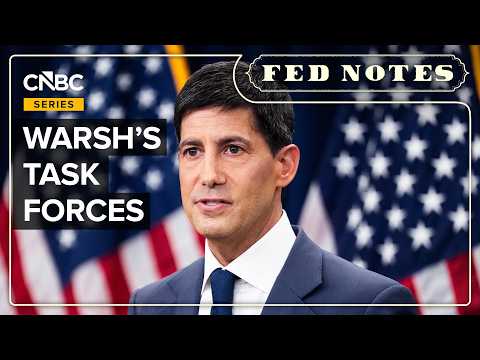
How Warsh's Task Forces Will Reshape The Federal Reserve
0
林宜悉 posted on 2026/07/09Ever wonder how the Federal Reserve makes big decisions? This video dives into Kevin Warsh's innovative plan to reshape the Fed using task forces, exploring his views on AI's impact on interest rates and the need for better economic data. You'll pick up key phrases about monetary policy, inflation, and the Fed's balance sheet that are super relevant for understanding today's economy!
Learn this video on the APP!
The VoiceTube App has more in-depth practice for videos!