
accommodation
US /əˌkɑməˈdeʃən/
UK /əˌkɒmə'deɪʃn/
- Uncountable Noun
- Adapting to become better at handling situations
- Consideration of the needs and opinions of others
B1TOEICMorealive
US /əˈlaɪv/
UK /ə'laɪv/
- Adjective
- Living; not dead
- Active; energetic; full of life.
A2TOEICMoreapproximately
US /əˈprɑksəmɪtlɪ/
UK /əˈprɒksɪmətli/
- Adverb
- Around; nearly; almost; about (a number)
A2TOEICMorearound the world
US /əˈraʊnd ði wɜrld/
UK /əˈraund ðə wɜː(r)ld/
- Phrase
- In or to many countries.
- In various places throughout the world.
A2Moreas long as
US /æz lɔŋ æz/
UK /æz lɔŋ æz/
- Conjunction
- For the period that; provided that.
- For the length of time that
- Preposition
- On the condition that; providing that.
- Having the same length as.
A1Moreat home
US /æt hom/
UK /æt həum/
- Phrase
- In one's own residence or country.
- Adjective
- Feeling comfortable and relaxed.
baby
US /ˈbeɪbi/
UK /ˈbeɪbi/
- Countable Noun
- A very young child, who cannot yet speak
- Transitive Verb
- To treat someone as if they were newly born
A2Moreback to work
US
UK
- Phrase
- Returning to one's job or professional duties after a period of absence.
- Interjection
- An expression used to urge or remind people to resume working.
A1Morebasement
US /ˈbesmənt/
UK /ˈbeɪsmənt/
- Noun
- Floor or room in a building beneath the ground
B1Morebooth
US /bu:θ/
UK /bu:ð/
- Noun (Countable/Uncountable)
- Small area where someone does something privately
- Covered stand used for selling or displaying goods
B2Morecare for
US /kɛr fɔr/
UK /kɛə fɔ:/
- Phrasal Verb
- To want or desire a thing
- To look after someone who is ill, old, or very young.
A1Morecare of
US /kɛr ʌv/
UK /kɛə ɔv/
- Preposition
- Used in an address to indicate the person who will receive the mail for someone else.
A2Morecarry on
US /ˈkæri ɑn/
UK /ˈkæri ɔn/
- Phrasal Verb
- To engage in an activity, e.g. a conversation
- To continue or keep doing something
- Verb (Transitive/Intransitive)
- To continue doing something
A1Morecling
US /klɪŋ/
UK /klɪŋ/
- Intransitive Verb
- To be dependent on
- Verb (Transitive/Intransitive)
- To stick or be attached to
B1TOEICMoreclock in
US
UK
- Phrasal Verb
- To record the time of one's arrival at work, typically using a time clock.
A1Morecoastline
US /ˈkoʊstlaɪn/
UK /ˈkəʊstlaɪn/
- Noun
- Area of sea alongside the land in an area
C1Morecome from
US /kʌm frʌm/
UK /kʌm frɔm/
- Phrasal Verb
- To have as your native country or city
A1Morecoordinate
US /ko'ɔrdəˈnet/
UK /kəʊ'ɔ:dɪneɪt/
- Transitive Verb
- To match styles or colors that go well together
- To cause body parts to move smoothly together
- Noun
- Point on a map defining a location e.g. 135N, 34W
- A matching set of clothes.
B1Morecradle
US /ˈkredl/
UK /ˈkreɪdl/
- Countable Noun
- Small bed for a baby, with rockers and sides
- Transitive Verb
- To hold (a child) protectively in your arms
B2Morecramp
US /kræmp/
UK /kræmp/
- Noun
- Sharp, unexpected pain when a muscle becomes tight
- Intransitive Verb
- To get a sudden sharp pain when muscle tightens
B2Moredebris
US /dəˈbri, de-, ˈdeˌbri/
UK /dəˈbri:, deɪ-, ˈdeɪˌbri:/
- Uncountable Noun
- Remains of something broken or destroyed
- Accumulated fragments of rock.
B2TOEICMoredefy
US /dɪˈfaɪ/
UK /dɪ'faɪ/
- Transitive Verb
- To refuse to obey; be resistant to
B1Moredevastate
US /ˈdɛvəˌstet/
UK /'devəsteɪt/
- Transitive Verb
- To cause extensive destruction or ruin utterly
- To cause (someone) to feel extreme emotional pain.
B1Moredevastating
US
UK
- Transitive Verb
- To cause extensive destruction or ruin utterly
- Adjective
- Destroying everything; very shocking
- Causing great emotional pain or shock.
B1Moreduty
US /ˈduti, ˈdju-/
UK /'dju:tɪ/
- Noun (Countable/Uncountable)
- Work required by your job or position
- A tax (on imported goods)
A2TOEICMoreeffort
US /ˈɛfət/
UK /ˈefət/
- Uncountable Noun
- Amount of work used trying to do something
- A conscious exertion of power; a try.
A2TOEICMorefor days
US /fɔr dez/
UK /fɔ: deɪz/
- Phrase
- For a long period of time; lasting several days.
fracture
US /ˈfræktʃɚ/
UK /'fræktʃə(r)/
- Noun (Countable/Uncountable)
- Break in a bone, usually small
- A break down in a relationship
- Verb (Transitive/Intransitive)
- To break something hard, usually a bone
- To cause a break down in a relationship
B2Morefrom scratch
US /frʌm skrætʃ/
UK /frɔm skrætʃ/
- Phrase
- From the very beginning; from nothing.
- From the very beginning; using new materials rather than something that already exists.
A1Moregot to
US /ɡɑt tu/
UK /gɔt tu:/
- Verb (Transitive/Intransitive)
- To arrive at some place
- To have the opportunity or permission to do something
- Phrasal Verb
- To appeal to the emotions of; move
- To finally begin to start something after a delay
A1Moregrateful
US /ˈɡretfəl/
UK /ˈgreɪtfl/
- Adjective
- Feeling or showing thanks; thankful
B1TOEICMorehave to
US /hæv tu/
UK /ˈhæv tə/
- Auxiliary Verb
- Must do
A1Morein terms of
US
UK
- Phrase
- With regard to; concerning a particular aspect.
A1Morein the air
US
UK
- Phrase
- Present or circulating in the atmosphere.
- Felt or sensed by many people; circulating as a rumor or feeling.
- Adjective
- Being broadcast on radio or television.
A1Morein the dark
US /ɪn ði dɑrk/
UK /in ðə dɑ:k/
- Adjective
- Uninformed about something; unaware.
- Phrase
- In a state of secrecy or ignorance.
- In a place with little or no light.
A1Morein the past
US
UK
- Phrase
- During a former period of time; previously.
A1Morejust kind of
US
UK
- Phrase
- Used to express a feeling or state in a vague or hesitant way.
- Used to indicate something is approximately or generally similar to something else.
A2Morelook after
US /lʊk ˈæftɚ/
UK /luk ˈɑ:ftə/
- Phrasal Verb
- To take care of someone or something
A1Moremammoth
US /ˈmæməθ/
UK /ˈmæməθ/
- Noun (plural)
- Large extinct animal resembling a hairy elephant
- Adjective
- Huge in size
B2Moremiraculous
US /mɪˈrækjələs/
UK /mɪˈrækjələs/
- Adjective
- Wonderful; extraordinary
B2Moremiraculously
US /məˈrækjələslɪ/
UK /mɪ'rækjələslɪ/
- Adverb
- In a wonderful and extraordinary manner
B2Moremotivation
US /ˌmotəˈveʃən/
UK /ˌməʊtɪ'veɪʃn/
- Uncountable Noun
- Reason behind why someone did something
- Enthusiasm for doing something.
B1TOEICMorenephew
US /ˈnɛfju/
UK /ˈnefju:/
- Countable Noun
- Son of your brother or sister
B1Moreof course
US /ʌv kɔː(r)s/
UK /ɔv kɔː(r)s/
- Adverb
- Sure ; Certainly
- Phrase
- For sure; certainly
A2Moreon duty
US /ɑn ˈduti/
UK /ɔn ˈdju:ti/
- Phrase
A2Moreon the streets
US /ɑn ðə strits/
UK /ɒn ðə stri:ts/
- other
- Without a home; homeless or exposed outdoors.
B2Moreon to
US /ɑn tu/
UK /ɔn tu:/
- Preposition
- Toward something; forward
- Aware of someone's activities.
- Adjective
- Aware of someone's deception or illegal activities.
A1Moreout and about
US /aʊt ənd əˈbaʊt/
UK /aut ænd əˈbaut/
- Phrase
- Having returned to your usual activities after an illness.
- Traveling to different places.
over to
US
UK
- Preposition
- Used to hand over to someone else to speak
- The responsibility is now yours
quake
US /kwek/
UK /kweɪk/
- Noun
- Short for earthquake
- Intransitive Verb
- To shake physically, due to fear or anxiety
- (Of buildings) to shake forcefully
B2Morerecharge
US /riˈtʃɑrdʒ/
UK /ˌri:'tʃɑ:dʒ/
- Transitive Verb
- To refill a battery, etc. with electricity
- Verb (Transitive/Intransitive)
- To re-energize yourself through rest or eating
B2Moreremarkable
US /rɪˈmɑrkəbəl/
UK /rɪˈmɑ:kəbl/
- Adjective
- Interesting and unexpected, worthy of notice
- Worthy of attention; striking.
A2TOEICMorerescue
US /ˈrɛskju/
UK /'reskju:/
- Transitive Verb
- To save someone who is in danger or in trouble
- To provide financial assistance to save a company or economy from collapse.
- Noun (Countable/Uncountable)
- Act of saving someone in danger or in trouble
- An act of saving someone or something from a dangerous or difficult situation.
A2TOEICMorerespectful
US /rɪˈspɛktfəl/
UK /rɪˈspektfl/
- Adjective
- Showing respect, consideration or politeness
- Marked by or showing respect; deferential.
A2Morerubble
US /ˈrʌbəl/
UK /ˈrʌbl/
- Uncountable Noun
- Rough, broken stones from destroyed building
B2Morescar
US /skɑr/
UK /skɑ:(r)/
- Noun (Countable/Uncountable)
- Long lasting emotional pain from a bad experience
- A mark on something made by scratching it
- Transitive Verb
- To cause long lasting emotional pain
- To leave a mark on something by scratching it
B1Morescratch
US /skrætʃ/
UK /skrætʃ/
- Verb (Transitive/Intransitive)
- To rub your skin with your nails to stop an itch
- To make a small cut or mark on a surface
- Noun
- Action of rubbing your skin when itchy
- A small cut or mark on a surface
B1TOEICMorescream
US /skrim/
UK /skri:m/
- Intransitive Verb
- To make a sudden loud, high sound
- Noun
- A sudden loud, high-pitched noise
A2Moresearch
US /sɜ:rtʃ/
UK /sɜ:tʃ/
- Transitive Verb
- To examine a person's clothing to find something
- To look for an answer or explanation to a problem
- Noun (Countable/Uncountable)
- Examination of person to find something
- Action to find an answer to a problem
A2TOEICMoreshell
US /ʃɛl/
UK /ʃel/
- Noun (Countable/Uncountable)
- Hard outer cover of an egg, fruit, nut, or seed
- Hard metal container containing a bullet
- Transitive Verb
- To remove the outer covering of peas, nuts etc.
- To fire shells (weapons) at
B1Moresonar
US /ˈsoʊnɑ:(r)/
UK /ˈsəʊnɑ:(r)/
- Noun
- System using sound waves to detect objects
C1Morespeak to
US /spik tu/
UK /spi:k tu:/
- Verb (Transitive/Intransitive)
- To address or communicate with someone.
- To indicate or suggest something; to be relevant to.
A1Morestrike
US /straɪk/
UK /straɪk/
- Transitive Verb
- To hit something
- To remove or erase.
- Noun (Countable/Uncountable)
- A punch or hit
- Fact of not hitting the ball when playing baseball
A2TOEICMoresubmarine
US /ˈsʌbməˌrin, ˌsʌbməˈrin/
UK /ˌsʌbməˈri:n/
- Noun
- Ship that travels above and below the sea
B2Moresurvive
US /sɚˈvaɪv/
UK /sə'vaɪv/
- Intransitive Verb
- To continue to live despite illness or trouble
A2TOEICMoretechnical
US /ˈtɛknɪkəl/
UK /ˈteknɪkl/
- Adjective
- Complex; difficult to understand
- Of practical use of machine/science in industry
A2Moretrack
US /træk/
UK /træk/
- Transitive Verb
- To use marks to follow a wild animal
- To move a certain way/follow a particular course
- Noun
- A circular course for running
- Course or way someone takes, e.g. in education
A2TOEICMoretremor
US /ˈtrɛmɚ/
UK /ˈtremə(r)/
- Noun
- Trembling/shaking from body weakness, stress, etc.
C1Moretriangulation
US /traɪˌæŋɡjəˈleʃən/
UK /traɪˌæŋgjuˈleɪʃn/
- Uncountable Noun
- Measuring lengths and areas with triangles
C2Moretube
US /tub,tjub/
UK /tju:b/
- Noun (Countable/Uncountable)
- Plastic or metal container for soft substances
- Long hollow pipe used to hold or liquids or gases
B1Moretunnel
US /ˈtʌnəl/
UK /'tʌnl/
- Noun (Countable/Uncountable)
- Passage under the ground, often for cars or trains
- Noun
- As if looking in a long hole
B1Moreturn to
US /tɚn tu/
UK /tə:n tu:/
- Phrasal Verb
- To go to someone for help, advice, or information.
- To start doing or using something, often something bad or undesirable.
A1Moretwin
US /twɪn/
UK /twɪn/
- Countable Noun
- Two children born from same mother at same time
- One of two things that closely resemble each other
A2Morewith just
US
UK
- Phrase
- Using only; with no more than.
- Barely; by a narrow margin.
A2More
Vocabulary
- at home: In one's own residence or country.
- from scratch: From the very beginning; from nothing.
- of course: Sure ; Certainly
- speak to: To address or communicate with someone.
- clock in: To record the time of one's arrival at work, typically using a time clock.
- around the world: In or to many countries.
- over to: Used to hand over to someone else to speak
- as long as: For the period that; provided that.
- have to: Must do
- carry on: To engage in an activity, e.g. a conversation
- back to work: Returning to one's job or professional duties after a period of absence.
- on to: Toward something; forward
- with just: Using only; with no more than.
- just kind of: Used to express a feeling or state in a vague or hesitant way.
- look after: To take care of someone or something
- care of: Used in an address to indicate the person who will receive the mail for someone else.
- care for: To want or desire a thing
- in the past: During a former period of time; previously.
- got to: To arrive at some place
- on the streets: Without a home; homeless or exposed outdoors.
- out and about: Having returned to your usual activities after an illness.
- in the dark: Uninformed about something; unaware.
- in terms of
- come from: To have as your native country or city
- turn to: To go to someone for help, advice, or information.
- in the air: Present or circulating in the atmosphere.
- for days: For a long period of time; lasting several days.
- on duty
- effort: Amount of work used trying to do something
- devastating: To cause extensive destruction or ruin utterly
- immediately: Without any delay; straight away
- motivation: Reason behind why someone did something
- strike: To hit something
- approximately: Around; nearly; almost; about (a number)
- scratch: To rub your skin with your nails to stop an itch
- track: To use marks to follow a wild animal
- remarkable: Interesting and unexpected, worthy of notice
- debris: Remains of something broken or destroyed
- coordinate: To match styles or colors that go well together
- survive: To continue to live despite illness or trouble
- defy: To refuse to obey; be resistant to
- grateful: Feeling or showing thanks; thankful
- rescue: To save someone who is in danger or in trouble
- devastate: To cause extensive destruction or ruin utterly
- lot: What happens to a person in life from chance; fate
- place: To put someone in a particular type of situation
- kind: In a caring and helpful manner
- hit: To have a negative impact on a person/place/thing
- scar: Long lasting emotional pain from a bad experience
- manage: To survive hardships and difficulties; to cope
- accommodation: Adapting to become better at handling situations
- scream: To make a sudden loud, high sound
- piece: A counter in a board game
- government: Group of people and system that rule a nation
- cramp: Sharp, unexpected pain when a muscle becomes tight
- cling: To be dependent on
- alive: Living; not dead
- pull: Act of breathing in smoke, as from a pipe
- basement: Floor or room in a building beneath the ground
- duty: Work required by your job or position
- fracture: Break in a bone, usually small
- person: Man, woman or child
- shell: Hard outer cover of an egg, fruit, nut, or seed
- tunnel: Passage under the ground, often for cars or trains
- booth: Small area where someone does something privately
- miraculous: Wonderful; extraordinary
- submarine: Ship that travels above and below the sea
- tube: Plastic or metal container for soft substances
- start: First time or place that a thing exists; beginning
- recharge: To refill a battery, etc. with electricity
- think: To have an idea about something without certainty
- feel: To be aware of or experience an emotion, sensation
- quiet: Hidden, or done in a private way
- nephew: Son of your brother or sister
- technical: Complex; difficult to understand
- cradle: Small bed for a baby, with rockers and sides
- country: An area of land that is controlled by a government
- tremor: Trembling/shaking from body weakness, stress, etc.
- coastline: Area of sea alongside the land in an area
- respectful: Showing respect, consideration or politeness
- rubble: Rough, broken stones from destroyed building
- search: To examine a person's clothing to find something
- miraculously: In a wonderful and extraordinary manner
- mammoth: Large extinct animal resembling a hairy elephant
- quake: Short for earthquake
- baby: A very young child, who cannot yet speak
- twin: Two children born from same mother at same time
- sonar: System using sound waves to detect objects
- triangulation: Measuring lengths and areas with triangles
Get the full experience in the app
Learn anywhere with detailed sentence and usage analysis
01:03
She took a brave step forward, leaving behind her comfort zone to chase her dreams.
Vocabulary
- brave
adj. Having courage
- comfort zone
phr. A familiar situation where one feels safe
Explanation
a brave step is a noun phrase, where brave is an adjective modifying the noun step, meaning "a courageous step".
forward is an adverb modifying step, meaning "ahead".
The whole phrase serves as the object, answering the "what" of took (verb) — she took a brave step forward.
Get the full experience in the app
Look up words anytime with pronunciation, part of speech, and usage
brave
US/brev/
UK/breɪv/
adj.Brave
v.t.To bravely face
A2 Elementary
Get the full experience in the app
Practice speaking anytime and get instant pronunciation feedback
Try this speaking exercise.
Try practicing with this sentence.
80
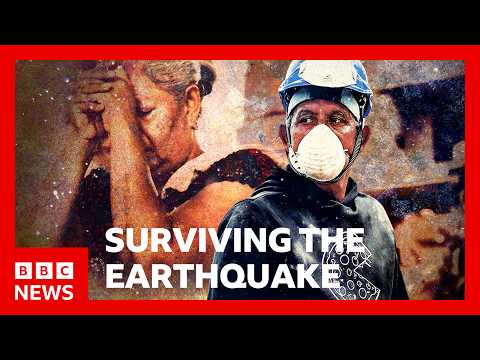
How survivors of Venezuela earthquakes stayed alive in the rubble | BBC News
0
林宜悉 posted on 2026/07/05Ever wondered how people survive against all odds? This incredible BBC News report shares astonishing stories of survivors pulled from the rubble after devastating earthquakes in Venezuela, revealing the resilience of the human spirit. You'll hear firsthand accounts and pick up powerful vocabulary related to survival and hope in the face of disaster.
Learn this video on the APP!
The VoiceTube App has more in-depth practice for videos!