
adapt
US /əˈdæpt/
UK /ə'dæpt/
- Transitive Verb
- To change something for a different function
- To change something to fit or suit a new purpose
- Intransitive Verb
- To change your behaviour so that it is easier to live in a new place or situation
B1TOEICMoreadopt
US /əˈdɑ:pt/
UK /əˈdɒpt/
- Transitive Verb
- To legally take a child into your family
- To take on responsibility for something
A2TOEICMoreadvance
US /ædˈvæns/
UK /əd'vɑ:ns/
- Noun
- Forward movement by an army
- An attempt to seduce someone
- Verb (Transitive/Intransitive)
- (Of an army) to move forward
- To change or improve
A2TOEICMoreagriculture
US /ˈæɡrɪˌkʌltʃɚ/
UK /ˈægrɪkʌltʃə(r)/
- Uncountable Noun
- The science of farming
- The study of farming and related sciences.
A2Moreancient
US /ˈenʃənt/
UK /'eɪnʃənt/
- Adjective
- Very old; having lived a very long time ago
- Relating to a period in history, especially in the distant past.
- Noun
- A person who lived in ancient times.
A2Moreastronomy
US /əˈstrɑ:nəmi/
UK /əˈstrɒnəmi/
- Uncountable Noun
- Study of stars and other bodies in space
B2Morebc
US
UK
- Abbreviation
- Before Christ; used after dates/years
C1Morecircular
US /ˈsɜ:rkjələ(r)/
UK /ˈsɜ:kjələ(r)/
- Adjective
- Shaped like a circle or part of a circle
- Noun
- Paper with news, ads, etc. sent round to people
B2Morecivilization
US /ˌsɪvəlɪˈzeʃən/
UK /ˌsɪvəlaɪ'zeɪʃn/
- Noun (Countable/Uncountable)
- A highly developed society
B2Moreclimate
US /ˈklaɪmɪt/
UK /ˈklaɪmət/
- Noun (Countable/Uncountable)
- Typical weather conditions in a particular place
- The general attitudes, feelings, or opinions that people have at a particular time.
A2Morecommune
US /ˈkɑmjun/
UK /'kɒmju:n/
- Intransitive Verb
- To communicate with, in a deep or spiritual way
- Countable Noun
- People who live together and share resources
C1Moreconquer
US /ˈkɑŋkɚ/
UK /'kɒŋkə(r)/
- Transitive Verb
- To take possession of (land, city) with an army
- To beat something difficult, e.g. a fear; overcome
B2Moreconstant
US /ˈkɑnstənt/
UK /'kɒnstənt/
- Adjective
- Happening frequently or without pause
- Remaining the same over time or not changing.
- Noun
- Thing that happens always or at a regular rate
- A physical quantity that is believed to have a fixed value and is used in calculations.
A2TOEICMoreconstellation
US /ˌkɑnstəˈleʃən/
UK /ˌkɒnstə'leɪʃən/
- Noun
- Group of things or people that are similar
- Groups of stars which form patterns
- Noun (plural)
- Groups of stars which form patterns
B2Morecountless
US /ˈkaʊntlɪs/
UK /ˈkaʊntləs/
- Adjective
- Being too many to be numbered or imagined
B1Moredegree
US /dɪˈɡri/
UK /dɪˈgri:/
- Noun (Countable/Uncountable)
- Amount or extent of something
- Unit for measuring temperature or angles
A2TOEICMoredivide
US /dɪˈvaɪd/
UK /dɪ'vaɪd/
- Verb (Transitive/Intransitive)
- To split numbers by another number, e.g. 6 / 2 = 3
- To separate something into equal pieces
- Noun
- A separation or distinction.
A2TOEICMoreembody
US /ɪmˈbɑ:di/
UK /ɪmˈbɒdi/
- Transitive Verb
- To make something into part of a body or system
B2Moreentirety
US /ɛnˈtaɪrɪti, -ˈtaɪrti/
UK /ɪnˈtaɪərəti/
- Uncountable Noun
- State of being complete
- A form of joint ownership of property by a husband and wife, in which both have an equal, undivided interest in the whole property.
C1Moreeventually
US /ɪˈvɛntʃuəli/
UK /ɪˈventʃuəli/
- Adverb
- After a long time; after many attempts; in the end
- At some later time; in the future
A2Morefade
US /fed/
UK /feɪd/
- Intransitive Verb
- To cause to lose brightness of color
- To lose strength or freshness
A2TOEICMorefertile
US /ˈfɚtl/
UK /'fɜ:taɪl/
- Adjective
- (Of imagination, etc.) working strongly; productive
- Capable of producing children or young
B1Moreflexible
US /ˈflɛksəbəl/
UK /ˈfleksəbl/
- Adjective
- Bending easily
- Able to adjust to new events, requirements easily
B1TOEICMorein particular
US /ɪn pɚˈtɪkjəlɚ/
UK /in pəˈtikjulə/
- Phrase
- Specifically; especially.
- Detailed or precise.
A1Moreinnovation
US /ˌɪnəˈveʃən/
UK /ˌɪnəˈveɪʃn/
- Uncountable Noun
- Process of creating new ideas or inventions
- A new thing or method that is introduced.
B1TOEICMoreliteracy
US /ˈlɪtərəsi/
UK /ˈlɪtərəsi/
- Uncountable Noun
- Fact of having knowledge of a particular subject
- State of being able to read and write
B1Moremammoth
US /ˈmæməθ/
UK /ˈmæməθ/
- Noun (plural)
- Large extinct animal resembling a hairy elephant
- Adjective
- Huge in size
B2Moreprevail
US /prɪˈvel/
UK /prɪˈveɪl/
- Intransitive Verb
- To be successful against enemy/problem
- To exist at a certain time; to be common
- Transitive Verb
- Persuade (someone) to do something.
B2TOEICMoreprominent
US /ˈprɑmənənt/
UK /ˈprɒmɪnənt/
- Adjective
- Being important or well known
- Being easily noticeable
B1Moreprove
US /pruv/
UK /pru:v/
- Transitive Verb
- To demonstrate truth by providing evidence
- To test the quality or worth of something.
- Intransitive Verb
- To turn out to be; be found to be.
A2TOEICMoreresist
US /rɪˈzɪst/
UK /rɪ'zɪst/
- Verb (Transitive/Intransitive)
- To not be affected by e.g. a force or an effect
- To fight or prevent something from happening
A2TOEICMoreritual
US /ˈrɪtʃuəl/
UK /'rɪtʃʊəl/
- Adjective
- Performed as part of a ceremony
- Being done in a regular, expected or similar way
- Noun (Countable/Uncountable)
- Social or religious ceremony always done the same
- A series of actions regularly and invariably followed by someone.
B1Morescale
US /skel/
UK /skeɪl/
- Noun (Countable/Uncountable)
- Size, level, or amount when compared
- Small hard plates that cover the body of fish
- Verb (Transitive/Intransitive)
- To change the size of but keep the proportions
- To climb something large (e.g. a mountain)
A2TOEICMoreseal
US /sil/
UK /si:l/
- Transitive Verb
- To close tightly to protect it from leaking
- To close an envelop or package
- Noun
- Large fish-eating animal that lives on sea or land
- Official mark made in hot wax to close a document
B1Moreseemingly
US /ˈsiːmɪŋli/
UK /ˈsi:mɪŋli/
- Adverb
- Appearing to be but may not actually be; probably
B1Moreserve
US /sɚv/
UK /sɜ:v/
- Verb (Transitive/Intransitive)
- To act in a particular position or office
- To hit the first ball to an opponent in tennis etc.
A2TOEICMoresink
US /sɪŋk/
UK /sɪŋk/
- Transitive Verb
- To push something down into the ground
- To dig (a well)
- Countable Noun
- Large bowl in a kitchen or washroom for washing
A2TOEICMoresoil
US /sɔɪl/
UK /sɔɪl/
- Uncountable Noun
- Conditions in which something develops
- Mix of natural material in which plants grow
- Transitive Verb
- To get or become dirty
B1Moresophisticated
US /səˈfɪstɪˌketɪd/
UK /səˈfɪstɪkeɪtɪd/
- Adjective
- Making a good sounding but misleading argument
- Wise in the way of the world; having refined taste
- Transitive Verb
- To make someone more worldly and experienced
B1TOEICMorespan
US /spæn/
UK /spæn/
- Noun (Countable/Uncountable)
- Distance between two supports of a bridge
- Period of time that something continues for
- Verb (Transitive/Intransitive)
- To go across a certain distance between things
- To cover or extend over a time period
B1TOEICMorestandardize
US /ˈstændərdaɪz/
UK /ˈstændədaɪz/
- Transitive Verb
- To change to make everything the same level
B2Moresteady
US /ˈstɛdi/
UK /'stedɪ/
- Adjective
- Happening or developing at a regular rate
- Continuing without stopping or changing over time
- Transitive Verb
- To make constant, unchanging or staying the same
- To hold something/someone so they stop moving
B2Morestrip
US /strɪp/
UK /strɪp/
- Transitive Verb
- To remove your clothes (often sexily for someone)
- To remove something, e.g. paint from a wall
- Countable Noun
- Long narrow piece, such as ribbon or land
B1Morestrip of
US
UK
- Phrase
- A long, narrow piece of something.
- A long, narrow area of land.
A1Moreterritory
US /ˈtɛrɪˌtɔri, -ˌtori/
UK /'terətrɪ/
- Noun (Countable/Uncountable)
- Area of land defended by an animal
- Area of particular knowledge or experience
B1TOEICMorethrive
US /θraɪv/
UK /θraɪv/
- Intransitive Verb
- To be or become healthy or successful
- To grow or develop well; to flourish.
B2TOEICMoreunify
US /ˈjunəˌfaɪ/
UK /'ju:nɪfaɪ/
- Transitive Verb
- To bring or join together into one
B2TOEICMorewarfare
US /ˈwɔrˌfɛr/
UK /ˈwɔ:fɛə/
- Uncountable Noun
- Methods used by those fighting in a war
- Engagement in or the activities involved in war or conflict.
B2More
Vocabulary
- strip of: A long, narrow piece of something.
- in particular: Specifically; especially.
- eventually: After a long time; after many attempts; in the end
- sophisticated: Making a good sounding but misleading argument
- ritual: Performed as part of a ceremony
- constant: Happening frequently or without pause
- thrive: To be or become healthy or successful
- ancient: Very old; having lived a very long time ago
- scale: Size, level, or amount when compared
- develop: To explain something in steps and in detail
- conquer: To take possession of (land, city) with an army
- climate: Typical weather conditions in a particular place
- territory: Area of land defended by an animal
- prominent: Being important or well known
- divide: To split numbers by another number, e.g. 6 / 2 = 3
- innovation: Process of creating new ideas or inventions
- resist: To not be affected by e.g. a force or an effect
- adapt: To change something for a different function
- seemingly: Appearing to be but may not actually be; probably
- plain: Obvious; clearly so, true
- form: Sports team or person's current winning record
- adopt: To legally take a child into your family
- steady: Happening or developing at a regular rate
- fade: To cause to lose brightness of color
- advance: Forward movement by an army
- strip: To remove your clothes (often sexily for someone)
- flexible: Bending easily
- seal: To close tightly to protect it from leaking
- literacy: Fact of having knowledge of a particular subject
- agriculture: The science of farming
- sink: To push something down into the ground
- degree: Amount or extent of something
- break: To create a new record e.g. running the 100m dash
- civilization: A highly developed society
- fertile: (Of imagination, etc.) working strongly; productive
- span: Distance between two supports of a bridge
- serve: To act in a particular position or office
- record: Highest or most extreme level achieved
- prove: To demonstrate truth by providing evidence
- soil: Conditions in which something develops
- countless: Being too many to be numbered or imagined
- system: Set of organized, planned ideas that work together
- prevail: To be successful against enemy/problem
- constellation: Group of things or people that are similar
- include: To make someone, something part of a group
- minute: Notes taken at a meeting to record what was said
- embody: To make something into part of a body or system
- zodiac: A belt-shaped region in the heavens on either side to the ecliptic; divided into constellations or signs for astrological purposes
- world: All the humans, events, activities on the earth
- area: Amount of measured space
- begin: To do the first part of an action; to start
- fresh: Clean; not used or dirty
- astronomy: Study of stars and other bodies in space
- earth: Wire connecting an electrical device to the ground
- warfare: Methods used by those fighting in a war
- circular: Shaped like a circle or part of a circle
- story: One of many floors or levels in a building
- unify: To bring or join together into one
- commune: To communicate with, in a deep or spiritual way
- entirety: State of being complete
- mammoth: Large extinct animal resembling a hairy elephant
- standardize: To change to make everything the same level
- bc: Before Christ; used after dates/years
Get the full experience in the app
Learn anywhere with detailed sentence and usage analysis
01:03
She took a brave step forward, leaving behind her comfort zone to chase her dreams.
Vocabulary
- brave
adj. Having courage
- comfort zone
phr. A familiar situation where one feels safe
Explanation
a brave step is a noun phrase, where brave is an adjective modifying the noun step, meaning "a courageous step".
forward is an adverb modifying step, meaning "ahead".
The whole phrase serves as the object, answering the "what" of took (verb) — she took a brave step forward.
Get the full experience in the app
Look up words anytime with pronunciation, part of speech, and usage
brave
US/brev/
UK/breɪv/
adj.Brave
v.t.To bravely face
A2 Elementary
Get the full experience in the app
Practice speaking anytime and get instant pronunciation feedback
Try this speaking exercise.
Try practicing with this sentence.
80
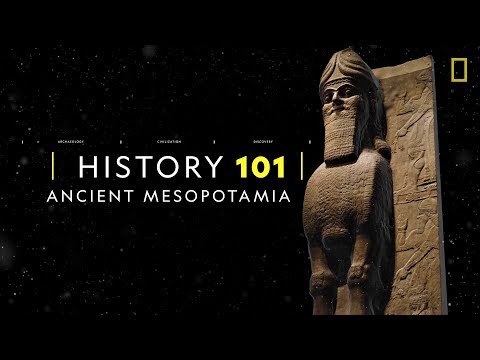
101歷史教室:偉大的美索不達米亞《國家地理》雜誌
0
歐歐軒睿 posted on 2026/07/05Ever wondered where writing, astronomy, and law all began? This video takes you back to Mesopotamia, the fertile land between the Tigris and Euphrates rivers, where some of the world's first cities and incredible innovations like cuneiform writing and a base-60 math system emerged! You'll discover how this ancient civilization laid the groundwork for so much of what we know today.
Learn this video on the APP!
The VoiceTube App has more in-depth practice for videos!