
after the fact
US /ˈæftɚ ðə fækt/
UK /ˈɑ:ftə ðə fækt/
- other
- Happening or known later than the actual event.
B1Morearound the world
US /əˈraʊnd ði wɜrld/
UK /əˈraund ðə wɜː(r)ld/
- Phrase
- In or to many countries.
- In various places throughout the world.
A2Moreas long as
US /æz lɔŋ æz/
UK /æz lɔŋ æz/
- Conjunction
- For the period that; provided that.
- For the length of time that
- Preposition
- On the condition that; providing that.
- Having the same length as.
A1Moreat a time
US /æt e taɪm/
UK /æt ə taim/
- Phrase
- Separately; one by one
- Simultaneously; together
A1Moreat the moment
US
UK
- Adverb
- At this time; now
A1Morebane
US /ben/
UK /beɪn/
- Noun
- Something causing misery or death
C1TOEICMorebiography
US /baɪˈɑ:grəfi/
UK /baɪˈɒgrəfi/
- Noun
- Story of a person's life as told by someone else
B1Morebreak with
US /brek wɪð/
UK /breik wið/
- Phrasal Verb
- To end a relationship or association.
- To publicly disagree with or separate from a group or organization.
A2Morecome back
US /kʌm bæk/
UK /kʌm bæk/
- Phrasal Verb
- To reply to someone, often forcefully
- To be remembered
A1Morecome before
US /kʌm bɪˈfɔr/
UK /kʌm biˈfɔ:/
- Phrasal Verb
- To happen or exist earlier in time than something else.
- To be considered more important than something else.
A1Morecongress
US /ˈkɑŋɡrɪs/
UK /'kɒŋɡres/
- Noun (Countable/Uncountable)
- Meeting of elected or appointed representatives
- Proper Noun
- American governing body of elected representatives
B1Moreconstant
US /ˈkɑnstənt/
UK /'kɒnstənt/
- Adjective
- Happening frequently or without pause
- Remaining the same over time or not changing.
- Noun
- Thing that happens always or at a regular rate
- A physical quantity that is believed to have a fixed value and is used in calculations.
A2TOEICMoreconstitution
US /ˌkɑnstɪˈtuʃən, -ˈtju-/
UK /ˌkɔnstiˈtju:ʃən/
- Noun (Countable/Uncountable)
- Statement of fundamental principles of a country
- Condition of your health
B1Moreconstitutional
US /ˌkɑnstɪˈtuʃənəl, -ˈtju-/
UK /ˌkɒnstɪˈtju:ʃənl/
- Adjective
- Regarding laws that govern a nation and its people
- Regarding the basic health, character of a person
B2Morecontinental
US /ˌkɑ:ntɪˈnentl/
UK /ˌkɒntɪˈnentl/
- Adjective
- Of or typical of the culture of mainland Europe
- Concerning or found on a continent
- Noun (Countable/Uncountable)
- Person living on mainland Europe
- A light breakfast, typically including pastries, cereal, and fruit.
B1Moreconvention
US /kənˈvɛnʃən/
UK /kənˈvenʃn/
- Noun (Countable/Uncountable)
- Official agreement between two or more countries
- Large formal assembly, e.g. to make laws
- Adjective
- Concerning a large formal assembly or meeting
A2TOEICMoredebate
US / dɪˈbet/
UK /dɪ'beɪt/
- Noun (Countable/Uncountable)
- General public discussion of a topic
- A formal event where two sides discuss a topic
- Verb (Transitive/Intransitive)
- To consider options before making a decision
- To take part in a formal discussion
A2TOEICMoredeclare
US /dɪˈklɛr/
UK /dɪ'kleə(r)/
- Transitive Verb
- To make a statement in a strong and confident way
- To show the cost of things purchased overseas
A2TOEICMoredocument
US /ˈdɑkjəmənt/
UK /'dɒkjʊmənt/
- Noun (Countable/Uncountable)
- Official (printed) record that gives information
- Transitive Verb
- To support an opinion with recorded evidence
A2TOEICMoreexpectation
US /ˌɛkspɛkˈteʃən/
UK /ˌekspekˈteɪʃn/
- Noun (Countable/Uncountable)
- Belief or hope that something is going to happen
- A belief that someone should behave in a particular way.
A2TOEICMoreexperiment
US /ɪkˈspɛrəmənt/
UK /ɪk'sperɪmənt/
- Noun (Countable/Uncountable)
- Test performed to assess new ideas or theories
- A course of action tentatively adopted without being sure of the eventual outcome.
- Verb (Transitive/Intransitive)
- To create and perform tests to research something
- To try something new that you haven't tried before
A2TOEICMorefor one thing
US /fɔr wʌn θɪŋ/
UK /fɔ: wʌn θiŋ/
- Phrase
- Used to introduce a reason for something.
A1Morefor sure
US /fɔr ʃʊr/
UK /fɔ: ʃuə/
- Adverb
- Definitely; certainly; without a doubt.
- Used to emphasize a statement.
- Interjection
- An expression of strong agreement or affirmation.
A2Moreforget about
US /fɚˈɡɛt əˈbaʊt/
UK /fəˈɡet əˈbaut/
- Phrasal Verb
- To stop thinking about something; to ignore something.
A1Moregeneration
US /ˌdʒɛnəˈreʃən/
UK /ˌdʒenəˈreɪʃn/
- Noun (Countable/Uncountable)
- Act or process of producing or causing something
- People born and living at about the same time
A2TOEICMorehave to
US /hæv tu/
UK /ˈhæv tə/
- Auxiliary Verb
- Must do
A1Morein fact
US /ɪn fækt/
UK /in fækt/
- Adverb
- Used to emphasize the truth of a statement, especially one that contrasts with or contradicts something else.
- Used to introduce a more detailed or surprising piece of information.
- Phrase
- Used to emphasize the truth of a statement, especially one that is surprising or contrary to what might be expected.
C1Morein general
US /ɪn ˈdʒɛnərəl/
UK /in ˈdʒenərəl/
- Phrase
- Typically; usually; on the whole.
- Not specific or detailed; broadly.
- Adjective
- Not detailed or specific; overall.
C2Morein motion
US /ɪn ˈmoʃən/
UK /in ˈməuʃən/
- Phrase
- Moving; not stationary.
C2Morein order to
US /ɪn ˈɔrdɚ tu/
UK /in ˈɔ:də tu:/
- Preposition
- For the purpose of; with the aim of.
- Phrase
- In a specific sequence or arrangement.
- With the aim of; for the purpose of.
C1Morein other words
US
UK
- Phrase
- Stating something in a different way, often to make it clearer or more understandable.
in school
US /ɪn skul/
UK /ɪn sku:l/
- other
- Attending an educational institution.
A1Morein the middle of
US
UK
- Phrase
- In the central part or point of something.
- Engaged or occupied with something.
A2Morein the world
US /ɪn ði wɜrld/
UK /in ðə wɜː(r)ld/
- Phrase
- Used to emphasize a question expressing surprise, confusion, disbelief
- Used to indicate the extent or degree of something, often in a superlative sense
A1Moreinside of
US /ɪnˈsaɪd ʌv/
UK /inˈsaid ɔv/
- Preposition
- Within; in the inner part of.
- Within a certain period of time.
A1Morejust kind of
US
UK
- Phrase
- Used to express a feeling or state in a vague or hesitant way.
- Used to indicate something is approximately or generally similar to something else.
A2Moreknow about
US /noʊ əˈbaʊt/
UK /nəʊ əˈbaut/
- Phrasal Verb
- To have information or understanding of a subject or situation.
left out
US
UK
- Phrasal Verb
- To forget; omit
- To exclude someone or something; to not include.
A1Morelive up
US /liv ʌp/
UK /liv ʌp/
- Phrasal Verb
- To be as good as expected or promised.
A1Morelong list
US
UK
- Noun
- An extensive or detailed enumeration of items, names, or details.
- A list that is excessively long and therefore boring or difficult to manage.
A2Moremajor
US /ˈmedʒɚ/
UK /'meɪdʒə(r)/
- Countable Noun
- High-ranking officer in the army
- Main subject you study at university
- Adjective
- Main league; esp. referring to American baseball
- Important, serious, or large in scope, size
A2TOEICMoremake of
US /mek ʌv/
UK /meik ɔv/
- Phrasal Verb
- To understand or have an opinion about something
- To create or produce something from a particular material
A1Moreof course
US /ʌv kɔː(r)s/
UK /ɔv kɔː(r)s/
- Adverb
- Sure ; Certainly
- Phrase
- For sure; certainly
A2Morepick up on
US
UK
- Phrasal Verb
- To notice or become aware of something that is not obvious.
- To learn something by watching or listening to other people.
A1Morepolitical
US /pəˈlɪtɪkəl/
UK /pəˈlɪtɪkl/
- Adjective
- Being active or interested in government matters
- Diplomatic
A2Morepotential
US /pəˈtɛnʃəl/
UK /pəˈtenʃl/
- Adjective
- Capable of happening or becoming reality
- Having or showing the capacity to develop into something in the future.
- Uncountable Noun
- someone's or something's ability to develop, achieve, or succeed
A2TOEICMorepresidential
US /ˌprɛzɪˈdɛnʃəl/
UK /ˌprezɪ'denʃl/
- Adjective
- Concerning the president
B1Morerevolution
US /ˌrɛvəˈluʃən/
UK /ˌrevə'lu:ʃn/
- Noun
- When a group overthrows an existing government
- Sudden or significant change in something
B1Morerole
US /rol/
UK /rəʊl/
- Noun
- Character played by an actor
- Part you play in an activity; job; responsibility
A2Moresee in
US /si ɪn/
UK /si: in/
- Phrasal Verb
- To accompany someone to the entrance of a building or room.
A1Moreslavery
US /ˈslevəri, ˈslevri/
UK /ˈsleɪvəri/
- Uncountable Noun
- State or condition of being a slave
B1Moresociety
US /səˈsaɪɪti/
UK /sə'saɪətɪ/
- Noun (Countable/Uncountable)
- A group who meet to share values or interests
- Group of people living together
A2TOEICMorespeak to
US /spik tu/
UK /spi:k tu:/
- Verb (Transitive/Intransitive)
- To address or communicate with someone.
- To indicate or suggest something; to be relevant to.
A1Morestatement
US / ˈstetmənt/
UK /ˈsteɪtmənt/
- Noun (Countable/Uncountable)
- Record of activity in a bank account over time
- Act or process of saying something formally
A2TOEICMorestep to
US
UK
- Phrasal Verb
- To approach someone or something, often with a specific purpose.
- To challenge or confront someone, often aggressively.
A1Moresuppose
US /səˈpoʊz/
UK /sə'pəʊz/
- Verb (Transitive/Intransitive)
- To imagine or guess what might happen
- Conjunction
- What if
A2TOEICMoretake out
US /tek aʊt/
UK /teik aut/
- Phrasal Verb
- To apply for and get a license
- To take someone on a date
- Uncountable Noun
- Food purchased at a restaurant to eat elsewhere.
A1Moretalking about
US
UK
- Phrasal Verb
- To discuss a particular topic.
- To be constantly mentioning or bringing up a subject.
A1Moretradition
US /trəˈdɪʃən/
UK /trəˈdɪʃn/
- Noun (Countable/Uncountable)
- An event, custom or way common to a people or race
- Way of thinking or behaving used for a long time
B1TOEICMoretransient
US /ˈtrænʃənt, -ʒənt, -ziənt/
UK /'trænzɪənt/
- Adjective
- Lasting only a short time; passing
- Noun
- Person staying only a short time
C1TOEICMoreturn back
US /tɚn bæk/
UK /tə:n bæk/
- Phrasal Verb
- To stop and move backward on some issue
B2Morevictory
US /ˈvɪktəri/
UK /'vɪktərɪ/
- Noun (Countable/Uncountable)
- Defeating or beating someone or something
- An instance of having overcome a challenge or obstacle; an achievement.
B1More
Vocabulary
- of course: Sure ; Certainly
- in fact: Used to emphasize the truth of a statement, especially one that contrasts with or contradicts something else.
- left out: To forget; omit
- at a time: Separately; one by one
- know about: To have information or understanding of a subject or situation.
- in the world: Used to emphasize a question expressing surprise, confusion, disbelief
- step to: To approach someone or something, often with a specific purpose.
- break with: To end a relationship or association.
- pick up on: To notice or become aware of something that is not obvious.
- have to: Must do
- for sure: Definitely; certainly; without a doubt.
- come before: To happen or exist earlier in time than something else.
- in motion: Moving; not stationary.
- around the world: In or to many countries.
- long list: An extensive or detailed enumeration of items, names, or details.
- speak to: To address or communicate with someone.
- after the fact: Happening or known later than the actual event.
- take out: To apply for and get a license
- in school: Attending an educational institution.
- in the middle of: In the central part or point of something.
- inside of: Within; in the inner part of.
- live up: To be as good as expected or promised.
- turn back: To stop and move backward on some issue
- at the moment: At this time; now
- in order to: For the purpose of; with the aim of.
- just kind of: Used to express a feeling or state in a vague or hesitant way.
- forget about: To stop thinking about something; to ignore something.
- talking about: To discuss a particular topic.
- come back: To reply to someone, often forcefully
- make of: To understand or have an opinion about something
- in general: Typically; usually; on the whole.
- for one thing: Used to introduce a reason for something.
- in other words: Stating something in a different way, often to make it clearer or more understandable.
- see in: To accompany someone to the entrance of a building or room.
- as long as: For the period that; provided that.
- potential: Capable of happening or becoming reality
- constant: Happening frequently or without pause
- debate: General public discussion of a topic
- realize: To become aware of or understand mentally
- experiment: Test performed to assess new ideas or theories
- suppose: To imagine or guess what might happen
- exist: To be present, alive or real
- statement: Record of activity in a bank account over time
- political: Being active or interested in government matters
- society: A group who meet to share values or interests
- congress: Meeting of elected or appointed representatives
- create: To make, cause, or bring into existence
- expectation: Belief or hope that something is going to happen
- declare: To make a statement in a strong and confident way
- generation: Act or process of producing or causing something
- equal: Same in shape, size, or number
- convention: Official agreement between two or more countries
- break: To create a new record e.g. running the 100m dash
- major: High-ranking officer in the army
- role: Character played by an actor
- leave: To go away from; depart
- revolution: When a group overthrows an existing government
- document: Official (printed) record that gives information
- moment: Very short or brief period of time
- lot: What happens to a person in life from chance; fate
- constitution: Statement of fundamental principles of a country
- important: Having power or authority
- kind: In a caring and helpful manner
- british: Concerning the culture and people of British
- order: Religious or social group, as of nuns
- system: Set of organized, planned ideas that work together
- fact: Something that is known or proved to be true
- allow: To admit the validity or truth of something
- slavery: State or condition of being a slave
- tradition: An event, custom or way common to a people or race
- biography: Story of a person's life as told by someone else
- constitutional: Regarding laws that govern a nation and its people
- continental: Of or typical of the culture of mainland Europe
- presidential: Concerning the president
- transient: Lasting only a short time; passing
- victory: Defeating or beating someone or something
- bane: Something causing misery or death
Get the full experience in the app
Learn anywhere with detailed sentence and usage analysis
01:03
She took a brave step forward, leaving behind her comfort zone to chase her dreams.
Vocabulary
- brave
adj. Having courage
- comfort zone
phr. A familiar situation where one feels safe
Explanation
a brave step is a noun phrase, where brave is an adjective modifying the noun step, meaning "a courageous step".
forward is an adverb modifying step, meaning "ahead".
The whole phrase serves as the object, answering the "what" of took (verb) — she took a brave step forward.
Get the full experience in the app
Look up words anytime with pronunciation, part of speech, and usage
brave
US/brev/
UK/breɪv/
adj.Brave
v.t.To bravely face
A2 Elementary
Get the full experience in the app
Practice speaking anytime and get instant pronunciation feedback
Try this speaking exercise.
Try practicing with this sentence.
80
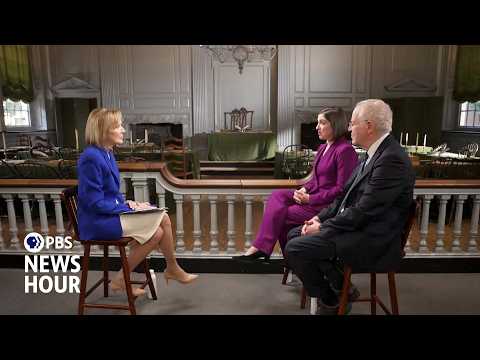
A look at America's founding from the room where independence was declared
0
林宜悉 posted on 2026/07/03Ever wondered what it was *really* like to be in the room where America declared independence? This fascinating video takes you inside Independence Hall with historians to discuss the incredible risks the Founding Fathers took and the groundbreaking ideas they debated. You'll get a unique perspective on this pivotal moment in history and pick up some great vocabulary for discussing government and revolution!
Learn this video on the APP!
The VoiceTube App has more in-depth practice for videos!