
achieve
US /əˈtʃiv/
UK /ə'tʃi:v/
- Transitive Verb
- To succeed in doing good, usually by working hard
- To succeed in reaching a particular goal, status, or standard, often after effort or perseverance.
A2TOEICMorealign
US /əˈlaɪn/
UK /əˈlaɪn/
- Transitive Verb
- To arrange (e.g. objects) in line with one another
- Intransitive Verb
- To be in a line or in the correct position in relation to something else.
B2Morealignment
US /əˈlaɪnmənt/
UK /əˈlaɪnmənt/
- Noun
- Agreement to work together on a common goal
- The state of being in a straight line or in the correct position.
B2Moreartifact
US /ˈɑrtəˌfækt/
UK /'ɑ:təˌfækt/
- Countable Noun
- Object made by humans, e.g. ancient tool
B1Moreat hand
US /æt hænd/
UK /æt hænd/
- Phrase
- Close by; readily available.
- About to happen; imminent.
- Adjective
- Nearby; easily available
A1Moreat least
US /æt list/
UK /æt li:st/
- Adverb
- As a minimum
- Not less than
- Phrase
- No less than; at the minimum
- Used to indicate that something is positive in a bad situation.
C2Moreat scale
US
UK
- Phrase
- In large quantities; with significant reach or impact.
- Widely; extensively; with broad application.
A1Moreat the end of the day
US
UK
- Phrase
- Ultimately; when everything else is considered.
- After a day's work or activities.
A1Morebinary
US /ˈbaɪnəri/
UK /ˈbaɪnəri/
- Adjective
- Having two parts; using only 2 numbers, 1 and 0
- Noun
- Mathematical language using only one and zero
B2Morebottleneck
US /ˈbɑ:tlnek/
UK /ˈbɒtlnek/
- Noun
- Become narrow, like a bottleneck
C2Morecapture
US /ˈkæptʃɚ/
UK /'kæptʃə(r)/
- Transitive Verb
- To attract and hold e.g. interest, attention
- To record, tape, or film something
- Noun
- The act of seizing or taking control of something.
B1Morechallenge
US /ˈtʃæləndʒ/
UK /'tʃælɪndʒ/
- Noun (Countable/Uncountable)
- An activity you wish to try that may be hard to do
- Act of formally inviting someone to compete
- Transitive Verb
- To formally invite someone to compete at something
- To question the correctness of something
A2Moreclause
US /klɔz/
UK /klɔ:z/
- Noun
- Part of a sentence that has its own verb
- Specific term or demand in a legal agreement
B1Morecommunicate
US /kəˈmjunɪˌket/
UK /kə'mju:nɪkeɪt/
- Verb (Transitive/Intransitive)
- To give and exchange information
- To convey or make known (information, feelings, etc.)
A2Morecompile
US /kəmˈpaɪl/
UK /kəm'paɪl/
- Transitive Verb
- To put programming data into a computer
- To gather (articles) for a book
- Intransitive Verb
- To undergo the process of being converted into machine language.
B1Morecontribute
US /kənˈtrɪbjut/
UK /kən'trɪbju:t/
- Verb (Transitive/Intransitive)
- To be a factor in causing something to happen
- To donate, give (money) or help to something
A2Moredebate
US / dɪˈbet/
UK /dɪ'beɪt/
- Noun (Countable/Uncountable)
- General public discussion of a topic
- A formal event where two sides discuss a topic
- Verb (Transitive/Intransitive)
- To consider options before making a decision
- To take part in a formal discussion
A2TOEICMoreeffectively
US /ɪˈfɛktɪvli/
UK /ɪˈfektɪvli/
- Adverb
- In a way that produces the desired result
B1Moreembed
US /ɛmˈbɛd/
UK /ɪm'bed/
- Transitive Verb
- To place or set inside rock, etc.
- To integrate (something) into something else.
B2Moreembody
US /ɪmˈbɑ:di/
UK /ɪmˈbɒdi/
- Transitive Verb
- To make something into part of a body or system
B2Moreengineering
US /ˌendʒɪˈnɪrɪŋ/
UK /ˌendʒɪˈnɪərɪŋ/
- Uncountable Noun
- The practical application of science to industry
B1Morefile in
US /faɪl ɪn/
UK /faɪl ɪn/
- other
- Enter a place in a neat, organized line or sequence.
B2Morefor the benefit
US
UK
- Phrase
- In order to help or be useful to someone or something.
A1Morefrom scratch
US /frʌm skrætʃ/
UK /frɔm skrætʃ/
- Phrase
- From the very beginning; from nothing.
- From the very beginning; using new materials rather than something that already exists.
A1Moregenerate
US /ˈdʒɛnəˌret/
UK /ˈdʒenəreɪt/
- Transitive Verb
- To create or be produced or bring into existence
- To create electricity, heat, energy and power
A2TOEICMorehand up
US
UK
- Phrasal Verb
- To raise one's hand in order to get attention, especially in a classroom.
hands down
US
UK
- Phrasal Verb
- To give (clothes, etc.) to someone younger
- Adverb
- Without a doubt; easily and decisively.
A1Morehave to
US /hæv tu/
UK /ˈhæv tə/
- Auxiliary Verb
- Must do
A1Moreimplementation
US /ˌɪmplɪmənˈteʃən/
UK /ˌɪmplɪmen'teɪʃn/
- Uncountable Noun
- A practical means for accomplishing something
B1TOEICMorein action
US
UK
- Phrase
- Actively doing something; performing a task or duty.
in alignment
US /ɪn əˈlaɪnmənt/
UK /in əˈlaɪnmənt/
- Phrase
- In a state of agreement or correspondence; consistent.
- Positioned correctly in relation to something else; properly adjusted.
in fact
US /ɪn fækt/
UK /in fækt/
- Adverb
- Used to emphasize the truth of a statement, especially one that contrasts with or contradicts something else.
- Used to introduce a more detailed or surprising piece of information.
- Phrase
- Used to emphasize the truth of a statement, especially one that is surprising or contrary to what might be expected.
C1Morein general
US /ɪn ˈdʒɛnərəl/
UK /in ˈdʒenərəl/
- Phrase
- Typically; usually; on the whole.
- Not specific or detailed; broadly.
- Adjective
- Not detailed or specific; overall.
C2Morein itself
US /ɪn ɪtˈsɛlf/
UK /in itˈself/
- Phrase
- Considered alone or without reference to anything else; intrinsically.
- Essentially; by its very nature.
in mind
US /ɪn maɪnd/
UK /in maind/
- Phrase
- Being aware of or considering something.
- To remember or consider something.
A2Morein order to
US /ɪn ˈɔrdɚ tu/
UK /in ˈɔ:də tu:/
- Preposition
- For the purpose of; with the aim of.
- Phrase
- In a specific sequence or arrangement.
- With the aim of; for the purpose of.
C1Morein particular
US /ɪn pɚˈtɪkjəlɚ/
UK /in pəˈtikjulə/
- Phrase
- Specifically; especially.
- Detailed or precise.
A1Morein the business of
US /ɪn ðə ˈbɪznəs ʌv/
UK /in ðə ˈbiznis ɔv/
- other
- Engaged in a particular commercial activity or profession.
B2Morein the future
US /ɪn ði ˈfjutʃɚ/
UK /in ðə ˈfju:tʃə/
- Phrase
- At a later time; in times to come.
A1Morein the interim
US /ɪn ði ˈɪntɚɪm/
UK /in ði: ˈɪntərɪm/
- other
- During the intervening period of time.
B2Moreinfer
US /ɪnˈfɚ/
UK /ɪn'fɜ:(r)/
- Verb (Transitive/Intransitive)
- To reach a conclusion from the evidence
- To imply; suggest something indirectly
B1TOEICMoreinside of
US /ɪnˈsaɪd ʌv/
UK /inˈsaid ɔv/
- Preposition
- Within; in the inner part of.
- Within a certain period of time.
A1Moreintegrate
US /ˈɪntɪˌɡret/
UK /ˈɪntɪgreɪt/
- Transitive Verb
- To combine together; make into one thing
- To bring (people or groups with particular characteristics or needs) into equal participation in or membership of a social group or institution.
A2Morejudicial
US /dʒuˈdɪʃəl/
UK /dʒuˈdɪʃl/
- Adjective
- Concerning the orders and laws of a court
B2Moreliterally
US /ˈlɪtərəli/
UK
- Adverb
- In a literal manner or sense; exactly as stated.
- Used for emphasis to describe something that is actually true, often to highlight surprise or intensity.
B1Morelook at
US /lʊk æt/
UK /luk æt/
- Phrasal Verb
- To use your eyes to focus on something
- To focus your eyes on something carefully
A1Morematerial
US /məˈtɪriəl/
UK /məˈtɪəriəl/
- Noun (Countable/Uncountable)
- Cloth; fabric
- Supplies or data needed to do a certain thing
- Adjective
- Relevant; (of evidence) important or significant
- Belonging to the world of physical things
A2Moreoff of
US /ɔf ʌv/
UK /ɔf ɔv/
- Preposition
- From a position on something; down from.
A1Moreover time
US /ˈovɚ taɪm/
UK /ˈəuvə taim/
- Phrase
- Gradually; as time passes.
- During a long period.
- Adverb
- Gradually; as time passes.
B1Moreprecedent
US /ˈprɛsɪdənt/
UK /ˈpresɪdənt/
- Countable Noun
- A similar action happening before now
B1Moreprompt
US /prɑmpt/
UK /prɒmpt/
- Noun
- Message on a computer requiring attention
- Encouragement to ask someone else to talk
- Transitive Verb
- To display a message to requires a user to act
- To say something to encourage someone else to talk
B1Morequite possible
US
UK
- Adjective
- Reasonably likely; within the realm of possibility.
rather than
US
UK
- Adverb
- More exactly; more correctly
- Preferably; instead
- Preposition
- Instead of
A1Moreread through
US /rid θru/
UK /ri:d θru:/
- Phrasal Verb
- To read something from beginning to end, often to find mistakes or check details.
- To read something quickly without paying attention to details.
- Noun
- A rehearsal where actors read through the script without acting it out fully.
A1Morerefer
US /rɪˈfɚ/
UK /rɪ'fɜ:(r)/
- Verb (Transitive/Intransitive)
- To talk about or write about something
- To give information about something
A2TOEICMorerelease
US /rɪ'li:s/
UK /rɪ'li:s/
- Transitive Verb
- To free someone from a responsibility or burden
- To allow a film, music etc. to be sold/distributed
- Noun
- Act of freeing someone from a duty or burden
- Introduction of a new product, film, book, etc.
A2TOEICMorerequest for
US
UK
- Noun
- A formal application or appeal for something.
- A solicitation or appeal for assistance, support, or contributions.
A1Moreresponse
US /rɪˈspɑns/
UK /riˈspɔns/
- Noun
- Something said/written as an answer to something
- Reaction to something that has occurred
A2TOEICMorerust
US /rʌst/
UK /rʌst/
- Uncountable Noun
- Reddish brown color
- Disease causing red and brown spots on leaves
- Intransitive Verb
- To form a red crust on old iron and steel objects
B1Moreset out
US /sɛt aʊt/
UK /set aut/
- Phrasal Verb
- To arrange something in an orderly fashion
- To give in detail in writing
A1Moreshow of hands
US
UK
- Noun
- A way of voting in which people raise their hands to show that they support something.
A1Morespecification
US /ˌspɛsəfɪˈkeʃən/
UK /ˌspesɪfɪˈkeɪʃn/
- Noun (Countable/Uncountable)
- Description of the design to make something
B1TOEICMorestructure
US /ˈstrʌk.tʃɚ/
UK /ˈstrʌk.tʃə/
- Noun (Countable/Uncountable)
- The way in which the parts of a system or object are arranged or organized, or a system arranged in this way
- A building or other man-made object.
- Transitive Verb
- To plan, organize, or arrange the parts of something
A2TOEICMoresufficiently
US /səˈfɪʃəntlɪ/
UK /sə'fɪʃntlɪ/
- Adverb
- To a degree great enough to do something
B1Moresynchronize
US
UK
- Transitive Verb
- To make two things work at the same time
C2Moretechnique
US /tɛkˈnik/
UK /tekˈni:k/
- Noun (Countable/Uncountable)
- Way of doing by using special knowledge or skill
- The skill or ability to do something well.
A2TOEICMorethink about
US /θɪŋk əˈbaʊt/
UK /θiŋk əˈbaut/
- Phrasal Verb
- To consider something carefully.
- To remember or call to mind.
A1Morethink of
US /θɪŋk ʌv/
UK /θiŋk ɔv/
- Phrasal Verb
- To look on as (being something specific); consider
- To consider or remember something.
- Verb (Transitive/Intransitive)
- To imagine or call something to mind
A1Morethink through
US /θɪŋk θru/
UK /θiŋk θru:/
- Phrasal Verb
- To consider carefully so all points are covered
A1Moretypescript
US
UK
- Noun
- A typed manuscript
C2Moreultimate
US /ˈʌltəmɪt/
UK /ˈʌltɪmət/
- Adjective
- Basic; original; most significant
- Being the greatest example of something
- Noun
- A non-contact team sport played with a flying disc.
- The best achievable or imaginable of its kind.
A2Moreunit
US /ˈjunɪt/
UK /ˈju:nɪt/
- Countable Noun
- One apartment in a building
- Group of people, e.g. soldiers, that work together
B2TOEICMoreuniversal
US /ˌjunəˈvɚsəl/
UK /ˌju:nɪˈvɜ:sl/
- Adjective
- Existing in all places at all times for all people
- Done or experienced by everyone
- Noun (Countable/Uncountable)
- Things which apply equally to everyone
- A general term, idea, or concept applicable to many particular things.
A2Morevaluable
US /ˈvæljuəbəl, ˈvæljə-/
UK /ˈvæljuəbl/
- Adjective
- Being useful or important
- Being worth a lot of money
B1TOEICMorevibe
US /vaɪb/
UK /vaɪb/
- Noun (Countable/Uncountable)
- Distinct emotional aura experienced instinctively
- Intransitive Verb
- To have a good connection with someone
C1Morewith it
US /wɪð ɪt/
UK /wið it/
- Adjective
- Intelligent, alert, and up-to-date.
- Understanding and knowledgeable about current trends or information.
A1Morework at
US /wɚk æt/
UK /wə:k æt/
- Phrasal Verb
- To have a job at a particular place or organization.
- To make an effort to improve something.
A1More
Vocabulary
- have to: Must do
- in general: Typically; usually; on the whole.
- in order to: For the purpose of; with the aim of.
- look at: To use your eyes to focus on something
- inside of: Within; in the inner part of.
- in mind: Being aware of or considering something.
- in the future: At a later time; in times to come.
- in the business of: Engaged in a particular commercial activity or profession.
- in particular: Specifically; especially.
- in alignment: In a state of agreement or correspondence; consistent.
- work at: To have a job at a particular place or organization.
- think about: To consider something carefully.
- hand up: To raise one's hand in order to get attention, especially in a classroom.
- think through: To consider carefully so all points are covered
- set out: To arrange something in an orderly fashion
- at the end of the day: Ultimately; when everything else is considered.
- in fact: Used to emphasize the truth of a statement, especially one that contrasts with or contradicts something else.
- from scratch: From the very beginning; from nothing.
- in itself: Considered alone or without reference to anything else; intrinsically.
- read through: To read something from beginning to end, often to find mistakes or check details.
- show of hands: A way of voting in which people raise their hands to show that they support something.
- file in: Enter a place in a neat, organized line or sequence.
- in the interim: During the intervening period of time.
- off of: From a position on something; down from.
- at hand: Close by; readily available.
- think of: To look on as (being something specific); consider
- rather than: More exactly; more correctly
- at least: As a minimum
- with it: Intelligent, alert, and up-to-date.
- over time: Gradually; as time passes.
- quite possible: Reasonably likely; within the realm of possibility.
- hands down: To give (clothes, etc.) to someone younger
- in action: Actively doing something; performing a task or duty.
- request for: A formal application or appeal for something.
- at scale: In large quantities; with significant reach or impact.
- for the benefit: In order to help or be useful to someone or something.
- literally: In a literal manner or sense; exactly as stated.
- sort: To organize things by putting them into groups
- ultimate: Basic; original; most significant
- material: Cloth; fabric
- debate: General public discussion of a topic
- technique: Way of doing by using special knowledge or skill
- structure: The way in which the parts of a system or object are arranged or organized, or a system arranged in this way
- achieve: To succeed in doing good, usually by working hard
- describe: To tell the appearance, sound, smell of something
- express: To send something by fast mail
- contribute: To be a factor in causing something to happen
- integrate: To combine together; make into one thing
- align: To arrange (e.g. objects) in line with one another
- bit: Device put in a horse's mouth to control it
- vibe: Distinct emotional aura experienced instinctively
- effectively: In a way that produces the desired result
- similar: Nearly the same; alike
- prompt: Message on a computer requiring attention
- response: Something said/written as an answer to something
- behavior: The way a person or thing acts; manner
- valuable: Being useful or important
- refer: To talk about or write about something
- release: To free someone from a responsibility or burden
- generate: To create or be produced or bring into existence
- challenge: An activity you wish to try that may be hard to do
- universal: Existing in all places at all times for all people
- communicate: To give and exchange information
- capture: To attract and hold e.g. interest, attention
- produce: Fresh foods such as fruits and vegetables
- lot: What happens to a person in life from chance; fate
- build: Your physical shape; physique
- clause: Part of a sentence that has its own verb
- language: Words or signs used to communicate messages
- precedent: A similar action happening before now
- legal: Concerning the law; allowed by law
- set: Prepared for something; ready
- quick: Using very little time; moving far in little time
- business: A company formed for making profit
- product: Item that can be bought
- binary: Having two parts; using only 2 numbers, 1 and 0
- embody: To make something into part of a body or system
- embed: To place or set inside rock, etc.
- implementation: A practical means for accomplishing something
- alignment: Agreement to work together on a common goal
- artifact: Object made by humans, e.g. ancient tool
- unit: One apartment in a building
- rust: Reddish brown color
- synchronize: To make two things work at the same time
- judicial: Concerning the orders and laws of a court
- compile: To put programming data into a computer
- infer: To reach a conclusion from the evidence
- sufficiently: To a degree great enough to do something
- engineering: The practical application of science to industry
- specification: Description of the design to make something
- bottleneck: Become narrow, like a bottleneck
- typescript: A typed manuscript
Get the full experience in the app
Learn anywhere with detailed sentence and usage analysis
01:03
She took a brave step forward, leaving behind her comfort zone to chase her dreams.
Vocabulary
- brave
adj. Having courage
- comfort zone
phr. A familiar situation where one feels safe
Explanation
a brave step is a noun phrase, where brave is an adjective modifying the noun step, meaning "a courageous step".
forward is an adverb modifying step, meaning "ahead".
The whole phrase serves as the object, answering the "what" of took (verb) — she took a brave step forward.
Get the full experience in the app
Look up words anytime with pronunciation, part of speech, and usage
brave
US/brev/
UK/breɪv/
adj.Brave
v.t.To bravely face
A2 Elementary
Get the full experience in the app
Practice speaking anytime and get instant pronunciation feedback
Try this speaking exercise.
Try practicing with this sentence.
80
0
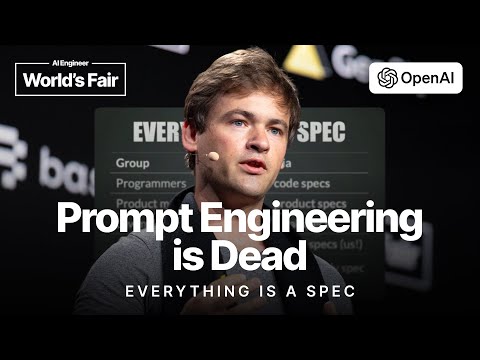
Lin posted on 2026/07/03Ever wondered if code is really the most valuable thing a programmer creates? Sean Grove from OpenAI dives into the concept of 'specifications' as a powerful way to communicate intent, explaining why mastering this skill might be the future of programming. You'll learn about the anatomy of a specification and how it can be used to align humans and even communicate with AI models!
Learn this video on the APP!
The VoiceTube App has more in-depth practice for videos!