
ability
US /əˈbɪlɪti/
UK /ə'bɪlətɪ/
- Noun (Countable/Uncountable)
- The power, resources or skill to do something
- A particular skill or talent.
A2TOEICMoreachieve
US /əˈtʃiv/
UK /ə'tʃi:v/
- Transitive Verb
- To succeed in doing good, usually by working hard
- To succeed in reaching a particular goal, status, or standard, often after effort or perseverance.
A2TOEICMoreaction
US /ˈækʃən/
UK /'ækʃn/
- Noun (Countable/Uncountable)
- Something that a person or thing does
- A lawsuit.
- Intransitive Verb
- To act to do something
A2Moreafter all
US /ˈæftɚ ɔl/
UK /ˈɑ:ftə ɔ:l/
- Adverb
- In spite of what was expected; used to introduce a statement that supports a previous statement or explains why it was made
- Considering everything; used to indicate that something is happening or is true despite some difficulty or obstacle
- Phrase
- Despite what was expected or thought; in spite of everything.
- Taking everything into consideration; considering that.
B1Moreamphibious
US /æmˈfɪbiəs/
UK /æmˈfɪbiəs/
- Adjective
- Operating or living on land and in water
B2Moreannexation
US /ˌænɛksˈeʃən/
UK /ˌænek'seɪʃn/
- Uncountable Noun
- Incorporation of land from a country
B2Morearound the world
US /əˈraʊnd ði wɜrld/
UK /əˈraund ðə wɜː(r)ld/
- Phrase
- In or to many countries.
- In various places throughout the world.
A2Moreas long as
US /æz lɔŋ æz/
UK /æz lɔŋ æz/
- Conjunction
- For the period that; provided that.
- For the length of time that
- Preposition
- On the condition that; providing that.
- Having the same length as.
A1Moreas well as
US /æz wɛl æz/
UK /æz wel æz/
- Adverb
- Also; in addition to
- Preposition
- In addition to; and also.
A1Moreassault
US /əˈsɔlt/
UK /əˈsɔ:lt/
- Transitive Verb
- To attack someone physically or emotionally
- Noun
- An attack on someone physically or emotionally
B1Moreat a time
US /æt e taɪm/
UK /æt ə taim/
- Phrase
- Separately; one by one
- Simultaneously; together
A1Moreat least
US /æt list/
UK /æt li:st/
- Adverb
- As a minimum
- Not less than
- Phrase
- No less than; at the minimum
- Used to indicate that something is positive in a bad situation.
C2Moreat some point
US /æt sʌm pɔɪnt/
UK /æt sʌm pɔint/
- Phrase
- At an unspecified time, usually in the future.
A1Moreblockade
US /blɑ:ˈkeɪd/
UK /blɒˈkeɪd/
- Transitive Verb
- To block or impede the movement of people, objects
- Noun
- Arrangement that blocks or impedes movement
B2Moreby design
US
UK
- Phrase
- Intentionally; deliberately.
A2Moreby now
US /baɪ naʊ/
UK /bai nau/
- Phrase
- At the present time or already; before the present.
A2Morechief among them
US
UK
- Phrase
- Most importantly; the most significant of a group.
A1Morecollision
US /kəˈlɪʒən/
UK /kəˈlɪʒn/
- Noun
- Act of crashing into someone or something else
- A clash of opposing ideas or interests.
B2Morecomplicate
US /ˈkɑ:mplɪkeɪt/
UK /ˈkɒmplɪkeɪt/
- Transitive Verb
- To make more difficult to do, understand or use
B1Moreconclude
US /kənˈklud/
UK /kənˈklu:d/
- Verb (Transitive/Intransitive)
- To finish or cause to finish; end
- To arrive at a judgment or opinion
A2Moreconflict
US /ˈkɑnˌflɪkt/
UK /'kɒnflɪkt/
- Noun (Countable/Uncountable)
- Argument or struggle between two or more parties
- A serious disagreement or argument.
- Verb (Transitive/Intransitive)
- To have opposite ideas; to disagree; To not match
A2Moredefense
US /dɪˈfɛns/
UK /dɪ'fens/
- Noun (Countable/Uncountable)
- Argument in support of something
- The process of protecting something from attack
B1TOEICMoredeter
US /dɪˈtə:/
UK /dɪˈtɜ:(r)/
- Transitive Verb
- To stop people doing a thing; stop from happening
B2TOEICMoredeterrence
US /dɪˈtɚrəns, -ˈtʌr-/
UK /dɪ'terəns/
- Uncountable Noun
- Negative motivational influence
B2Moreelection
US /ɪˈlɛkʃən/
UK /ɪ'lekʃn/
- Noun
- Process of choosing someone by voting
B1TOEICMoreembark
US /ɪmˈbɑ:rk/
UK /ɪmˈbɑ:k/
- Intransitive Verb
- To begin a journey; get on a ship or plane
B2TOEICMoreentrench
US /ɛnˈtrɛntʃ/
UK /ɪn'trentʃ/
- Transitive Verb
- To make an opinion fixed so it is hard to change
C1Moreescalate
US /ˈɛskəˌlet/
UK /ˈeskəleɪt/
- Verb (Transitive/Intransitive)
- To increase in size, intensity, or scope
- To become much worse or more severe
B2Moreexperience in
US
UK
- Phrase
- Knowledge or skill gained from doing something for a period of time.
- Exposure to or involvement in a particular activity or situation.
B1Moreexploit
US /ɪkˈsplɔɪt/
UK /ɪk'splɔɪt/
- Transitive Verb
- To selfishly take advantage of or treat badly
- To use something in a very effective manner
- Noun (Countable/Uncountable)
- Personal journey or series of events
- A bold or daring feat.
B1TOEICMorefacing off
US
UK
- Phrasal Verb
- To oppose one another (often in sports)
A2Morefellow
US /ˈfɛlo/
UK /'feləʊ/
- Noun (Countable/Uncountable)
- Man or a boy
- Student paid to study and teach after college
- Adjective
- Being of the same kind
- Sharing a particular activity, situation, or characteristic.
A2TOEICMorefor all intents and purposes
US /fɚ ɔl ɪnˈtɛnts ænd ˈpɚpəsɪz/
UK /fə ɔ:l ɪnˈtents ənd ˈpɜ:pəsɪz/
- other
- In every practical sense; effectively.
B2Morefor now
US /fɔr naʊ/
UK /fɔ: nau/
- Phrase
- Temporarily; for the present time.
- In the short term; for the immediate future.
A1Morefor the foreseeable
US /fɚ ðə fɔrˈsiəbəl/
UK /fə ðə fɔ:ˈsi:əbl/
- other
- Referring to a time period that can be predicted or expected in the near future.
B2Moreformidable
US /ˈfɔ:rmɪdəbl/
UK /ˈfɔ:mɪdəbl/
- Adjective
- Powerful; causing fear and deserving respect
- Being very hard to deal with or overcome
B2Moregive in
US /ɡɪv ɪn/
UK /ɡiv in/
- Phrasal Verb
- To submit work; hand in
- To stop resisting; to surrender
A1Moregoing on
US /ˈɡoɪŋ ɑn/
UK /ˈgəʊɪŋ ɔn/
- Phrasal Verb
- To continue doing something
- To happen (usually negative)
A1Morehave to
US /hæv tu/
UK /ˈhæv tə/
- Auxiliary Verb
- Must do
A1Morehit back
US /hɪt bæk/
UK /hit bæk/
- Phrasal Verb
- To retaliate; to respond to an attack or criticism with a similar action.
A1Morehold off
US /hold ɔf/
UK /həuld ɔf/
- Phrasal Verb
- To delay doing something; postpone.
- To prevent someone or something from attacking or affecting you.
C1Morehuge
US /hjudʒ/
UK /hju:dʒ/
- Adjective
- Very very large
A2Morein a vacuum
US /ɪn e ˈvækjuəm/
UK /in ə ˈvækjuəm/
- Phrase
- Existing or considered without relation to other things; isolated from outside influences.
- Without any context or background information.
A1Morein fact
US /ɪn fækt/
UK /in fækt/
- Adverb
- Used to emphasize the truth of a statement, especially one that contrasts with or contradicts something else.
- Used to introduce a more detailed or surprising piece of information.
- Phrase
- Used to emphasize the truth of a statement, especially one that is surprising or contrary to what might be expected.
C1Morein mind
US /ɪn maɪnd/
UK /in maind/
- Phrase
- Being aware of or considering something.
- To remember or consider something.
A2Morein relation to
US /ɪn rɪˈleʃən tu/
UK /in riˈleiʃən tu:/
- Phrase
- Concerning; with reference to; regarding.
- Compared with.
B1Morein the aggregate
US /ɪn ði ˈæɡrəɡɪt/
UK /ɪn ði ˈægrɪgət/
- other
- Considering the whole or total amount combined.
C1Morein the future
US /ɪn ði ˈfjutʃɚ/
UK /in ðə ˈfju:tʃə/
- Phrase
- At a later time; in times to come.
A1Morein the middle of
US
UK
- Phrase
- In the central part or point of something.
- Engaged or occupied with something.
A2Morein ways
US
UK
- Phrase
- In a manner or by methods that.
- In certain respects or aspects.
A1Moreinitiate
US /ɪˈnɪʃ.i.eɪt/
UK /ɪˈnɪʃ.i.eɪt/
- Transitive Verb
- To cause something to begin
- To allow someone into a group by a special ceremony
- Noun
- A person who has been initiated into an organization or activity.
A2TOEICMoreinstitute
US / ˈɪnstɪˌtut, -ˌtjut/
UK /'ɪnstɪtju:t/
- Noun (Countable/Uncountable)
- Organization studying science, engineering etc.
- A short intensive course of instruction, often focusing on a specific topic.
- Transitive Verb
- To start or commence doing, e.g. a business plan
- To establish or start (a system, rule, or course of action).
A2TOEICMoreinvade
US /ɪnˈved/
UK /ɪnˈveɪd/
- Transitive Verb
- To enter something causing a harmful result
- To enter (a country or region) so as to subjugate or occupy it.
B1Moreirrational
US /ɪˈræʃənəl/
UK /ɪˈræʃənl/
- Adjective
- Not sensible or reasonable; illogical
- A real number that cannot be expressed as a ratio of two integers.
B2Moreissue
US /ˈɪʃu/
UK /'ɪʃu:/
- Transitive Verb
- To make something available to be used or sold
- To deliver a statement, etc. in an official manner
- Noun (Countable/Uncountable)
- Important topic discussed, debated or argued over
- Single edition of a magazine
A2TOEICMoreleadership
US /ˈli:dərʃɪp/
UK /ˈli:dəʃɪp/
- Uncountable Noun
- Quality of being able to guide or influence others
B1Morelook at
US /lʊk æt/
UK /luk æt/
- Phrasal Verb
- To use your eyes to focus on something
- To focus your eyes on something carefully
A1Moremajor
US /ˈmedʒɚ/
UK /'meɪdʒə(r)/
- Countable Noun
- High-ranking officer in the army
- Main subject you study at university
- Adjective
- Main league; esp. referring to American baseball
- Important, serious, or large in scope, size
A2TOEICMoremilitary
US /ˈmɪlɪˌtɛri/
UK /'mɪlətrɪ/
- Noun
- Army or armed forces
- Adjective
- Concerning the army or navy
B1Moremiscalculation
US / ˌmɪskælkjə-/
UK /ˌmɪskælkjʊ'leɪʃn/
- Noun
- Mistake in mathematics; error in calculating
B2Moreno matter
US
UK
- Conjunction
- Regardless of; it does not matter.
- Adverb
- Regardless of; it is not important
A1Moreof course
US /ʌv kɔː(r)s/
UK /ɔv kɔː(r)s/
- Adverb
- Sure ; Certainly
- Phrase
- For sure; certainly
A2Moreon paper
US /ɑn ˈpeɪpər/
UK /ɔn ˈpeipə/
- Phrase
- In theory or as a plan, but not necessarily in reality.
- Recorded in writing; documented.
A1Moreopponent
US /əˈponənt/
UK /əˈpəʊnənt/
- Noun (Countable/Uncountable)
- Person who opposes an idea or plan; enemy
- Person that you are competing against in a game
B1Moreoutside the box
US
UK
- Phrase
- Thinking in a new and creative way.
- Adjective
- Innovative or unconventional.
A1Moreperspective
US /pɚˈspɛktɪv/
UK /pə'spektɪv/
- Noun (Countable/Uncountable)
- Artistic method of creating a sense of distance
- Ability to understand what is important in life
B1TOEICMorepotentially
US /pəˈtɛnʃəlɪ/
UK /pə'tenʃəlɪ/
- Adverb
- That could happen or become reality
B1Morepractice
US /ˈpræktɪs/
UK /'præktɪs/
- Noun
- The office and place for legal or medical work
- Doing something many times to become better at it
- Verb (Transitive/Intransitive)
- To work as a doctor or lawyer
- To live according to the teachings of a religion
A2TOEICMorepropaganda
US /ˌprɑ:pə'ɡændə/
UK /ˌprɒpə'ɡændə/
- Uncountable Noun
- (Use of) message that you want people to accept
- The systematic dissemination of information, especially in a biased or misleading way, in order to promote a political cause or point of view.
B1Morequarantine
US /ˈkwɔrənˌtin, ˈkwɑr-/
UK /'kwɒrənti:n/
- Transitive Verb
- To isolate ill people to prevent disease spreading
- Noun (Countable/Uncountable)
- The place to isolate sick plants, animals
C1Morerational
US /ˈræʃənəl/
UK /'ræʃnəl/
- Adjective
- Able to think clearly
- A real number that can be written as a ratio of two integers.
- Noun
- A rational person.
A2TOEICMoreregime
US /reˈʒim, rɪ-/
UK /reɪˈʒi:m/
- Noun
- A system of management; a form of government
B1Moreresistance
US /rɪˈzɪstəns/
UK /rɪ'zɪstəns/
- Noun (Countable/Uncountable)
- Force that stops or slows movement of something
- Refusal to accept something new or different
A2TOEICMoreresolve
US /rɪˈzɑlv/
UK /rɪ'zɒlv/
- Verb (Transitive/Intransitive)
- To make a decision to do something
- To find an answer, solution to a problem/ question
- Uncountable Noun
- Firm determination to do something.
B1TOEICMorereunification
US /ˌrijunəfəˈkeʃən/
UK /ˌri:ˌju:nɪfɪ'keɪʃn/
- Uncountable Noun
- State of putting separate things together again
C2Morerule out
US /rul aʊt/
UK /ru:l aut/
- Phrasal Verb
- To eliminate as a possibility; exclude.
A1Morescenario
US /səˈner.i.oʊ/
UK /sɪˈnɑː.ri.əʊ/
- Noun
- An imagined sequence of events in a plan/project
B1Moreset up
US /sɛt ʌp/
UK /set ʌp/
- Phrasal Verb
- To make arrangements for something; establish
- Verb (Transitive/Intransitive)
- To arrange or prepare something for use.
- To start a business, organization, etc.
A1Morestrait
US /stret/
UK /streɪt/
- Noun
- Channel joining large bodies of water
C2Morestrength
US /strɛŋkθ, strɛŋθ, strɛnθ/
UK /streŋθ/
- Noun (Countable/Uncountable)
- Condition of being strong
- The quality or state of being physically strong.
A2TOEICMoresuperpower
US /ˈsu:pərpaʊə(r)/
UK /ˈsu:pəpaʊə(r)/
- Noun
- State powerful enough to influence world events
C2Moretalking about
US
UK
- Phrasal Verb
- To discuss a particular topic.
- To be constantly mentioning or bringing up a subject.
A1Morethink twice
US /θɪŋk twaɪs/
UK /θiŋk twais/
- Verb (Transitive/Intransitive)
- To consider something carefully before doing it, especially because it could have negative consequences.
A1Moreundermine
US /ˌʌndərˈmaɪn/
UK /ˌʌndəˈmaɪn/
- Transitive Verb
- To weaken or destroy secretly and usually slowly
- To excavate the foundation or supporting material of (a building, cliff, etc.).
B2TOEICMore
Vocabulary
- look at: To use your eyes to focus on something
- no matter: Regardless of; it does not matter.
- talking about: To discuss a particular topic.
- facing off: To oppose one another (often in sports)
- on paper: In theory or as a plan, but not necessarily in reality.
- around the world: In or to many countries.
- in relation to: Concerning; with reference to; regarding.
- rule out: To eliminate as a possibility; exclude.
- experience in: Knowledge or skill gained from doing something for a period of time.
- give in: To submit work; hand in
- in fact: Used to emphasize the truth of a statement, especially one that contrasts with or contradicts something else.
- set up
- think twice: To consider something carefully before doing it, especially because it could have negative consequences.
- at a time: Separately; one by one
- by now: At the present time or already; before the present.
- in a vacuum: Existing or considered without relation to other things; isolated from outside influences.
- in the aggregate: Considering the whole or total amount combined.
- in ways: In a manner or by methods that.
- have to: Must do
- hold off: To delay doing something; postpone.
- outside the box: Thinking in a new and creative way.
- going on: To continue doing something
- at least: As a minimum
- in mind: Being aware of or considering something.
- for all intents and purposes: In every practical sense; effectively.
- for the foreseeable: Referring to a time period that can be predicted or expected in the near future.
- as long as: For the period that; provided that.
- of course: Sure ; Certainly
- in the future: At a later time; in times to come.
- at some point: At an unspecified time, usually in the future.
- after all: In spite of what was expected; used to introduce a statement that supports a previous statement or explains why it was made
- chief among them: Most importantly; the most significant of a group.
- hit back: To retaliate; to respond to an attack or criticism with a similar action.
- by design: Intentionally; deliberately.
- in the middle of: In the central part or point of something.
- as well as: Also; in addition to
- for now: Temporarily; for the present time.
- perspective: Artistic method of creating a sense of distance
- scenario: An imagined sequence of events in a plan/project
- practice: The office and place for legal or medical work
- matter: To be of great importance; to count
- experience: Thing a person has done or that happened to them
- potentially: That could happen or become reality
- conflict: Argument or struggle between two or more parties
- force: Group of persons trained for military action; army
- expect: To believe something is probably going to happen
- achieve: To succeed in doing good, usually by working hard
- strength: Condition of being strong
- fear: Unpleasant feeling caused by being aware of danger
- environment: Natural world in which plants and animals live
- rational: Able to think clearly
- ability: The power, resources or skill to do something
- exploit: To selfishly take advantage of or treat badly
- military: Army or armed forces
- quarantine: To isolate ill people to prevent disease spreading
- issue: To make something available to be used or sold
- regime: A system of management; a form of government
- simply: In an easy or clear manner
- huge: Very very large
- decision: Choice made after thinking; final judgment
- initiate: To cause something to begin
- opponent: Person who opposes an idea or plan; enemy
- undermine: To weaken or destroy secretly and usually slowly
- fellow: Man or a boy
- propaganda: (Use of) message that you want people to accept
- irrational: Not sensible or reasonable; illogical
- resistance: Force that stops or slows movement of something
- institute: Organization studying science, engineering etc.
- assault: To attack someone physically or emotionally
- major: High-ranking officer in the army
- deter: To stop people doing a thing; stop from happening
- collision: Act of crashing into someone or something else
- resolve: To make a decision to do something
- complicate: To make more difficult to do, understand or use
- defense: Argument in support of something
- escalate: To increase in size, intensity, or scope
- kind: In a caring and helpful manner
- formidable: Powerful; causing fear and deserving respect
- learn: To get knowledge or skills by study or experience
- invade: To enter something causing a harmful result
- embark: To begin a journey; get on a ship or plane
- election: Process of choosing someone by voting
- modern: Of the present time; up to date; contemporary
- argue: To fight or disagree over something
- middle: Place that is halfway between two things
- conclude: To finish or cause to finish; end
- make: To arrange or prepare something e.g. dinner
- prepare: To make something ready for use
- strait: Channel joining large bodies of water
- action: Something that a person or thing does
- amphibious: Operating or living on land and in water
- leadership: Quality of being able to guide or influence others
- blockade: To block or impede the movement of people, objects
- reunification: State of putting separate things together again
- deterrence: Negative motivational influence
- entrench: To make an opinion fixed so it is hard to change
- annexation: Incorporation of land from a country
- superpower: State powerful enough to influence world events
- miscalculation: Mistake in mathematics; error in calculating
Get the full experience in the app
Learn anywhere with detailed sentence and usage analysis
01:03
She took a brave step forward, leaving behind her comfort zone to chase her dreams.
Vocabulary
- brave
adj. Having courage
- comfort zone
phr. A familiar situation where one feels safe
Explanation
a brave step is a noun phrase, where brave is an adjective modifying the noun step, meaning "a courageous step".
forward is an adverb modifying step, meaning "ahead".
The whole phrase serves as the object, answering the "what" of took (verb) — she took a brave step forward.
Get the full experience in the app
Look up words anytime with pronunciation, part of speech, and usage
brave
US/brev/
UK/breɪv/
adj.Brave
v.t.To bravely face
A2 Elementary
Get the full experience in the app
Practice speaking anytime and get instant pronunciation feedback
Try this speaking exercise.
Try practicing with this sentence.
80
0
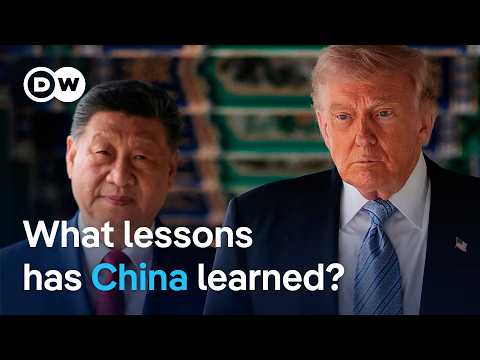
林宜悉 posted on 2026/07/01Ever wondered what China learned from the US and Israeli conflict in Iran? This video dives into how that situation might influence Beijing's thinking on Taiwan, exploring key phrases like "protracted conflict" and "asymmetrical capabilities" that are crucial for understanding international relations. You'll gain insights into geopolitical strategy and pick up valuable vocabulary for discussing global affairs!
Learn this video on the APP!
The VoiceTube App has more in-depth practice for videos!