
afford
US /əˈfɔrd, əˈford/
UK /ə'fɔ:d/
- Transitive Verb
- To make available, to provide
- To have enough money to pay for something
A2TOEICMoreaffordable
US /əˈfɔrdəbəl, əˈfor-/
UK /ə'fɔ:dəbl/
- Adjective
- Cheap enough that it can be paid for
- Relatively inexpensive housing, especially for those with low or moderate incomes.
A2Moreartificial
US /ˌɑrtəˈfɪʃəl/
UK /ˌɑ:tɪ'fɪʃl/
- Adjective
- Dishonest, to seem fake, not sincere
- (Something) made by people; not created by nature
B1TOEICMoreat least
US /æt list/
UK /æt li:st/
- Adverb
- As a minimum
- Not less than
- Phrase
- No less than; at the minimum
- Used to indicate that something is positive in a bad situation.
C2Moreaverage
US /ˈævərɪdʒ, ˈævrɪdʒ/
UK /'ævərɪdʒ/
- Noun (Countable/Uncountable)
- Total of numbers divided by the number of items
- Transitive Verb
- To add numbers then divide by the number of items
A2TOEICMoreback then
US
UK
- Phrase
- At that time in the past.
A1Morebased on
US
UK
- Phrasal Verb
- To use something as the foundation or starting point for something else.
- Preposition
- Using something as the main idea or foundation.
- Relying on something as evidence or justification.
A1Moreby accident
US /baɪ ˈæksɪdənt/
UK /bai ˈæksidənt/
- Phrase
- Without intending to; unintentionally.
by itself
US /baɪ ɪtˈsɛlf/
UK /bai itˈself/
- Adverb
- Alone; without help or assistance.
- Without any external influence or aid.
A2Morecredit
US /ˈkrɛdɪt/
UK /'kredɪt/
- Noun (Countable/Uncountable)
- System to buy something and pay for it later
- Points earned instead of money
- Transitive Verb
- To add a certain amount of money to a total
- To recognize someone's achievements or help
A2Moredebt
US /dɛt/
UK /det/
- Noun (Countable/Uncountable)
- Sum of money owed to someone that is not yet paid
- A moral or social obligation.
A2TOEICMoredestroy
US /dɪˈstrɔɪ/
UK /dɪ'strɔɪ/
- Transitive Verb
- To damage so badly that something no longer exists
- To defeat someone or something easily
A2TOEICMoreenergy
US /ˈɛnədʒi/
UK /'enədʒɪ/
- Noun (Countable/Uncountable)
- Physical or mental strength
- Enthusiasm and determination.
A2Moreestate
US /ɪˈstet/
UK /ɪˈsteɪt/
- Noun (Countable/Uncountable)
- A large piece of land, usually with a large house
- Group of houses all built at the same time
A2TOEICMoreexplode
US /ɪkˈsplod/
UK /ɪk'spləʊd/
- Verb (Transitive/Intransitive)
- To express an emotion in a sudden and loud way
- To increase in number or amount very quickly
B1Morefederal
US /ˈfɛdərəl, ˈfɛdrəl/
UK /'fedərəl/
- Adjective
- Consisting of several united states
- Relating to a system of government in which power is divided between a central authority and constituent political units.
- Proper Noun
- The central banking system of the United States.
B1Moregiant
US /ˈdʒaɪənt/
UK /'dʒaɪənt/
- Countable Noun
- Tall, large, and powerful human-like creatures
- Very successful, powerful person or organization
- Adjective
- Very large, or much bigger than other things
A2Moreglobalization
US /ˌgloʊbələˈzeɪʃn/
UK /ˌgləʊbəlaɪˈzeɪʃn/
- Noun (Countable/Uncountable)
- International spread of something, e.g. company
- The worldwide spread of culture, ideas, and technologies, influencing various aspects of life.
B1Morego back to
US /ɡo bæk tu/
UK /ɡəu bæk tu:/
- Phrasal Verb
- To return to a starting point
A1Moregot to
US /ɡɑt tu/
UK /gɔt tu:/
- Verb (Transitive/Intransitive)
- To arrive at some place
- To have the opportunity or permission to do something
- Phrasal Verb
- To appeal to the emotions of; move
- To finally begin to start something after a delay
A1Morehave to
US /hæv tu/
UK /ˈhæv tə/
- Auxiliary Verb
- Must do
A1Morehuge
US /hjudʒ/
UK /hju:dʒ/
- Adjective
- Very very large
A2Moreimpose
US /ɪmˈpoʊz/
UK /ɪmˈpəʊz/
- Transitive Verb
- To make someone to do or endure something
A2TOEICMorein other words
US
UK
- Phrase
- Stating something in a different way, often to make it clearer or more understandable.
in some part
US
UK
- Phrase
- In a certain area or location, but not everywhere.
- To a certain extent or degree, but not completely.
A1Morein the past
US
UK
- Phrase
- During a former period of time; previously.
A1Morein the world
US /ɪn ði wɜrld/
UK /in ðə wɜː(r)ld/
- Phrase
- Used to emphasize a question expressing surprise, confusion, disbelief
- Used to indicate the extent or degree of something, often in a superlative sense
A1Moreinflation
US /ɪnˈfleʃən/
UK /ɪn'fleɪʃn/
- Noun (Countable/Uncountable)
- Act of filling something with air or gas
- Continual rise in the prices of products
B1TOEICMoreinsanely
US /ɪn'seɪnlɪ/
UK /ɪn'seɪnlɪ/
- Adverb
- In an insane manner
B2Moreliterally
US /ˈlɪtərəli/
UK
- Adverb
- In a literal manner or sense; exactly as stated.
- Used for emphasis to describe something that is actually true, often to highlight surprise or intensity.
B1Morelook at
US /lʊk æt/
UK /luk æt/
- Phrasal Verb
- To use your eyes to focus on something
- To focus your eyes on something carefully
A1Moremajor
US /ˈmedʒɚ/
UK /'meɪdʒə(r)/
- Countable Noun
- High-ranking officer in the army
- Main subject you study at university
- Adjective
- Main league; esp. referring to American baseball
- Important, serious, or large in scope, size
A2TOEICMoremake it worse
US
UK
- Transitive Verb
- To aggravate a situation; to make something bad even worse.
A1Moremortgage
US /ˈmɔrɡɪdʒ/
UK /'mɔ:ɡɪdʒ/
- Noun (Countable/Uncountable)
- Long-term loan from a bank for buying property
- A legal agreement in which you borrow money in order to buy a house using the house as a guarantee
- Transitive Verb
- To borrow money to buy a house, giving the lender the right to take ownership of the property if you cannot pay the debt
B1TOEICMoreno matter
US
UK
- Conjunction
- Regardless of; it does not matter.
- Adverb
- Regardless of; it is not important
A1Moreon credit
US /ɑn ˈkrɛdɪt/
UK /ɒn ˈkredɪt/
- Preposition
- Purchasing something now but paying for it later.
A2Moreout of control
US /aʊt ʌv kənˈtrol/
UK /aut ɔv kənˈtrəul/
- Adjective
- Impossible to manage or control.
- Not able to be directed or steered.
A1Morereserve
US /rɪˈzɚv/
UK /rɪ'zɜ:v/
- Transitive Verb
- To arrange for a room or table be kept for you
- To not use all of, so you can use it later
- Noun (Countable/Uncountable)
- Area of land set aside as for a people
- Park or area for wildlife to roam free
A2Moreresponsible
US / rɪˈspɑnsəbəl/
UK /rɪ'spɒnsəbl/
- Adjective
- Being the cause of something that has occurred
- Having the duty of dealing with something
A2TOEICMoresanction
US /ˈsæŋkʃən/
UK /'sæŋkʃn/
- Noun (Countable/Uncountable)
- Official support or approval
- Action taken to force a country to obey laws
- Transitive Verb
- To allow or approve something
B2TOEICMoreslow down
US /slo daʊn/
UK /sləu daun/
- Phrasal Verb
- To reduce the speed
- To become less active or busy.
A1Morestock
US /stɑk/
UK /stɒk/
- Noun (Countable/Uncountable)
- Animals such as cattle kept for breeding
- Merchandise; goods kept by a business for sale
- Uncountable Noun
- Tasty liquid added to stews, soups etc.
B2TOEICMoresubstantially
US /səbˈstænʃəlɪ/
UK /səbˈstænʃəli/
- Adverb
- In a basic, general manner
- To a very large, significant degree
C2Moreto do with
US
UK
- Phrasal Verb
- To be about something; concern
A1Moreunder control
US /ˈʌndɚ kənˈtrol/
UK /ˈʌndə kənˈtrəul/
- Adjective
- Being managed or restrained; not out of hand.
- Having one's emotions or impulses restrained.
- Phrase
- A situation that is being managed effectively.
C1Morewealth
US /wɛlθ/
UK /welθ/
- Uncountable Noun
- Amount of money or possessions you own, e.g. large
A2TOEICMore
Vocabulary
- look at: To use your eyes to focus on something
- have to: Must do
- at least: As a minimum
- based on: To use something as the foundation or starting point for something else.
- in the world: Used to emphasize a question expressing surprise, confusion, disbelief
- no matter: Regardless of; it does not matter.
- on credit: Purchasing something now but paying for it later.
- in the past: During a former period of time; previously.
- by itself: Alone; without help or assistance.
- in other words: Stating something in a different way, often to make it clearer or more understandable.
- to do with: To be about something; concern
- out of control: Impossible to manage or control.
- under control: Being managed or restrained; not out of hand.
- got to: To arrive at some place
- make it worse: To aggravate a situation; to make something bad even worse.
- by accident: Without intending to; unintentionally.
- go back to: To return to a starting point
- back then: At that time in the past.
- in some part: In a certain area or location, but not everywhere.
- slow down: To reduce the speed
- literally: In a literal manner or sense; exactly as stated.
- matter: To be of great importance; to count
- realize: To become aware of or understand mentally
- average: Total of numbers divided by the number of items
- artificial: Dishonest, to seem fake, not sincere
- increase: To make or become larger in size or amount
- mortgage: Long-term loan from a bank for buying property
- debt: Sum of money owed to someone that is not yet paid
- afford: To make available, to provide
- inflation: Act of filling something with air or gas
- federal: Consisting of several united states
- simply: In an easy or clear manner
- huge: Very very large
- stock: Animals such as cattle kept for breeding
- compare: To consider how similar and different things are
- suddenly: In an unexpected or very quick manner
- estate: A large piece of land, usually with a large house
- giant: Tall, large, and powerful human-like creatures
- responsible: Being the cause of something that has occurred
- throw: To use your arm to make something fly in the air
- rest: Time when one relaxes, sleeps, or is inactive
- interest: Best or most advantageous thing for someone
- economy: Using money, resources in a careful, effective way
- major: High-ranking officer in the army
- produce: Fresh foods such as fruits and vegetables
- wealth: Amount of money or possessions you own, e.g. large
- energy: Physical or mental strength
- affordable: Cheap enough that it can be paid for
- credit: System to buy something and pay for it later
- destroy: To damage so badly that something no longer exists
- lot: What happens to a person in life from chance; fate
- reserve: To arrange for a room or table be kept for you
- single: One run in cricket or a hit baseball
- sanction: Official support or approval
- impose: To make someone to do or endure something
- control: A device designed to operate a machine
- explode: To express an emotion in a sudden and loud way
- substantially: In a basic, general manner
- insanely: In an insane manner
- middle: Place that is halfway between two things
- globalization: International spread of something, e.g. company
Get the full experience in the app
Learn anywhere with detailed sentence and usage analysis
01:03
She took a brave step forward, leaving behind her comfort zone to chase her dreams.
Vocabulary
- brave
adj. Having courage
- comfort zone
phr. A familiar situation where one feels safe
Explanation
a brave step is a noun phrase, where brave is an adjective modifying the noun step, meaning "a courageous step".
forward is an adverb modifying step, meaning "ahead".
The whole phrase serves as the object, answering the "what" of took (verb) — she took a brave step forward.
Get the full experience in the app
Look up words anytime with pronunciation, part of speech, and usage
brave
US/brev/
UK/breɪv/
adj.Brave
v.t.To bravely face
A2 Elementary
Get the full experience in the app
Practice speaking anytime and get instant pronunciation feedback
Try this speaking exercise.
Try practicing with this sentence.
80
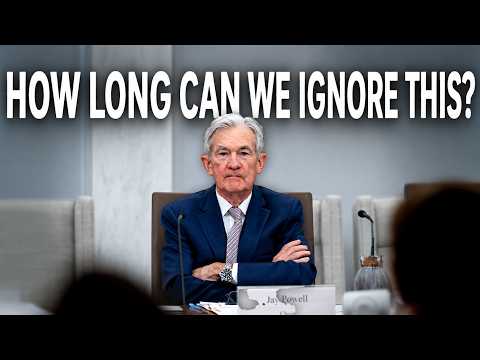
Why is everything suddenly so expensive - What the Fed doesn't want you to know
0
林宜悉 posted on 2026/06/28Ever wonder why everything feels so expensive lately, even if your paycheck seems bigger? This video dives into the surprising reasons behind rising prices, questioning the official inflation numbers and revealing how the value of your money might be shrinking faster than you think! You'll pick up key phrases for discussing economics and understand how factors like credit card debt and the housing market are connected.
Learn this video on the APP!
The VoiceTube App has more in-depth practice for videos!