
abdominal
US /æbˈdɑ:mɪnl/
UK /æbˈdɒmɪnl/
- Adjective
- Concerned with the stomach area of a body
- Countable Noun
- An abdominal muscle.
C1Morealong with
US /əˈlɔŋ wɪð/
UK /əˈlɔŋ wið/
- Preposition
- In addition to; together with.
- Adverb
- In company or together with someone or something.
- Including; in addition to.
A2Moreamazing
US /ə'meɪzɪŋ/
UK /ə'meɪzɪŋ/
- Adjective
- Surprising in a pleasing way
- Transitive Verb
- To cause wonder; to surprise completely
A2Moreamino
US /ə'miːnəʊ/
UK /ə'miːnəʊ/
- Noun
- Of some substances that form proteins
C2Moreanxiety
US /æŋˈzaɪɪti/
UK /æŋ'zaɪətɪ/
- Uncountable Noun
- A feeling of worry, nervousness, or unease about something that might happen, especially when the outcome is uncertain.
B1Moreas well as
US /æz wɛl æz/
UK /æz wel æz/
- Adverb
- Also; in addition to
- Preposition
- In addition to; and also.
A1Moreat least
US /æt list/
UK /æt li:st/
- Adverb
- As a minimum
- Not less than
- Phrase
- No less than; at the minimum
- Used to indicate that something is positive in a bad situation.
C2Moreat the moment
US
UK
- Adverb
- At this time; now
A1Moreat the same time
US
UK
- Phrase
- Simultaneously; at the identical moment.
- Nevertheless; however; used to introduce a contrasting or qualifying statement.
A1Moreback into
US /bæk ˈɪntu/
UK /bæk ˈɪntuː/
- Phrasal Verb
- To drive a vehicle backwards into a space or area.
- To accidentally collide with something while moving backwards.
A1Morebased on
US
UK
- Phrasal Verb
- To use something as the foundation or starting point for something else.
- Preposition
- Using something as the main idea or foundation.
- Relying on something as evidence or justification.
A1Morebear on
US
UK
- Phrasal Verb
- To have an influence or effect on something.
biological
US /ˌbaɪəˈlɑdʒɪkəl/
UK /ˌbaɪəˈlɒdʒɪkl/
- Adjective
- Being related to life and living things
- A substance, such as a detergent, that contains enzymes.
B1Morebreakthrough
US /ˈbrekˌθru/
UK /'breɪkθru:/
- Countable Noun
- Important discovery in doing something difficult
B2TOEICMorebreathe
US /brið/
UK /bri:ð/
- Verb (Transitive/Intransitive)
- To move air into and out of your lungs
- To say something very softly
A2Morebreathe in
US /brið ɪn/
UK /bri:ð in/
- Phrasal Verb
- To inhale; to take air into the lungs.
B1Morebright
US /braɪt/
UK /braɪt/
- Adjective
- Cheerful and happy (manner)
- (Of color) light and easy to see; vivid
A2Morebring along
US
UK
- Phrasal Verb
- To take someone or something with you.
A2Morebring to
US /brɪŋ tu/
UK /briŋ tu:/
- Phrasal Verb
- To make someone to wake up from being unconscious
A1Morebring together
US /brɪŋ təˈɡɛðɚ/
UK /briŋ təˈɡeðə/
- Phrasal Verb
- To cause people to be friendly or to work well with each other.
- To combine or unite different things, ideas, or elements.
A1Morecarbon
US /ˈkɑrbən/
UK /'kɑ:bən/
- Uncountable Noun
- Chemical element with an atomic number of 6
B1Morecarry out
US /ˈkæri aʊt/
UK /ˈkæri aut/
- Phrasal Verb
- To fulfill or perform your instructions, duty
- Verb (Transitive/Intransitive)
- To perform or execute a task, order, or plan.
- To remove something or someone from a place.
A1Morechemistry
US /ˈkɛmɪstri/
UK /'kemɪstrɪ/
- Uncountable Noun
- The study of the structure of substances
B1Morechip
US /tʃɪp/
UK /tʃɪp/
- Transitive Verb
- To break a small piece off something such as a cup
- To break into small pieces, often with a tool
- Noun (Countable/Uncountable)
- Small piece that has broken off (e.g. from cup)
- Piece of computer hardware that does calculations
B1Morecome from
US /kʌm frʌm/
UK /kʌm frɔm/
- Phrasal Verb
- To have as your native country or city
A1Morecome together
US /kʌm təˈɡɛðɚ/
UK /kʌm təˈɡeðə/
- Phrasal Verb
- To assemble or unite; to start working together.
- To form a close relationship or bond.
A1Morecook up
US /kʊk ʌp/
UK /kuk ʌp/
- Phrasal Verb
- To invent a story or plan, especially dishonestly.
- To prepare food quickly and easily.
A1Moredegradation
US /ˌdɛɡrəˈdeʃən/
UK /ˌdegrəˈdeɪʃn/
- Noun (Countable/Uncountable)
- Reduction in quality or character
- The act of treating someone poorly and without respect.
B2Moredepending on
US
UK
- Phrasal Verb
- To rely on for support (financial or emotional)
- Influenced or determined by.
- Preposition
- Subject to; contingent on
- Relying on someone or something for support or assistance.
A2Moredisease
US /dɪˈziz/
UK /dɪˈzi:z/
- Noun (Countable/Uncountable)
- Illness that affects a person, animal, or plant
- A disorder of structure or function in a plant, especially one caused by a pathogen.
- Transitive Verb
- To affect with disease; to corrupt or sicken.
A2TOEICMoredo in
US
UK
- Phrasal Verb
- To make completely tired out and exhausted
- To destroy or cause damage to someone
A1Morefaculty
US /ˈfækəlti/
UK /'fækltɪ/
- Noun (Countable/Uncountable)
- Ability to do something with the power of the mind
- The teachers in a school or college
B1Morefigure out
US /ˈfɪɡjɚ aʊt/
UK /ˈfiɡə aut/
- Phrasal Verb
- To understand the behavior of someone
- To think through logically to find a solution
- Verb (Transitive/Intransitive)
- To understand or find an answer to something.
- To find a solution to a problem or understand something.
A1Moreflow
US /flo/
UK /fləʊ/
- Intransitive Verb
- To move steadily and easily in a certain direction
- Uncountable Noun
- Amount of something that moves through an area
A2Morefor example
US
UK
- Phrase
- As an illustration or instance.
function
US /ˈfʌŋkʃən/
UK /'fʌŋkʃn/
- Noun
- Social event, or party such as a wedding
- Mathematical operation used in calculations
- Intransitive Verb
- To serve a certain purpose or role
- To be operating, working or achieving its purpose
A2TOEICMoregeneralize
US /ˈdʒɛnərəˌlaɪz/
UK /'dʒenrəlaɪz/
- Verb (Transitive/Intransitive)
- To apply a particular idea to a large group
B2Morego back to
US /ɡo bæk tu/
UK /ɡəu bæk tu:/
- Phrasal Verb
- To return to a starting point
A1Morego on
US /ɡo ɑn/
UK /ɡəu ɔn/
- Phrasal Verb
- To continue doing something
- To happen (usually negative)
- Interjection
- Used to encourage someone
A1Moregoal
US /ɡol/
UK /ɡəʊl/
- Noun (Countable/Uncountable)
- Something you try to do or achieve; an aim
- (Sports) net into which you put a ball to score
A2TOEICMoregoing on
US /ˈɡoɪŋ ɑn/
UK /ˈgəʊɪŋ ɔn/
- Phrasal Verb
- To continue doing something
- To happen (usually negative)
A1Moregot to
US /ɡɑt tu/
UK /gɔt tu:/
- Verb (Transitive/Intransitive)
- To arrive at some place
- To have the opportunity or permission to do something
- Phrasal Verb
- To appeal to the emotions of; move
- To finally begin to start something after a delay
A1Moregrant
US /ɡrænt/
UK /ɡrɑ:nt/
- Transitive Verb
- To admit an opinion is true but not fully agreeing
- To give or let someone do what they want
- Uncountable Noun
- Money given for education or research
A2TOEICMoregrow on
US /ɡro ɑn/
UK /ɡrəu ɔn/
- Phrasal Verb
- To cause someone to begin to like
A1Morehave on
US /hæv ɑn/
UK /hæv ɔn/
- Phrasal Verb
- To be wearing something.
- To deceive or trick someone, often in a playful way.
A1Morehave to
US /hæv tu/
UK /ˈhæv tə/
- Auxiliary Verb
- Must do
A1Moreheal
US /hi:l/
UK /hi:l/
- Verb (Transitive/Intransitive)
- To recover from or forget a bad experience
- To make or become healthy or well again
B1Morein a row
US /ɪn e ro/
UK /in ə rəu/
- Phrase
- One after another without a break.
- Arranged in a straight line.
- Idiom
- To have an argument.
A1Morein agreement
US
UK
- Adjective
- Sharing the same opinion or feeling.
- Having reached a mutual understanding or contract.
- Phrase
- Existing in harmony or correspondence.
B2Morein different ways
US
UK
- Phrase
- Using various methods or approaches; with variety.
- In varying manners or styles; not uniformly.
A1Morein fact
US /ɪn fækt/
UK /in fækt/
- Adverb
- Used to emphasize the truth of a statement, especially one that contrasts with or contradicts something else.
- Used to introduce a more detailed or surprising piece of information.
- Phrase
- Used to emphasize the truth of a statement, especially one that is surprising or contrary to what might be expected.
C1Morein general
US /ɪn ˈdʒɛnərəl/
UK /in ˈdʒenərəl/
- Phrase
- Typically; usually; on the whole.
- Not specific or detailed; broadly.
- Adjective
- Not detailed or specific; overall.
C2Morein on
US
UK
- Phrase
- To be involved in a secret or plan.
- To be aware of something that is secret or not generally known.
A1Morein order to
US /ɪn ˈɔrdɚ tu/
UK /in ˈɔ:də tu:/
- Preposition
- For the purpose of; with the aim of.
- Phrase
- In a specific sequence or arrangement.
- With the aim of; for the purpose of.
C1Morein parallel
US /ɪn ˈpærəˌlɛl/
UK /in ˈpærəlel/
- Adverb
- Done at the same time; simultaneously.
- Adjective
- Relating to a system where multiple operations are carried out simultaneously, especially in computing.
C2Morein particular
US /ɪn pɚˈtɪkjəlɚ/
UK /in pəˈtikjulə/
- Phrase
- Specifically; especially.
- Detailed or precise.
A1Morein principle
US /ɪn ˈprɪnsəpəl/
UK /in ˈprinsəpl/
- Phrase
- In theory; as a general idea, though not yet in practice or detail.
C1Morein terms of
US
UK
- Phrase
- With regard to; concerning a particular aspect.
A1Morein the end
US /ɪn ði ɛnd/
UK /in ðə end/
- Phrase
- Finally; after a period of time or series of events.
- Ultimately; as the final result or consequence.
A1Morein the past
US
UK
- Phrase
- During a former period of time; previously.
A1Morein the way
US /ɪn ði we/
UK /in ðə wei/
- Phrase
- Obstructing someone or something; hindering progress.
- Stored or placed so as to be available or ready when needed.
A1Morein total
US /ɪn ˈtotl/
UK /in ˈtəutəl/
- Phrase
- Completely; with everything added together.
A1Morein ways
US
UK
- Phrase
- In a manner or by methods that.
- In certain respects or aspects.
A1Moreindividual
US /ˌɪndəˈvɪdʒuəl/
UK /ˌɪndɪˈvɪdʒuəl/
- Countable Noun
- Single person, looked at separately from others
- A single thing or item, especially when part of a set or group.
- Adjective
- Made for use by one single person
- Having a distinct manner different from others
A2Moreinstead of
US /ɪnˈstɛd ʌv/
UK /inˈsted ɔv/
- Preposition
- When one thing is replaced by another
- Adverb
- As a substitute or alternative.
A1Moreinteract with
US /ˌɪntɚˈækt wɪð/
UK /ˌɪntərˈækt wið/
- Phrase
- Verb (Transitive/Intransitive)
- To engage in communication or action involving mutual or reciprocal influence.
- To use a computer interface to achieve a specific goal.
A2Moreinteraction
US /ˌɪntɚˈækʃən/
UK /ˌɪntər'ækʃn/
- Noun (Countable/Uncountable)
- Process of people or things affecting each other
- The activity of talking to other people, working together etc
A2Moreinterest of
US
UK
- Phrase
- For the benefit or advantage of someone or something.
- A feeling of wanting to know or learn about something or someone.
- Noun
- A legal share or right in something.
A1Moreinvasive
US /ɪnˈvesɪv/
UK /ɪnˈveɪsɪv/
- Adjective
- Entering the body, etc. in a destructive way
- Tending to spread aggressively; intrusive.
C1Morelead to
US /lid tu/
UK /li:d tu:/
- Phrasal Verb
- To result in some action
- Verb (Transitive/Intransitive)
- To have something as a consequence or result.
A1Moreliver
US /ˈlɪvɚ/
UK /ˈlɪvə(r)/
- Noun (Countable/Uncountable)
- Organ from animals served as food
- Organ that absorbs food and cleans the blood
B1Morelook at
US /lʊk æt/
UK /luk æt/
- Phrasal Verb
- To use your eyes to focus on something
- To focus your eyes on something carefully
A1Moremap out
US /mæp aʊt/
UK /mæp aut/
- Phrasal Verb
- To plan or arrange something in detail.
A2Morematernal
US /məˈtɜ:rnl/
UK /məˈtɜ:nl/
- Adjective
- Of mothers or being a mother
B2TOEICMoremetabolism
US /mɪˈtæbəˌlɪzəm/
UK /məˈtæbəlɪzəm/
- Uncountable Noun
- Chemical processes to convert food to energy
- The rate at which the body uses energy.
B2Moremimic
US /ˈmɪmɪk/
UK /'mɪmɪk/
- Countable Noun
- Someone who tries to act like another person
- Transitive Verb
- To copy a person's words/actions to amuse people
B2Moremolecule
US /ˈmɑlɪˌkjul/
UK /ˈmɒlɪkju:l/
- Noun
- Two or more atoms chemically combined
B2Moreno matter
US
UK
- Conjunction
- Regardless of; it does not matter.
- Adverb
- Regardless of; it is not important
A1Moreof course
US /ʌv kɔː(r)s/
UK /ɔv kɔː(r)s/
- Adverb
- Sure ; Certainly
- Phrase
- For sure; certainly
A2Moreon average
US /ɑn ˈævərɪdʒ/
UK /ɔn ˈævəridʒ/
- Phrase
- Typically; usually; based on an average calculation.
B1Moreon earth
US /ɑn ɚθ/
UK /ɔn ə:θ/
- Phrase
- Used to emphasize a question expressing surprise or anger.
- Used to emphasize that something is not possible or will not happen.
A1Moreon the bench
US
UK
- Phrase
- Not actively playing in a game; in reserve.
- Serving as a judge; presiding over a court.
A1Moreon the internet
US
UK
- Phrase
- Located or available on the internet.
- Using the internet as a medium or platform.
A1Moreon the order of
US /ɑn ðə ˈɔrdɚ ʌv/
UK /ɒn ðə ˈɔ:də ɒv/
- Preposition
- Approximately; about a certain amount or number.
C1Moreorganic
US /ɔrˈɡænɪk/
UK /ɔ:ˈgænɪk/
- Adjective
- Developing naturally and without a set structure
- Concerning food made with few or no chemicals
B1Moreoutside of
US /aʊtˈsaɪd ʌv/
UK /ˌautˈsaid ɔv/
- Preposition
- Located or situated beyond the boundaries or confines of something.
- Beyond the scope, range, or limits of something.
A1Moreper year
US
UK
- Phrase
- For each year; annually.
A2Moreplay in
US
UK
- Phrasal Verb
- To participate or compete in a game or competition.
- To have a role in a theatrical production.
A1Morepoint out
US /pɔɪnt aʊt/
UK /pɔint aut/
- Phrasal Verb
- To make others aware of an idea
- To draw attention to something or someone
A1Morepregnancy
US /ˈprɛɡnənsi/
UK /ˈpregnənsi/
- Uncountable Noun
- When a woman carries her unborn baby inside her
- A specific instance or period of being pregnant.
B1Morepregnant
US /ˈprɛɡnənt/
UK /ˈpregnənt/
- Adjective
- Carrying your unborn baby inside you
- Full of meaning or significance; suggestive.
B1Moreprinciple
US /ˈprɪnsəpəl/
UK /ˈprɪnsəpl/
- Noun (Countable/Uncountable)
- Moral rule or belief governing a person's behavior
- Natural law that explains how things work
A2TOEICMoreprotein
US /ˈprəʊˌtiːn/
UK /ˈprəʊti:n/
- Noun (Countable/Uncountable)
- Group of molecules made from amino acids
B1Morepump
US /pʌmp/
UK /pʌmp/
- Verb (Transitive/Intransitive)
- To make liquid or gas flow in a particular direction
- To make water/other liquid move using a machine
- Noun
- A device more moving liquids
- Light woman's shoe
B1Moreread out
US /rid aʊt/
UK /ri:d aut/
- Phrasal Verb
- To read something aloud so that other people can hear it.
- Verb (Transitive/Intransitive)
- To display a particular value or measurement.
- To retrieve and display data from a storage device.
A1Morerely on
US /rɪˈlaɪ ɑn/
UK /riˈlai ɔn/
- Phrasal Verb
- To depend on someone or something
A2Moreresolution
US /ˌrɛzəˈluʃən/
UK /ˌrezə'lu:ʃn/
- Noun (Countable/Uncountable)
- End part of a story resolving the conflict
- Ability of a screen or camera to display pixels
C2Morerespiratory
US /ˈrɛspərəˌtɔri, -ˌtori, rɪˈspaɪrə-/
UK /ˈrespərəˌtɔ:ri:, -ˌtəʊri:, rɪˈspaɪərə-/
- Adjective
- (Medical) concerning breathing
- Having the function of respiration.
- Noun
- The branch of medicine concerned with the organs of respiration.
- The system of organs involved in breathing.
C1Morereverse
US /rɪˈvɚs/
UK /rɪ'vɜ:s/
- Noun
- Setting that makes the vehicle go backward
- Instance of a significant change, for the worse
- Verb (Transitive/Intransitive)
- To drive a vehicle backward
- To change to an opposite state, way or condition
B1TOEICMoresame time
US
UK
- Phrase
- Occurring simultaneously or at the same point in time.
- At the identical time as before; recurring at a fixed hour.
- Noun
- An equal duration or period.
A1Moreseawater
US /ˈsiˌwɔtɚ, -ˌwɑtɚ/
UK /'si:wɒtə/
- Uncountable Noun
- Water from the sea; salt water
B2Moresee in
US /si ɪn/
UK /si: in/
- Phrasal Verb
- To accompany someone to the entrance of a building or room.
A1Moresequence
US /ˈsikwəns, -ˌkwɛns/
UK /'si:kwəns/
- Noun
- Part of a movie showing one part of the story
- A particular order in which related events, movements, or things follow each other.
- Transitive Verb
- To arrange things in an order they should happen
A2TOEICMoresignal
US /ˈsɪɡnəl/
UK /'sɪɡnəl/
- Verb (Transitive/Intransitive)
- To be evidence/an indication something will happen
- To make a noise or motion to tell someone to start
- Noun (Countable/Uncountable)
- Evidence or an indication something will happen
- Movement of a hand or other means to send messages
A2Moresimultaneously
US /saɪməlˈtenɪəslɪ/
UK /ˌsɪməl'teɪnɪəslɪ/
- Adverb
- At the same time; all together
B2Morespatial
US /ˈspeʃəl/
UK /ˈspeɪʃl/
- Adjective
- About space
B1Moresynchronize
US
UK
- Transitive Verb
- To make two things work at the same time
C2Moretechnique
US /tɛkˈnik/
UK /tekˈni:k/
- Noun (Countable/Uncountable)
- Way of doing by using special knowledge or skill
- The skill or ability to do something well.
A2TOEICMoretest out
US
UK
- Phrasal Verb
- To try something (such as a new product) to see whether it works properly or is appealing
- To try something new to see if it is effective or works well.
A1Morethink about
US /θɪŋk əˈbaʊt/
UK /θiŋk əˈbaut/
- Phrasal Verb
- To consider something carefully.
- To remember or call to mind.
A1Morethink of
US /θɪŋk ʌv/
UK /θiŋk ɔv/
- Phrasal Verb
- To look on as (being something specific); consider
- To consider or remember something.
- Verb (Transitive/Intransitive)
- To imagine or call something to mind
A1Moreto do with
US
UK
- Phrasal Verb
- To be about something; concern
A1Moretrial
US /ˈtraɪəl, traɪl/
UK /ˈtraɪəl/
- Noun (Countable/Uncountable)
- Hearing and judgment of a case in court
- Act or process of testing or experimenting
- Transitive Verb
- To be made or done as a test or experiment
A2TOEICMoretry out
US /traɪ aʊt/
UK /trai aut/
- Phrasal Verb
- To try to win a place on a team in a group
- To test briefly to determine how well it works
A1Moreultrasound
US /ˈʌltrəˌsaʊnd/
UK /ˈʌltrəsaʊnd/
- Noun (Countable/Uncountable)
- Use of sound waves to therapy or diagnostics
C2Moreup and running
US /ʌp ənd ˈrʌnɪŋ/
UK /ʌp ænd ˈrʌnɪŋ/
- Adjective
- Fully operational; functioning correctly.
- Active and operating successfully.
A1Moreup till
US /ʌp tɪl/
UK /ʌp tɪl/
- other
- Until a particular time or point.
A2Morewith it
US /wɪð ɪt/
UK /wið it/
- Adjective
- Intelligent, alert, and up-to-date.
- Understanding and knowledgeable about current trends or information.
A1Morewith just
US
UK
- Phrase
- Using only; with no more than.
- Barely; by a narrow margin.
A2Morework at
US /wɚk æt/
UK /wə:k æt/
- Phrasal Verb
- To have a job at a particular place or organization.
- To make an effort to improve something.
A1Morework in
US /wɚk ɪn/
UK /wə:k in/
- Phrasal Verb
- To make an opening for something in your schedule
- To fit person/thing into a schedule or sequence
A1Morework on
US /wɚk ɑn/
UK /wə:k ɔn/
- Phrasal Verb
- To devote effort to improve or develop something
- To try to persuade or influence someone.
A1More
Vocabulary
- have to: Must do
- look at: To use your eyes to focus on something
- for example: As an illustration or instance.
- of course: Sure ; Certainly
- in order to: For the purpose of; with the aim of.
- think about: To consider something carefully.
- come together: To assemble or unite; to start working together.
- map out: To plan or arrange something in detail.
- instead of: When one thing is replaced by another
- lead to: To result in some action
- figure out: To understand the behavior of someone
- in principle: In theory; as a general idea, though not yet in practice or detail.
- going on: To continue doing something
- think of: To look on as (being something specific); consider
- come from: To have as your native country or city
- bring together: To cause people to be friendly or to work well with each other.
- do in: To make completely tired out and exhausted
- based on: To use something as the foundation or starting point for something else.
- at least: As a minimum
- up and running: Fully operational; functioning correctly.
- in terms of
- as well as: Also; in addition to
- in fact: Used to emphasize the truth of a statement, especially one that contrasts with or contradicts something else.
- got to: To arrive at some place
- in particular: Specifically; especially.
- work at: To have a job at a particular place or organization.
- in different ways: Using various methods or approaches; with variety.
- work in: To make an opening for something in your schedule
- test out: To try something (such as a new product) to see whether it works properly or is appealing
- in total: Completely; with everything added together.
- interact with
- up till: Until a particular time or point.
- in agreement: Sharing the same opinion or feeling.
- go back to: To return to a starting point
- cook up: To invent a story or plan, especially dishonestly.
- work on: To devote effort to improve or develop something
- per year: For each year; annually.
- at the moment: At this time; now
- in parallel: Done at the same time; simultaneously.
- on the bench: Not actively playing in a game; in reserve.
- have on: To be wearing something.
- breathe in: To inhale; to take air into the lungs.
- in on: To be involved in a secret or plan.
- in the end: Finally; after a period of time or series of events.
- go on: To continue doing something
- in general: Typically; usually; on the whole.
- point out: To make others aware of an idea
- carry out
- in the past: During a former period of time; previously.
- to do with: To be about something; concern
- see in: To accompany someone to the entrance of a building or room.
- outside of: Located or situated beyond the boundaries or confines of something.
- rely on: To depend on someone or something
- interest of: For the benefit or advantage of someone or something.
- at the same time: Simultaneously; at the identical moment.
- same time: Occurring simultaneously or at the same point in time.
- on the order of: Approximately; about a certain amount or number.
- read out: To read something aloud so that other people can hear it.
- on earth: Used to emphasize a question expressing surprise or anger.
- grow on: To cause someone to begin to like
- bring along: To take someone or something with you.
- along with: In addition to; together with.
- back into: To drive a vehicle backwards into a space or area.
- with it: Intelligent, alert, and up-to-date.
- in the way: Obstructing someone or something; hindering progress.
- with just: Using only; with no more than.
- try out: To try to win a place on a team in a group
- depending on: To rely on for support (financial or emotional)
- no matter: Regardless of; it does not matter.
- on average: Typically; usually; based on an average calculation.
- in a row: One after another without a break.
- bring to: To make someone to wake up from being unconscious
- bear on: To have an influence or effect on something.
- in ways: In a manner or by methods that.
- play in: To participate or compete in a game or competition.
- on the internet: Located or available on the internet.
- anxiety: A feeling of worry, nervousness, or unease about something that might happen, especially when the outcome is uncertain.
- sort: To organize things by putting them into groups
- individual: Single person, looked at separately from others
- metabolism: Chemical processes to convert food to energy
- technique: Way of doing by using special knowledge or skill
- simultaneously: At the same time; all together
- respiratory: (Medical) concerning breathing
- disease: Illness that affects a person, animal, or plant
- measure: Plan to achieve a desired result
- trial: Hearing and judgment of a case in court
- increase: To make or become larger in size or amount
- molecule: Two or more atoms chemically combined
- mimic: Someone who tries to act like another person
- protein: Group of molecules made from amino acids
- reverse: Setting that makes the vehicle go backward
- function: Social event, or party such as a wedding
- interaction: Process of people or things affecting each other
- pregnant: Carrying your unborn baby inside you
- resolution: End part of a story resolving the conflict
- sequence: Part of a movie showing one part of the story
- principle: Moral rule or belief governing a person's behavior
- grant: To admit an opinion is true but not fully agreeing
- introduce: To open an essay to set the scene
- organic: Developing naturally and without a set structure
- project: To predict what will happen in the future
- social: Involving activity with people, e.g. in free time
- faculty: Ability to do something with the power of the mind
- heal: To recover from or forget a bad experience
- pregnancy: When a woman carries her unborn baby inside her
- goal: Something you try to do or achieve; an aim
- biological: Being related to life and living things
- invasive: Entering the body, etc. in a destructive way
- breakthrough: Important discovery in doing something difficult
- signal: To be evidence/an indication something will happen
- carbon: Chemical element with an atomic number of 6
- important: Having power or authority
- single: One run in cricket or a hit baseball
- flow: To move steadily and easily in a certain direction
- kind: In a caring and helpful manner
- order: Religious or social group, as of nuns
- spatial: About space
- learn: To get knowledge or skills by study or experience
- system: Set of organized, planned ideas that work together
- breathe: To move air into and out of your lungs
- information: Collection of facts and details about something
- chemistry: The study of the structure of substances
- support: To give assistance or advice to someone
- liver: Organ from animals served as food
- bring: To take or go with someone to a place
- amazing: Surprising in a pleasing way
- chip: To break a small piece off something such as a cup
- bright: Cheerful and happy (manner)
- abdominal: Concerned with the stomach area of a body
- pump: To make liquid or gas flow in a particular direction
- maternal: Of mothers or being a mother
- degradation: Reduction in quality or character
- amino: Of some substances that form proteins
- synchronize: To make two things work at the same time
- generalize: To apply a particular idea to a large group
- ultrasound: Use of sound waves to therapy or diagnostics
- seawater: Water from the sea; salt water
Get the full experience in the app
Learn anywhere with detailed sentence and usage analysis
01:03
She took a brave step forward, leaving behind her comfort zone to chase her dreams.
Vocabulary
- brave
adj. Having courage
- comfort zone
phr. A familiar situation where one feels safe
Explanation
a brave step is a noun phrase, where brave is an adjective modifying the noun step, meaning "a courageous step".
forward is an adverb modifying step, meaning "ahead".
The whole phrase serves as the object, answering the "what" of took (verb) — she took a brave step forward.
Get the full experience in the app
Look up words anytime with pronunciation, part of speech, and usage
brave
US/brev/
UK/breɪv/
adj.Brave
v.t.To bravely face
A2 Elementary
Get the full experience in the app
Practice speaking anytime and get instant pronunciation feedback
Try this speaking exercise.
Try practicing with this sentence.
80
0
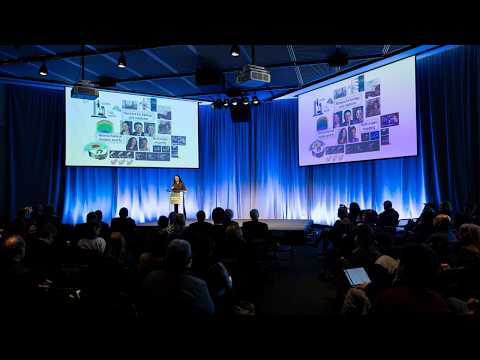
林宜悉 posted on 2026/06/23Ever wondered how groundbreaking scientific discoveries happen? This video dives into the world of MIT's HEALS program, showcasing how they fund innovative research and bring together diverse minds to tackle tough challenges in health and life sciences. You'll get a glimpse into real projects and hear about strategies for crossing traditional boundaries in science!
Learn this video on the APP!
The VoiceTube App has more in-depth practice for videos!