
accent
US /ˈækˌsɛnt/
UK /'æksent/
- Transitive Verb
- To give emphasis to (a point you are making)
- Noun
- Feature of a design, e.g. a stripe on a shirt
- Correct spoken emphasis on a part of a word
A2Moreact upon
US /ækt əˈpɑn/
UK /ækt əˈpɔn/
- Phrasal Verb
- To take action as a result of something; to have an effect on something.
B1Moreadministration
US / ædˌmɪnɪˈstreʃən/
UK /ədˌmɪnɪˈstreɪʃn/
- Uncountable Noun
- Act of giving e.g. medicine to a patient
- The work of running something, e.g. a business
B1TOEICMorealley
US /ˈæli/
UK /'ælɪ/
- Noun
- A narrow road or path between buildings
B1Morearound the world
US /əˈraʊnd ði wɜrld/
UK /əˈraund ðə wɜː(r)ld/
- Phrase
- In or to many countries.
- In various places throughout the world.
A2Moreas one
US
UK
- Adverb
- Acting or moving together at the same time.
- In complete agreement or unity.
- Phrase
- With a single voice or opinion; unanimously.
- In perfect harmony or unison.
A1Moreas well as
US /æz wɛl æz/
UK /æz wel æz/
- Adverb
- Also; in addition to
- Preposition
- In addition to; and also.
A1Moreat the moment
US
UK
- Adverb
- At this time; now
A1Morebrutal
US /ˈbrutl/
UK /'bru:tl/
- Adjective
- Extremely violent or mean
B1Morecabinet
US /ˈkæbənɪt/
UK /ˈkæbɪnət/
- Noun (Countable/Uncountable)
- Piece of furniture resembling a cupboard
- Group of advisors to a leader of a government
- Adjective
- Relating to the group of senior government ministers.
B1Morecancer
US /ˈkænsɚ/
UK /'kænsə(r)/
- Noun
- Any growth caused by abnormal cell division
B1Morecase by case
US
UK
- Phrase
- Considering each case individually, rather than applying a general rule.
A2Morechaos
US /ˈkeˌɑs/
UK /'keɪɒs/
- Noun (plural)
- State of utter confusion or disorder
- Uncountable Noun
- Complete disorder and confusion.
- Behavior so unpredictable as to appear random, owing to great sensitivity to small changes in conditions.
B1Morechief
US /tʃif/
UK /tʃi:f/
- Noun
- Leader of a race or group of people
- The one highest in authority or importance
- Adjective
- The one highest in authority or importance
A2Morecollapse
US /kəˈlæps/
UK /kə'læps/
- Verb (Transitive/Intransitive)
- To fold (e.g. a stroller) down to make it smaller
- To suddenly fall down or break apart into pieces
- Noun
- The sudden failure of a structure or system.
- The sudden failure of a bodily organ or function.
B1Moreconstituency
US /kənˈstɪtʃuənsi/
UK /kən'stɪtjʊənsɪ/
- Noun (Countable/Uncountable)
- Group of voters in a specific area
C2TOEICMorecontest
US /ˈkɑnˌtɛst/
UK /'kɒntest/
- Noun
- Struggle or competition between rivals
- Verb (Transitive/Intransitive)
- To struggle or compete against other people
- To not accept an official or legal judgment
B1Moredamage
US /ˈdæmɪdʒ/
UK /ˈdæmɪdʒ/
- Noun (Countable/Uncountable)
- Physical harm that is done to something
- Transitive Verb
- To harm physically; to hurt or break something
- To harm the reputation of someone.
A2TOEICMoredeal with
US /dil wɪð/
UK /di:l wið/
- Verb (Transitive/Intransitive)
- To buy or sell goods or services.
- Phrasal Verb
- To take action to solve a problem or manage a situation.
- To be about; concern.
A1Moredeparture
US /dɪˈpɑrtʃɚ/
UK /dɪˈpɑ:tʃə(r)/
- Noun
- Act of leaving a place, to start a journey
- Starting something new or doing it in a new way
B1TOEICMoredisorder
US /dɪsˈɔrdɚ/
UK /dɪs'ɔ:də(r)/
- Uncountable Noun
- State of confusion or a lack of organization
- Illness when the body is not functioning well
- Transitive Verb
- To disrupt the order or arrangement of something.
B2Moreelection
US /ɪˈlɛkʃən/
UK /ɪ'lekʃn/
- Noun
- Process of choosing someone by voting
B1TOEICMoreexpression
US /ɪkˈsprɛʃən/
UK /ɪk'spreʃn/
- Noun (Countable/Uncountable)
- Act of making your thoughts and feelings known
- Group of words that have a specific meaning
A2TOEICMoreextent
US /ɪkˈstɛnt/
UK /ɪkˈstent/
- Noun (Countable/Uncountable)
- Point, level or limit to which something reaches
- Range or space included in something
A2TOEICMorefeel like
US
UK
- Intransitive Verb
- To have a desire or inclination for something.
- To have a particular quality or sensation; resemble.
A1Morefit in
US /fɪt ɪn/
UK /fit in/
- Phrasal Verb
- To mix with others so you get on well with them
A2Morefrom power
US /frəm ˈpaʊɚ/
UK /frəm ˈpaʊə/
- other
- To lose control or position of authority.
A2Morefrom the top
US /frʌm ði tɑp/
UK /frɔm ðə tɔp/
- Phrase
- From the beginning.
- From the highest point or position.
A1Morego out
US /ɡo aʊt/
UK /ɡəu aut/
- Phrase
- To leave a building (e.g. a house)
- Phrasal Verb
- (Of a fire) to burn out; be extinguished
- Go out of fashion to stop being fashionable
A1Moregot to
US /ɡɑt tu/
UK /gɔt tu:/
- Verb (Transitive/Intransitive)
- To arrive at some place
- To have the opportunity or permission to do something
- Phrasal Verb
- To appeal to the emotions of; move
- To finally begin to start something after a delay
A1Morehave to
US /hæv tu/
UK /ˈhæv tə/
- Auxiliary Verb
- Must do
A1Morehuge
US /hjudʒ/
UK /hju:dʒ/
- Adjective
- Very very large
A2Morein control
US /ɪn kənˈtrol/
UK /in kənˈtrəul/
- Adjective
- Having the power to direct or regulate something; able to manage or direct a situation or person.
- Possessing self-restraint and the ability to manage one's own behavior and emotions.
- Phrase
- Having command or authority; managing effectively.
C1Morein danger
US /ɪn ˈdendʒɚ/
UK /in ˈdeindʒə/
- Phrase
- Exposed to the risk of harm, injury, or loss.
- At risk of experiencing something negative or harmful.
A1Morein particular
US /ɪn pɚˈtɪkjəlɚ/
UK /in pəˈtikjulə/
- Phrase
- Specifically; especially.
- Detailed or precise.
A1Morein power
US /ɪn ˈpaʊɚ/
UK /in ˈpauə/
- Adjective
- Having control of a country or organization.
- Phrase
- During a period of holding authority or control.
B1Morein the end
US /ɪn ði ɛnd/
UK /in ðə end/
- Phrase
- Finally; after a period of time or series of events.
- Ultimately; as the final result or consequence.
A1Moreinstead of
US /ɪnˈstɛd ʌv/
UK /inˈsted ɔv/
- Preposition
- When one thing is replaced by another
- Adverb
- As a substitute or alternative.
A1Moreinto power
US /ˈɪntu ˈpaʊɚ/
UK /ˈɪntəʊ ˈpaʊə/
- other
- To gain political control or leadership position.
B2Morekick in
US /kɪk ɪn/
UK /kik in/
- Phrasal Verb
- (Of a medicine, plan, etc.) to start to have an effect; become operative
- To contribute money to a common fund or purpose.
A1Morelandslide
US /ˈlændˌslaɪd/
UK /ˈlændslaɪd/
- Noun (Countable/Uncountable)
- Slide of dirt and rock down a mountain or cliff
- A very big win (in an election)
B2Moreleadership
US /ˈli:dərʃɪp/
UK /ˈli:dəʃɪp/
- Uncountable Noun
- Quality of being able to guide or influence others
B1Morelive for
US /liv fɔr/
UK /liv fɔ:/
- Phrasal Verb
- To consider something the most important thing in your life; to find purpose or great pleasure in something.
A1Moremandate
US /ˈmænˌdet/
UK /'mændeɪt/
- Transitive Verb
- To order that something is done
- Noun (Countable/Uncountable)
- Official command or order
- The authority to carry out a policy or course of action, regarded as given by the electorate to a candidate or party that has won an election.
B2TOEICMoreminister
US /ˈmɪnɪstɚ/
UK /'mɪnɪstə(r)/
- Noun
- An official who heads a government department
- Person who performs Christian services
A2Moremount
US /maʊnt/
UK /maʊnt/
- Transitive Verb
- To attach something to something else
- To set a picture, jewel etc. in
- Noun
- An attachment used to keep something in place
- Horse that someone is riding
B2Moreno matter
US
UK
- Conjunction
- Regardless of; it does not matter.
- Adverb
- Regardless of; it is not important
A1Moreof course
US /ʌv kɔː(r)s/
UK /ɔv kɔː(r)s/
- Adverb
- Sure ; Certainly
- Phrase
- For sure; certainly
A2Moreoffensive
US /əˈfɛnsɪv/
UK /əˈfensɪv/
- Adjective
- Causing displeasure or anger
- Attacking or intended to attack
- Noun
- A military attack
B1TOEICMoreoften used to
US
UK
- Phrase
- Frequently employed or utilized for a specific purpose or action.
- Commonly applied or implemented in a particular situation or context.
A1Moreon behalf of
US /ɑn bɪˈhæf ʌv/
UK /ɔn biˈhɑ:f ɔv/
- Phrase
- As the representative of someone
- Acting as a representative of.
B1Moreon the make
US /ɑn ðə ˈmek/
UK /ɒn ðə ˈmeik/
- other
- Seeking personal advantage, especially by unfair means.
C1Moreon the slide
US
UK
- Phrase
- In a state of decline or deterioration.
- Losing control or influence; declining in status.
- Adjective
- (Informal) Dishonest or untrustworthy; engaging in shady practices.
A1Moreon the take
US
UK
- Phrase
- Accepting bribes or illicit payments; corrupt.
A1Moreout of time
US /aʊt ʌv taɪm/
UK /aut ɔv taim/
- Adjective
- Having no more time available to do something.
A1Moreown up
US /on ʌp/
UK /əun ʌp/
- Phrasal Verb
- To admit that you did something wrong
A1Moreparliamentary
US /ˌpɑ:rləˈmentri/
UK /ˌpɑ:ləˈmentri/
- Adjective
- Related to, or suitable for, a parliament
B1Morepay back
US /pe bæk/
UK /pei bæk/
- Phrasal Verb
- To return money or a favor
- To take revenge on someone for doing something bad
A1Moreplay out
US
UK
- Phrasal Verb
- To use up or exhaust
- To develop or happen in a particular way.
A1Morepolitical
US /pəˈlɪtɪkəl/
UK /pəˈlɪtɪkl/
- Adjective
- Being active or interested in government matters
- Diplomatic
A2Moreposture
US /ˈpɑstʃɚ/
UK /'pɒstʃə(r)/
- Noun
- Attitude someone adopts regarding a subject
- The position of the body when standing or sitting
- Intransitive Verb
- To be insincere in order to gain favor
B1TOEICMoreprime
US /praɪm/
UK /praɪm/
- Transitive Verb
- To get a person ready for; prepare someone
- To coat with paint to prepare it for the main coat
- Adjective
- Concerning the highest in quality or value
- Concerning the highest level of achievement
A2TOEICMoreprosecutor
US /ˈprɑ:sɪkju:tə(r)/
UK /ˈprɒsɪkju:tə(r)/
- Noun
- Lawyer who tries to prove a person's guilt
B2Morerather than
US
UK
- Adverb
- More exactly; more correctly
- Preferably; instead
- Preposition
- Instead of
A1Morereform
US /rɪˈfɔrm/
UK /rɪ'fɔ:m/
- Transitive Verb
- To re-shape something to a better condition
- To (cause to) lead a non-criminal life
- Noun
- An improvement, especially in a person's behaviour or in the structure of something
A2Morerelationship
US /rɪˈleʃənˌʃɪp/
UK /rɪˈleɪʃnʃɪp/
- Noun (Countable/Uncountable)
- Connection between two or more people or things
- Way people interact or live with each other
A2TOEICMoreremarkable
US /rɪˈmɑrkəbəl/
UK /rɪˈmɑ:kəbl/
- Adjective
- Interesting and unexpected, worthy of notice
- Worthy of attention; striking.
A2TOEICMorerepresent
US /ˌrɛprɪˈzɛnt/
UK /ˌreprɪ'zent/
- Transitive Verb
- To depict art objects, figures, scenes; to portray
- To show or describe something in a particular way
A2TOEICMoreresign
US /rɪ'zaɪn/
UK /rɪ'zaɪn/
- Intransitive Verb
- To leave a job because you want to
- Verb (Transitive/Intransitive)
- To accept something unpleasant that one cannot do anything about.
B1TOEICMorescoop up
US /skup ʌp/
UK /sku:p ʌp/
- Phrasal Verb
- To gather or pick up something with a scoop or similar tool.
- To acquire something quickly and enthusiastically.
A1Moreseek
US /sik/
UK /si:k/
- Transitive Verb
- To ask someone for help
- To search for; try to find or do; look for
A2TOEICMoreset out
US /sɛt aʊt/
UK /set aut/
- Phrasal Verb
- To arrange something in an orderly fashion
- To give in detail in writing
A1Moreslip away
US /slɪp əˈwe/
UK /slip əˈwei/
- Phrasal Verb
- To leave a place quietly or secretly, often to avoid attention.
- To gradually disappear or be lost.
B1Morespend more time
US
UK
- Phrase
- To dedicate a greater amount of time to a particular activity or person.
A1Morestand down
US /stænd daʊn/
UK /stænd daun/
- Phrasal Verb
- To end a state of readiness, e.g. for war
- To withdraw, e.g. from a fight or contest
A1Morestand up against
US /stænd ʌp əˈɡenst/
UK /stænd ʌp əˈɡenst/
- Phrasal Verb
- To resist or oppose someone or something; to defend oneself against an attack or injustice.
A2Morestruggle
US /ˈstrʌɡəl/
UK /'strʌɡl/
- Verb (Transitive/Intransitive)
- To try very hard to do something difficult
- To fight or struggle violently
- Noun (Countable/Uncountable)
- Strong efforts made to do something difficult
- A difficult or challenging situation or task
A2Moresue
US /su/
UK /su:/
- Proper Noun
- Person's name
- Transitive Verb
- To take legal action against someone
B2Moretalking about
US
UK
- Phrasal Verb
- To discuss a particular topic.
- To be constantly mentioning or bringing up a subject.
A1Morethink through
US /θɪŋk θru/
UK /θiŋk θru:/
- Phrasal Verb
- To consider carefully so all points are covered
A1Moreto some extent
US /tu sʌm ɪkˈstɛnt/
UK /tu: sʌm iksˈtent/
- Phrase
- Partially; not completely.
A1Moreup against
US /ʌp əˈɡenst/
UK /ʌp əˈɡenst/
- Phrase
- Facing or contending with something difficult or challenging.
- In close proximity or contact with something.
used to
US /juzd tu/
UK /ˈju:st tə/
- Adjective
- Did regularly before, but don't do now
- Auxiliary Verb
- Have done before, but do not do now
A1Morewith good grace
US /wɪθ gʊd ˈgreɪs/
UK /wɪθ gʊd ˈgreɪs/
- other
- Doing something willingly and politely without complaint.
B2More
Vocabulary
- in the end: Finally; after a period of time or series of events.
- at the moment: At this time; now
- have to: Must do
- used to: Did regularly before, but don't do now
- in power: Having control of a country or organization.
- in control: Having the power to direct or regulate something; able to manage or direct a situation or person.
- out of time: Having no more time available to do something.
- as one: Acting or moving together at the same time.
- on the slide: In a state of decline or deterioration.
- spend more time: To dedicate a greater amount of time to a particular activity or person.
- stand down: To end a state of readiness, e.g. for war
- stand up against: To resist or oppose someone or something; to defend oneself against an attack or injustice.
- up against: Facing or contending with something difficult or challenging.
- in danger: Exposed to the risk of harm, injury, or loss.
- act upon: To take action as a result of something; to have an effect on something.
- slip away: To leave a place quietly or secretly, often to avoid attention.
- as well as: Also; in addition to
- think through: To consider carefully so all points are covered
- with good grace: Doing something willingly and politely without complaint.
- set out: To arrange something in an orderly fashion
- scoop up: To gather or pick up something with a scoop or similar tool.
- from the top: From the beginning.
- kick in: (Of a medicine, plan, etc.) to start to have an effect; become operative
- often used to: Frequently employed or utilized for a specific purpose or action.
- play out: To use up or exhaust
- on behalf of: As the representative of someone
- live for: To consider something the most important thing in your life; to find purpose or great pleasure in something.
- on the make: Seeking personal advantage, especially by unfair means.
- on the take: Accepting bribes or illicit payments; corrupt.
- into power: To gain political control or leadership position.
- pay back: To return money or a favor
- case by case: Considering each case individually, rather than applying a general rule.
- talking about: To discuss a particular topic.
- deal with
- instead of: When one thing is replaced by another
- in particular: Specifically; especially.
- rather than: More exactly; more correctly
- go out: To leave a building (e.g. a house)
- from power: To lose control or position of authority.
- fit in: To mix with others so you get on well with them
- of course: Sure ; Certainly
- to some extent: Partially; not completely.
- own up: To admit that you did something wrong
- around the world: In or to many countries.
- got to: To arrive at some place
- no matter: Regardless of; it does not matter.
- feel like: To have a desire or inclination for something.
- sort: To organize things by putting them into groups
- struggle: To try very hard to do something difficult
- accent: To give emphasis to (a point you are making)
- expression: Act of making your thoughts and feelings known
- term: Conditions applying to an agreement, contract
- disorder: State of confusion or a lack of organization
- chaos: State of utter confusion or disorder
- represent: To depict art objects, figures, scenes; to portray
- extent: Point, level or limit to which something reaches
- failure: When things go wrong; lack of function
- relationship: Connection between two or more people or things
- prime: To get a person ready for; prepare someone
- brutal: Extremely violent or mean
- political: Being active or interested in government matters
- collapse: To fold (e.g. a stroller) down to make it smaller
- remarkable: Interesting and unexpected, worthy of notice
- cabinet: Piece of furniture resembling a cupboard
- huge: Very very large
- decision: Choice made after thinking; final judgment
- seek: To ask someone for help
- administration: Act of giving e.g. medicine to a patient
- posture: Attitude someone adopts regarding a subject
- risk: To do something potentially dangerous or foolish
- offensive: Causing displeasure or anger
- mandate: To order that something is done
- stage: To organize an event to gain public interest
- moment: Very short or brief period of time
- departure: Act of leaving a place, to start a journey
- minister: An official who heads a government department
- election: Process of choosing someone by voting
- chief: Leader of a race or group of people
- public: Owned by the government
- government: Group of people and system that rule a nation
- damage: Physical harm that is done to something
- stand: To be a candidate in an election
- resign: To leave a job because you want to
- contest: Struggle or competition between rivals
- reform: To re-shape something to a better condition
- change: To exchange one set of clothes for another
- remember: To give someone a gift, e.g. birthday, wedding
- person: Man, woman or child
- bore: To accept (responsibilities or duties)
- alley: A narrow road or path between buildings
- mount: To attach something to something else
- real: Actually existing or happening, not imagined
- sue: Person's name
- cancer: Any growth caused by abnormal cell division
- parliamentary: Related to, or suitable for, a parliament
- prosecutor: Lawyer who tries to prove a person's guilt
- landslide: Slide of dirt and rock down a mountain or cliff
- leadership: Quality of being able to guide or influence others
- constituency: Group of voters in a specific area
Get the full experience in the app
Learn anywhere with detailed sentence and usage analysis
01:03
She took a brave step forward, leaving behind her comfort zone to chase her dreams.
Vocabulary
- brave
adj. Having courage
- comfort zone
phr. A familiar situation where one feels safe
Explanation
a brave step is a noun phrase, where brave is an adjective modifying the noun step, meaning "a courageous step".
forward is an adverb modifying step, meaning "ahead".
The whole phrase serves as the object, answering the "what" of took (verb) — she took a brave step forward.
Get the full experience in the app
Look up words anytime with pronunciation, part of speech, and usage
brave
US/brev/
UK/breɪv/
adj.Brave
v.t.To bravely face
A2 Elementary
Get the full experience in the app
Practice speaking anytime and get instant pronunciation feedback
Try this speaking exercise.
Try practicing with this sentence.
80
0
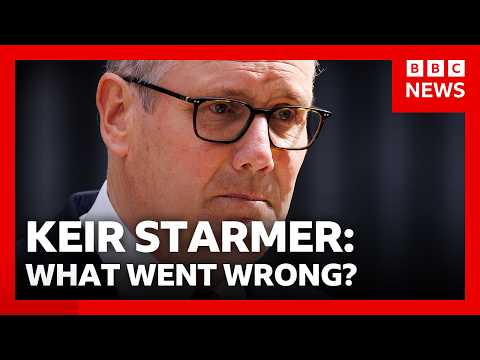
林宜悉 posted on 2026/06/22Ever wondered what happens when a political leader resigns unexpectedly? This BBC News clip dives into the dramatic fall of Keir Starmer, exploring the reasons behind his departure and the political fallout. You'll pick up key phrases for discussing political events and understand the dynamics of leadership challenges.
Learn this video on the APP!
The VoiceTube App has more in-depth practice for videos!