
as soon as
US /æz sun æz/
UK /æz su:n æz/
- Phrase
- In a short time after (something happens)
- Without any delay; immediately
- Conjunction
- At the moment that, or immediately after.
A1Moreat home
US /æt hom/
UK /æt həum/
- Phrase
- In one's own residence or country.
- Adjective
- Feeling comfortable and relaxed.
at least
US /æt list/
UK /æt li:st/
- Adverb
- As a minimum
- Not less than
- Phrase
- No less than; at the minimum
- Used to indicate that something is positive in a bad situation.
C2Moreat the end of the day
US
UK
- Phrase
- Ultimately; when everything else is considered.
- After a day's work or activities.
A1Morebreak it down
US
UK
- Phrasal Verb
- To simplify something complex into smaller, more manageable parts.
- To explain something in a detailed and understandable way.
A2Morecheck out
US /tʃɛk aʊt/
UK /tʃek aut/
- Phrase
- Phrasal Verb
- To find out information about something
- To take books out of a library
A1Morecheck over
US
UK
- Phrasal Verb
- To look carefully at some information; examine
A1Morecome back
US /kʌm bæk/
UK /kʌm bæk/
- Phrasal Verb
- To reply to someone, often forcefully
- To be remembered
A1Moredo in
US
UK
- Phrasal Verb
- To make completely tired out and exhausted
- To destroy or cause damage to someone
A1Moreeach section
US
UK
- Determiner
- Every individual part or division of something.
- Every individual part or division in a document or text.
eat in
US /it ɪn/
UK /i:t ɪn/
- other
- To have a meal at home instead of going out.
A2Morefigure out
US /ˈfɪɡjɚ aʊt/
UK /ˈfiɡə aut/
- Phrasal Verb
- To understand the behavior of someone
- To think through logically to find a solution
- Verb (Transitive/Intransitive)
- To understand or find an answer to something.
- To find a solution to a problem or understand something.
A1Morefill in
US /fɪl ɪn/
UK /fil in/
- Phrasal Verb
- To put earth in e.g. a hole
- To explain the context so that someone understands
- Verb (Transitive/Intransitive)
- To write or type information in a blank space.
- To temporarily do someone else's job.
A1Morefollow along
US /ˈfɑlo əˈlɔŋ/
UK /ˈfɔləu əˈlɔŋ/
- Phrasal Verb
- To agree to do or act the same as others
A1Morefor example
US
UK
- Phrase
- As an illustration or instance.
get a sense
US
UK
- Verb (Transitive/Intransitive)
- To understand or perceive something intuitively.
A1Moreget here
US
UK
- Intransitive Verb
- To arrive at a specific location.
A1Morehave to
US /hæv tu/
UK /ˈhæv tə/
- Auxiliary Verb
- Must do
A1Morein mind
US /ɪn maɪnd/
UK /in maind/
- Phrase
- Being aware of or considering something.
- To remember or consider something.
A2Morein terms of
US
UK
- Phrase
- With regard to; concerning a particular aspect.
A1Morein the future
US /ɪn ði ˈfjutʃɚ/
UK /in ðə ˈfju:tʃə/
- Phrase
- At a later time; in times to come.
A1Moreinstead of
US /ɪnˈstɛd ʌv/
UK /inˈsted ɔv/
- Preposition
- When one thing is replaced by another
- Adverb
- As a substitute or alternative.
A1Morekeeping up
US
UK
- Phrasal Verb
- To understand what someone is saying
- To move or progress at the same rate as someone or something else.
A1Moreleave it there
US
UK
- Phrase
- To put something down and not move it from that location.
- To stop working on something and postpone it for later.
- Transitive Verb
- To allow something to remain at a specific location.
look at
US /lʊk æt/
UK /luk æt/
- Phrasal Verb
- To use your eyes to focus on something
- To focus your eyes on something carefully
A1Morelook for
US /lʊk fɔr/
UK /luk fɔ:/
- Phrasal Verb
- To try to find a thing or person that is lost
- To expect or anticipate something.
A1Moremake up
US /mek ʌp/
UK /meik ʌp/
- Phrasal Verb
- To invent or create a story
- To add up to
- Verb (Transitive/Intransitive)
- To invent a story, excuse, etc.
- To compensate for something lost, missed, or deficient.
A1Moremanagement
US /ˈmænɪdʒmənt/
UK /'mænɪdʒmənt/
- Noun (Countable/Uncountable)
- People who are in control of a business or group
- Uncountable Noun
- The process of dealing with or controlling things or people.
- The skill of organizing and controlling resources.
A2TOEICMoremove on
US /muv ɑn/
UK /mu:v ɔn/
- Phrasal Verb
- To decide to change or go to a different place
- To start talking about something different.
A1Moremultiple
US /ˈmʌltəpəl/
UK /ˈmʌltɪpl/
- Adjective
- Having or involving more than one of something
- Having or involving several parts, elements, or members.
- Countable Noun
- Number produced by multiplying a smaller number
- A number of identical circuit elements connected in parallel or series.
B1Morenext to
US /nɛkst tu/
UK /nekst tu:/
- Preposition
- Being located along side another
- In comparison with
- Adverb
- Almost; nearly
A1Moreof course
US /ʌv kɔː(r)s/
UK /ɔv kɔː(r)s/
- Adverb
- Sure ; Certainly
- Phrase
- For sure; certainly
A2Moreon task
US
UK
- Adjective
- Focused and engaged in the activity or assignment at hand.
- Phrase
- Continuing to focus on the current task or objective.
- Attentive and dedicated to completing the current task.
A1Moreon to
US /ɑn tu/
UK /ɔn tu:/
- Preposition
- Toward something; forward
- Aware of someone's activities.
- Adjective
- Aware of someone's deception or illegal activities.
A1Moreout of the way
US /aʊt ʌv ði we/
UK /aut ɔv ðə wei/
- Adjective
- Remote; isolated.
- No longer obstructing or hindering.
- Phrase
- Not obstructing or impeding progress; in a position where one does not cause an obstruction.
- Completed; finished; no longer needing attention.
B1Moreout of time
US /aʊt ʌv taɪm/
UK /aut ɔv taim/
- Adjective
- Having no more time available to do something.
A1Morepractice
US /ˈpræktɪs/
UK /'præktɪs/
- Noun
- The office and place for legal or medical work
- Doing something many times to become better at it
- Verb (Transitive/Intransitive)
- To work as a doctor or lawyer
- To live according to the teachings of a religion
A2TOEICMoresame time
US
UK
- Phrase
- Occurring simultaneously or at the same point in time.
- At the identical time as before; recurring at a fixed hour.
- Noun
- An equal duration or period.
A1Moresection
US / ˈsɛkʃən/
UK /'sekʃn/
- Noun (Countable/Uncountable)
- A part of a whole
- Specific group of people from a larger group
- Transitive Verb
- To divide something into smaller parts
B1TOEICMorespeak to
US /spik tu/
UK /spi:k tu:/
- Verb (Transitive/Intransitive)
- To address or communicate with someone.
- To indicate or suggest something; to be relevant to.
A1Morestructure
US /ˈstrʌk.tʃɚ/
UK /ˈstrʌk.tʃə/
- Noun (Countable/Uncountable)
- The way in which the parts of a system or object are arranged or organized, or a system arranged in this way
- A building or other man-made object.
- Transitive Verb
- To plan, organize, or arrange the parts of something
A2TOEICMoretalking about
US
UK
- Phrasal Verb
- To discuss a particular topic.
- To be constantly mentioning or bringing up a subject.
A1Moretask
US /tæsk/
UK /tɑ:sk/
- Noun (Countable/Uncountable)
- Big or small piece of work someone has to do
- Transitive Verb
- To be given something to do, e.g. wash dishes
A2TOEICMorethink about
US /θɪŋk əˈbaʊt/
UK /θiŋk əˈbaut/
- Phrasal Verb
- To consider something carefully.
- To remember or call to mind.
A1Morethink of
US /θɪŋk ʌv/
UK /θiŋk ɔv/
- Phrasal Verb
- To look on as (being something specific); consider
- To consider or remember something.
- Verb (Transitive/Intransitive)
- To imagine or call something to mind
A1Moreused to
US /juzd tu/
UK /ˈju:st tə/
- Adjective
- Did regularly before, but don't do now
- Auxiliary Verb
- Have done before, but do not do now
A1Morevocabulary
US /voˈkæbjəˌlɛri/
UK /və'kæbjələrɪ/
- Uncountable Noun
- Words that have to do with a particular subject
- The words that a person knows
B1TOEICMorewake up
US /wek ʌp/
UK /weik ʌp/
- Phrasal Verb
- To stop sleeping
- To become fully aware and alert to a situation.
A1Morewalk around
US
UK
- Phrasal Verb
- To stroll or wander in a leisurely way.
- To move about in order to inspect something.
A2More
Vocabulary
- have to: Must do
- look at: To use your eyes to focus on something
- for example: As an illustration or instance.
- move on: To decide to change or go to a different place
- fill in: To put earth in e.g. a hole
- wake up: To stop sleeping
- each section: Every individual part or division of something.
- of course: Sure ; Certainly
- in terms of
- in the future: At a later time; in times to come.
- check out
- think of: To look on as (being something specific); consider
- used to: Did regularly before, but don't do now
- out of time: Having no more time available to do something.
- do in: To make completely tired out and exhausted
- at least: As a minimum
- out of the way: Remote; isolated.
- at the end of the day: Ultimately; when everything else is considered.
- walk around: To stroll or wander in a leisurely way.
- same time: Occurring simultaneously or at the same point in time.
- leave it there: To put something down and not move it from that location.
- come back: To reply to someone, often forcefully
- in mind: Being aware of or considering something.
- look for: To try to find a thing or person that is lost
- figure out: To understand the behavior of someone
- instead of: When one thing is replaced by another
- keeping up: To understand what someone is saying
- break it down: To simplify something complex into smaller, more manageable parts.
- get here: To arrive at a specific location.
- eat in: To have a meal at home instead of going out.
- get a sense: To understand or perceive something intuitively.
- next to: Being located along side another
- follow along: To agree to do or act the same as others
- talking about: To discuss a particular topic.
- on to: Toward something; forward
- speak to: To address or communicate with someone.
- on task: Focused and engaged in the activity or assignment at hand.
- as soon as: In a short time after (something happens)
- check over: To look carefully at some information; examine
- think about: To consider something carefully.
- make up: To invent or create a story
- at home: In one's own residence or country.
- practice: The office and place for legal or medical work
- time: Speed at which music is played; tempo
- vocabulary: Words that have to do with a particular subject
- multiple: Having or involving more than one of something
- structure: The way in which the parts of a system or object are arranged or organized, or a system arranged in this way
- task: Big or small piece of work someone has to do
- question: To ask for or try to get information
- important: Having power or authority
- record: Highest or most extreme level achieved
- English: Language of the UK, USA, Nigeria and elsewhere
- section: A part of a whole
- answer: To reply to a question someone asks
- speak: To be able to use a certain language
- choice: Decision between two or more possibilities
- management: People who are in control of a business or group
Get the full experience in the app
Learn anywhere with detailed sentence and usage analysis
01:03
She took a brave step forward, leaving behind her comfort zone to chase her dreams.
Vocabulary
- brave
adj. Having courage
- comfort zone
phr. A familiar situation where one feels safe
Explanation
a brave step is a noun phrase, where brave is an adjective modifying the noun step, meaning "a courageous step".
forward is an adverb modifying step, meaning "ahead".
The whole phrase serves as the object, answering the "what" of took (verb) — she took a brave step forward.
Get the full experience in the app
Look up words anytime with pronunciation, part of speech, and usage
brave
US/brev/
UK/breɪv/
adj.Brave
v.t.To bravely face
A2 Elementary
Get the full experience in the app
Practice speaking anytime and get instant pronunciation feedback
Try this speaking exercise.
Try practicing with this sentence.
80
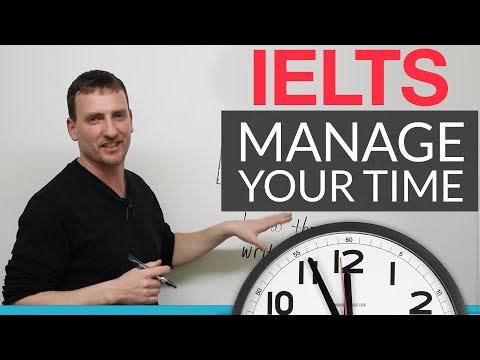
IELTS - How to manage your time
0
稲葉白兎 posted on 2015/02/01Feeling the pressure on IELTS test day? This video is your secret weapon for mastering time management across Listening, Reading, and Writing sections! You'll pick up essential vocabulary and smart strategies to stay calm and ace your exam.
Learn this video on the APP!
The VoiceTube App has more in-depth practice for videos!