
ability
US /əˈbɪlɪti/
UK /ə'bɪlətɪ/
- Noun (Countable/Uncountable)
- The power, resources or skill to do something
- A particular skill or talent.
A2TOEICMoreabsolutely
US /ˈæbsəˌlutli, ˌæbsəˈlutli/
UK /ˈæbsəlu:tli/
- Adverb
- Completely; totally; very
- Considered independently and without relation to other things; viewed abstractly; as, quantity absolutely considered.
A2Moreaccess
US /ˈæksɛs/
UK /'ækses/
- Noun (Countable/Uncountable)
- Way to enter a place, e.g. a station or stadium
- The opportunity or right to use something or to see someone.
- Transitive Verb
- To be able to use or have permission to use
A2TOEICMoreaccurate
US /ˈækjərɪt/
UK /ˈækjərət/
- Adjective
- With no mistake or error; Correct
A2Moreadministration
US / ædˌmɪnɪˈstreʃən/
UK /ədˌmɪnɪˈstreɪʃn/
- Uncountable Noun
- Act of giving e.g. medicine to a patient
- The work of running something, e.g. a business
B1TOEICMoreany sort of
US
UK
- Determiner
- Any kind of; any type of
- Phrase
- Somewhat; to some extent
A2Moreat best
US /æt bɛst/
UK /æt best/
- Phrase
- Under the most optimistic or favorable circumstances; the most that can be hoped for.
A1Moreat least
US /æt list/
UK /æt li:st/
- Adverb
- As a minimum
- Not less than
- Phrase
- No less than; at the minimum
- Used to indicate that something is positive in a bad situation.
C2Moreat risk
US
UK
- Phrase
- In danger; likely to be harmed
at the end of the day
US
UK
- Phrase
- Ultimately; when everything else is considered.
- After a day's work or activities.
A1Moreat the same time
US
UK
- Phrase
- Simultaneously; at the identical moment.
- Nevertheless; however; used to introduce a contrasting or qualifying statement.
A1Morebased on
US
UK
- Phrasal Verb
- To use something as the foundation or starting point for something else.
- Preposition
- Using something as the main idea or foundation.
- Relying on something as evidence or justification.
A1Moreblockade
US /blɑ:ˈkeɪd/
UK /blɒˈkeɪd/
- Transitive Verb
- To block or impede the movement of people, objects
- Noun
- Arrangement that blocks or impedes movement
B2Moreclose down
US /kloz daʊn/
UK /kləuz daun/
- Phrasal Verb
- To shut an operation, company, shop
A1Moreconfirm
US /kənˈfɜ:rm/
UK /kənˈfɜ:m/
- Transitive Verb
- To formally approve or check something
- To provide evidence to establish the truth of
A2Moredeal with
US /dil wɪð/
UK /di:l wið/
- Verb (Transitive/Intransitive)
- To buy or sell goods or services.
- Phrasal Verb
- To take action to solve a problem or manage a situation.
- To be about; concern.
A1Moredictate
US /ˈdɪkˌtet/
UK /dɪk'teɪt/
- Transitive Verb
- To speak while someone writes down your words
- To make a thing necessary
B1TOEICMoredilemma
US /dɪˈlɛmə/
UK /dɪ'lemə/
- Noun
- Position in which you must make difficult choices
- An argument forcing an opponent to choose between two unfavorable alternatives.
B1Moredocument
US /ˈdɑkjəmənt/
UK /'dɒkjʊmənt/
- Noun (Countable/Uncountable)
- Official (printed) record that gives information
- Transitive Verb
- To support an opinion with recorded evidence
A2TOEICMoreend in
US /ɛnd ɪn/
UK /end in/
- Phrasal Verb
- To have something as the final result.
enrich
US /ɛnˈrɪtʃ/
UK /ɪn'rɪtʃ/
- Transitive Verb
- To make someone or something better
- To make someone wealthier; make a life happier
B2TOEICMorefate
US /fet/
UK /feɪt/
- Noun (Countable/Uncountable)
- What will happen to you in the future, often bad
- Power that determines what happens; destiny
B1Moreflow
US /flo/
UK /fləʊ/
- Intransitive Verb
- To move steadily and easily in a certain direction
- Uncountable Noun
- Amount of something that moves through an area
A2Morefor example
US
UK
- Phrase
- As an illustration or instance.
gain access
US
UK
- Verb (Transitive/Intransitive)
- To obtain the ability or right to enter or use something.
B1Moreget a look
US
UK
- Intransitive Verb
- To have the opportunity to see something.
A1Moregrapple with
US
UK
- Phrasal Verb
- To struggle or deal with something difficult.
- To engage in a physical struggle or fight.
have to
US /hæv tu/
UK /ˈhæv tə/
- Auxiliary Verb
- Must do
A1Morein fact
US /ɪn fækt/
UK /in fækt/
- Adverb
- Used to emphasize the truth of a statement, especially one that contrasts with or contradicts something else.
- Used to introduce a more detailed or surprising piece of information.
- Phrase
- Used to emphasize the truth of a statement, especially one that is surprising or contrary to what might be expected.
C1Morein general
US /ɪn ˈdʒɛnərəl/
UK /in ˈdʒenərəl/
- Phrase
- Typically; usually; on the whole.
- Not specific or detailed; broadly.
- Adjective
- Not detailed or specific; overall.
C2Morein order to
US /ɪn ˈɔrdɚ tu/
UK /in ˈɔ:də tu:/
- Preposition
- For the purpose of; with the aim of.
- Phrase
- In a specific sequence or arrangement.
- With the aim of; for the purpose of.
C1Morein particular
US /ɪn pɚˈtɪkjəlɚ/
UK /in pəˈtikjulə/
- Phrase
- Specifically; especially.
- Detailed or precise.
A1Morein terms of
US
UK
- Phrase
- With regard to; concerning a particular aspect.
A1Morein the first place
US
UK
- Phrase
- To begin with; as the first point or consideration.
- From the beginning; initially.
A1Morein writing
US
UK
- Phrase
- Expressed or presented in written form, rather than spoken.
- Officially recorded in a written document, especially for legal purposes.
A1Moreleverage
US /ˈlɛvərɪdʒ, ˈlivə-/
UK /'li:vərɪdʒ/
- Noun (Countable/Uncountable)
- An advantage which gives you influence or power
- An advantage gained through the use of resources or a strategic position
- Transitive Verb
- To use an advantage which gives you influence
B2TOEICMoreliterally
US /ˈlɪtərəli/
UK
- Adverb
- In a literal manner or sense; exactly as stated.
- Used for emphasis to describe something that is actually true, often to highlight surprise or intensity.
B1Morelook at
US /lʊk æt/
UK /luk æt/
- Phrasal Verb
- To use your eyes to focus on something
- To focus your eyes on something carefully
A1Moremagnitude
US /ˈmæɡnɪˌtud, -ˌtjud/
UK /ˈmægnɪtju:d/
- Noun
- Number representing force of an earthquake
- Size or importance
B2Moremilitary
US /ˈmɪlɪˌtɛri/
UK /'mɪlətrɪ/
- Noun
- Army or armed forces
- Adjective
- Concerning the army or navy
B1Moreminister
US /ˈmɪnɪstɚ/
UK /'mɪnɪstə(r)/
- Noun
- An official who heads a government department
- Person who performs Christian services
A2Moremovement
US /ˈmuvmənt/
UK /ˈmu:vmənt/
- Noun (Countable/Uncountable)
- Part of a piece of classical music
- Group with a shared interest or goal
A2Moreobtain
US /əbˈtein/
UK /əbˈteɪn/
- Transitive Verb
- To be given or to earn something through efforts
- To get something through your efforts
A2TOEICMoreof course
US /ʌv kɔː(r)s/
UK /ɔv kɔː(r)s/
- Adverb
- Sure ; Certainly
- Phrase
- For sure; certainly
A2Moreon sunday
US
UK
- Phrase
- Every Sunday; each Sunday.
- Referring to a particular Sunday.
A1Morepre
US
UK
- Prefix
- A prefix meaning 'before'
B2Morepresident
US /ˈprɛzɪdənt,-ˌdɛnt/
UK /ˈprezɪdənt/
- Noun
- Person in charge of a country, or organization
- The highest-ranking executive in a corporation or organization.
A2TOEICMoreprime
US /praɪm/
UK /praɪm/
- Transitive Verb
- To get a person ready for; prepare someone
- To coat with paint to prepare it for the main coat
- Adjective
- Concerning the highest in quality or value
- Concerning the highest level of achievement
A2TOEICMoreprior to
US /ˈpraɪɚ tu/
UK /ˈpraiə tu:/
- Preposition
- Before a particular time or event.
C1Moreregion
US /ˈridʒən/
UK /'ri:dʒən/
- Noun (Countable/Uncountable)
- Part of a country, of the world, area, etc.
- A part of the body
A2TOEICMorerelease
US /rɪ'li:s/
UK /rɪ'li:s/
- Transitive Verb
- To free someone from a responsibility or burden
- To allow a film, music etc. to be sold/distributed
- Noun
- Act of freeing someone from a duty or burden
- Introduction of a new product, film, book, etc.
A2TOEICMorerelief
US /rɪˈlif/
UK /rɪˈli:f/
- Noun (Countable/Uncountable)
- Aid given to people in need as after war/disaster
- Artwork, e.g. part of wall, that partly sticks out
B1TOEICMoresame time
US
UK
- Phrase
- Occurring simultaneously or at the same point in time.
- At the identical time as before; recurring at a fixed hour.
- Noun
- An equal duration or period.
A1Moreshut down
US /ʃʌt daʊn/
UK /ʃʌt daun/
- Phrasal Verb
- To close an operating system, e.g. on a computer
- To stop a factory/machine from operating
- Transitive Verb
- To deactivate a nuclear reactor.
- To turn off a computer or other electronic device.
A2Moresigning on
US
UK
- Phrasal Verb
- To hire someone for a specific job or activity
A1Morespell out
US /spɛl aʊt/
UK /spel aut/
- Phrasal Verb
- To explain something in a very clear and detailed way.
- To say or write the letters of a word in the correct order.
- Transitive Verb
- To say or write the letters of a word one by one.
A2Morestrait
US /stret/
UK /streɪt/
- Noun
- Channel joining large bodies of water
C2Moretalking about
US
UK
- Phrasal Verb
- To discuss a particular topic.
- To be constantly mentioning or bringing up a subject.
A1Morethink about
US /θɪŋk əˈbaʊt/
UK /θiŋk əˈbaut/
- Phrasal Verb
- To consider something carefully.
- To remember or call to mind.
A1Moreultra
US /'ʌltrə/
UK /'ʌltrə/
- Prefix
- Prefix that denotes a lot of something; extreme
B2Moreup the ante
US
UK
- Idiom
- To increase what is at stake or the level of risk in a situation.
A1Moreupset
US /ʌpˈsɛt/
UK /ʌpˈset/
- Adjective
- (Of stomach, etc.) not functioning well; sick
- Troubled, worried, or angry
- Transitive Verb
- To turn upside down or on its side
- To trouble, worry, or anger someone
A2Morevague
US /veɡ/
UK /veɪɡ/
- Adjective
- Not clearly stated or expressed; rough; unclear
- Being not clearly visible
B1Morevice
US /ˌvaɪ.sə/
UK /ˌvaɪs/
- Noun
- used as part of the title of particular positions. The person who holds one of these positions is next below in authority to the person who holds the full position and can act for them
- Noun (Countable/Uncountable)
- a moral fault or weakness in someone's character
- illegal and immoral activities, especially involving illegal sex, drugs, etc.
B2Morewanna
US /ˈwɑnə/
UK /'wɒnə/
- Verb (Transitive/Intransitive)
- Shortened form of 'want to'. Used only in speaking
B2More
Vocabulary
- talking about: To discuss a particular topic.
- look at: To use your eyes to focus on something
- of course: Sure ; Certainly
- in fact: Used to emphasize the truth of a statement, especially one that contrasts with or contradicts something else.
- shut down: To close an operating system, e.g. on a computer
- close down: To shut an operation, company, shop
- have to: Must do
- at risk: In danger; likely to be harmed
- spell out: To explain something in a very clear and detailed way.
- gain access: To obtain the ability or right to enter or use something.
- for example: As an illustration or instance.
- at the end of the day: Ultimately; when everything else is considered.
- in the first place: To begin with; as the first point or consideration.
- in particular: Specifically; especially.
- in writing: Expressed or presented in written form, rather than spoken.
- signing on: To hire someone for a specific job or activity
- on sunday: Every Sunday; each Sunday.
- in terms of
- at least: As a minimum
- up the ante: To increase what is at stake or the level of risk in a situation.
- get a look: To have the opportunity to see something.
- at the same time: Simultaneously; at the identical moment.
- same time: Occurring simultaneously or at the same point in time.
- end in: To have something as the final result.
- grapple with: To struggle or deal with something difficult.
- deal with
- think about: To consider something carefully.
- at best: Under the most optimistic or favorable circumstances; the most that can be hoped for.
- based on: To use something as the foundation or starting point for something else.
- any sort of: Any kind of; any type of
- in general: Typically; usually; on the whole.
- prior to: Before a particular time or event.
- in order to: For the purpose of; with the aim of.
- literally: In a literal manner or sense; exactly as stated.
- absolutely: Completely; totally; very
- access: Way to enter a place, e.g. a station or stadium
- situation: Place, position or area that something is in
- vague: Not clearly stated or expressed; rough; unclear
- immediately: Without any delay; straight away
- accurate: With no mistake or error; Correct
- ability: The power, resources or skill to do something
- prime: To get a person ready for; prepare someone
- leverage: An advantage which gives you influence or power
- military: Army or armed forces
- dilemma: Position in which you must make difficult choices
- vice: used as part of the title of particular positions. The person who holds one of these positions is next below in authority to the person who holds the full position and can act for them
- dictate: To speak while someone writes down your words
- deal: To cope with something - usually troubles
- upset: (Of stomach, etc.) not functioning well; sick
- region: Part of a country, of the world, area, etc.
- release: To free someone from a responsibility or burden
- complete: To finish or reach the end of doing something
- administration: Act of giving e.g. medicine to a patient
- pretty: Being attractive to the eye in a simple way
- create: To make, cause, or bring into existence
- reason: To think and make conclusions in a logical manner
- risk: To do something potentially dangerous or foolish
- fate: What will happen to you in the future, often bad
- relief: Aid given to people in need as after war/disaster
- wanna: Shortened form of 'want to'. Used only in speaking
- magnitude: Number representing force of an earthquake
- movement: Part of a piece of classical music
- text: To send a message by phone or other device
- document: Official (printed) record that gives information
- lot: What happens to a person in life from chance; fate
- important: Having power or authority
- flow: To move steadily and easily in a certain direction
- sign: Indication that something exists or will happen
- obtain: To be given or to earn something through efforts
- president: Person in charge of a country, or organization
- fact: Something that is known or proved to be true
- minister: An official who heads a government department
- language: Words or signs used to communicate messages
- confirm: To formally approve or check something
- program: To make someone act or think in a certain way
- strait: Channel joining large bodies of water
- ultra: Prefix that denotes a lot of something; extreme
- enrich: To make someone or something better
- blockade: To block or impede the movement of people, objects
- pre: A prefix meaning 'before'
Get the full experience in the app
Learn anywhere with detailed sentence and usage analysis
01:03
She took a brave step forward, leaving behind her comfort zone to chase her dreams.
Vocabulary
- brave
adj. Having courage
- comfort zone
phr. A familiar situation where one feels safe
Explanation
a brave step is a noun phrase, where brave is an adjective modifying the noun step, meaning "a courageous step".
forward is an adverb modifying step, meaning "ahead".
The whole phrase serves as the object, answering the "what" of took (verb) — she took a brave step forward.
Get the full experience in the app
Look up words anytime with pronunciation, part of speech, and usage
brave
US/brev/
UK/breɪv/
adj.Brave
v.t.To bravely face
A2 Elementary
Get the full experience in the app
Practice speaking anytime and get instant pronunciation feedback
Try this speaking exercise.
Try practicing with this sentence.
80
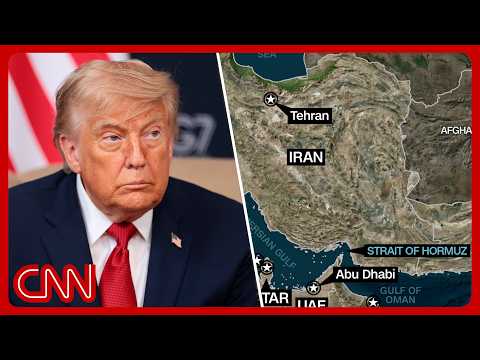
CNN obtains US-Iran draft agreement: What its 14 points reveal
0
林宜悉 posted on 2026/06/17Curious about the recent US-Iran draft agreement? This video dives into the 14 key points CNN obtained, revealing details about lifting sanctions, financial relief for Iran, and the Strait of Hormuz. You'll pick up crucial vocabulary related to international diplomacy and economic agreements!
Learn this video on the APP!
The VoiceTube App has more in-depth practice for videos!