
arch
US /ɑ:rtʃ/
UK /ɑ:tʃ/
- Noun
- Curved part of a structure (e.g. on a bridge)
- Adjective
- Chief; the most important or typical (of a type)
B1Moreas things stand
US
UK
- Phrase
- In the present situation; as matters currently are.
as well as
US /æz wɛl æz/
UK /æz wel æz/
- Adverb
- Also; in addition to
- Preposition
- In addition to; and also.
A1Moreat the end of the day
US
UK
- Phrase
- Ultimately; when everything else is considered.
- After a day's work or activities.
A1Moreat the most
US /ət ðə ˈmoʊst/
UK /ət ðə ˈməust/
- other
- No more than; maximum amount or degree.
A2Moreat the same time
US
UK
- Phrase
- Simultaneously; at the identical moment.
- Nevertheless; however; used to introduce a contrasting or qualifying statement.
A1Moreat worst
US /æt wɚst/
UK /æt wə:st/
- Adverb
- If the most unfavorable outcome happens.
A1Morebad idea
US
UK
- Phrase
- An unwise or imprudent course of action.
A2Morebelly
US /ˈbɛli/
UK /'belɪ/
- Noun (Countable/Uncountable)
- Middle part of the body; the stomach
- A bulging or rounded part of something.
- Verb (Transitive/Intransitive)
- To expand outward; swell
- To swell like a balloon
B2Morebelow the surface
US /bəˈloʊ ðə ˈsɝfɪs/
UK /bɪˈləu ðə ˈsɜ:fɪs/
- other
- Hidden emotions or issues not immediately visible.
B2Moreblast
US /blæst/
UK /blɑ:st/
- Transitive Verb
- To attack someone with words
- To destroy something with explosives
- Noun (Countable/Uncountable)
- Destructive wave of air from an explosion
- Strong current of wind
B1Morebreaker
US /ˈbrekɚ/
UK /ˈbreɪkə(r)/
- Noun
- Device that switches electricity on or off
B2Moreclimb down
US
UK
- Phrasal Verb
- To descend, especially from a height, using your hands and feet.
- To back down or retreat from a previously held position or statement.
A1Moreclog
US /klɑ:g/
UK /klɒg/
- Transitive Verb
- To make or become blocked or filled with something
- Noun
- Heavy shoe with a thick or wooden bottom
B2Moreconstruction
US /kənˈstrʌkʃən/
UK /kən'strʌkʃn/
- Noun (Countable/Uncountable)
- Act of building something; thing that is built
- Something that is made using different parts
A2Moreconventional
US /kənˈvɛnʃənəl/
UK /kən'venʃənl/
- Adjective
- Following the common attitudes and practices
- Non-nuclear
B2Morecount
US /kaʊnt/
UK /kaʊnt/
- Verb (Transitive/Intransitive)
- To add things together to find the total number
- To matter or be important
- Countable Noun
- Number of things added together, e.g. votes
- With the number of crimes, knockouts, as stated
A2Morecouple
US /ˈkʌpəl/
UK /'kʌpl/
- Transitive Verb
- To join something to something else
- (Two animals) to engage in sexual relations
- Noun (Countable/Uncountable)
- Two people in a romantic relationship
- Two of something; two people; a pair
A2Morecrane
US /kren/
UK /kreɪn/
- Noun (Countable/Uncountable)
- Water bird characterized by its long neck and legs
- Tall machine that lifts heavy objects in the air
- Verb (Transitive/Intransitive)
- To stretch (neck) or lean to get better view
B2Morecurrent
US /ˈkɚrənt, ˈkʌr-/
UK /'kʌrənt/
- Uncountable Noun
- Electricity flowing through wires
- Movement of water in a river, or air in the sky
- Adjective
- Happening or being in the present time
- In general use or accepted by most people.
A2Morecut through
US /kʌt θru/
UK /kʌt θru:/
- Phrasal Verb
- To pass or go directly through something, often overcoming an obstacle.
- To overcome resistance or opposition effectively.
- Verb (Transitive/Intransitive)
- To make a path or opening by cutting.
- To deeply affect someone's emotions or defenses.
damage
US /ˈdæmɪdʒ/
UK /ˈdæmɪdʒ/
- Noun (Countable/Uncountable)
- Physical harm that is done to something
- Transitive Verb
- To harm physically; to hurt or break something
- To harm the reputation of someone.
A2TOEICMoredig
US /dɪɡ/
UK /dɪg/
- Verb (Transitive/Intransitive)
- To move material to create a hole
- To search or investigate thoroughly.
A2Moredue to
US /du tu/
UK /dju: tu:/
- Preposition
- Because of; owing to
- Adjective
- Attributable to; caused by.
A1Moreeconomic
US /ˌɛkəˈnɑmɪk, ˌikə-/
UK /ˌi:kəˈnɒmɪk/
- Adjective
- Concerning trade, industry, and money
- Financially worthwhile; profitable.
- Noun
- A system relating to economics
- A factor relating to economics
A2Moreelevate
US /ˈɛləˌvet/
UK /ˈelɪveɪt/
- Transitive Verb
- To make something higher
- To raise something in status, importance, feeling
B2Moreenergy
US /ˈɛnədʒi/
UK /'enədʒɪ/
- Noun (Countable/Uncountable)
- Physical or mental strength
- Enthusiasm and determination.
A2Moreextreme
US /ɪkˈstrim/
UK /ɪk'stri:m/
- Adjective
- Very great in degree
- Farthest from a center
- Noun
- Effort that is thought more than is necessary
- The furthest point or limit of something.
B1Morefigure out
US /ˈfɪɡjɚ aʊt/
UK /ˈfiɡə aut/
- Phrasal Verb
- To understand the behavior of someone
- To think through logically to find a solution
- Verb (Transitive/Intransitive)
- To understand or find an answer to something.
- To find a solution to a problem or understand something.
A1Moreflat
US /flæt/
UK /flæt/
- Noun (Countable/Uncountable)
- Apartment; set of rooms for living in
- The smooth or level part of something
- Verb (Transitive/Intransitive)
- To share an apartment with someone
- To fail to produce the intended effect; to be unsuccessful or uninteresting.
A2Morefog
US /fɔ:g/
UK /fɒg/
- Uncountable Noun
- Cloudy air that makes seeing things difficult
- Intransitive Verb
- To have water drops on it so you cannot see out
B1Morefor example
US
UK
- Phrase
- As an illustration or instance.
going on
US /ˈɡoɪŋ ɑn/
UK /ˈgəʊɪŋ ɔn/
- Phrasal Verb
- To continue doing something
- To happen (usually negative)
A1Morein other words
US
UK
- Phrase
- Stating something in a different way, often to make it clearer or more understandable.
in the end
US /ɪn ði ɛnd/
UK /in ðə end/
- Phrase
- Finally; after a period of time or series of events.
- Ultimately; as the final result or consequence.
A1Morein the face of
US //ɪn ðə feɪs ɑv//
UK
- Phrase
- When confronted with something difficult or challenging.
- Despite; in defiance of; when confronted with.
A1Morein the future
US /ɪn ði ˈfjutʃɚ/
UK /in ðə ˈfju:tʃə/
- Phrase
- At a later time; in times to come.
A1Morein the past
US
UK
- Phrase
- During a former period of time; previously.
A1Morein the way
US /ɪn ði we/
UK /in ðə wei/
- Phrase
- Obstructing someone or something; hindering progress.
- Stored or placed so as to be available or ready when needed.
A1Morein the world
US /ɪn ði wɜrld/
UK /in ðə wɜː(r)ld/
- Phrase
- Used to emphasize a question expressing surprise, confusion, or disbelief.
- Used to indicate the extent or degree of something, often in a superlative sense.
A1Morein total
US /ɪn ˈtotl/
UK /in ˈtəutəl/
- Phrase
- Completely; with everything added together.
A1Morelean
US /lin/
UK /li:n/
- Verb (Transitive/Intransitive)
- To balance against or on something for support
- To have a tendency to do something; favor
- Adjective
- Having a low fat content
- Efficient; well-designed with no waste
A2Morelegitimately
US /lɪ'dʒɪtɪmətlɪ/
UK /lɪ'dʒɪtɪmətlɪ/
- Adverb
- In a lawfully recognized manner
B2Morelook at
US /lʊk æt/
UK /luk æt/
- Phrasal Verb
- To use your eyes to focus on something
- To focus your eyes on something carefully
A1Moremega
US /'meɡə/
UK /ˈmegə/
- Noun
- Big; great; large; impressive
B2Moremetro
US /ˈmetroʊ/
UK /ˈmetrəʊ/
- Noun
- Underground railway or subway
B2Moremiss out
US /mɪs aʊt/
UK /mis aut/
- Phrasal Verb
- To exclude; not include in something
- To fail to take advantage of something; to lose an opportunity.
A1Moremove around
US /muv əˈraʊnd/
UK /mu:v əˈraund/
- Phrasal Verb
- To change position or location; to go from place to place.
- Intransitive Verb
- To spread or circulate (e.g., information, rumors).
on the way
US /ɑn ði we/
UK /ɔn ðə wei/
- Phrase
- During the journey to a particular place.
A1Moreoption
US /ˈɑpʃən/
UK /'ɒpʃn/
- Noun (Countable/Uncountable)
- A choice
- A right to buy or sell something at a particular price within a particular period.
A2TOEICMoreoutlet
US /ˈaʊtˌlɛt, -lɪt/
UK /'aʊtlet/
- Noun (Countable/Uncountable)
- Place in a wall to supply electricity to a device
- A pipe, hole or wire through which something flows
B1TOEICMoreplatform
US /ˈplætˌfɔrm/
UK /'plætfɔ:m/
- Noun (Countable/Uncountable)
- Flat, raised structure that people stand on
- Area from which you board a train at a station
B1Morepop on
US
UK
- Phrasal Verb
- To quickly put on (clothing).
- To switch on a device quickly.
A2Moreprecarious
US /prɪˈkɛriəs/
UK /prɪˈkeəriəs/
- Adjective
- Not secure; likely to fall over/off; dangerous
B2TOEICMoreput into action
US
UK
- Phrasal Verb
- To start using a plan or method.
- To activate or initiate a process or system.
- Transitive Verb
- To deploy troops for military engagement.
- To enforce a new law.
A1Moreput together
US /pʊt təˈɡɛðɚ/
UK /put təˈɡeðə/
- Phrasal Verb
- To build or assemble something small, e.g. a toy
- To organize or arrange something.
A1Morerail
US /rel/
UK /reɪl/
- Intransitive Verb
- To complain or object forcefully
- Noun (Countable/Uncountable)
- Long thin piece of metal, wood as part of a fence
- One of two metal tracks along which a train runs
B1TOEICMoresame time
US
UK
- Phrase
- Occurring simultaneously or at the same point in time.
- At the identical time as before; recurring at a fixed hour.
- Noun
- An equal duration or period.
A1Moresee in
US /si ɪn/
UK /si: in/
- Phrasal Verb
- To accompany someone to the entrance of a building or room.
A1Morestraight
US /stret/
UK /streɪt/
- Adjective
- Not having curves, bends, or angles
- Not gay; heterosexual
- Adverb
- in a line; immediately; honestly and directly
- In a straight line; directly.
A2TOEICMoresubway
US /ˈsʌbˌwe/
UK /ˈsʌbweɪ/
- Noun
- Train system running under the ground in a city
B1Moretask
US /tæsk/
UK /tɑ:sk/
- Noun (Countable/Uncountable)
- Big or small piece of work someone has to do
- Transitive Verb
- To be given something to do, e.g. wash dishes
A2TOEICMoretrack
US /træk/
UK /træk/
- Transitive Verb
- To use marks to follow a wild animal
- To move a certain way/follow a particular course
- Noun
- A circular course for running
- Course or way someone takes, e.g. in education
A2TOEICMoretransit
US /ˈtrænsɪt, -zɪt/
UK /ˈtrænzɪt/
- Noun (Countable/Uncountable)
- System of transportation, often in a city
- Process of changing planes at airports
- Adjective
- Concerning a transport system in a city
B1Moreunderground
US /ˈʌndərgraʊnd/
UK /ˈʌndəgraʊnd/
- Adjective
- (Being or living) under the surface of the earth
- Secret or subversive.
- Noun
- Secret group organized to overthrow a government
- Subway system, e.g. in London
B1Moreunique
US /juˈnik/
UK /jʊ'ni:k/
- Adjective
- Unlike other things; being the only one like it
- Remarkably special or unusual.
A2TOEICMorevertical
US /ˈvɜ:rtɪkl/
UK /ˈvɜ:tɪkl/
- Adjective
- (Of a line, etc.) going up and down; not horizontal
- Extending or operating upward from a base.
- Noun
- A vertical line or plane.
- An upright structural member.
B1Morevibrate
US /ˈvaɪˌbret/
UK /vaɪˈbreɪt/
- Intransitive Verb
- To shake side to side quickly in small movements
B2Morework on
US /wɚk ɑn/
UK /wə:k ɔn/
- Phrasal Verb
- To devote effort to improve or develop something
- To try to persuade or influence someone.
A1More
Vocabulary
- in the world: Used to emphasize a question expressing surprise, confusion, or disbelief.
- look at: To use your eyes to focus on something
- in total: Completely; with everything added together.
- see in: To accompany someone to the entrance of a building or room.
- work on: To devote effort to improve or develop something
- at the most: No more than; maximum amount or degree.
- at worst: If the most unfavorable outcome happens.
- cut through: To pass or go directly through something, often overcoming an obstacle.
- in the past: During a former period of time; previously.
- at the same time: Simultaneously; at the identical moment.
- same time: Occurring simultaneously or at the same point in time.
- below the surface: Hidden emotions or issues not immediately visible.
- on the way: During the journey to a particular place.
- pop on: To quickly put on (clothing).
- as well as: Also; in addition to
- going on: To continue doing something
- figure out: To understand the behavior of someone
- for example: As an illustration or instance.
- in the face of: When confronted with something difficult or challenging.
- miss out: To exclude; not include in something
- put together: To build or assemble something small, e.g. a toy
- in other words: Stating something in a different way, often to make it clearer or more understandable.
- bad idea: An unwise or imprudent course of action.
- move around: To change position or location; to go from place to place.
- put into action: To start using a plan or method.
- in the way: Obstructing someone or something; hindering progress.
- in the end: Finally; after a period of time or series of events.
- in the future: At a later time; in times to come.
- as things stand: In the present situation; as matters currently are.
- at the end of the day: Ultimately; when everything else is considered.
- climb down: To descend, especially from a height, using your hands and feet.
- due to: Because of; owing to
- straight: Not having curves, bends, or angles
- realize: To become aware of or understand mentally
- extreme: Very great in degree
- force: Group of persons trained for military action; army
- sense: Certain mental feeling or emotion
- current: Electricity flowing through wires
- unique: Unlike other things; being the only one like it
- track: To use marks to follow a wild animal
- conventional: Following the common attitudes and practices
- lean: To balance against or on something for support
- flat: Apartment; set of rooms for living in
- task: Big or small piece of work someone has to do
- blast: To attack someone with words
- wonder: Surprise caused by experiencing something amazing
- belly: Middle part of the body; the stomach
- pretty: Being attractive to the eye in a simple way
- couple: To join something to something else
- option: A choice
- construction: Act of building something; thing that is built
- break: To create a new record e.g. running the 100m dash
- ground: To break (coffee, etc.) into tiny bits with machine
- economy: Using money, resources in a careful, effective way
- record: Highest or most extreme level achieved
- project: To predict what will happen in the future
- energy: Physical or mental strength
- platform: Flat, raised structure that people stand on
- totally: In a complete way; completely; absolutely
- count: To add things together to find the total number
- place: To put someone in a particular type of situation
- single: One run in cricket or a hit baseball
- legitimately: In a lawfully recognized manner
- system: Set of organized, planned ideas that work together
- vertical: (Of a line, etc.) going up and down; not horizontal
- build: Your physical shape; physique
- economic: Concerning trade, industry, and money
- damage: Physical harm that is done to something
- clog: To make or become blocked or filled with something
- dig: To move material to create a hole
- outlet: Place in a wall to supply electricity to a device
- precarious: Not secure; likely to fall over/off; dangerous
- elevate: To make something higher
- transit: System of transportation, often in a city
- vibrate: To shake side to side quickly in small movements
- rail: To complain or object forcefully
- arch: Curved part of a structure (e.g. on a bridge)
- crane: Water bird characterized by its long neck and legs
- metro: Underground railway or subway
- mega: Big; great; large; impressive
- fog: Cloudy air that makes seeing things difficult
- underground: (Being or living) under the surface of the earth
- subway: Train system running under the ground in a city
- breaker: Device that switches electricity on or off
Get the full experience in the app
Learn anywhere with detailed sentence and usage analysis
01:03
She took a brave step forward, leaving behind her comfort zone to chase her dreams.
Vocabulary
- brave
adj. Having courage
- comfort zone
phr. A familiar situation where one feels safe
Explanation
a brave step is a noun phrase, where brave is an adjective modifying the noun step, meaning "a courageous step".
forward is an adverb modifying step, meaning "ahead".
The whole phrase serves as the object, answering the "what" of took (verb) — she took a brave step forward.
Get the full experience in the app
Look up words anytime with pronunciation, part of speech, and usage
brave
US/brev/
UK/breɪv/
adj.Brave
v.t.To bravely face
A2 Elementary
Get the full experience in the app
Practice speaking anytime and get instant pronunciation feedback
Try this speaking exercise.
Try practicing with this sentence.
80
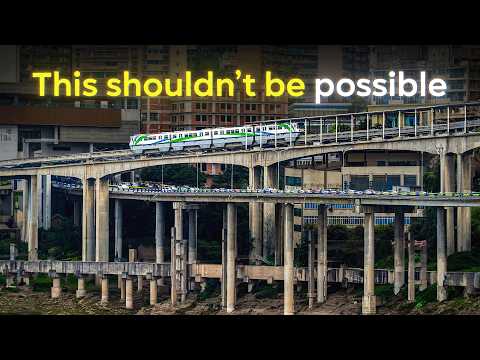
How China Built the Most Extreme Metro Ever
0
Susan posted on 2026/06/16Ever wondered how a city can be built on extreme verticality? This video dives into the incredible story of Chongqing, China, and its record-breaking metro system that runs through buildings and over rivers! You'll get a fascinating look at the engineering challenges and pick up some cool vocabulary related to urban development and transportation.
Learn this video on the APP!
The VoiceTube App has more in-depth practice for videos!