
activist
US /ˈæktəvɪst/
UK /ˈæktɪvɪst/
- Noun
- A person who tries to change a government, society
B1Moreafter all
US /ˈæftɚ ɔl/
UK /ˈɑ:ftə ɔ:l/
- Adverb
- In spite of what was expected; used to introduce a statement that supports a previous statement or explains why it was made
- Considering everything; used to indicate that something is happening or is true despite some difficulty or obstacle
- Phrase
- Despite what was expected or thought; in spite of everything.
- Taking everything into consideration; considering that.
B1Moreallege
US /əˈlɛdʒ/
UK /əˈledʒ/
- Transitive Verb
- To state without proof
B1TOEICMoreallegedly
US /ə'ledʒɪdlɪ/
UK /ə'ledʒɪdlɪ/
- Adverb
- According to what has been alleged
B2Moreanonymously
US /əˈnɑnəməslɪ/
UK /ə'nɒnɪməslɪ/
- Adverb
- Without stating your name; secretly
B1Morebalcony
US /ˈbælkəni/
UK /'bælkənɪ/
- Noun
- Platform with a rail projecting out of a building
B1Morecapital
US /ˈkæpɪtl/
UK /'kæpɪtl/
- Noun
- Writing the first letter of a word in big letters
- Official main city of a country, province or state
- Adjective
- Main, or major
- (Of an offense) liable to the death penalty.
A2Morecare of
US /kɛr ʌv/
UK /kɛə ɔv/
- Preposition
- Used in an address to indicate the person who will receive the mail for someone else.
A2Morecast
US /kæst/
UK /kɑ:st/
- Noun (Countable/Uncountable)
- People who appear in a play or movie
- Small amount of a particular color
- Transitive Verb
- To give specific roles to actors in a movie, play
- To describe someone's personality or character
A2Morecast doubt
US
UK
- Transitive Verb
- To cause uncertainty or suspicion about something.
B1Moreclaim
US /klem/
UK /kleɪm/
- Noun (Countable/Uncountable)
- To say that something is true, often without proof.
- A statement that something is true.
- Transitive Verb
- To demand or ask for something that you believe is rightfully yours.
- To take or cause the loss of (e.g., a life, property).
A2Morecome to terms with
US
UK
- Phrase
- To accept something difficult or unpleasant.
- Verb (Transitive/Intransitive)
- To accept something unpleasant
A1Morecomment
US /ˈkɑmɛnt/
UK /'kɒment/
- Noun (Countable/Uncountable)
- Something you say, giving an opinion; remark
- An explanatory note in a computer program.
- Verb (Transitive/Intransitive)
- To say something that gives your opinion
- To add explanatory notes to a computer program.
A2Morecommit
US /kəˈmɪt/
UK /kə'mɪt/
- Transitive Verb
- To do something bad, usually a crime
- To promise your permanent love or loyalty (to)
A2TOEICMoreconvince
US /kənˈvɪns/
UK /kən'vɪns/
- Transitive Verb
- To persuade someone, or make them feel sure
A2TOEICMorecourt
US /kɔrt, kort/
UK /kɔ:t/
- Transitive Verb
- To act in a way to shows you wish to marry someone
- To encourage dangerous behavior
- Noun
- Place king or queen meet people, makes laws etc.
- Place where legal cases are decided
A2TOEICMoredecease
US /dɪˈsis/
UK /dɪˈsi:s/
- Intransitive Verb
- To die
B2Moredepress
US /dɪˈprɛs/
UK /dɪ'pres/
- Transitive Verb
- To make someone feel sad or miserable
- To push something down
B2Moredisgraceful
US /dɪsˈɡresfəl/
UK /dɪs'ɡreɪsfl/
- Adjective
- Bad in such a way that people think ill of you
B2Morefatal
US /ˈfetl/
UK /ˈfeɪtl/
- Adjective
- Causing death; having very bad consequences
- Causing negative results
B1Morefilm
US /fɪlm/
UK /fɪlm/
- Noun (Countable/Uncountable)
- Thin layer that covers something
- Movie
- Transitive Verb
- To record moving action with a camera
A2Morefor example
US
UK
- Phrase
- As an illustration or instance.
get past
US /ɡɛt pæst/
UK /ɡet pɑːst/
- Phrasal Verb
- To overcome an obstacle or difficulty.
- To move beyond someone or something that is blocking your way.
A1Morein any case
US /ɪn ˈɛni kes/
UK /in ˈeni keis/
- Phrase
- Whatever happens; regardless of what has happened or may happen.
A1Morein court
US /ɪn kɔrt/
UK /in kɔ:t/
- Phrase
- Present or being discussed during a legal trial or hearing.
A1Morein on
US
UK
- Phrase
- To be involved in a secret or plan.
- To be aware of something that is secret or not generally known.
A1Morein the presence of
US /ɪn ðə ˈprɛzəns ʌv/
UK /in ðə ˈprezəns ɔv/
- Preposition
- While someone or something else is present.
B1Moreintend
US /ɪnˈtɛnd/
UK /ɪnˈtend/
- Verb (Transitive/Intransitive)
- To plan or want to do something
A2TOEICMoreinterview
US /ˈɪntɚˌvju/
UK /'ɪntəvju:/
- Transitive Verb
- To formally ask questions about a given topic
- Noun
- Meeting to ask questions to get information
A2TOEICMoreinvestigation
US /ɪnˌvɛstɪˈɡeʃən/
UK /ɪnˌvestɪ'ɡeɪʃn/
- Noun (Countable/Uncountable)
- Search for information about something
B1Morelawyer
US /ˈlɔjɚ/
UK /ˈlɔ:jə(r)/
- Noun (Countable/Uncountable)
- Professional who helps people with the law
- A person who advises on legal matters and can act on their behalf.
B1TOEICMorelead to
US /lid tu/
UK /li:d tu:/
- Phrasal Verb
- To result in some action
- Verb (Transitive/Intransitive)
- To have something as a consequence or result.
A1Moremake of
US /mek ʌv/
UK /meik ɔv/
- Phrasal Verb
- To understand or have an opinion about something
- To create or produce something from a particular material
A1Moremanslaughter
US /ˈmænˌslɔtɚ/
UK /'mænslɔ:tə(r)/
- Uncountable Noun
- Killing of a human being without intention
B2Morementally
US /ˈmɛntl:ɪ/
UK /ˈmentəli/
- Adverb
- With or in the mind and thoughts
A2Moremortality
US /mɔrˈtælɪti/
UK /mɔ:ˈtæləti/
- Uncountable Noun
- Quality or state of being capable of dying
- The state of being subject to death; the proportion of deaths to population.
B2Moreneighbor
US /ˈnebɚ/
UK /'neɪbə/
- Noun (Countable/Uncountable)
- Person who lives, or is near, you
- A country or area next to another.
- Adjective
- Situated near or next to something.
B1Morenightclub
US /ˈnaɪtˌklʌb/
UK /ˈnaɪtklʌb/
- Countable Noun
- Place for drinking and dancing at night
B2Moreof course
US /ʌv kɔː(r)s/
UK /ɔv kɔː(r)s/
- Adverb
- Sure ; Certainly
- Phrase
- For sure; certainly
A2Moreover the edge
US
UK
- Phrase
- In a state of emotional or mental breakdown; beyond the limits of what one can handle.
- Beyond the physical boundary or brink of something.
B1Moreperpetrator
US /ˌpə:pəˈtretɚ/
UK /ˈpɜ:pətreɪtə(r)/
- Countable Noun
- Someone who commits a crime
C1Morepredominantly
US /prɪˈdɑ:mɪnəntli/
UK /prɪˈdɒmɪnəntli/
- Adverb
- Mainly; in a way that indicates a greater degree
- In a way that is most noticeable or has the most influence.
C2Moreprosecution
US /ˌprɑ:sɪˈkju:ʃn/
UK /ˌprɒsɪˈkju:ʃn/
- Noun
- Lawyers acting to prove a defendant guilty
B2Moreprosecutor
US /ˈprɑ:sɪkju:tə(r)/
UK /ˈprɒsɪkju:tə(r)/
- Noun
- Lawyer who tries to prove a person's guilt
B2Moreprove
US /pruv/
UK /pru:v/
- Transitive Verb
- To demonstrate truth by providing evidence
- To test the quality or worth of something.
- Intransitive Verb
- To turn out to be; be found to be.
A2TOEICMorereact
US /riˈækt/
UK /rɪ'ækt/
- Intransitive Verb
- To change when mixing with other chemicals
- To behave or make a change in a particular way
A2Moreresidential
US /ˌrɛzɪˈdɛnʃəl/
UK /ˌrezɪˈdenʃl/
- Adjective
- Concerning patients staying in a hospital
- Being used for private homes
B1TOEICMoreskyscraper
US /ˈskaɪˌskrepɚ/
UK /'skaɪskreɪpə(r)/
- Countable Noun
- Very tall building with many stories
B2Moresociety
US /səˈsaɪɪti/
UK /sə'saɪətɪ/
- Noun (Countable/Uncountable)
- A group who meet to share values or interests
- Group of people living together
A2TOEICMoresuicidal
US /ˌsuɪˈsaɪdl/
UK /ˌsu:ɪˈsaɪdl/
- Adjective
- Feeling you may kill yourself; depressed
- Dangerous to yourself or your interests
B2Moresuicide
US /ˈsuɪˌsaɪd/
UK /'su:ɪsaɪd/
- Noun
- Act of purposely killing yourself
- Act that ruins a person's career, status etc.
B2Moresuspicious
US /səˈspɪʃəs/
UK /səˈspɪʃəs/
- Adjective
- Doubtful about someone's honesty
- Feeling that something is wrong; causing suspicion
B1Moretake good care
US
UK
- Transitive Verb
- To look after someone or something well; ensure their well-being.
A1Moreto do with
US
UK
- Phrasal Verb
- To be about something; concern
A1Moretreatment
US /ˈtritmənt/
UK /ˈtri:tmənt/
- Noun (Countable/Uncountable)
- Medicine or method to make someone healthier
- Way someone acts toward another
A2TOEICMoretuba
US /ˈtu:bə/
UK /ˈtju:bə/
- Noun
- Lowest brass wind instrument
C1Moreturkey
US /ˈtɜ:rki/
UK /ˈtɜ:ki/
- Countable Noun
- Edible bird resembling a large chicken
- Noun
- An event that fails badly or is totally ineffectual
- Flesh of large domesticated fowl usually roasted
C1Moreunanswered
US /ʌnˈɑːnsərd/
UK /ʌnˈɑ:nsəd/
- Adjective
- Was not answered
B1Moreunstable
US /ʌnˈstebəl/
UK /ʌnˈsteɪbl/
- Adjective
- (Of a chair, etc.) likely to move, fall etc.
- Tending to overreact emotionally; not balanced
B1Moreup there
US /ʌp ðɛr/
UK /ʌp ðɛə/
- Adverb
- In or to a higher place or position; far away.
- In heaven.
A1Morewith it
US /wɪð ɪt/
UK /wið it/
- Adjective
- Intelligent, alert, and up-to-date.
- Understanding and knowledgeable about current trends or information.
A1More
Vocabulary
- up there: In or to a higher place or position; far away.
- after all: In spite of what was expected; used to introduce a statement that supports a previous statement or explains why it was made
- cast doubt: To cause uncertainty or suspicion about something.
- in the presence of: While someone or something else is present.
- in on: To be involved in a secret or plan.
- of course: Sure ; Certainly
- come to terms with: To accept something difficult or unpleasant.
- in any case: Whatever happens; regardless of what has happened or may happen.
- get past: To overcome an obstacle or difficulty.
- take good care: To look after someone or something well; ensure their well-being.
- care of: Used in an address to indicate the person who will receive the mail for someone else.
- make of: To understand or have an opinion about something
- lead to: To result in some action
- over the edge: In a state of emotional or mental breakdown; beyond the limits of what one can handle.
- in court: Present or being discussed during a legal trial or hearing.
- for example: As an illustration or instance.
- with it: Intelligent, alert, and up-to-date.
- to do with: To be about something; concern
- evidence: Factual proof that helps to establish the truth
- convince: To persuade someone, or make them feel sure
- doubt: Not being sure of something; lack of certainty
- claim: To say that something is true, often without proof.
- mortality: Quality or state of being capable of dying
- commit: To do something bad, usually a crime
- imagine: To think creatively about; form mental picture of
- comment: Something you say, giving an opinion; remark
- suspicious: Doubtful about someone's honesty
- predominantly: Mainly; in a way that indicates a greater degree
- capital: Writing the first letter of a word in big letters
- court: To act in a way to shows you wish to marry someone
- society: A group who meet to share values or interests
- cast: People who appear in a play or movie
- fatal: Causing death; having very bad consequences
- reason: To think and make conclusions in a logical manner
- film: Thin layer that covers something
- throw: To use your arm to make something fly in the air
- mentally: With or in the mind and thoughts
- ground: To break (coffee, etc.) into tiny bits with machine
- record: Highest or most extreme level achieved
- prove: To demonstrate truth by providing evidence
- fall: Season after summer and before winter; Autumn
- social: Involving activity with people, e.g. in free time
- treatment: Medicine or method to make someone healthier
- allegedly: According to what has been alleged
- react: To change when mixing with other chemicals
- text: To send a message by phone or other device
- suicide: Act of purposely killing yourself
- investigation: Search for information about something
- intend: To plan or want to do something
- system: Set of organized, planned ideas that work together
- skyscraper: Very tall building with many stories
- balcony: Platform with a rail projecting out of a building
- interview: To formally ask questions about a given topic
- point: An item to be discussed
- legal: Concerning the law; allowed by law
- land: Region or country
- perpetrator: Someone who commits a crime
- residential: Concerning patients staying in a hospital
- case: Container used to carry things, e.g. clothes
- allege: To state without proof
- prosecution: Lawyers acting to prove a defendant guilty
- prosecutor: Lawyer who tries to prove a person's guilt
- activist: A person who tries to change a government, society
- anonymously: Without stating your name; secretly
- depress: To make someone feel sad or miserable
- suicidal: Feeling you may kill yourself; depressed
- neighbor: Person who lives, or is near, you
- unstable: (Of a chair, etc.) likely to move, fall etc.
- turkey: Edible bird resembling a large chicken
- lawyer: Professional who helps people with the law
- manslaughter: Killing of a human being without intention
- decease: To die
- disgraceful: Bad in such a way that people think ill of you
- unanswered: Was not answered
- nightclub: Place for drinking and dancing at night
- tuba: Lowest brass wind instrument
Get the full experience in the app
Learn anywhere with detailed sentence and usage analysis
01:03
She took a brave step forward, leaving behind her comfort zone to chase her dreams.
Vocabulary
- brave
adj. Having courage
- comfort zone
phr. A familiar situation where one feels safe
Explanation
a brave step is a noun phrase, where brave is an adjective modifying the noun step, meaning "a courageous step".
forward is an adverb modifying step, meaning "ahead".
The whole phrase serves as the object, answering the "what" of took (verb) — she took a brave step forward.
Get the full experience in the app
Look up words anytime with pronunciation, part of speech, and usage
brave
US/brev/
UK/breɪv/
adj.Brave
v.t.To bravely face
A2 Elementary
Get the full experience in the app
Practice speaking anytime and get instant pronunciation feedback
Try this speaking exercise.
Try practicing with this sentence.
80
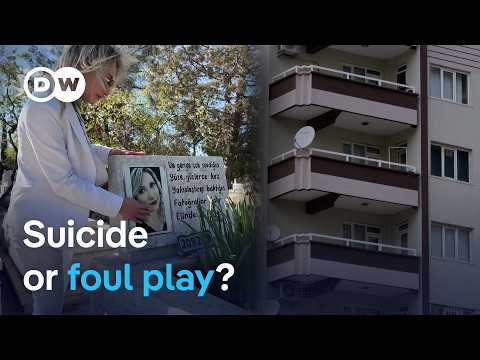
Why are so many women in Turkey falling to their deaths? | DW Reporter
0
林宜悉 posted on 2026/06/13This investigative report from DW dives into the alarming number of women in Turkey who are reportedly falling to their deaths, with many cases officially ruled as suicides. You'll hear personal stories and expert opinions that question these official findings, offering a chance to learn about sensitive vocabulary related to domestic incidents and legal investigations.
Learn this video on the APP!
The VoiceTube App has more in-depth practice for videos!