
access
US /ˈæksɛs/
UK /'ækses/
- Noun (Countable/Uncountable)
- Way to enter a place, e.g. a station or stadium
- The opportunity or right to use something or to see someone.
- Transitive Verb
- To be able to use or have permission to use
A2TOEICMoreas long as
US /æz lɔŋ æz/
UK /æz lɔŋ æz/
- Conjunction
- For the period that; provided that.
- For the length of time that
- Preposition
- On the condition that; providing that.
- Having the same length as.
A1Moreasylum
US /əˈsaɪləm/
UK /ə'saɪləm/
- Uncountable Noun
- Allowing persecuted people to stay in your country
- Countable Noun
- A hospital for mentally ill people
B2Moreat least
US /æt list/
UK /æt li:st/
- Adverb
- As a minimum
- Not less than
- Phrase
- No less than; at the minimum
- Used to indicate that something is positive in a bad situation.
C2Moreauthorization
US /ˌɔθərɪˈzeʃən/
UK /ˈɔ:θəraɪzeɪʃən/
- Uncountable Noun
- Giving approval by virtue of your authority
B2Morecanary
US /kəˈnɛri/
UK /kə'neərɪ/
- Countable Noun
- Small yellow songbird that can be kept as a pet
C1Morecapacity
US /kəˈpæsɪti/
UK /kə'pæsətɪ/
- Noun (Countable/Uncountable)
- Ability to hold, involve or contain (e.g. liquids)
- Largest amount of something that can be produced
B1Morecome from
US /kʌm frʌm/
UK /kʌm frɔm/
- Phrasal Verb
- To have as your native country or city
A1Moredeal with
US /dil wɪð/
UK /di:l wið/
- Verb (Transitive/Intransitive)
- To buy or sell goods or services.
- Phrasal Verb
- To take action to solve a problem or manage a situation.
- To be about; concern.
A1Moredebate
US / dɪˈbet/
UK /dɪ'beɪt/
- Noun (Countable/Uncountable)
- General public discussion of a topic
- A formal event where two sides discuss a topic
- Verb (Transitive/Intransitive)
- To consider options before making a decision
- To take part in a formal discussion
A2TOEICMoredirection
US /dɪˈrɛkʃən, daɪ-/
UK /də'rekʃn/
- Noun (Countable/Uncountable)
- When someone tells people what to do
- Describes the way you are going, e.g. North
A2TOEICMorediverse
US /dɪˈvɚs, daɪ-, ˈdaɪˌvɚs/
UK /daɪˈvɜ:s/
- Adjective
- Being varied or different from each other
- Very different from each other
B1TOEICMoreeligibility
US /ˌelɪdʒə'bɪlətɪ/
UK /ˌelɪdʒə'bɪlətɪ/
- Uncountable Noun
- Able to be chosen or selected
B2Moreeligible
US /ˈɛlɪdʒəbəl/
UK /ˈelɪdʒəbl/
- Adjective
- Being able to be chosen or selected; suitable
B1TOEICMorefor example
US
UK
- Phrase
- As an illustration or instance.
grant
US /ɡrænt/
UK /ɡrɑ:nt/
- Transitive Verb
- To admit an opinion is true but not fully agreeing
- To give or let someone do what they want
- Uncountable Noun
- Money given for education or research
A2TOEICMorehave to
US /hæv tu/
UK /ˈhæv tə/
- Auxiliary Verb
- Must do
A1Morehealthcare
US /'helθker/
UK /'helθkeə/
- Uncountable Noun
- Nursing care to prevent illness or recover from it
B1Moreignore
US /ɪɡˈnɔr, -ˈnor/
UK /ɪɡ'nɔ:(r)/
- Transitive Verb
- To not listen to, look at, or pay attention to
A2TOEICMoreimmigration
US /ˌɪmɪˈɡreɪʃn/
UK /ˌɪmɪˈgreɪʃn/
- Uncountable Noun
- Process of moving your home to a new country
- The number of people immigrating to a country during a specific period.
B1Moreinformally
US /ɪnˈfɔml:ɪ/
UK /ɪn'fɔ:məlɪ/
- Adverb
- In a casual or relaxed way
- Unofficially; not in the official way
B1Moreinterrupt
US /ˌɪntəˈrʌpt/
UK /ˌɪntə'rʌpt/
- Verb (Transitive/Intransitive)
- To stop something from happening for a while
- To stop someone from speaking by saying or doing something.
- Noun
- A signal that stops a computer from working on one thing and starts it working on something else.
B1TOEICMorelawyer
US /ˈlɔjɚ/
UK /ˈlɔ:jə(r)/
- Noun (Countable/Uncountable)
- Professional who helps people with the law
- A person who advises on legal matters and can act on their behalf.
B1TOEICMorelegalization
US /ˌliɡl:əˈzeʃən/
UK /ˌli:gəlaɪ'zeɪʃ/
- Uncountable Noun
- Act of making an illegal act lawful
B2Morelegalize
US /ˈliɡəˌlaɪz/
UK /'li:ɡəlaɪz/
- Transitive Verb
- To make an illegal act legal
B2Morelocal communities
US
UK
- Noun (plural)
- Groups of people living in the same area or having particular characteristics in common.
- Neighborhoods or districts where people share social connections and common interests.
B2Moremass
US /mæs/
UK /mæs/
- Noun (Countable/Uncountable)
- Religious ceremony in some Christian churches
- Large amount or number of something
- Transitive Verb
- To gather people or things into a large group
B1Moremigrant
US /ˈmaɪɡrənt/
UK /ˈmaɪgrənt/
- Noun
- Person moving to live and work in another place
B2Moremigration
US /maɪˈɡreʃən/
UK /maɪˈgreɪʃn/
- Noun (Countable/Uncountable)
- Process of moving to live in another place
- Movement from one part of something to another.
B1Morenegative
US /ˈnɛɡətɪv/
UK /'neɡətɪv/
- Noun
- The opposite to a positive electrical charge
- In grammar, containing words such as 'no' or 'not'
- Adjective
- Being harmful, unwanted or unhelpful
- In mathematics, being less than zero
A2Morenumber of people
US /ˈnʌmbɚ ʌv ˈpipəl/
UK /ˈnʌmbə ɔv ˈpi:pl/
- Phrase
- The total count of individuals within a group or gathering.
- A statistical figure representing the population size or a subset thereof.
A1Moreof course
US /ʌv kɔː(r)s/
UK /ɔv kɔː(r)s/
- Adverb
- Sure ; Certainly
- Phrase
- For sure; certainly
A2Moreopportunity
US /ˌɑpɚˈtunɪti, -ˈtju-/
UK /ˌɒpə'tju:nətɪ/
- Noun (Countable/Uncountable)
- Time, situation when a thing might be done; chance
- A favorable time or occasion for doing something.
A2TOEICMorepope
US /pop/
UK /pu:p/
- Proper Noun
- Bishop of Rome and the head of the Catholic Church
B2Moreprocess
US /ˈprɑsˌɛs, ˈproˌsɛs/
UK /prə'ses/
- Transitive Verb
- To organize and use data in a computer
- To deal with official forms in the way required
- Noun (Countable/Uncountable)
- Dealing with official forms in the way required
- Set of changes that occur slowly and naturally
A2TOEICMorereality
US /riˈælɪti/
UK /rɪ'ælətɪ/
- Noun (Countable/Uncountable)
- What is true, as opposed to what is imagined
- The state of things as they actually exist, rather than as they may appear or might be imagined.
A2Morerecognition
US /ˌrɛkəɡˈnɪʃən/
UK /ˌrekəgˈnɪʃn/
- Uncountable Noun
- Accepting that something is true or that it exists
- Considering something as important or special
B1TOEICMorereflect
US /rɪˈflɛkt/
UK /rɪ'flekt/
- Verb (Transitive/Intransitive)
- To indicate or be a sign of something
- To bounce back light, heat, sound from a surface
A2TOEICMoreregardless of
US /rɪˈɡɑrdlɪs ʌv/
UK /riˈɡɑ:dlis ɔv/
- Phrase
- Preposition
- Without being affected or influenced by something; despite.
A2Morerely
US /rɪˈlaɪ/
UK /rɪ'laɪ/
- Intransitive Verb
- Depend on with full trust or confidence
- To trust or have confidence in someone.
B2TOEICMorerequire
US /rɪˈkwaɪr/
UK /rɪ'kwaɪə(r)/
- Transitive Verb
- To demand that someone does something
- To need to do something, to make it necessary
A2TOEICMoreresidency
US /ˈrɛzɪdənsi, -ˌdɛn-/
UK /ˈrezɪdənsi/
- Uncountable Noun
- Training for a junior doctor in hospital
- A period of time when an artist, writer, or musician lives and works in a particular place.
C2Moreresult
US /rɪˈzʌlt/
UK /rɪ'zʌlt/
- Noun
- Something produced through tests or experiments
- Final score of a competition, election or game
- Intransitive Verb
- To be the outcome of other causes and effects
- To happen or exist as a consequence of something.
A2Morerhetoric
US /ˈrɛtərɪk/
UK /ˈretərɪk/
- Uncountable Noun
- The study of public speaking or writing techniques
B2TOEICMoresecurity
US /sɪˈkjʊrɪti/sə'kjurətɪ/
UK /sɪ'kjʊərətɪ/
- Noun
- Department in a company in charge of protection
- Financial document, like stocks, bonds and notes
A2TOEICMoresociety
US /səˈsaɪɪti/
UK /sə'saɪətɪ/
- Noun (Countable/Uncountable)
- A group who meet to share values or interests
- Group of people living together
A2TOEICMoresolely
US /ˈsolli, ˈsoli/
UK /ˈsəʊlli:, ˈsəʊli:/
- Adverb
- With no one or nothing else
B1TOEICMorestance
US /stæns/
UK /stæns/
- Noun
- A position or opinion stated in public
- Position or way of standing
B1TOEICMorestatus
US /ˈstetəs, ˈstætəs/
UK /'steɪtəs/
- Uncountable Noun
- Position or rank relative to others in a society
- Legal position of a person or thing
A2TOEICMorestay in
US /ste ɪn/
UK /stei in/
- Phrasal Verb
- To remain inside one's home.
- Intransitive Verb
- To remain as an inpatient in a hospital.
strain
US /stren/
UK /streɪn/
- Transitive Verb
- To remove the water from (food) using a colander
- To injure a muscle, leg etc. by using it too much
- Noun (Countable/Uncountable)
- Injury to a muscle, leg etc. through overuse
- Type or variation of a disease or bacillus
B2Moresuch as
US /sʌtʃ æz/
UK /sʌtʃ æz/
- Preposition
- For example; like
A1Moretalking about
US
UK
- Phrasal Verb
- To discuss a particular topic.
- To be constantly mentioning or bringing up a subject.
A1Moretank
US /tæŋk/
UK /tæŋk/
- Noun (Countable/Uncountable)
- Container for holding liquid or gas
- Military vehicle that can go over rough areas
- Intransitive Verb
- To fail completely or badly
- To deliberately lose a game or contest
B1Moretoughen up
US
UK
- Phrasal Verb
- To become stronger, more resilient, or less sensitive.
- To make someone or something stronger or more resilient.
undocumented
US /ˌʌn'dɑ:kjʊmentɪd/
UK /ˌʌn'dɒkjʊmentɪd/
- Adjective
- Lacking necessary paperwork (e.g. a passport)
B1Morewindow of opportunity
US
UK
- Noun
- A favorable period of time for doing something that will lead to a successful outcome.
- A short period of time in which something can be done.
A1Morework in
US /wɚk ɪn/
UK /wə:k in/
- Phrasal Verb
- To make an opening for something in your schedule
- To fit person/thing into a schedule or sequence
A1More
Vocabulary
- work in: To make an opening for something in your schedule
- local communities: Groups of people living in the same area or having particular characteristics in common.
- have to: Must do
- window of opportunity: A favorable period of time for doing something that will lead to a successful outcome.
- regardless of
- as long as: For the period that; provided that.
- at least: As a minimum
- such as: For example; like
- toughen up: To become stronger, more resilient, or less sensitive.
- for example: As an illustration or instance.
- number of people: The total count of individuals within a group or gathering.
- deal with
- stay in: To remain inside one's home.
- of course: Sure ; Certainly
- come from: To have as your native country or city
- talking about: To discuss a particular topic.
- process: To organize and use data in a computer
- access: Way to enter a place, e.g. a station or stadium
- opportunity: Time, situation when a thing might be done; chance
- situation: Place, position or area that something is in
- debate: General public discussion of a topic
- negative: The opposite to a positive electrical charge
- force: Group of persons trained for military action; army
- capacity: Ability to hold, involve or contain (e.g. liquids)
- strain: To remove the water from (food) using a colander
- reality: What is true, as opposed to what is imagined
- diverse: Being varied or different from each other
- reflect: To indicate or be a sign of something
- status: Position or rank relative to others in a society
- ignore: To not listen to, look at, or pay attention to
- state: Region within a country, with its own government
- society: A group who meet to share values or interests
- address: Exact street location of a place
- recognition: Accepting that something is true or that it exists
- direction: When someone tells people what to do
- require: To demand that someone does something
- security: Department in a company in charge of protection
- apply: To spread a substance or liquid over a surface
- interrupt: To stop something from happening for a while
- result: Something produced through tests or experiments
- grant: To admit an opinion is true but not fully agreeing
- asylum: Allowing persecuted people to stay in your country
- rhetoric: The study of public speaking or writing techniques
- eligible: Being able to be chosen or selected; suitable
- mass: Religious ceremony in some Christian churches
- economy: Using money, resources in a careful, effective way
- rely: Depend on with full trust or confidence
- stance: A position or opinion stated in public
- offer: Price you say you are willing to pay for something
- solely: With no one or nothing else
- simple: Not hard to understand or do; not complex
- government: Group of people and system that rule a nation
- argue: To fight or disagree over something
- bring: To take or go with someone to a place
- fill: To make something full
- legal: Concerning the law; allowed by law
- migrant: Person moving to live and work in another place
- immigration: Process of moving your home to a new country
- migration: Process of moving to live in another place
- return: To hit something back to the other player or team
- know: To be familiar with a person or place, thing
- tank: Container for holding liquid or gas
- pope: Bishop of Rome and the head of the Catholic Church
- healthcare: Nursing care to prevent illness or recover from it
- informally: In a casual or relaxed way
- residency: Training for a junior doctor in hospital
- lawyer: Professional who helps people with the law
- eligibility: Able to be chosen or selected
- authorization: Giving approval by virtue of your authority
- canary: Small yellow songbird that can be kept as a pet
- legalize: To make an illegal act legal
- undocumented: Lacking necessary paperwork (e.g. a passport)
- legalization: Act of making an illegal act lawful
Get the full experience in the app
Learn anywhere with detailed sentence and usage analysis
01:03
She took a brave step forward, leaving behind her comfort zone to chase her dreams.
Vocabulary
- brave
adj. Having courage
- comfort zone
phr. A familiar situation where one feels safe
Explanation
a brave step is a noun phrase, where brave is an adjective modifying the noun step, meaning "a courageous step".
forward is an adverb modifying step, meaning "ahead".
The whole phrase serves as the object, answering the "what" of took (verb) — she took a brave step forward.
Get the full experience in the app
Look up words anytime with pronunciation, part of speech, and usage
brave
US/brev/
UK/breɪv/
adj.Brave
v.t.To bravely face
A2 Elementary
Get the full experience in the app
Practice speaking anytime and get instant pronunciation feedback
Try this speaking exercise.
Try practicing with this sentence.
80
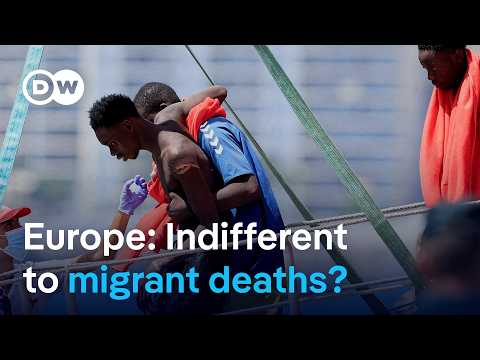
How Spain defies Europe's ever stricter migration policies | DW News
0
林宜悉 posted on 2026/06/12Curious about how Spain is taking a different approach to migration compared to the rest of Europe? This video dives into their unique policy of offering legal status to undocumented migrants, exploring the "life in the shadows" many face and the potential economic benefits. You'll pick up key phrases related to immigration and legal status, offering a fascinating look at a complex global issue.
Learn this video on the APP!
The VoiceTube App has more in-depth practice for videos!