
approach
US /əˈprəʊtʃ/
UK /ə'prəʊtʃ/
- Verb (Transitive/Intransitive)
- To get close to reaching something or somewhere
- To request someone to do something specific
- Noun (Countable/Uncountable)
- Means of reaching a place, often a road or path
- Request of someone with a specific goal in mind
A2TOEICMoreat risk
US
UK
- Phrase
- In danger; likely to be harmed
barometer
US /bəˈrɑmɪtɚ/
UK /bəˈrɒmɪtə(r)/
- Noun
- Any instrument that measures atmospheric pressure
C1TOEICMorebroadly
US /ˈbrɔdlɪ/
UK /ˈbrɔ:dli/
- Adverb
- In a general (not detailed) manner
B1Morebudget
US /ˈbʌdʒɪt/
UK /'bʌdʒɪt/
- Noun (Countable/Uncountable)
- Amount of money planned to be spent
- Verb (Transitive/Intransitive)
- To make a plan for how to spend your money
A2TOEICMorecap on
US /kæp ɑn/
UK /kæp ɒn/
- other
- An upper limit or restriction on something, such as spending or quantity.
C1Morecollapse
US /kəˈlæps/
UK /kə'læps/
- Verb (Transitive/Intransitive)
- To fold (e.g. a stroller) down to make it smaller
- To suddenly fall down or break apart into pieces
- Noun
- The sudden failure of a structure or system.
- The sudden failure of a bodily organ or function.
B1Moreconfusion
US /kənˈfjuʒən/
UK /kən'fju:ʒən/
- Uncountable Noun
- Not knowing what to do; state of disorder
B1Morecorruption
US /kəˈrʌpʃən/
UK /kəˈrʌpʃn/
- Uncountable Noun
- State of being damaged or spoiled
- Illegal, immoral dishonesty
B1Morecostly
US /ˈkɔstli/
UK /'kɒstlɪ/
- Adjective
- Being very expensive, often wasteful
B1Morecrack down
US /kræk daʊn/
UK /kræk daun/
- Phrasal Verb
- To act forcefully in order to reduce crime, etc.
B1Morecrisis
US /ˈkraɪsɪs/
UK /'kraɪsɪs/
- Noun (Countable/Uncountable)
- Unstable situation of extreme danger or difficulty
- A turning point in a disease.
B1Moredeficit
US /ˈdɛfɪsɪt/
UK /ˈdefɪsɪt/
- Noun (Countable/Uncountable)
- Amount less than what is needed or required
- The amount by which expenditure or liabilities exceed income or assets.
B1Moreemerge
US /ɪˈmɚdʒ/
UK /ɪ'mɜ:dʒ/
- Intransitive Verb
- To rise or appear out of some background
- To become known or apparent.
A2TOEICMorefinancial
US /faɪˈnænʃ(ə)l/
UK /faɪˈnænʃl/
- Adjective
- Involving money
- Relating to investments.
- Countable Noun
- A person who provides advice on financial matters.
A2TOEICMorefloat
US /floʊt/
UK /fləʊt/
- Verb (Transitive/Intransitive)
- To sell the shares of a company publicly
- To move slowly and easily through air
- Noun (Countable/Uncountable)
- Object designed to stay on the surface of water
- Decorated truck used in a festival
B1Moreforeign
US /ˈfɔ:rən/
UK /ˈfɒrən/
- Adjective
- Being of a different place or country
- Strange; different from ones found at home
A2TOEICMorefrontier
US /frʌnˈtɪr, frɑn-, ˈfrʌnˌtɪr, ˈfrɑn-/
UK /'frʌntɪə(r)/
- Noun
- Border crossing between countries
- Most advanced point of development or research
B1TOEICMorefuel
US /ˈfjuəl/
UK /'fju:əl/
- Transitive Verb
- To give power to (a mob, anger, etc.); incite
- To provide gas or petrol for something
- Uncountable Noun
- Material used to produce heat or power when burned
A2TOEICMorego after
US /ɡo ˈæftɚ/
UK /ɡəu ˈɑ:ftə/
- Phrasal Verb
- To chase or pursue something
A1Morehave to
US /hæv tu/
UK /ˈhæv tə/
- Auxiliary Verb
- Must do
A1Morein fact
US /ɪn fækt/
UK /in fækt/
- Adverb
- Used to emphasize the truth of a statement, especially one that contrasts with or contradicts something else.
- Used to introduce a more detailed or surprising piece of information.
- Phrase
- Used to emphasize the truth of a statement, especially one that is surprising or contrary to what might be expected.
C1Morein red
US /ɪn rɛd/
UK /in red/
- Phrase
- Marked or written using the colour red.
- Adjective
- Operating at a financial loss; in debt.
in the past
US
UK
- Phrase
- During a former period of time; previously.
A1Morein the world
US /ɪn ði wɜrld/
UK /in ðə wɜː(r)ld/
- Phrase
- Used to emphasize a question expressing surprise, confusion, disbelief
- Used to indicate the extent or degree of something, often in a superlative sense
A1Moreinequality
US /ˌɪnɪˈkwɑ:ləti/
UK /ˌɪnɪˈkwɒləti/
- Uncountable Noun
- Situation where things are not equal, fair
B1Moreinvest
US /ɪnˈvɛst/
UK /ɪn'vest/
- Transitive Verb
- To use resources to build for the future
A2TOEICMorelimit
US /ˈlɪmɪt/
UK /'lɪmɪt/
- Noun (Countable/Uncountable)
- Point beyond which it is not possible to go
- A line or edge marking the boundary of an area.
- Transitive Verb
- To stop or prevent an increase past a point
A2TOEICMorematerialize
US /məˈtɪriəˌlaɪz/
UK /mə'tɪərɪəlaɪz/
- Intransitive Verb
- To become real or actual
- Transitive Verb
- To give material form to; to produce.
B2Moreminimum
US /ˈmɪnəməm/
UK /ˈmɪnɪməm/
- Noun (Countable/Uncountable)
- Smallest degree or level that is acceptable
- The lowest recorded or expected temperature.
- Adjective
- Smallest or lowest; the least possible.
- Using or requiring the least possible resources.
B1TOEICMorenickel
US /ˈnɪkəl/
UK /'nɪkl/
- Noun
- American coin worth 5 cents
- A chemical element, a hard, silvery-white metal that is used in making alloys and for plating other metals.
- Transitive Verb
- To plate (metal objects) with nickel.
C1Moreoften seen
US
UK
- Adjective
- Frequently observed; commonly encountered.
- Frequently observed, especially due to popularity or prevalence.
A1Moreon paper
US /ɑn ˈpeɪpər/
UK /ɔn ˈpeipə/
- Phrase
- In theory or as a plan, but not necessarily in reality.
- Recorded in writing; documented.
A1Morepalm
US /pɑ:m/
UK /pɑ:m/
- Noun (Countable/Uncountable)
- Inner area of a person's hand
- Tropical tree with large leaves only at its top
- Transitive Verb
- To hide something in your hand
- To push someone way with your hand
B1Morepeck
US /pɛk/
UK /pek/
- Transitive Verb
- To strike sharply at something with the beak
B2Morepecking order
US
UK
- Noun
- A hierarchy where individuals know their place and relative power.
policy
US /ˈpɑlɪsi/
UK /'pɒləsɪ/
- Noun
- Document stating terms of an insurance agreement
- Course of action proposed by an organization, etc.
A2TOEICMoreprospect
US /ˈprɑsˌpɛkt/
UK /'prɒspekt/
- Noun
- Opportunity or chance for success
- Person who is considered for a particular position
- Transitive Verb
- To search for minerals such as gold or diamonds
- To consider or explore something; examine.
A2TOEICMorepublic outrage
US
UK
- Uncountable Noun
- A strong feeling of anger and shock felt by many people about something considered bad or unfair.
B1Moreregain
US /riˈɡen/
UK /rɪ'ɡeɪn/
- Transitive Verb
- To get something back that had been lost
B1Moreregion
US /ˈridʒən/
UK /'ri:dʒən/
- Noun (Countable/Uncountable)
- Part of a country, of the world, area, etc.
- A part of the body
A2TOEICMoreripple
US /ˈrɪpəl/
UK /'rɪpl/
- Countable Noun
- Small gentle low wave on the surface of water, etc.
- Sound/noise/laughter that changes in volume
- Intransitive Verb
- To travel or move as small, gentle waves
- To be spread through a person or group
B2TOEICMoresoutheast
US /saʊθˈist, saʊˈist/
UK /ˌsaʊθ'i:st/
- Noun
- Location in the southeastern part of an area
B2Morespook
US /spuk/
UK /spu:k/
- Transitive Verb
- To scare; frighten
- Noun
- A ghost or spirit
C1Morestock
US /stɑk/
UK /stɒk/
- Noun (Countable/Uncountable)
- Animals such as cattle kept for breeding
- Merchandise; goods kept by a business for sale
- Uncountable Noun
- Tasty liquid added to stews, soups etc.
B2TOEICMorestretch
US /strɛtʃ/
UK /stretʃ/
- Verb (Transitive/Intransitive)
- To make your arm, leg muscles long to ease them
- To make something bigger by pulling on it
- Noun
- Making arm, leg muscles longer to ease them
- A consecutive row of things
A2TOEICMoresuch as
US /sʌtʃ æz/
UK /sʌtʃ æz/
- Preposition
- For example; like
A1Moretight
US /taɪt/
UK /taɪt/
- Adjective
- Showing anxiety or anger; tense
- Positioned physically close together
- Adverb
- Firmly; so it can't move
A2TOEICMoreused to
US /juzd tu/
UK /ˈju:st tə/
- Adjective
- Did regularly before, but don't do now
- Auxiliary Verb
- Have done before, but do not do now
A1Moreusher
US /ˈʌʃɚ/
UK /ˈʌʃə(r)/
- Noun
- One who leads you to your seat, as in a theater
- Transitive Verb
- To serve as a leader or guide
B2Morewane
US /wen/
UK /weɪn/
- Intransitive Verb
- To become smaller, weaker or less
B2Morewary
US /ˈwɛri/
UK /'weərɪ/
- Adjective
- Concerned about danger; cautious; circumspect
B1Morewealth
US /wɛlθ/
UK /welθ/
- Uncountable Noun
- Amount of money or possessions you own, e.g. large
A2TOEICMorewelfare
US /ˈwelfer/
UK /ˈwelfeə(r)/
- Uncountable Noun
- Program to help poor/unemployed people with money
B1Morewith the exception of
US
UK
- Phrase
- Excluding; not including.
A1Moreyield
US /jild/
UK /ji:ld/
- Verb (Transitive/Intransitive)
- To bend or break because of a strong force
- To give way to someone or something else
- Noun (Countable/Uncountable)
- Amount of crops grown
- Amount of profit you make
A2TOEICMore
Vocabulary
- in the world: Used to emphasize a question expressing surprise, confusion, disbelief
- in the past: During a former period of time; previously.
- in fact: Used to emphasize the truth of a statement, especially one that contrasts with or contradicts something else.
- at risk: In danger; likely to be harmed
- often seen: Frequently observed; commonly encountered.
- cap on: An upper limit or restriction on something, such as spending or quantity.
- with the exception of: Excluding; not including.
- such as: For example; like
- on paper: In theory or as a plan, but not necessarily in reality.
- public outrage: A strong feeling of anger and shock felt by many people about something considered bad or unfair.
- in red: Marked or written using the colour red.
- crack down: To act forcefully in order to reduce crime, etc.
- used to: Did regularly before, but don't do now
- pecking order: A hierarchy where individuals know their place and relative power.
- go after: To chase or pursue something
- have to: Must do
- approach: To get close to reaching something or somewhere
- stretch: To make your arm, leg muscles long to ease them
- crisis: Unstable situation of extreme danger or difficulty
- amount: Quantity of something
- financial: Involving money
- fuel: To give power to (a mob, anger, etc.); incite
- collapse: To fold (e.g. a stroller) down to make it smaller
- state: Region within a country, with its own government
- prospect: Opportunity or chance for success
- emerge: To rise or appear out of some background
- region: Part of a country, of the world, area, etc.
- stock: Animals such as cattle kept for breeding
- deficit: Amount less than what is needed or required
- budget: Amount of money planned to be spent
- risk: To do something potentially dangerous or foolish
- lead: Wire for electricity, computer, etc.; cable
- invest: To use resources to build for the future
- corruption: State of being damaged or spoiled
- yield: To bend or break because of a strong force
- economy: Using money, resources in a careful, effective way
- palm: Inner area of a person's hand
- wealth: Amount of money or possessions you own, e.g. large
- foreign: Being of a different place or country
- lot: What happens to a person in life from chance; fate
- inequality: Situation where things are not equal, fair
- limit: Point beyond which it is not possible to go
- policy: Document stating terms of an insurance agreement
- hit: To have a negative impact on a person/place/thing
- tight: Showing anxiety or anger; tense
- confusion: Not knowing what to do; state of disorder
- manage: To survive hardships and difficulties; to cope
- welfare: Program to help poor/unemployed people with money
- ripple: Small gentle low wave on the surface of water, etc.
- public: Owned by the government
- government: Group of people and system that rule a nation
- program: To make someone act or think in a certain way
- middle: Place that is halfway between two things
- own: To have something as your property
- rise: To wake up and get out of bed after sleeping
- float: To sell the shares of a company publicly
- grow: To get bigger and more mature; make plants do this
- minimum: Smallest degree or level that is acceptable
- wary: Concerned about danger; cautious; circumspect
- usher: One who leads you to your seat, as in a theater
- frontier: Border crossing between countries
- regain: To get something back that had been lost
- barometer: Any instrument that measures atmospheric pressure
- broadly: In a general (not detailed) manner
- materialize: To become real or actual
- costly: Being very expensive, often wasteful
- wane: To become smaller, weaker or less
- nickel: American coin worth 5 cents
- peck: To strike sharply at something with the beak
- southeast: Location in the southeastern part of an area
- spook: To scare; frighten
Get the full experience in the app
Learn anywhere with detailed sentence and usage analysis
01:03
She took a brave step forward, leaving behind her comfort zone to chase her dreams.
Vocabulary
- brave
adj. Having courage
- comfort zone
phr. A familiar situation where one feels safe
Explanation
a brave step is a noun phrase, where brave is an adjective modifying the noun step, meaning "a courageous step".
forward is an adverb modifying step, meaning "ahead".
The whole phrase serves as the object, answering the "what" of took (verb) — she took a brave step forward.
Get the full experience in the app
Look up words anytime with pronunciation, part of speech, and usage
brave
US/brev/
UK/breɪv/
adj.Brave
v.t.To bravely face
A2 Elementary
Get the full experience in the app
Practice speaking anytime and get instant pronunciation feedback
Try this speaking exercise.
Try practicing with this sentence.
80
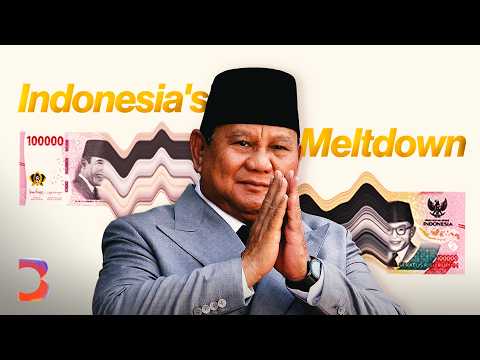
Inside Indonesia's Market Meltdown
0
cindy posted on 2026/06/12Ever wondered why Indonesia's booming economy is facing a 'market meltdown'? This video dives into the fascinating world of 'deep-fried stocks' and unpacks the complex factors, from corruption fears to export controls, that are shaking investor confidence. You'll get a clear picture of the challenges and opportunities in one of Southeast Asia's largest economies, picking up key economic terms along the way!
Learn this video on the APP!
The VoiceTube App has more in-depth practice for videos!