
accuse
US /əˈkjuz/
UK /ə'kju:z/
- Transitive Verb
- To claim that someone has done something wrong
A2Moreas for
US /æz fɔr/
UK /æz fɔ:/
- Preposition
- Concerning; regarding.
- Phrase
- Used to introduce a new topic or aspect of a subject.
A1Moreassassination
US /əˌsæsɪ'neɪʃn/
UK /əˌsæsɪ'neɪʃn/
- Noun
- Murder of a public figure by surprise attack
B2Moreat a time
US /æt e taɪm/
UK /æt ə taim/
- Phrase
- Separately; one by one
- Simultaneously; together
A1Moreat issue
US /ˌæt ˈɪʃu/
UK /ˌæt ˈɪʃu:/
- other
- Being the subject currently under discussion or dispute.
B2Moreat sea
US /æt si/
UK /æt si:/
- Phrase
- Adjective
- Confused; not knowing what to do.
A1Moreat the moment
US
UK
- Adverb
- At this time; now
A1Moreattempt
US /əˈtɛmpt/
UK /ə'tempt/
- Verb (Transitive/Intransitive)
- To try to do something challenging or difficult
- Noun
- Effort made to try to do or accomplish something
A2TOEICMoreback into
US /bæk ˈɪntu/
UK /bæk ˈɪntuː/
- Phrasal Verb
- To drive a vehicle backwards into a space or area.
- To accidentally collide with something while moving backwards.
A1Moreback to work
US
UK
- Phrase
- Returning to one's job or professional duties after a period of absence.
- Interjection
- An expression used to urge or remind people to resume working.
A1Morebullet
US /ˈbʊlɪt/
UK /'bʊlɪt/
- Countable Noun
- Metal object fired from a gun
- Dot at the beginning of each line in a list
- Adjective
- Very fast.
B1Moreburn down
US /bɚn daʊn/
UK /bə:n daun/
- Phrasal Verb
- To destroy (usually buildings) by burning
A1Morecampaign
US /kæmˈpen/
UK /kæm'peɪn/
- Intransitive Verb
- To work in an organized, active way towards a goal
- Noun (Countable/Uncountable)
- Series of actions meant to achieve a goal
- A planned set of military activities intended to achieve a particular objective.
A2TOEICMorecandidate
US /ˈkændɪˌdet, -dɪt/
UK /ˈkændɪdət/
- Noun (Countable/Uncountable)
- Politician who is running for public office
B1Morecapital
US /ˈkæpɪtl/
UK /'kæpɪtl/
- Noun
- Writing the first letter of a word in big letters
- Official main city of a country, province or state
- Adjective
- Main, or major
- (Of an offense) liable to the death penalty.
A2Morecommittee
US /kəˈmɪti/
UK /kəˈmɪti/
- Countable Noun
- Group of people who do or decide something
- A body of people formally appointed to consider or take action on a particular matter.
A2Moreconsensus
US /kənˈsɛnsəs/
UK /kənˈsensəs/
- Noun (Countable/Uncountable)
- A decision that is shared by most of a group
B1Morecorruption
US /kəˈrʌpʃən/
UK /kəˈrʌpʃn/
- Uncountable Noun
- State of being damaged or spoiled
- Illegal, immoral dishonesty
B1Morecover up
US /ˈkʌvɚ ʌp/
UK /ˈkʌvə ʌp/
- Phrasal Verb
- To hide something bad; conceal
- To put on warmer clothes; to protect oneself from the cold.
A1Morecrack down
US /kræk daʊn/
UK /kræk daun/
- Phrasal Verb
- To act forcefully in order to reduce crime, etc.
B1Moredeal to
US /dil tə/
UK /di:l tə/
- other
- To give or inflict something, often harm or punishment.
C1Moredemocracy
US /dɪˈmɑkrəsi/
UK /dɪ'mɒkrəsɪ/
- Noun (Countable/Uncountable)
- System of government in which everyone is equal
- Principles of social equality and respect for the individual within a society.
B1Moredemocratic
US /ˌdɛməˈkrætɪk/
UK /ˌdeməˈkrætɪk/
- Adjective
- (Of government) giving the people power, a vote
- Based on the principle that all members have equal rights.
B2Moredictatorship
US /dɪkˈtetɚˌʃɪp, ˈdɪkˌte-/
UK /ˌdɪkˈteɪtəʃɪp/
- Noun
- Form of government with an absolute rules
B1Moredisagree
US /ˌdɪsəˈɡri/
UK /ˌdɪsə'ɡri:/
- Intransitive Verb
- To have a different opinion; to fail to agree
B2TOEICMoredown with
US /daʊn wɪð/
UK /daun wið/
- Adjective
- Suffering from an illness.
- Agreeable to; in favor of.
- Interjection
- An expression of opposition to something.
A1Moredue to
US /du tu/
UK /dju: tu:/
- Preposition
- Because of; owing to
- Adjective
- Attributable to; caused by.
A1Moreepisode
US /ˈɛpɪˌsod/
UK /'epɪsəʊd/
- Noun
- One separate event in a series of events
- Show which is part of a larger story
B1TOEICMoreextraordinary
US /ɪkˈstrɔ:rdəneri/
UK /ɪkˈstrɔ:dnri/
- Adjective
- Beyond what is ordinary; very unusual; remarkable
- Additional to or different from what is usual or regular.
B1TOEICMorefeel like
US
UK
- Intransitive Verb
- To have a desire or inclination for something.
- To have a particular quality or sensation; resemble.
A1Morefight off
US /faɪt ɔf/
UK /fait ɔf/
- Phrasal Verb
- To defend a position, often violently
- To resist or struggle to get rid of an illness or negative feeling.
A1Morefor a change
US /fɔr e tʃendʒ/
UK /fɔ: ə tʃeindʒ/
- Phrase
- As something different from what is usual or normal.
A1Morefor long
US
UK
- Phrase
- For a considerable period of time.
- For a significant duration in the future.
A1Morefor someone
US /fɚ ˈsʌmwʌn/
UK /fə ˈsʌmwʌn/
- other
- On behalf of or intended for a particular person.
A1Moregive in
US /ɡɪv ɪn/
UK /ɡiv in/
- Phrasal Verb
- To submit work; hand in
- To stop resisting; to surrender
A1Morego straight
US /ɡo stret/
UK /ɡəu streit/
- Intransitive Verb
- To continue in the same direction without turning.
- To start living an honest and law-abiding life.
A1Morego to jail
US
UK
- Intransitive Verb
- To be sent to prison as a punishment for committing a crime.
hand out
US /hænd aʊt/
UK /hænd aut/
- Phrasal Verb
- To distribute papers (often in class)
A1Morehand up
US
UK
- Phrasal Verb
- To raise one's hand in order to get attention, especially in a classroom.
hard up
US
UK
- Adjective
- Having very little money; poor.
- Experiencing a shortage of something needed.
A1Morein fact
US /ɪn fækt/
UK /in fækt/
- Adverb
- Used to emphasize the truth of a statement, especially one that contrasts with or contradicts something else.
- Used to introduce a more detailed or surprising piece of information.
- Phrase
- Used to emphasize the truth of a statement, especially one that is surprising or contrary to what might be expected.
C1Morein favour of
US /ɪn ˈfevɚ ʌv/
UK /in ˈfeivə ɔv/
- Phrase
- Preposition
- Supporting or approving of something.
A2Morein public
US /ɪn ˈpʌblɪk/
UK /in ˈpʌblik/
- Phrase
- In a place where anyone can see or hear you.
- Adjective
- Relating to the government or the people as a whole.
B1Morein solidarity
US
UK
- Phrase
- With unity or agreement of feeling or action, especially among individuals with a common interest; showing support or sympathy.
C1Morein the end
US /ɪn ði ɛnd/
UK /in ðə end/
- Phrase
- Finally; after a period of time or series of events.
- Ultimately; as the final result or consequence.
A1Morein the hospital
US /ɪn ðə ˈhɑspɪtəl/
UK /in ðə ˈhɒspɪtəl/
- Preposition
- Located inside a hospital receiving medical care.
A1Morein the middle of
US
UK
- Phrase
- In the central part or point of something.
- Engaged or occupied with something.
A2Morein the world
US /ɪn ði wɜrld/
UK /in ðə wɜː(r)ld/
- Phrase
- Used to emphasize a question expressing surprise, confusion, or disbelief.
- Used to indicate the extent or degree of something, often in a superlative sense.
A1Moreindependence
US /ˌɪndɪˈpɛndəns/
UK /ˌɪndɪ'pendəns/
- Uncountable Noun
- Having the freedom to make your own decisions
- The state of not relying on others for financial support or assistance.
A2Morelead to
US /lid tu/
UK /li:d tu:/
- Phrasal Verb
- To result in some action
- Verb (Transitive/Intransitive)
- To have something as a consequence or result.
A1Moremainland
US /ˈmenˌlænd, -lənd/
UK /'meɪnlænd/
- Noun (Countable/Uncountable)
- Main land mass of a country or continent
- Adjective
- Relating to or situated on the main landmass of a country or continent.
B2Moremeet with
US /mit wɪð/
UK /mi:t wið/
- Phrasal Verb
- To have a meeting with someone in order to discuss something.
- To encounter or experience something, often something negative.
military
US /ˈmɪlɪˌtɛri/
UK /'mɪlətrɪ/
- Noun
- Army or armed forces
- Adjective
- Concerning the army or navy
B1Moreneck and neck
US /nɛk ənd nɛk/
UK /nek ænd nek/
- Adverb
- So close in a race or competition that it's difficult to tell who is winning.
- Adjective
- Being in a very close competition; nearly equal.
A2Morenext to
US /nɛkst tu/
UK /nekst tu:/
- Preposition
- Being located along side another
- In comparison with
- Adverb
- Almost; nearly
A1Moreoccupy
US /ˈɑkjəˌpaɪ/
UK /'ɒkjʊpaɪ/
- Transitive Verb
- To enter and take control of land/property
- To fill a time, a space, or an area
A2Moreof course
US /ʌv kɔː(r)s/
UK /ɔv kɔː(r)s/
- Adverb
- Sure ; Certainly
- Phrase
- For sure; certainly
A2Moreon the streets
US /ɑn ðə strits/
UK /ɒn ðə stri:ts/
- other
- Without a home; homeless or exposed outdoors.
B2Moreon the strength of
US /ɑn ðə strɛŋkθ ʌv/
UK /ɒn ðə streŋkθ ɔv/
- other
- Based on or because of something.
B2Moreopponent
US /əˈponənt/
UK /əˈpəʊnənt/
- Noun (Countable/Uncountable)
- Person who opposes an idea or plan; enemy
- Person that you are competing against in a game
B1Moreout of a job
US /aʊt əv ə dʒɑb/
UK /aʊt əv ə dʒɒb/
- other
- Without employment; having lost one's job.
A2Moreout of nowhere
US
UK
- Phrase
- Suddenly and unexpectedly; from an unknown place or source.
parliament
US /ˈpɑrləmənt/
UK /ˈpɑ:ləmənt/
- Noun
- Elected officials who govern a country (in the UK)
- Period when the Uk government is in session
A2Morepolitic
US /ˈpɑlɪtɪk/
UK /ˈpɒlətɪk/
- Adjective
- Careful what you say; diplomatic
B2Morepolitical
US /pəˈlɪtɪkəl/
UK /pəˈlɪtɪkl/
- Adjective
- Being active or interested in government matters
- Diplomatic
A2Morepoll
US /pol/
UK /pəʊl/
- Noun (Countable/Uncountable)
- Process of gathering opinions by asking questions
- Polls where you go to cast your vote in elections
- Transitive Verb
- To ask a group of people in a vote or election
B1TOEICMorepopulist
US /ˈpɑpjulɪst/
UK /'pɒpjəlɪst/
- Noun
- Politician claiming to represent ordinary people
- Adjective
- Claiming to represent the views of ordinary people
B2Morepresident
US /ˈprɛzɪdənt,-ˌdɛnt/
UK /ˈprezɪdənt/
- Noun
- Person in charge of a country, or organization
- The highest-ranking executive in a corporation or organization.
A2TOEICMoreprogressive
US /prəˈɡrɛsɪv/
UK /prəˈgresɪv/
- Adjective
- Believing in modern ideas about social change
- Increasing in extent or severity; occurring in gradual stages.
- Noun (Countable/Uncountable)
- People believing in bringing about social change
- A person advocating or implementing social reform or new, liberal ideas.
A2Moreprominent
US /ˈprɑmənənt/
UK /ˈprɒmɪnənt/
- Adjective
- Being important or well known
- Being easily noticeable
B1Morepull back
US /pʊl bæk/
UK /pul bæk/
- Phrasal Verb
- To move to a safer area; retreat
A1Morepunch
US /pʌntʃ/
UK /pʌntʃ/
- Noun (Countable/Uncountable)
- Alcoholic drink made from wine and fruit, etc.
- Transitive Verb
- To hit something very hard with a closed hand
- To make a hole in something with a special tool
B1Morepunchy
US /ˈpʌntʃi/
UK /ˈpʌntʃi/
- Adjective
- Having a big or noticeable effect
C2Morerally
US /ˈræli/
UK /'rælɪ/
- Noun (Countable/Uncountable)
- Public meeting to support or oppose something
- A race for motor vehicles over public roads
- Verb (Transitive/Intransitive)
- To meet publicly to support or oppose something
- To race cars in the countryside
B1Moreretain
US /rɪˈten/
UK /rɪ'teɪn/
- Transitive Verb
- To continue to have or use; keep the quality of
- To keep one thing inside another for a time
A2Moreroad ahead
US
UK
- Noun
- The future; what is to come.
- The actual road in front of you.
B1Morerun over
US /rʌn ˈovɚ/
UK /rʌn ˈəuvə/
- Phrasal Verb
- To go beyond a limit, e.g. of a budget
- To hit someone when driving a car
A1Moreshift in
US
UK
- Phrasal Verb
- A change or alteration in something.
B2Moreshot
US /ʃɑt/
UK /ʃɒt/
- Transitive Verb
- To kick or throw a ball at a goal
- To fire a gun; injure or kill someone with a gun
- Countable Noun
- An attempt to kick or throw a ball at a goal
A2Moresit down
US /sit daʊn/
UK /sit daun/
- Phrasal Verb
- To take a seat
A1Morestatus
US /ˈstetəs, ˈstætəs/
UK /'steɪtəs/
- Uncountable Noun
- Position or rank relative to others in a society
- Legal position of a person or thing
A2TOEICMorestop in
US /stɑp ɪn/
UK /stɔp in/
- Phrasal Verb
- To visit a place briefly, usually on the way to somewhere else.
A1Morestrait
US /stret/
UK /streɪt/
- Noun
- Channel joining large bodies of water
C2Moresuicide
US /ˈsuɪˌsaɪd/
UK /'su:ɪsaɪd/
- Noun
- Act of purposely killing yourself
- Act that ruins a person's career, status etc.
B2Moresymbol of
US
UK
- Phrase
- Something that represents or stands for something else, especially an object representing an abstract idea.
- A visible sign of something intangible.
B2Moretake back
US /tek bæk/
UK /teik bæk/
- Phrasal Verb
- To say you no longer agree with an opinion you had
- To return something you bought to the store
- Transitive Verb
- To retract or withdraw a statement or claim.
- To regain possession of something.
A1Morethe following
US
UK
- Adjective
- Next in order or sequence.
- Uncountable Noun
- What is about to be said or written.
B1Moretime for a change
US /ˈtaɪm fər ə ˈtʃeɪndʒ/
UK /ˈtaim fə ə ˈtʃeindʒ/
- other
- A moment when it is appropriate or necessary to make a change.
B2Moreto do with
US
UK
- Phrasal Verb
- To be about something; concern
A1Moreturn around
US /tɚn əˈraʊnd/
UK /tə:n əˈraund/
- Phrasal Verb
- To change your body to the opposite direction
- To make something running badly into a success
- Verb (Transitive/Intransitive)
- To change direction so as to face the opposite way.
- To improve or cause to improve.
A1Moreunrest
US /ʌnˈrɛst, ˈʌnˌrɛst/
UK /ʌn'rest/
- Uncountable Noun
- Disturbance, e.g. of crowd in protest against
B2Moreup to speed
US /ʌp tu spid/
UK /ʌp tu: spi:d/
- Adjective
- Fully informed; aware of the latest information
used to
US /juzd tu/
UK /ˈju:st tə/
- Adjective
- Did regularly before, but don't do now
- Auxiliary Verb
- Have done before, but do not do now
A1Morevice
US /ˌvaɪ.sə/
UK /ˌvaɪs/
- Noun
- used as part of the title of particular positions. The person who holds one of these positions is next below in authority to the person who holds the full position and can act for them
- Noun (Countable/Uncountable)
- a moral fault or weakness in someone's character
- illegal and immoral activities, especially involving illegal sex, drugs, etc.
B2Moreviolence
US /ˈvaɪələns/
UK /ˈvaɪələns/
- Uncountable Noun
- Strong physical force of nature
- Use of physical force to harm someone
B1Morewant in
US
UK
- Intransitive Verb
- To desire to participate or be included in something.
A1Morewith it
US /wɪð ɪt/
UK /wið it/
- Adjective
- Intelligent, alert, and up-to-date.
- Understanding and knowledgeable about current trends or information.
A1Morewound
US /waʊnd/
UK /waʊnd/
- Transitive Verb
- To rotate a part of say a watch to make it work
- To hurt someone emotionally
- Noun (Countable/Uncountable)
- Sadness or displeasure caused by a bad memory
- Physical injury, especially that suffered in war
A2More
Vocabulary
- in the world: Used to emphasize a question expressing surprise, confusion, or disbelief.
- of course: Sure ; Certainly
- cover up: To hide something bad; conceal
- due to: Because of; owing to
- hand out: To distribute papers (often in class)
- out of nowhere: Suddenly and unexpectedly; from an unknown place or source.
- in the middle of: In the central part or point of something.
- in the hospital: Located inside a hospital receiving medical care.
- up to speed: Fully informed; aware of the latest information
- run over: To go beyond a limit, e.g. of a budget
- take back: To say you no longer agree with an opinion you had
- with it: Intelligent, alert, and up-to-date.
- to do with: To be about something; concern
- symbol of: Something that represents or stands for something else, especially an object representing an abstract idea.
- stop in: To visit a place briefly, usually on the way to somewhere else.
- next to: Being located along side another
- the following: Next in order or sequence.
- out of a job: Without employment; having lost one's job.
- turn around: To change your body to the opposite direction
- go straight: To continue in the same direction without turning.
- back to work: Returning to one's job or professional duties after a period of absence.
- in favour of
- as for: Concerning; regarding.
- for someone: On behalf of or intended for a particular person.
- hand up: To raise one's hand in order to get attention, especially in a classroom.
- for a change: As something different from what is usual or normal.
- time for a change: A moment when it is appropriate or necessary to make a change.
- hard up: Having very little money; poor.
- deal to: To give or inflict something, often harm or punishment.
- on the strength of: Based on or because of something.
- road ahead: The future; what is to come.
- sit down: To take a seat
- down with: Suffering from an illness.
- at issue: Being the subject currently under discussion or dispute.
- used to: Did regularly before, but don't do now
- crack down: To act forcefully in order to reduce crime, etc.
- on the streets: Without a home; homeless or exposed outdoors.
- in solidarity: With unity or agreement of feeling or action, especially among individuals with a common interest; showing support or sympathy.
- shift in: A change or alteration in something.
- in public: In a place where anyone can see or hear you.
- neck and neck: So close in a race or competition that it's difficult to tell who is winning.
- in the end: Finally; after a period of time or series of events.
- give in: To submit work; hand in
- in fact: Used to emphasize the truth of a statement, especially one that contrasts with or contradicts something else.
- for long: For a considerable period of time.
- back into: To drive a vehicle backwards into a space or area.
- fight off: To defend a position, often violently
- want in: To desire to participate or be included in something.
- lead to: To result in some action
- at a time: Separately; one by one
- feel like: To have a desire or inclination for something.
- meet with: To have a meeting with someone in order to discuss something.
- pull back: To move to a safer area; retreat
- at the moment: At this time; now
- burn down: To destroy (usually buildings) by burning
- go to jail: To be sent to prison as a punishment for committing a crime.
- at sea
- episode: One separate event in a series of events
- extraordinary: Beyond what is ordinary; very unusual; remarkable
- term: Conditions applying to an agreement, contract
- campaign: To work in an organized, active way towards a goal
- attempt: To try to do something challenging or difficult
- parliament: Elected officials who govern a country (in the UK)
- prominent: Being important or well known
- bit: Device put in a horse's mouth to control it
- status: Position or rank relative to others in a society
- military: Army or armed forces
- political: Being active or interested in government matters
- vice: used as part of the title of particular positions. The person who holds one of these positions is next below in authority to the person who holds the full position and can act for them
- capital: Writing the first letter of a word in big letters
- consensus: A decision that is shared by most of a group
- democracy: System of government in which everyone is equal
- candidate: Politician who is running for public office
- opponent: Person who opposes an idea or plan; enemy
- retain: To continue to have or use; keep the quality of
- democratic: (Of government) giving the people power, a vote
- bullet: Metal object fired from a gun
- corruption: State of being damaged or spoiled
- progressive: Believing in modern ideas about social change
- poll: Process of gathering opinions by asking questions
- violence: Strong physical force of nature
- wound: To rotate a part of say a watch to make it work
- suicide: Act of purposely killing yourself
- dictatorship: Form of government with an absolute rules
- punch: Alcoholic drink made from wine and fruit, etc.
- rally: Public meeting to support or oppose something
- president: Person in charge of a country, or organization
- committee: Group of people who do or decide something
- build: Your physical shape; physique
- accuse: To claim that someone has done something wrong
- unrest: Disturbance, e.g. of crowd in protest against
- shot: To kick or throw a ball at a goal
- strait: Channel joining large bodies of water
- independence: Having the freedom to make your own decisions
- start: First time or place that a thing exists; beginning
- think: To have an idea about something without certainty
- occupy: To enter and take control of land/property
- guy: Man; boy; any person
- disagree: To have a different opinion; to fail to agree
- travel: To go to a place that is far away
- country: An area of land that is controlled by a government
- want: To desire or wish for something; hope for a thing
- time: Speed at which music is played; tempo
- happen: To take place or occur
- begin: To do the first part of an action; to start
- people: Persons sharing culture, country, background, etc.
- mainland: Main land mass of a country or continent
- politic: Careful what you say; diplomatic
- law: Field of study that relates to the legal profession
- assassination: Murder of a public figure by surprise attack
- call: A order or request for action
- populist: Politician claiming to represent ordinary people
- punchy: Having a big or noticeable effect
Get the full experience in the app
Learn anywhere with detailed sentence and usage analysis
01:03
She took a brave step forward, leaving behind her comfort zone to chase her dreams.
Vocabulary
- brave
adj. Having courage
- comfort zone
phr. A familiar situation where one feels safe
Explanation
a brave step is a noun phrase, where brave is an adjective modifying the noun step, meaning "a courageous step".
forward is an adverb modifying step, meaning "ahead".
The whole phrase serves as the object, answering the "what" of took (verb) — she took a brave step forward.
Get the full experience in the app
Look up words anytime with pronunciation, part of speech, and usage
brave
US/brev/
UK/breɪv/
adj.Brave
v.t.To bravely face
A2 Elementary
Get the full experience in the app
Practice speaking anytime and get instant pronunciation feedback
Try this speaking exercise.
Try practicing with this sentence.
80
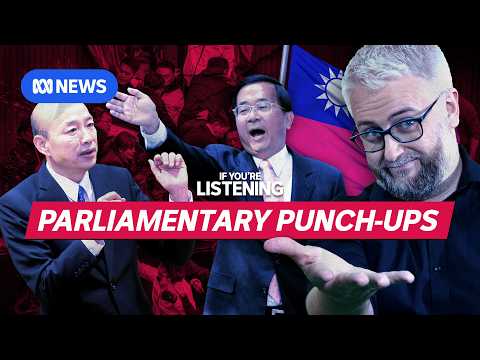
Taiwan’s violent, messy, beautiful democracy | If You're Listening
0
JJ posted on 2026/06/09Ever wondered about the wild side of politics? This video dives into the dramatic and sometimes violent history of Taiwan's parliament, showing how political clashes can shape a nation's destiny. You'll get a fascinating look at key moments and pick up some great vocabulary for discussing political events!
Learn this video on the APP!
The VoiceTube App has more in-depth practice for videos!