
armada
US /ɑrˈmɑdə, -ˈme-/
UK /ɑ:ˈmɑ:də/
- Countable Noun
- Fleet of warships
C1TOEICMoreassistant
US /əˈsɪstənt/
UK /əˈsɪstənt/
- Countable Noun
- Person who helps another, usually as a job
- Adjective
- (Person) helping another, usually as a job
A2TOEICMoreattic
US /ˈætɪk/
UK /ˈætɪk/
- Noun
- Room at the top of a house just below the roof
B1Moreback up
US /bæk ʌp/
UK /bæk ʌp/
- Phrasal Verb
- To save a copy of your computer data
- To confirm the truth of what someone says
A1Moreblow
US /blo/
UK /bləʊ/
- Verb (Transitive/Intransitive)
- To move something using air
- To make air come quickly out of your mouth
- Noun
- Something that causes you difficulty or sadness
- Act of making air come out of your mouth
A2Moreburst
US /bɚst/
UK /bɜ:st/
- Verb (Transitive/Intransitive)
- To move (arrive, exit, etc.) suddenly or hurriedly
- To break apart/open in a sudden and violent way
- Noun
- Brief time period when something happens and ends
- A sudden outbreak or display of something.
A2Morecave
US /kev/
UK /keɪv/
- Noun
- Large hole in the side of a cliff or hill
- Intransitive Verb
- To give in to pressure
A2Morechunk
US /tʃʌŋk/
UK /tʃʌŋk/
- Noun (Countable/Uncountable)
- A large bit of something; thick lump
- A significant amount or portion.
- Transitive Verb
- To divide something into chunks.
- To throw something forcefully (slang).
B2Morecoastline
US /ˈkoʊstlaɪn/
UK /ˈkəʊstlaɪn/
- Noun
- Area of sea alongside the land in an area
C1Morecontradict
US /ˌkɑntrəˈdɪkt/
UK /ˌkɒntrə'dɪkt/
- Verb (Transitive/Intransitive)
- To say the opposite is so; say something different
- To say the opposite of what someone else has said; to deny the truth of (a statement).
B1Morecorny
US /ˈkɔrni/
UK /'kɔ:nɪ/
- Adjective
- Silly or sentimental, e.g. because old-fashioned
C1Morecrush
US /krʌʃ/
UK /krʌʃ/
- Noun
- Strong attraction to someone
- Transitive Verb
- To break something into small pieces by pressing
- To defeat someone or something (in a game)
B1TOEICMorecurly
US /ˈkə:li/
UK /'kɜ:lɪ/
- Adjective
- Having curls or waves
B2Moredeposit
US /dɪˈpɑzɪt/
UK /dɪ'pɒzɪt/
- Noun (Countable/Uncountable)
- Concentration of mineral left by a river
- Part payment so that an item will be kept for you
- Transitive Verb
- (Of rivers) to leave a layer of minerals, etc.
- To lay down of layers, e.g. of soil, over time
A2TOEICMoredig
US /dɪɡ/
UK /dɪg/
- Verb (Transitive/Intransitive)
- To move material to create a hole
- To search or investigate thoroughly.
A2Moreever since
US /ˈɛvɚ sɪns/
UK /ˈevə sins/
- Adverb
- Continuously from a past time until now.
- Conjunction
- From the time that; because.
B2Morefeel like
US
UK
- Intransitive Verb
- To have a desire or inclination for something.
- To have a particular quality or sensation; resemble.
A1Morefever
US /ˈfivɚ/
UK /'fi:və(r)/
- Noun (Countable/Uncountable)
- A high body temperature, indicating illness
- State of excited emotion or activity
- Transitive Verb
- To cause to have a fever.
B1Moreflee
US /fli/
UK /fli:/
- Intransitive Verb
- To leave somewhere urgently, to avoid danger
B1Morefound out
US
UK
- Phrasal Verb
- To learn or discover something, often after some effort.
- To become known; be revealed.
B2Moreget out of
US /ɡɛt aʊt ʌv/
UK /ɡet aut ɔv/
- Phrasal Verb
- To leave or escape responsibilities, troubles
- To leave a small, enclosed vehicle
A1Morego find
US
UK
- Verb (Transitive/Intransitive)
- To search for and locate someone or something.
- An instruction to locate something.
A1Morego out
US /ɡo aʊt/
UK /ɡəu aut/
- Phrase
- To leave a building (e.g. a house)
- Phrasal Verb
- (Of a fire) to burn out; be extinguished
- Go out of fashion to stop being fashionable
A1Moregotcha
US /ˈɡɑtʃə/
UK /ˈɡɔtʃə/
- Verb (Transitive/Intransitive)
- Shortened form of 'got you'
B2Moregrandfather
US /ˈɡrændˌfɑðɚ, ˈɡræn-/
UK /'ɡrænfɑ:ðə(r)/
- Countable Noun
- Your mother's or father's father
B2Moregrief
US /ɡrif/
UK /ɡri:f/
- Uncountable Noun
- Feeling of great sadness because someone has died
- Things that are troublesome or annoying
B1Morehave to
US /hæv tu/
UK /ˈhæv tə/
- Auxiliary Verb
- Must do
A1Morehousekeeper
US /ˈhaʊsˌkipɚ/
UK /ˈhaʊski:pə(r)/
- Noun
- Person employed to maintain a home for another
B2Morein pursuit
US
UK
- Phrase
- Following or chasing someone or something, typically to catch them.
- Trying to achieve something, often a goal or ambition.
C2Morein trouble
US /ɪn ˈtrʌbəl/
UK /in ˈtrʌbl/
- Adjective
- Experiencing difficulties, problems, or legal issues.
- other
- In serious trouble or difficulty.
A1Moreinferno
US /ɪnˈfə:no/
UK /ɪn'fɜ:nəʊ/
- Noun
- Large fire in a building or other place
C1TOEICMorejunk
US /dʒʌŋk/
UK /dʒʌŋk/
- Uncountable Noun
- Something that is old, useless, or has no value
- Transitive Verb
- To get rid of something because it has no value
B1Morekeep from
US /kip frʌm/
UK /ki:p frɔm/
- Phrasal Verb
- To prevent someone from doing something
A1Morelead to
US /lid tu/
UK /li:d tu:/
- Phrasal Verb
- To result in some action
- Verb (Transitive/Intransitive)
- To have something as a consequence or result.
A1Morelegend
US /ˈlɛdʒənd/
UK /'ledʒənd/
- Noun
- List of explanations of symbols on map, etc.
- Person famous for doing something very well
B1Morelie
US /lai/
UK /laɪ/
- Intransitive Verb
- To be in a horizontal or flat position
- To say something that you know is not true
- Countable Noun
- An untrue statement, when you know it is not true
A2Moreload
US /lod/
UK /ləʊd/
- Noun (Countable/Uncountable)
- Large, often heavy, amount of a thing to be moved
- A burden; heavy responsibility
- Transitive Verb
- To put in items for use (e.g. bullets in a gun)
A2TOEICMorelook at
US /lʊk æt/
UK /luk æt/
- Phrasal Verb
- To use your eyes to focus on something
- To focus your eyes on something carefully
A1Moreneat
US /nit/
UK /ni:t/
- Adjective
- That you approve of; cool
- (Of alcohol) not weakened with water or a mixer
A2Moreoutfit
US /ˈaʊtˌfɪt/
UK /'aʊtfɪt/
- Noun
- A set of clothing (with accessories)
- Transitive Verb
- To provide with clothing and other things
B2Morepirate
US /ˈpaɪrɪt/
UK /'paɪrət/
- Transitive Verb
- To copy or sell a product illegally
- To steal things from ships by force
- Noun (Countable/Uncountable)
- Person who attacks ships in order to steal things
- One who reproduces or uses the work of another person without authorization.
B1Morepole
US /pol/
UK /pəʊl/
- Noun
- One of two opposite ideas, qualities or positions
- Most northern or most southern point on a planet
- Transitive Verb
- To move a boat with a stick or pole
B1Morepursuit
US /pɚˈsut/
UK /pəˈsju:t/
- Noun (Countable/Uncountable)
- Act of following someone to catch them
- Process of attempting to achieve a goal
B1TOEICMorereject
US /rɪˈdʒɛkt/
UK /rɪˈdʒekt/
- Noun (Countable/Uncountable)
- Goods that are not suitable for sale at full price
- Person others do not like, or refuse to accept
- Transitive Verb
- To decide that something is not good enough
- To refuse, deny to believe, accept, or consider
A2TOEICMoreresponsibility
US /rɪˌspɑnsəˈbɪlɪti/
UK /rɪˌspɒnsə'bɪlətɪ/
- Noun (Countable/Uncountable)
- Job, task or thing you are expected to look after
- A thing to be done because it is morally correct
A2Morerestroom
US /ˈrɛstˌrum, -ˌrʊm/
UK /ˈrestru:m/
- Noun
- Toilet; bathroom
C2Moreretrospective
US /ˌrɛtrəˈspɛktɪv/
UK /ˌretrəˈspektɪv/
- Adjective
- Relating to or thinking about the past
- Taking effect from a date in the past.
- Noun
- An exhibition or compilation showing the development of the work of a particular artist over a period of time.
C1TOEICMoreruin
US /ˈruɪn/
UK /'ru:ɪn/
- Transitive Verb
- To damage or completely destroy something
- To cause someone to lose their money or status
- Noun (Countable/Uncountable)
- Remains of a building that has been destroyed
- The state of being destroyed or severely damaged.
B1Morescavenger
US /ˈskævəndʒɚ/
UK /ˈskævɪndʒə(r)/
- Noun
- An animal that feeds on trash, etc.
C1Morescore
US /skɔr, skor/
UK /skɔ:(r)/
- Noun
- A sharp mark or cut in the surface of something
- Current number of points given in a game, contest
- Transitive Verb
- To mark or cut something with a sharp object
- To get or give points in a game, contest, or test
A2TOEICMoreset up
US /sɛt ʌp/
UK /set ʌp/
- Phrasal Verb
- To make arrangements for something; establish
- Verb (Transitive/Intransitive)
- To arrange or prepare something for use.
- To start a business, organization, etc.
A1Moresoak
US /sok/
UK /səʊk/
- Transitive Verb
- To make something completely wet
- To place something in liquid for a period of time
- Noun
- Placement in liquid for a period of time
B1Morestuff
US /stʌf/
UK /stʌf/
- Uncountable Noun
- Generic description for things, materials, objects
- Transitive Verb
- To push material inside something, with force
B1Moresunset
US /ˈsʌnˌsɛt/
UK /ˈsʌnset/
- Noun
- Daily disappearance of the sun
B2Morethread
US /θrɛd/
UK /θred/
- Noun
- Spiral cut at the end of a bolt
- A long, very thin, material used to sew cloth
- Transitive Verb
- To move yourself through a crowded or narrow space
- To put wire, string, etc. through a hole or needle
B1TOEICMoretranslate
US /trænsˈlet/
UK /trænsˈleɪt/
- Transitive Verb
- To change something into a different state
- To be equivalent to; equate to
A2Moretrap
US /træp/
UK /træp/
- Countable Noun
- Device used for catching animals
- Vehicle pulled by a single horse
- Transitive Verb
- To use a device to catch animals or people
- To hold, e.g. a nerve, so that it cannot move
A2Moretreasure
US /ˈtrɛʒɚ/
UK /'treʒə(r)/
- Noun (Countable/Uncountable)
- Valuable things collected, and often hidden
- Someone or something that is worth a lot
- Transitive Verb
- To value something you keep very much
- To take great care of because you love/value it
A2TOEICMoretrespassing
US
UK
- Intransitive Verb
- To enter property without permission
B2Moreup the walls
US /ʌp ði wɑlz/
UK /ʌp ðə wɔ:lz/
- other
- Extremely irritated or anxious.
B2Moreup there
US /ʌp ðɛr/
UK /ʌp ðɛə/
- Adverb
- In or to a higher place or position; far away.
- In heaven.
A1Moreye
US /ji:/
UK /ji:/
- Pronoun
- Old word for 'you' in the plural
B2More
Vocabulary
- look at: To use your eyes to focus on something
- up there: In or to a higher place or position; far away.
- keep from: To prevent someone from doing something
- get out of: To leave or escape responsibilities, troubles
- feel like: To have a desire or inclination for something.
- go find: To search for and locate someone or something.
- in trouble: Experiencing difficulties, problems, or legal issues.
- back up: To save a copy of your computer data
- found out: To learn or discover something, often after some effort.
- set up
- go out: To leave a building (e.g. a house)
- up the walls: Extremely irritated or anxious.
- ever since: Continuously from a past time until now.
- in pursuit: Following or chasing someone or something, typically to catch them.
- lead to: To result in some action
- have to: Must do
- stuff: Generic description for things, materials, objects
- ruin: To damage or completely destroy something
- neat: That you approve of; cool
- grief: Feeling of great sadness because someone has died
- crush: Strong attraction to someone
- chunk: A large bit of something; thick lump
- outfit: A set of clothing (with accessories)
- pursuit: Act of following someone to catch them
- trap: Device used for catching animals
- burst: To move (arrive, exit, etc.) suddenly or hurriedly
- blow: To move something using air
- contradict: To say the opposite is so; say something different
- break: To create a new record e.g. running the 100m dash
- soak: To make something completely wet
- flee: To leave somewhere urgently, to avoid danger
- responsibility: Job, task or thing you are expected to look after
- treasure: Valuable things collected, and often hidden
- deposit: Concentration of mineral left by a river
- junk: Something that is old, useless, or has no value
- thread: Spiral cut at the end of a bolt
- british: Concerning the culture and people of British
- kind: In a caring and helpful manner
- pole: One of two opposite ideas, qualities or positions
- steal: A bargain; something bought very cheaply
- fever: A high body temperature, indicating illness
- score: A sharp mark or cut in the surface of something
- cave: Large hole in the side of a cliff or hill
- dig: To move material to create a hole
- load: Large, often heavy, amount of a thing to be moved
- legend: List of explanations of symbols on map, etc.
- great: Very good; better than before
- assistant: Person who helps another, usually as a job
- find: To become aware of something that is happening
- set: Prepared for something; ready
- reject: Goods that are not suitable for sale at full price
- attic: Room at the top of a house just below the roof
- translate: To change something into a different state
- lie: To be in a horizontal or flat position
- minute: Notes taken at a meeting to record what was said
- guy: Man; boy; any person
- know: To be familiar with a person or place, thing
- pirate: To copy or sell a product illegally
- want: To desire or wish for something; hope for a thing
- corny: Silly or sentimental, e.g. because old-fashioned
- famous: Excellent
- touch: To affect feelings, especially by causing sympathy
- hear: To be aware of sound; to perceive with the ear
- stay: To keep trying without giving up
- coastline: Area of sea alongside the land in an area
- curly: Having curls or waves
- sunset: Daily disappearance of the sun
- gotcha: Shortened form of 'got you'
- inferno: Large fire in a building or other place
- scavenger: An animal that feeds on trash, etc.
- retrospective: Relating to or thinking about the past
- trespassing: To enter property without permission
- restroom: Toilet; bathroom
- armada: Fleet of warships
- grandfather: Your mother's or father's father
- housekeeper: Person employed to maintain a home for another
- ye: Old word for 'you' in the plural
Get the full experience in the app
Learn anywhere with detailed sentence and usage analysis
01:03
She took a brave step forward, leaving behind her comfort zone to chase her dreams.
Vocabulary
- brave
adj. Having courage
- comfort zone
phr. A familiar situation where one feels safe
Explanation
a brave step is a noun phrase, where brave is an adjective modifying the noun step, meaning "a courageous step".
forward is an adverb modifying step, meaning "ahead".
The whole phrase serves as the object, answering the "what" of took (verb) — she took a brave step forward.
Get the full experience in the app
Look up words anytime with pronunciation, part of speech, and usage
brave
US/brev/
UK/breɪv/
adj.Brave
v.t.To bravely face
A2 Elementary
Get the full experience in the app
Practice speaking anytime and get instant pronunciation feedback
Try this speaking exercise.
Try practicing with this sentence.
80
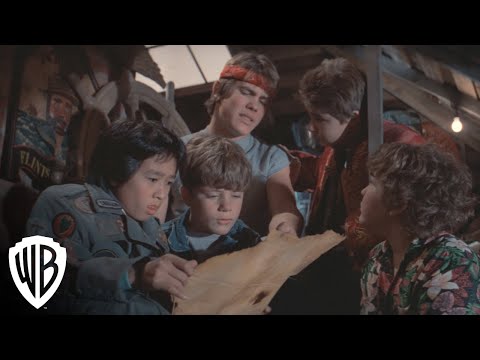
The Goonies | Finding One-Eyed Willy's Treasure Map | Warner Bros. Entertainment
0
神谷菜々子 posted on 2026/06/04Ever wondered about the legendary One-Eyed Willy and his hidden treasure? This clip dives into the story behind the famous pirate map, revealing fascinating details about his legend and the clues left behind. You'll pick up some cool vocabulary related to pirates, treasure, and historical mysteries!
Learn this video on the APP!
The VoiceTube App has more in-depth practice for videos!