
absolutely amazing
US
UK
- Adjective
- Extremely good or impressive; causing great surprise or wonder.
- Remarkably talented or skillful; inspiring awe and admiration.
B1Moreaccount of
US /əˈkaʊnt ʌv/
UK /əˈkaunt ɔv/
- Noun
- A spoken or written description of an event.
- Preposition
- Because of; for the reason of.
B1Moreancient
US /ˈenʃənt/
UK /'eɪnʃənt/
- Adjective
- Very old; having lived a very long time ago
- Relating to a period in history, especially in the distant past.
- Noun
- A person who lived in ancient times.
A2Morearchaeologist
US /ˌɑrkɪˈɑlədʒɪst/
UK /ˌɑ:kiˈɒlədʒɪst/
- Countable Noun
- Scientist studying ancient societies
C1Morearound the world
US /əˈraʊnd ði wɜrld/
UK /əˈraund ðə wɜː(r)ld/
- Phrase
- In or to many countries.
- In various places throughout the world.
A2Moreas one
US
UK
- Adverb
- Acting or moving together at the same time.
- In complete agreement or unity.
- Phrase
- With a single voice or opinion; unanimously.
- In perfect harmony or unison.
A1Moreat first glance
US /æt fɚst ɡlæns/
UK /æt fə:st ɡlɑ:ns/
- Phrase
- Upon initial observation or assessment.
A1Moreat its peak
US
UK
- Phrase
- At the highest point of achievement, intensity, or development.
A1Moreat last
US /æt læst/
UK /æt lɑ:st/
- Adverb
- Finally; after a long delay.
B1Moreat work
US /æt wɚk/
UK /æt wə:k/
- Phrase
- Located at one's place of employment
A1Moreback into
US /bæk ˈɪntu/
UK /bæk ˈɪntuː/
- Phrasal Verb
- To drive a vehicle backwards into a space or area.
- To accidentally collide with something while moving backwards.
A1Morebased on
US
UK
- Phrasal Verb
- To use something as the foundation or starting point for something else.
- Preposition
- Using something as the main idea or foundation.
- Relying on something as evidence or justification.
A1Morebay
US /be/
UK /beɪ/
- Noun (Countable/Uncountable)
- Part of an ocean or lake partly surrounded by land
- A compartment or recess in a building.
- Adjective
- Reddish-brown in color, typically used to describe a horse.
- Forcing someone or something to turn and face its attackers; cornered.
B1Morebc
US
UK
- Abbreviation
- Before Christ; used after dates/years
C1Moreburst out
US /bɚst aʊt/
UK /bə:st aut/
- Phrasal Verb
- To suddenly express an emotion or sound.
- To leave a place suddenly and energetically.
A1Morecivilization
US /ˌsɪvəlɪˈzeʃən/
UK /ˌsɪvəlaɪ'zeɪʃn/
- Noun (Countable/Uncountable)
- A highly developed society
B2Moreclose up
US /kloz ʌp/
UK /kləuz ʌp/
- Countable Noun
- A photograph or film shot taken of a subject at close range.
- Adverb
- To move nearer to someone or something.
A1Moreclue
US /klu/
UK /klu:/
- Noun
- Information that helps explain something; hint
B1Morecombine
US /kəmˈbaɪn/
UK /kəmˈbaɪn/
- Verb (Transitive/Intransitive)
- To mix several things together to form one thing
- To harvest by means of a combine.
- Noun (Countable/Uncountable)
- A harvesting machine for cutting, threshing, and cleaning grain.
- A mixture of different things.
A2Morecome from
US /kʌm frʌm/
UK /kʌm frɔm/
- Phrasal Verb
- To have as your native country or city
A1Morecomplete picture
US
UK
- Noun
- A thorough and comprehensive understanding of a situation or event.
drain
US /dren/
UK /dreɪn/
- Noun (Countable/Uncountable)
- Hole or pipe that water, waste etc. flows into
- Something that depletes resources or energy.
- Transitive Verb
- To empty or remove liquid from
- To use up the energy/ money/power of something
B1Moredrain away
US /drɛn əˈweɪ/
UK /dreɪn əˈweɪ/
- other
- To flow out or disappear gradually, especially liquid.
- To gradually lose energy, strength, or emotion.
B1Moredrained away
US
UK
- Phrasal Verb
- To flow out and disappear; to empty or become dry by flowing away.
- To gradually diminish or deplete something, such as resources or energy.
C2Moredue to
US /du tu/
UK /dju: tu:/
- Preposition
- Because of; owing to
- Adjective
- Attributable to; caused by.
A1Moreedge
US /ɛdʒ/
UK /edʒ/
- Noun (Countable/Uncountable)
- An advantage you have over others
- Cutting side of a sharp object
- Transitive Verb
- To cut something to make the blade sharp
- To go around the boundary of something
A2TOEICMoreentrance
US /ˈentrəns/
UK /ˈentrəns/
- Noun (Countable/Uncountable)
- A place where you enter a house or other building
- Act of joining a party in a showy manner
B1TOEICMoreevidence of
US
UK
- Phrase
- Facts, objects, or signs that make you believe that something is true.
- Something that shows that something else exists or is true.
A1Moreexplore
US /ɪkˈsplɔr/
UK /ɪk'splɔ:(r)/
- Transitive Verb
- To examine something in detail to learn about it
- To travel to a place to discover more about it
A2TOEICMoreextraordinary
US /ɪkˈstrɔ:rdəneri/
UK /ɪkˈstrɔ:dnri/
- Adjective
- Beyond what is ordinary; very unusual; remarkable
- Additional to or different from what is usual or regular.
B1TOEICMorefit
US /fɪt/
UK /fɪt/
- Adjective
- Good looking; physically attractive
- Having good physical health and strength
- Verb (Transitive/Intransitive)
- To install a machine, equipment etc.
- To adjust or change to the right size or shape
A2Morefit together
US /fɪt təˈɡɛðɚ/
UK /fɪt təˈɡeðə/
- other
- To combine or join parts properly or correctly.
B1Moreframe
US /frem/
UK /freɪm/
- Transitive Verb
- To make a person that is not guilty appear guilty
- To put say or write something in a careful way
- Noun (Countable/Uncountable)
- Structure that holds a picture or photo
- A person's body shape determined by their skeleton
A2TOEICMoreget a sense
US
UK
- Verb (Transitive/Intransitive)
- To understand or perceive something intuitively.
A1Moregoing on
US /ˈɡoɪŋ ɑn/
UK /ˈgəʊɪŋ ɔn/
- Phrasal Verb
- To continue doing something
- To happen (usually negative)
A1Moregranite
US /ˈɡrænɪt/
UK /ˈgrænɪt/
- Uncountable Noun
- Type of very hard stone used in buildings
B2Moreharbor
US /ˈhɑrbɚ/
UK /'hɑ:bə/
- Noun (Countable/Uncountable)
- Area of water protected by land and used by ships
- Place providing comfort and shelter from danger
- Transitive Verb
- To contain, have, hide or protect something
- To feel certain thoughts/emotions for a long time
B1Morehave to
US /hæv tu/
UK /ˈhæv tə/
- Auxiliary Verb
- Must do
A1Morehistorical
US /hɪˈstɔrɪkəl,-ˈstɑr-/
UK /hɪˈstɒrɪkl/
- Adjective
- Connected with the past
B1Morehot air
US /hɑt er/
UK /hɔt eə(r)/
- Uncountable Noun
- Meaningless or exaggerated talk; empty rhetoric.
- Air that has been heated.
A1Morehuge
US /hjudʒ/
UK /hju:dʒ/
- Adjective
- Very very large
A2Morehuman development
US /ˈhjumən dɪˈvɛləpmənt/
UK /ˈhju:mən diˈveləpmənt/
- Uncountable Noun
- The process of improvement in people's well-being and quality of life.
- The physical, intellectual, and emotional growth of a person from infancy to adulthood.
B1Morein places
US
UK
- Phrase
- In some locations but not others
A1Morein the shadow of
US /ɪn ðə ˈʃædoʊ ʌv/
UK /in ðə ˈʃædəu ɔv/
- Preposition
- Close to and influenced or dominated by something else.
B2Morein the world
US /ɪn ði wɜrld/
UK /in ðə wɜː(r)ld/
- Phrase
- Used to emphasize a question expressing surprise, confusion, disbelief
- Used to indicate the extent or degree of something, often in a superlative sense
A1Moreincredibly
US /ɪnˈkrɛdəblɪ/
UK /ɪnˈkredəbli/
- Adverb
- To a great degree; very; amazingly
- Extremely; so much so it is hard to believe
A2Moreknow about
US /noʊ əˈbaʊt/
UK /nəʊ əˈbaut/
- Phrasal Verb
- To have information or understanding of a subject or situation.
landscape
US /ˈlændˌskep/
UK /'lændskeɪp/
- Noun
- Area or scene of activity, especially in politics
- Picture of natural scenery in a place
- Transitive Verb
- To make gardens that improve an area of land
B1TOEICMorelie in
US /lai ɪn/
UK /lai in/
- Phrasal Verb
- To stay in bed later than usual in the morning.
A2Morelighthouse
US /ˈlaɪtˌhaʊs/
UK /'laɪthaʊs/
- Countable Noun
- Tower with a light that warns ships about rocks
C1Morelocation
US /loʊˈkeɪʃn/
UK /ləʊˈkeɪʃn/
- Noun (Countable/Uncountable)
- Particular position or area of place, event, etc.
- A place away from a studio where film or television shots are made.
B1TOEICMorelook at
US /lʊk æt/
UK /luk æt/
- Phrasal Verb
- To use your eyes to focus on something
- To focus your eyes on something carefully
A1Moremagma
US /'mæɡmə/
UK /'mæɡmə/
- Uncountable Noun
- Hot liquid rock from the Earth's crust
B2Moremake up
US /mek ʌp/
UK /meik ʌp/
- Phrasal Verb
- To invent or create a story
- To add up to
- Verb (Transitive/Intransitive)
- To invent a story, excuse, etc.
- To compensate for something lost, missed, or deficient.
A1Moremaritime
US /ˈmærɪˌtaɪm/
UK /ˈmærɪtaɪm/
- Adjective
- Concerning sailing, ships
- Being next to or near the sea
- Noun
- The branch of law concerning ships and shipping.
B2Moremonumental
US /ˌmɑ:njuˈmentl/
UK /ˌmɒnjuˈmentl/
- Adjective
- (Mistake/waste of time) huge; very big; severe
- Great in importance, extent, or size.
B1Moremuch about
US /mʌtʃ əˈbaʊt/
UK /mʌtʃ əˈbaut/
- Phrase
- A lot of information or knowledge concerning something.
- To a great extent or degree regarding something; caring.
A1Moremysterious
US /mɪˈstɪriəs/
UK /mɪˈstɪəriəs/
- Adjective
- Unusual; hard to understand or work out
A2Moremystery
US /ˈmɪstəri/
UK /ˈmɪstri/
- Noun (Countable/Uncountable)
- Quality of being strange and not understood
- Book, play, or film about solving a strange crime
A2Morenext to
US /nɛkst tu/
UK /nekst tu:/
- Preposition
- Being located along side another
- In comparison with
- Adverb
- Almost; nearly
A1Moreof all time
US /ʌv ɔl taɪm/
UK /ɔv ɔ:l taim/
- Adjective
- The best or most significant in history.
- Phrase
- Ever; in all of history.
A1Moreon the margins
US
UK
- Phrase
- Located in the border areas or edges of something.
- In a position of being outside the mainstream; marginalized or excluded.
A1Moreother places
US
UK
- Phrase
- Different locations or areas
out of sight, out of mind
US /aʊt əv saɪt aʊt əv maɪnd/
UK /aut əv saɪt aut əv maɪnd/
- Proverb
- People forget things or people when not seen regularly.
B1Moreout there
US /aʊt ðɛr/
UK /aut ðɛə/
- Adverb
- In or to a place that is far away
- Existing in the universe
- Adjective
- Unconventional; strange; avant-garde
- Existing or available.
A1Moreover the top
US /ˈovɚ ði tɑp/
UK /ˈəuvə ðə tɔp/
- Adjective
- More than what is considered normal or suitable; exaggerated.
- So extreme that it is offensive.
- Adverb
- To an excessive degree; excessively.
A1Morepottery
US /ˈpɑtəri/
UK /'pɒtərɪ/
- Uncountable Noun
- Factory where pots/bowls are made from clay
- Pots/bowls made from clay and baked in an oven
B1Moreremain
US /rɪˈmen/
UK /rɪˈmeɪn/
- Intransitive Verb
- To be left behind; to continue to exist
- To stay in a place when other people have gone
A2TOEICMorereveal
US /rɪˈvil/
UK /rɪ'vi:l/
- Transitive Verb
- To show something that was hidden before
A2TOEICMorerewrite history
US /ˌriˈraɪt ˈhɪstəri/
UK /ˌriːˈraɪt ˈhɪstəri/
- other
- To change the commonly accepted facts or perception of past events.
B2Morescale
US /skel/
UK /skeɪl/
- Noun (Countable/Uncountable)
- Size, level, or amount when compared
- Small hard plates that cover the body of fish
- Verb (Transitive/Intransitive)
- To change the size of but keep the proportions
- To climb something large (e.g. a mountain)
A2TOEICMorescan
US /skæn/
UK /skæn/
- Transitive Verb
- To look inside of the body with a special machine
- To look at something very quickly for information
- Noun
- A look inside the body with a special machine
B1TOEICMoreseafloor
US /ˈsiˌflɔr, -ˌflor/
UK /'si:flɒə/
- Noun
- Bottom of the sea
C2Moresearch for
US /sɚtʃ fɔr/
UK /sə:tʃ fɔ:/
- Phrasal Verb
- To try to find someone or something.
B1Moresee in
US /si ɪn/
UK /si: in/
- Phrasal Verb
- To accompany someone to the entrance of a building or room.
A1Moresin
US /sɪn/
UK /sɪn/
- Noun
- Act that breaks a religious law
- Intransitive Verb
- To do something that breaks a religious law
B1Moresink
US /sɪŋk/
UK /sɪŋk/
- Transitive Verb
- To push something down into the ground
- To dig (a well)
- Countable Noun
- Large bowl in a kitchen or washroom for washing
A2TOEICMoresubmerge
US /səbˈmɚdʒ/
UK /səb'mɜ:dʒ/
- Transitive Verb
- To sink or put below the surface
B2TOEICMoresunken cities
US
UK
- Noun (plural)
- Cities that have submerged underwater, either due to natural disasters or rising sea levels.
A1Moresurface
US /ˈsɚfəs/
UK /'sɜ:fɪs/
- Transitive Verb
- To give (road) a top layer
- Intransitive Verb
- To appear after being hidden, unseen, or unknown
- To come to the top of something; emerge
A2TOEICMorethe following
US
UK
- Adjective
- Next in order or sequence.
- Uncountable Noun
- What is about to be said or written.
B1Moretogether with
US /təˈɡɛðɚ wɪð/
UK /təˈɡeðə wið/
- Preposition
- In addition to; along with.
- Including; as well as.
A1Moreunderwater
US /ˈʌndɚˌwɔtɚ, -ˌwɑtɚ/
UK /ˌʌndəˈwɔ:tə(r)/
- Adjective
- (Moving or existing) beneath the surface of water
C2Morevolcanic
US /vɑ:lˈkænɪk/
UK /vɒlˈkænɪk/
- Adjective
- (E.g. of a temperament) easily angered; violent
- Of or relating to a volcano or volcanoes
B1Morevolcano
US /vɑ:lˈkeɪnoʊ/
UK /vɒlˈkeɪnəʊ/
- Noun (Countable/Uncountable)
- Mountain through which hot liquid earth can erupt
B1More
Vocabulary
- drain away: To flow out or disappear gradually, especially liquid.
- evidence of: Facts, objects, or signs that make you believe that something is true.
- in the world: Used to emphasize a question expressing surprise, confusion, disbelief
- sunken cities: Cities that have submerged underwater, either due to natural disasters or rising sea levels.
- around the world: In or to many countries.
- next to: Being located along side another
- drained away: To flow out and disappear; to empty or become dry by flowing away.
- going on: To continue doing something
- have to: Must do
- of all time: The best or most significant in history.
- much about: A lot of information or knowledge concerning something.
- in places: In some locations but not others
- at last: Finally; after a long delay.
- at first glance: Upon initial observation or assessment.
- the following: Next in order or sequence.
- complete picture: A thorough and comprehensive understanding of a situation or event.
- human development: The process of improvement in people's well-being and quality of life.
- at its peak: At the highest point of achievement, intensity, or development.
- out of sight, out of mind: People forget things or people when not seen regularly.
- come from: To have as your native country or city
- know about: To have information or understanding of a subject or situation.
- in the shadow of: Close to and influenced or dominated by something else.
- look at: To use your eyes to focus on something
- absolutely amazing: Extremely good or impressive; causing great surprise or wonder.
- on the margins: Located in the border areas or edges of something.
- based on: To use something as the foundation or starting point for something else.
- see in: To accompany someone to the entrance of a building or room.
- at work: Located at one's place of employment
- hot air: Meaningless or exaggerated talk; empty rhetoric.
- burst out: To suddenly express an emotion or sound.
- get a sense: To understand or perceive something intuitively.
- over the top: More than what is considered normal or suitable; exaggerated.
- as one: Acting or moving together at the same time.
- close up: A photograph or film shot taken of a subject at close range.
- back into: To drive a vehicle backwards into a space or area.
- together with: In addition to; along with.
- fit together: To combine or join parts properly or correctly.
- search for: To try to find someone or something.
- lie in: To stay in bed later than usual in the morning.
- make up: To invent or create a story
- due to: Because of; owing to
- account of: A spoken or written description of an event.
- other places: Different locations or areas
- out there: In or to a place that is far away
- rewrite history: To change the commonly accepted facts or perception of past events.
- incredibly: To a great degree; very; amazingly
- extraordinary: Beyond what is ordinary; very unusual; remarkable
- reveal: To show something that was hidden before
- evidence: Factual proof that helps to establish the truth
- scale: Size, level, or amount when compared
- ancient: Very old; having lived a very long time ago
- explore: To examine something in detail to learn about it
- drain: Hole or pipe that water, waste etc. flows into
- mysterious: Unusual; hard to understand or work out
- clue: Information that helps explain something; hint
- frame: To make a person that is not guilty appear guilty
- remain: To be left behind; to continue to exist
- edge: An advantage you have over others
- surface: To give (road) a top layer
- form: Sports team or person's current winning record
- huge: Very very large
- landscape: Area or scene of activity, especially in politics
- empty: Containing nothing; with no contents
- sink: To push something down into the ground
- civilization: A highly developed society
- ground: To break (coffee, etc.) into tiny bits with machine
- record: Highest or most extreme level achieved
- fit: Good looking; physically attractive
- mystery: Quality of being strange and not understood
- shape: The outer form of something, what it looks like
- strange: Unusual or odd; surprising because unexpected
- harbor: Area of water protected by land and used by ships
- combine: To mix several things together to form one thing
- monumental: (Mistake/waste of time) huge; very big; severe
- century: Period of 100 years
- important: Having power or authority
- place: To put someone in a particular type of situation
- build: Your physical shape; physique
- mediterranean: Describing the sea between Italy and Africa
- maritime: Concerning sailing, ships
- great: Very good; better than before
- land: Region or country
- difficult: Hard; not easy; you need to work hard to do it
- entrance: A place where you enter a house or other building
- sin: Act that breaks a religious law
- scan: To look inside of the body with a special machine
- bay: Part of an ocean or lake partly surrounded by land
- historical: Connected with the past
- volcano: Mountain through which hot liquid earth can erupt
- volcanic: (E.g. of a temperament) easily angered; violent
- pottery: Factory where pots/bowls are made from clay
- location: Particular position or area of place, event, etc.
- submerge: To sink or put below the surface
- granite: Type of very hard stone used in buildings
- archaeologist: Scientist studying ancient societies
- magma: Hot liquid rock from the Earth's crust
- lighthouse: Tower with a light that warns ships about rocks
- underwater: (Moving or existing) beneath the surface of water
- seafloor: Bottom of the sea
- bc: Before Christ; used after dates/years
Get the full experience in the app
Learn anywhere with detailed sentence and usage analysis
01:03
She took a brave step forward, leaving behind her comfort zone to chase her dreams.
Vocabulary
- brave
adj. Having courage
- comfort zone
phr. A familiar situation where one feels safe
Explanation
a brave step is a noun phrase, where brave is an adjective modifying the noun step, meaning "a courageous step".
forward is an adverb modifying step, meaning "ahead".
The whole phrase serves as the object, answering the "what" of took (verb) — she took a brave step forward.
Get the full experience in the app
Look up words anytime with pronunciation, part of speech, and usage
brave
US/brev/
UK/breɪv/
adj.Brave
v.t.To bravely face
A2 Elementary
Get the full experience in the app
Practice speaking anytime and get instant pronunciation feedback
Try this speaking exercise.
Try practicing with this sentence.
80
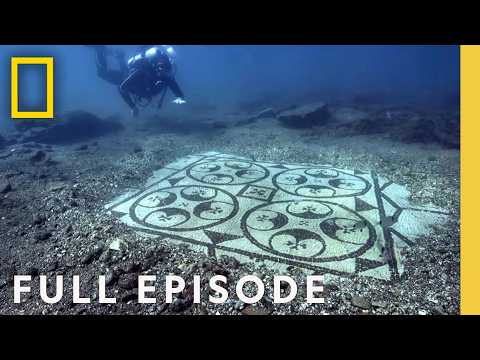
Secret Sunken Cities (Full Episode) | Drain the Oceans Compilations | National Geographic
0
林宜悉 posted on 2026/05/22Ever wondered about legendary lost cities like Atlantis or real sunken places like Pavlopetri? This National Geographic documentary dives deep into underwater archaeology, revealing incredible discoveries and the advanced techniques used to find them. You'll pick up tons of fascinating vocabulary related to ancient civilizations and the mysteries hidden beneath the waves!
Learn this video on the APP!
The VoiceTube App has more in-depth practice for videos!