
access
US /ˈæksɛs/
UK /'ækses/
- Noun (Countable/Uncountable)
- Way to enter a place, e.g. a station or stadium
- The opportunity or right to use something or to see someone.
- Transitive Verb
- To be able to use or have permission to use
A2TOEICMoreapparatus
US /ˌæpəˈretəs, -ˈrætəs/
UK /ˌæpə'reɪtəs/
- Noun (Countable/Uncountable)
- Tools or instruments used for a specific activity
B1TOEICMorearticle
US /ˈɑrtɪkəl/
UK /'ɑ:tɪkl/
- Noun (Countable/Uncountable)
- Word such as 'a', 'an', or 'the' used before nouns
- Piece of writing about a particular subject
A2TOEICMoreas one
US
UK
- Adverb
- Acting or moving together at the same time.
- In complete agreement or unity.
- Phrase
- With a single voice or opinion; unanimously.
- In perfect harmony or unison.
A1Moreayatollah
US /ˌaɪəˈtoʊlə/
UK /ˌaɪəˈtɒlə/
- Proper Noun
- Important religious or political leader in Iran
C1Morebasically
US /ˈbesɪkəli,-kli/
UK /ˈbeɪsɪkli/
- Adverb
- Used before you explain something simply, clearly
- In essence; when you consider the most important aspects of something.
A2Morebattlefield
US /ˈbætlˌfild/
UK /ˈbætlfi:ld/
- Noun
- Region where a battle was, or is being fought
C1Morebombardment
US /bɒm'bɑ:dmənt/
UK /bɒm'bɑ:dmənt/
- Noun
- Act of dropping bombs on a place
C1Morebrutally
US /ˈbrutl:ɪ/
UK /'bru:təlɪ/
- Adverb
- In a very violent or mean way
B1Morecandidate
US /ˈkændɪˌdet, -dɪt/
UK /ˈkændɪdət/
- Noun (Countable/Uncountable)
- Politician who is running for public office
B1Morecirculate
US /ˈsɚkjəˌlet/
UK /'sɜ:kjəleɪt/
- Intransitive Verb
- To go round continuously
- To move from one person to another, as at a party
- Verb (Transitive/Intransitive)
- To move around or through something, or to cause something to move around or through.
B1Morecivilization
US /ˌsɪvəlɪˈzeʃən/
UK /ˌsɪvəlaɪ'zeɪʃn/
- Noun (Countable/Uncountable)
- A highly developed society
B2Morecleric
US /ˈklɛrɪk/
UK /ˈklerɪk/
- Adjective
- A spiritual leader in a church
B2Morecome to power
US
UK
- Intransitive Verb
- To gain control of a country or organization.
A1Moreconstitution
US /ˌkɑnstɪˈtuʃən, -ˈtju-/
UK /ˌkɔnstiˈtju:ʃən/
- Noun (Countable/Uncountable)
- Statement of fundamental principles of a country
- Condition of your health
B1Morecorps
US /kɔ:rz/
UK /kɔ:z/
- Noun (plural)
- A tactical unit of ground combat forces
C1Morecracking down
US
UK
- Phrasal Verb
- To act forcefully in order to reduce crime, etc.
B1Morecurrent
US /ˈkɚrənt, ˈkʌr-/
UK /'kʌrənt/
- Uncountable Noun
- Electricity flowing through wires
- Movement of water in a river, or air in the sky
- Adjective
- Happening or being in the present time
- In general use or accepted by most people.
A2Moredeal with
US /dil wɪð/
UK /di:l wið/
- Verb (Transitive/Intransitive)
- To buy or sell goods or services.
- Phrasal Verb
- To take action to solve a problem or manage a situation.
- To be about; concern.
A1Moredefend
US /dɪˈfɛnd/
UK /dɪ'fend/
- Transitive Verb
- To protect and explain your position in court
- To protect against an attack
B1TOEICMoredemocracy
US /dɪˈmɑkrəsi/
UK /dɪ'mɒkrəsɪ/
- Noun (Countable/Uncountable)
- System of government in which everyone is equal
- Principles of social equality and respect for the individual within a society.
B1Moredictatorship
US /dɪkˈtetɚˌʃɪp, ˈdɪkˌte-/
UK /ˌdɪkˈteɪtəʃɪp/
- Noun
- Form of government with an absolute rules
B1Moreeducational attainment
US
UK
- Noun
- The highest level of education that someone has completed.
B2Moreenormous
US /ɪˈnɔrməs/
UK /iˈnɔ:məs/
- Adjective
- Huge; very big; very important
- Very great in size, amount, or degree.
A2Moreever since
US /ˈɛvɚ sɪns/
UK /ˈevə sins/
- Adverb
- Continuously from a past time until now.
- Conjunction
- From the time that; because.
B2Moreexaggerate
US /ɪgˈzædʒəreɪt/
UK /ɪgˈzædʒəreɪt/
- Verb (Transitive/Intransitive)
- To makes things seem more extreme than reality
- To speak or write about something in a way that overemphasizes or magnifies its qualities.
B1TOEICMorefavor
US /ˈfevɚ/
UK /'feɪvə/
- Noun
- Support or approval from people
- Small gift given out at a party
- Transitive Verb
- To prefer or promote over another
A2Morefor example
US
UK
- Phrase
- As an illustration or instance.
for the world
US /fɚ ðə wɝld/
UK /fə ðə wɜ:ld/
- other
- Used to emphasize something would never happen.
B2Morehave to
US /hæv tu/
UK /ˈhæv tə/
- Auxiliary Verb
- Must do
A1Morehold on
US /hold ɑn/
UK /həuld ɔn/
- Phrasal Verb
- To wait for someone (e.g. on a phone call)
- To wait for a short time.
A1Morein charge
US /ɪn tʃɑrdʒ/
UK /in tʃɑ:dʒ/
- Adverb
- To be responsible for
A1Morein favor of
US /ɪn ˈfevɚ ʌv/
UK /in ˈfeivə ɔv/
- Phrase
- Expressing support or approval for someone or something.
- To the advantage of; benefiting.
- Preposition
- Supporting or approving of something.
- To the advantage of; to the benefit of.
A1Morein the face of
US //ɪn ðə feɪs ɑv//
UK
- Phrase
- When confronted with something difficult or challenging.
- Despite; in defiance of; when confronted with.
A1Morein the past
US
UK
- Phrase
- During a former period of time; previously.
A1Morein the world
US /ɪn ði wɜrld/
UK /in ðə wɜː(r)ld/
- Phrase
- Used to emphasize a question expressing surprise, confusion, disbelief
- Used to indicate the extent or degree of something, often in a superlative sense
A1Moreislam
US /ɪsˈlɑm,ɪz- /
UK /ˈɪzlɑ:m/
- Noun
- Religion of Muslims based on the Koran
C2Moremajor
US /ˈmedʒɚ/
UK /'meɪdʒə(r)/
- Countable Noun
- High-ranking officer in the army
- Main subject you study at university
- Adjective
- Main league; esp. referring to American baseball
- Important, serious, or large in scope, size
A2TOEICMoremete out
US
UK
- Phrasal Verb
- To administer or dispense (something, such as justice or punishment).
A1Moremilitary
US /ˈmɪlɪˌtɛri/
UK /'mɪlətrɪ/
- Noun
- Army or armed forces
- Adjective
- Concerning the army or navy
B1Moreon the internet
US
UK
- Phrase
- Located or available on the internet.
- Using the internet as a medium or platform.
A1Moreon the street
US /ɑn ði strit/
UK /ɔn ðə stri:t/
- Phrase
- Located on or along a public road in a town or city.
- Available or circulating, especially illegally or unofficially.
A1Moreon the streets
US /ɑn ðə strits/
UK /ɒn ðə stri:ts/
- other
- Without a home; homeless or exposed outdoors.
B2Moreout there
US /aʊt ðɛr/
UK /aut ðɛə/
- Adverb
- In or to a place that is far away
- Existing in the universe
- Adjective
- Unconventional; strange; avant-garde
- Existing or available.
A1Moreparliament
US /ˈpɑrləmənt/
UK /ˈpɑ:ləmənt/
- Noun
- Elected officials who govern a country (in the UK)
- Period when the Uk government is in session
A2Morepolitical
US /pəˈlɪtɪkəl/
UK /pəˈlɪtɪkl/
- Adjective
- Being active or interested in government matters
- Diplomatic
A2Morepresidential
US /ˌprɛzɪˈdɛnʃəl/
UK /ˌprezɪ'denʃl/
- Adjective
- Concerning the president
B1Moreprotest
US /ˈproʊtɛst/
UK /'prəʊtest/
- Verb (Transitive/Intransitive)
- To argue against something in a forceful way
- To express a strong objection or dislike
- Noun
- Forceful argument against something
- Objection to something
A2Morerather than
US
UK
- Adverb
- More exactly; more correctly
- Preferably; instead
- Preposition
- Instead of
A1Moreregime
US /reˈʒim, rɪ-/
UK /reɪˈʒi:m/
- Noun
- A system of management; a form of government
B1Morereligious
US /rɪˈlɪdʒəs/
UK /rɪˈlɪdʒəs/
- Adjective
- Following the rules and beliefs of a faith
- Relating to or manifesting faithful devotion to an acknowledged ultimate reality or deity.
B1Morereside
US /rɪˈzaɪd/
UK /rɪˈzaɪd/
- Intransitive Verb
- To live in; dwell; to be present
B1Morerevolutionary
US /ˌrɛvəˈluʃəˌnɛri/
UK /ˌrevə'lu:ʃənərɪ/
- Adjective
- Marking a significant change in something
- Relating to a violent replacement of a government
- Countable Noun
- Person fighting to replace a government
B2Morerig
US /rɪɡ/
UK /rɪɡ/
- Transitive Verb
- To dishonestly fix the result of elections, games
- To fit out a ship with ropes and sails
- Noun
- Shape and number of sails on a ship
- Structure that draws out oil from under the ground
B2Morerole
US /rol/
UK /rəʊl/
- Noun
- Character played by an actor
- Part you play in an activity; job; responsibility
A2Moresatan
US /'seɪtn/
UK /'seɪtn/
- Proper Noun
- An evil spirit said to be in control of hell
B2Moresociety
US /səˈsaɪɪti/
UK /sə'saɪətɪ/
- Noun (Countable/Uncountable)
- A group who meet to share values or interests
- Group of people living together
A2TOEICMoresource
US /sɔrs, sors/
UK /sɔ:s/
- Noun (Countable/Uncountable)
- Piece of information; a person giving information
- Place from which something necessary comes
- Adjective
- Produces or provides what is wanted or needed
A2TOEICMorestandard
US /ˈstændəd/
UK /'stændəd/
- Noun
- Official unit of measuring something
- Principle of behaving in a moral way
- Adjective
- Being the accepted normal level of quality
- (Of a language) being the most accepted in a place
A2TOEICMorestern
US /stɜ:rn/
UK /stɜ:n/
- Adjective
- Being very severe, strict, or serious
- Not likely to change, weaken or give in
- Noun
- Back part of a ship or boat
B2Moresuccession
US /səkˈsɛʃən/
UK /səkˈseʃn/
- Uncountable Noun
- Act of officially taking over someone's position
- Things that happen one after another in a series
B2Moresuppose
US /səˈpoʊz/
UK /sə'pəʊz/
- Verb (Transitive/Intransitive)
- To imagine or guess what might happen
- Conjunction
- What if
A2TOEICMoresupreme
US /sʊˈprim/
UK /su:ˈpri:m/
- Adjective
- Greatest in degree/nature/quality; absolute best
- Holding the highest power, status or authority
B1Morethink about
US /θɪŋk əˈbaʊt/
UK /θiŋk əˈbaut/
- Phrasal Verb
- To consider something carefully.
- To remember or call to mind.
A1Moreviral
US /ˈvaɪrəl/
UK /ˈvaɪrəl/
- Adjective
- Of or caused by a virus
- Becoming very popular by circulating quickly from person to person, especially through the Internet.
B2More
Vocabulary
- as one: Acting or moving together at the same time.
- for example: As an illustration or instance.
- in charge: To be responsible for
- hold on: To wait for someone (e.g. on a phone call)
- on the streets: Without a home; homeless or exposed outdoors.
- think about: To consider something carefully.
- cracking down: To act forcefully in order to reduce crime, etc.
- in the face of: When confronted with something difficult or challenging.
- come to power: To gain control of a country or organization.
- in favor of: Expressing support or approval for someone or something.
- ever since: Continuously from a past time until now.
- mete out: To administer or dispense (something, such as justice or punishment).
- on the internet: Located or available on the internet.
- have to: Must do
- in the world: Used to emphasize a question expressing surprise, confusion, disbelief
- in the past: During a former period of time; previously.
- deal with
- on the street: Located on or along a public road in a town or city.
- educational attainment: The highest level of education that someone has completed.
- for the world: Used to emphasize something would never happen.
- out there: In or to a place that is far away
- rather than: More exactly; more correctly
- enormous: Huge; very big; very important
- access: Way to enter a place, e.g. a station or stadium
- basically: Used before you explain something simply, clearly
- exaggerate: To makes things seem more extreme than reality
- force: Group of persons trained for military action; army
- current: Electricity flowing through wires
- parliament: Elected officials who govern a country (in the UK)
- suppose: To imagine or guess what might happen
- viral: Of or caused by a virus
- bit: Device put in a horse's mouth to control it
- field: Area of study, such as physics or biology
- military: Army or armed forces
- political: Being active or interested in government matters
- society: A group who meet to share values or interests
- regime: A system of management; a form of government
- democracy: System of government in which everyone is equal
- form: Sports team or person's current winning record
- candidate: Politician who is running for public office
- religious: Following the rules and beliefs of a faith
- protest: To argue against something in a forceful way
- favor: Support or approval from people
- standard: Official unit of measuring something
- rate: To assess something or consider its qualities
- civilization: A highly developed society
- article: Word such as 'a', 'an', or 'the' used before nouns
- economy: Using money, resources in a careful, effective way
- major: High-ranking officer in the army
- apparatus: Tools or instruments used for a specific activity
- role: Character played by an actor
- source: Piece of information; a person giving information
- supreme: Greatest in degree/nature/quality; absolute best
- constitution: Statement of fundamental principles of a country
- revolutionary: Marking a significant change in something
- dictatorship: Form of government with an absolute rules
- system: Set of organized, planned ideas that work together
- information: Collection of facts and details about something
- defend: To protect and explain your position in court
- stern: Being very severe, strict, or serious
- brutally: In a very violent or mean way
- great: Very good; better than before
- question: To ask for or try to get information
- space: Empty area kept for a specific reason, like a car
- rig: To dishonestly fix the result of elections, games
- succession: Act of officially taking over someone's position
- world: All the humans, events, activities on the earth
- guy: Man; boy; any person
- choose: To select; decide between several possibilities
- knowledge: Information, understanding, or skill
- circulate: To go round continuously
- reside: To live in; dwell; to be present
- presidential: Concerning the president
- battlefield: Region where a battle was, or is being fought
- bombardment: Act of dropping bombs on a place
- corps: A tactical unit of ground combat forces
- islam: Religion of Muslims based on the Koran
- cleric: A spiritual leader in a church
- satan: An evil spirit said to be in control of hell
- ayatollah: Important religious or political leader in Iran
Get the full experience in the app
Learn anywhere with detailed sentence and usage analysis
01:03
She took a brave step forward, leaving behind her comfort zone to chase her dreams.
Vocabulary
- brave
adj. Having courage
- comfort zone
phr. A familiar situation where one feels safe
Explanation
a brave step is a noun phrase, where brave is an adjective modifying the noun step, meaning "a courageous step".
forward is an adverb modifying step, meaning "ahead".
The whole phrase serves as the object, answering the "what" of took (verb) — she took a brave step forward.
Get the full experience in the app
Look up words anytime with pronunciation, part of speech, and usage
brave
US/brev/
UK/breɪv/
adj.Brave
v.t.To bravely face
A2 Elementary
Get the full experience in the app
Practice speaking anytime and get instant pronunciation feedback
Try this speaking exercise.
Try practicing with this sentence.
80
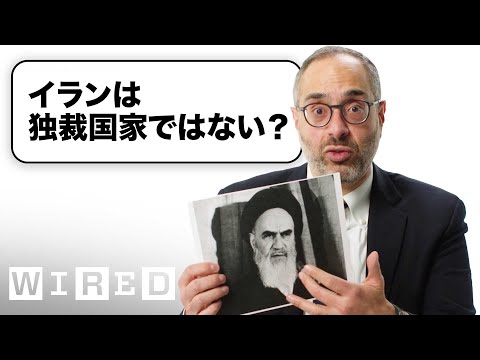
ハーバードの教授だけど「イランの政治」について質問ある? | Tech Support | WIRED Japan
0
林宜悉 posted on 2026/05/21Ever wondered about the complex world of Iran's politics and the forces shaping it? This video features a Harvard professor breaking down topics like the IRGC, information warfare, and democratic transitions, giving you a fantastic chance to pick up advanced vocabulary and gain deep cultural insights!
Learn this video on the APP!
The VoiceTube App has more in-depth practice for videos!