
absorb
US /əbˈsɔrb, -ˈzɔrb/
UK /əb'sɔ:b/
- Transitive Verb
- To take up all attention / energy of something
- To take in a liquid; soak up
B1TOEICMoreaffect
US /əˈfɛkt/
UK /ə'fekt/
- Transitive Verb
- To cause a change in something else
- To pretend to have or feel (something).
- Noun
- (Psychology) Emotion or feeling.
A2TOEICMoreas for
US /æz fɔr/
UK /æz fɔ:/
- Preposition
- Concerning; regarding.
- Phrase
- Used to introduce a new topic or aspect of a subject.
A1Moreat large
US /æt lɑrdʒ/
UK /æt lɑ:dʒ/
- Adjective
- (of a person or animal, especially one that is dangerous) not captured; free.
A2Moreat least
US /æt list/
UK /æt li:st/
- Adverb
- As a minimum
- Not less than
- Phrase
- No less than; at the minimum
- Used to indicate that something is positive in a bad situation.
C2Moreback then
US
UK
- Phrase
- At that time in the past.
A1Morebacteria
US /bækˈtɪriə/
UK /bæk'tɪərɪə/
- Noun (plural)
- The very small creatures that can cause disease
B2Morebarrier
US /ˈbæriɚ/
UK /'bærɪə(r)/
- Noun
- Difficult situation preventing something happening
- Structure or object that stops free movement
B1TOEICMorebattle
US /ˈbætl/
UK /'bætl/
- Noun (Countable/Uncountable)
- Military fight between armies
- Working hard to stop something; struggle
- Verb (Transitive/Intransitive)
- To fight or struggle against someone or something
- To work hard to stop something; struggle
A2Morebizarre
US /bɪˈzɑr/
UK /bɪˈzɑ:(r)/
- Adjective
- Odd or strange
B2Morebloody
US /ˈblʌdi/
UK /'blʌdɪ/
- Adjective
- Covered or spotted with blood on the surface
- A word used when swearing or cursing
C2Morebowel
US /ˈbaʊəl, baʊl/
UK /ˈbaʊəl/
- Noun
- End part of the intestine, connected to the anus
B1Morecancer
US /ˈkænsɚ/
UK /'kænsə(r)/
- Noun
- Any growth caused by abnormal cell division
B1Morecircle back
US /ˈsɝkl bæk/
UK /ˈsɜ:kl bæk/
- other
- To return to a previous topic or point in conversation.
B2Morecolon
US /ˈkolən/
UK /'kəʊlən/
- Noun
- Lower part of intestine turning food into waste
- Symbol: used in writing e.g. before lists
B2Morecombine
US /kəmˈbaɪn/
UK /kəmˈbaɪn/
- Verb (Transitive/Intransitive)
- To mix several things together to form one thing
- To harvest by means of a combine.
- Noun (Countable/Uncountable)
- A harvesting machine for cutting, threshing, and cleaning grain.
- A mixture of different things.
A2Morecome from
US /kʌm frʌm/
UK /kʌm frɔm/
- Phrasal Verb
- To have as your native country or city
A1Morecool off
US /kul ɔf/
UK /ku:l ɔf/
- Phrasal Verb
- To become cooler.
- To become calm after being angry or excited.
A2Morecracked it
US
UK
- Phrasal Verb
- To solve a problem or mystery.
- To achieve success in a particular field or activity.
cure
US /kjʊr/
UK /kjʊə(r)/
- Noun
- Something that solves a problem or makes it better
- Medical treatment making a sick person healthy
- Transitive Verb
- To fix or improve a problem
- To make someone healthy or make a disease go away
B1Moredamage
US /ˈdæmɪdʒ/
UK /ˈdæmɪdʒ/
- Noun (Countable/Uncountable)
- Physical harm that is done to something
- Transitive Verb
- To harm physically; to hurt or break something
- To harm the reputation of someone.
A2TOEICMoredepend
US /dɪˈpend/
UK /dɪˈpend/
- Verb (Transitive/Intransitive)
- Be controlled or determined by (someone/something)
- To rely on someone or something for support, help, or existence.
B1TOEICMoredepending on
US
UK
- Phrasal Verb
- To rely on for support (financial or emotional)
- Influenced or determined by.
- Preposition
- Subject to; contingent on
- Relying on someone or something for support or assistance.
A2Morediscomfort
US /dɪsˈkʌmfərt/
UK /dɪsˈkʌmfət/
- Transitive Verb
- To cause to feel uncomfortable or not at ease
- Uncountable Noun
- Feelings of being uncomfortable or uneasy
B2Moredisease
US /dɪˈziz/
UK /dɪˈzi:z/
- Noun (Countable/Uncountable)
- Illness that affects a person, animal, or plant
- A disorder of structure or function in a plant, especially one caused by a pathogen.
- Transitive Verb
- To affect with disease; to corrupt or sicken.
A2TOEICMoreexacerbate
US /ɪɡˈzæsɚˌbet/
UK /ɪɡ'zæsəbeɪt/
- Transitive Verb
- To increase the severity or bitterness of
B2Morefatigue
US /fəˈtiɡ/
UK /fəˈti:g/
- Uncountable Noun
- Breaking due to being moved or bent many times
- Being very tired
- Transitive Verb
- To cause someone or something to become very tired
B2Moreflare
US /flɛr/
UK /fleə(r)/
- Intransitive Verb
- To become angry or excited suddenly
- To burn or shine suddenly and briefly
- Noun
- A brief bright light
- Light/fire used to signal for help/warn of danger
B2Moreflare up
US /flɛr ʌp/
UK /flɛə ʌp/
- Intransitive Verb
- To suddenly worsen or become more intense (of a medical condition).
- To suddenly become angry or violent.
- Phrasal Verb
- To suddenly become angry or violent.
- To suddenly become worse or more intense (of a medical condition).
A1Morefor certain
US /fɔr ˈsɚtn/
UK /fɔ: ˈsə:tn/
- Idiom
- Definitely; without a doubt.
- Phrase
- Without any doubt; definitely.
for the rest
US /fɔr ði rɛst/
UK /fɔ: ðə rest/
- Phrase
- Concerning the remaining people or things.
- During the remaining part of a period of time.
A1Moregenetic
US /dʒəˈnɛtɪk/
UK /dʒəˈnetɪk/
- Adjective
- Of, relating to, or controlled by genes
- Relating to genes or heredity.
B1Morego on
US /ɡo ɑn/
UK /ɡəu ɔn/
- Phrasal Verb
- To continue doing something
- To happen (usually negative)
- Interjection
- Used to encourage someone
A1Moregoing on
US /ˈɡoɪŋ ɑn/
UK /ˈgəʊɪŋ ɔn/
- Phrasal Verb
- To continue doing something
- To happen (usually negative)
A1Moregut
US /ɡʌt/
UK /ɡʌt/
- Transitive Verb
- To destroy the inside of a building , e.g. by fire
- To remove the internal parts of an animal or fish
- Noun (Countable/Uncountable)
- Stomach and internal organs of digestion
B1Moreimmune
US /ɪˈmjoon/
UK /ɪˈmju:n/
- Adjective
- Having a special protection from, e.g. the law
- Protected against a particular disease or condition because of antibodies or vaccination.
B1Morein fact
US /ɪn fækt/
UK /in fækt/
- Adverb
- Used to emphasize the truth of a statement, especially one that contrasts with or contradicts something else.
- Used to introduce a more detailed or surprising piece of information.
- Phrase
- Used to emphasize the truth of a statement, especially one that is surprising or contrary to what might be expected.
C1Morein general
US /ɪn ˈdʒɛnərəl/
UK /in ˈdʒenərəl/
- Phrase
- Typically; usually; on the whole.
- Not specific or detailed; broadly.
- Adjective
- Not detailed or specific; overall.
C2Morein order to
US /ɪn ˈɔrdɚ tu/
UK /in ˈɔ:də tu:/
- Preposition
- For the purpose of; with the aim of.
- Phrase
- In a specific sequence or arrangement.
- With the aim of; for the purpose of.
C1Morein particular
US /ɪn pɚˈtɪkjəlɚ/
UK /in pəˈtikjulə/
- Phrase
- Specifically; especially.
- Detailed or precise.
A1Moreinflammation
US /ˌɪnfləˈmeʃən/
UK /ˌɪnfləˈmeɪʃn/
- Noun (Countable/Uncountable)
- Painful swelling in the body due to illness
- A condition in which a part of the body becomes reddened, swollen, hot, and often painful, especially as a reaction to injury or infection.
B2Moreinflammatory
US /ɪnˈflæməˌtɔri, -ˌtori/
UK /ɪnˈflæmətri/
- Adjective
- Making or intended to make someone angry
B2TOEICMoreintestine
US /ɪnˈtɛstɪn/
UK /ɪnˈtestɪn/
- Noun (Countable/Uncountable)
- Long tube in the body for digesting food
B1Moreinvestigate
US /ɪnˈvɛstɪˌɡet/
UK /ɪn'vestɪɡeɪt/
- Verb (Transitive/Intransitive)
- To try to find out facts; to carry out research
A2Moreirritable
US /ˈɪrɪtəbəl/
UK /ˈɪrɪtəbl/
- Adjective
- Annoyed; easily annoyed or angered
- Easily inflamed or sore.
B2Morelead to
US /lid tu/
UK /li:d tu:/
- Phrasal Verb
- To result in some action
- Verb (Transitive/Intransitive)
- To have something as a consequence or result.
A1Morelight up
US /laɪt ʌp/
UK /lait ʌp/
- Phrasal Verb
- To illuminate something; to make something brighter with light.
- To ignite a cigarette, cigar, or pipe for smoking.
A1Moreliver
US /ˈlɪvɚ/
UK /ˈlɪvə(r)/
- Noun (Countable/Uncountable)
- Organ from animals served as food
- Organ that absorbs food and cleans the blood
B1Moremess with
US
UK
- Verb (Transitive/Intransitive)
- To interfere with or tamper with something.
- To provoke or annoy someone.
- Phrasal Verb
- To interfere with or tamper with something.
- To tease, provoke, or annoy someone.
B1Moremicrobiome
US /ˌmaɪ.kroʊ.ˈbaɪ.oʊm/
UK /ˌmaɪ.krəʊ.ˈbaɪ.əʊm/
- Noun
- the microorganisms (= living things too small to be seen) that exist in a particular environment or in the human body
- Noun (Countable/Uncountable)
- The community of microorganisms (such as bacteria, fungi, and viruses) that inhabit a particular environment, especially the human body.
- A specific ecological community of microorganisms.
C1Morenicotine
US /ˈnɪkəˌtin/
UK /ˈnɪkəti:n/
- Uncountable Noun
- Addictive substance in tobacco
C1Moreno matter
US
UK
- Conjunction
- Regardless of; it does not matter.
- Adverb
- Regardless of; it is not important
A1Moreon the condition
US
UK
- Phrase
- Depending on something happening or being done.
A1Moreon the market
US
UK
- Phrase
- Available for sale.
- Actively seeking employment.
A2Moreoption
US /ˈɑpʃən/
UK /'ɒpʃn/
- Noun (Countable/Uncountable)
- A choice
- A right to buy or sell something at a particular price within a particular period.
A2TOEICMoreoral
US /ˈɔrəl/
UK /ˈɔ:rəl/
- Adjective
- Concerning the mouth
- Spoken text
B1Moreout of whack
US /aʊt ʌv hwæk/
UK /aut ɔv hwæk/
- Adjective
- Not in proper working order; not functioning correctly.
- Not properly aligned or adjusted.
A1Moreoutside of
US /aʊtˈsaɪd ʌv/
UK /ˌautˈsaid ɔv/
- Preposition
- Located or situated beyond the boundaries or confines of something.
- Beyond the scope, range, or limits of something.
A1Moreoveractive
US /ˌoʊvər'æktɪv/
UK /ˌəʊvər'æktɪv/
- Adjective
- More active than normal, other people
C2Morepass through
US /pæs θru/
UK /pɑ:s θru:/
- Phrasal Verb
- To experience something, often unpleasant or difficult.
- To go through something; to move from one side to the other of something.
A2Morepiss off
US /pɪs ɔf/
UK /pis ɔf/
- Phrasal Verb
- To leave or go away, used especially as a rude way of telling someone to go away
- To go away; leave.
A2Morerather than
US
UK
- Adverb
- More exactly; more correctly
- Preferably; instead
- Preposition
- Instead of
A1Moreresearch
US /rɪˈsɚtʃ, ˈriˌsɚtʃ/
UK /rɪ'sɜ:tʃ/
- Verb (Transitive/Intransitive)
- To study in order to discover new ideas and facts
- To study the market relating to marketing products and services.
- Noun (Countable/Uncountable)
- Study done to discover new ideas and facts
- A particular area or topic of study.
A2TOEICMoreresponse
US /rɪˈspɑns/
UK /riˈspɔns/
- Noun
- Something said/written as an answer to something
- Reaction to something that has occurred
A2TOEICMoresix times
US
UK
- Adverb
- Multiplied by six; a factor of six.
- On six occasions; six instances.
specifically
US /spəˈsɪfɪkli/
UK /spəˈsɪfɪkli/
- Adverb
- As regards a particular thing; closely related to
- In a definite and clear manner.
A2Morestick
US /stɪk/
UK /stɪk/
- Verb (Transitive/Intransitive)
- To push a sharp or pointed object into something
- To join together using glue or paste
- Countable Noun
- Long thin piece of wood from a tree
A2Morestick around
US /stɪk əˈraʊnd/
UK /stik əˈraund/
- Phrasal Verb
- To remain in place; not leave or go
A2Morestress
US / strɛs/
UK /stres/
- Transitive Verb
- To emphasize one or more parts of a word, sentence
- To put pressure on something or someone
- Noun (Countable/Uncountable)
- Emphasis on part of a word or sentence
- Pressure on something or someone
A2TOEICMoresuffer from
US /ˈsʌfɚ frʌm/
UK /ˈsʌfə frɔm/
- Intransitive Verb
- To experience pain or distress; to be badly affected by.
A1Moresuppress
US /səˈprɛs/
UK /səˈpres/
- Transitive Verb
- To prevent the display of emotion or feeling
- To use force to prevent something happening
B1TOEICMoretalking about
US
UK
- Phrasal Verb
- To discuss a particular topic.
- To be constantly mentioning or bringing up a subject.
A1Moreterrible
US /ˈtɛrəbəl/
UK /ˈterəbl/
- Adjective
- Very bad; horrible
- Causing great fear; frightening
A2TOEICMorethanks to
US /θæŋks tu/
UK /θæŋks tu:/
- Preposition
- Because of; as a result of.
A1Morethe whole story
US
UK
- Phrase
- The complete and unabridged account of something.
- The complete truth about a situation, including all the details.
A2Morethink of
US /θɪŋk ʌv/
UK /θiŋk ɔv/
- Phrasal Verb
- To look on as (being something specific); consider
- To consider or remember something.
- Verb (Transitive/Intransitive)
- To imagine or call something to mind
A1Moretissue
US /ˈtɪʃu/
UK /ˈtɪʃu:/
- Noun (Countable/Uncountable)
- Substance formed by cells of living thing; flesh
- Kind of thin, light paper used to pack objects
A2Moretreatment
US /ˈtritmənt/
UK /ˈtri:tmənt/
- Noun (Countable/Uncountable)
- Medicine or method to make someone healthier
- Way someone acts toward another
A2TOEICMoretrigger
US /ˈtrɪɡɚ/
UK /'trɪɡə(r)/
- Noun
- Lever on a gun that you pull to fire
- Device that starts a process
- Transitive Verb
- To start a process off e.g. a memory
- To cause something to begin or happen.
B1Moreup the wazoo
US /ʌp ði wəˈzu/
UK /ʌp ðə wəˈzu:/
- other
- In large amounts or to excess.
C2Moreweird
US /wɪrd/
UK /wɪəd/
- Adjective
- Odd or unusual; surprising; strange
- Eerily strange or disturbing.
B1More
Vocabulary
- at least: As a minimum
- talking about: To discuss a particular topic.
- depending on: To rely on for support (financial or emotional)
- going on: To continue doing something
- in fact: Used to emphasize the truth of a statement, especially one that contrasts with or contradicts something else.
- stick around: To remain in place; not leave or go
- for certain: Definitely; without a doubt.
- come from: To have as your native country or city
- flare up: To suddenly worsen or become more intense (of a medical condition).
- cool off: To become cooler.
- outside of: Located or situated beyond the boundaries or confines of something.
- suffer from: To experience pain or distress; to be badly affected by.
- in particular: Specifically; especially.
- lead to: To result in some action
- thanks to: Because of; as a result of.
- piss off: To leave or go away, used especially as a rude way of telling someone to go away
- think of: To look on as (being something specific); consider
- back then: At that time in the past.
- six times: Multiplied by six; a factor of six.
- light up: To illuminate something; to make something brighter with light.
- cracked it: To solve a problem or mystery.
- the whole story: The complete and unabridged account of something.
- pass through: To experience something, often unpleasant or difficult.
- rather than: More exactly; more correctly
- up the wazoo: In large amounts or to excess.
- out of whack: Not in proper working order; not functioning correctly.
- at large: (of a person or animal, especially one that is dangerous) not captured; free.
- on the condition: Depending on something happening or being done.
- circle back: To return to a previous topic or point in conversation.
- for the rest: Concerning the remaining people or things.
- in general: Typically; usually; on the whole.
- on the market: Available for sale.
- go on: To continue doing something
- in order to: For the purpose of; with the aim of.
- mess with: To interfere with or tamper with something.
- as for: Concerning; regarding.
- no matter: Regardless of; it does not matter.
- weird: Odd or unusual; surprising; strange
- stick: To push a sharp or pointed object into something
- fatigue: Breaking due to being moved or bent many times
- immune: Having a special protection from, e.g. the law
- trigger: Lever on a gun that you pull to fire
- evidence: Factual proof that helps to establish the truth
- improve: To make, or become, something better
- treat: To pay for the food or enjoyment of someone else
- bizarre: Odd or strange
- specifically: As regards a particular thing; closely related to
- general: Widespread, normal or usual
- develop: To explain something in steps and in detail
- bacteria: The very small creatures that can cause disease
- disease: Illness that affects a person, animal, or plant
- barrier: Difficult situation preventing something happening
- stress: To emphasize one or more parts of a word, sentence
- inflammation: Painful swelling in the body due to illness
- irritable: Annoyed; easily annoyed or angered
- gut: To destroy the inside of a building , e.g. by fire
- research: To study in order to discover new ideas and facts
- increase: To make or become larger in size or amount
- absorb: To take up all attention / energy of something
- affect: To cause a change in something else
- brain: To strike someone forcefully on the head
- intestine: Long tube in the body for digesting food
- genetic: Of, relating to, or controlled by genes
- response: Something said/written as an answer to something
- explain: To make clear or easy to understand by describing
- suppress: To prevent the display of emotion or feeling
- form: Sports team or person's current winning record
- inflammatory: Making or intended to make someone angry
- effect: An advantage, benefit
- pretty: Being attractive to the eye in a simple way
- option: A choice
- risk: To do something potentially dangerous or foolish
- tissue: Substance formed by cells of living thing; flesh
- mucus: Thick liquid substance made in certain parts of the human body, such as the nose
- cure: Something that solves a problem or makes it better
- suggest: To mention something that could be done; propose
- treatment: Medicine or method to make someone healthier
- investigate: To try to find out facts; to carry out research
- combine: To mix several things together to form one thing
- depend: Be controlled or determined by (someone/something)
- pain: Strong feeling of hurt or discomfort
- terrible: Very bad; horrible
- exacerbate: To increase the severity or bitterness of
- liver: Organ from animals served as food
- damage: Physical harm that is done to something
- bowel: End part of the intestine, connected to the anus
- flare: To become angry or excited suddenly
- oral: Concerning the mouth
- battle: Military fight between armies
- discomfort: To cause to feel uncomfortable or not at ease
- colon: Lower part of intestine turning food into waste
- microbiome: the microorganisms (= living things too small to be seen) that exist in a particular environment or in the human body
- cancer: Any growth caused by abnormal cell division
- nicotine: Addictive substance in tobacco
- bloody: Covered or spotted with blood on the surface
- overactive: More active than normal, other people
Get the full experience in the app
Learn anywhere with detailed sentence and usage analysis
01:03
She took a brave step forward, leaving behind her comfort zone to chase her dreams.
Vocabulary
- brave
adj. Having courage
- comfort zone
phr. A familiar situation where one feels safe
Explanation
a brave step is a noun phrase, where brave is an adjective modifying the noun step, meaning "a courageous step".
forward is an adverb modifying step, meaning "ahead".
The whole phrase serves as the object, answering the "what" of took (verb) — she took a brave step forward.
Get the full experience in the app
Look up words anytime with pronunciation, part of speech, and usage
brave
US/brev/
UK/breɪv/
adj.Brave
v.t.To bravely face
A2 Elementary
Get the full experience in the app
Practice speaking anytime and get instant pronunciation feedback
Try this speaking exercise.
Try practicing with this sentence.
80
0
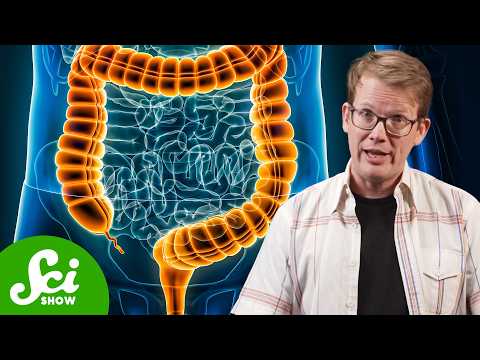
Susan posted on 2026/05/04Did you know smoking might actually help treat a specific disease? This video dives into the surprising 'smoking paradox' and explains the science behind how it impacts ulcerative colitis and Crohn's disease. You'll pick up some advanced vocabulary related to the gut microbiome and complex medical conditions!
Learn this video on the APP!
The VoiceTube App has more in-depth practice for videos!