
advance
US /ædˈvæns/
UK /əd'vɑ:ns/
- Noun
- Forward movement by an army
- An attempt to seduce someone
- Verb (Transitive/Intransitive)
- (Of an army) to move forward
- To change or improve
A2TOEICMoreballistic
US /bəˈlɪstɪk/
UK /bəˈlɪstɪk/
- Adjective
- Of the science of movement of rockets and bullets
C1Morecampaign
US /kæmˈpen/
UK /kæm'peɪn/
- Intransitive Verb
- To work in an organized, active way towards a goal
- Noun (Countable/Uncountable)
- Series of actions meant to achieve a goal
- A planned set of military activities intended to achieve a particular objective.
A2TOEICMorecapable
US /ˈkepəbəl/
UK /'keɪpəbl/
- Adjective
- Being able to do something very well; proficient
- Having the ability, fitness, or quality necessary to do or achieve a specified thing.
A2Moreceasefire
US
UK
- Noun
- Agreement by two sides in a war to stop fighting
C2Morecombine
US /kəmˈbaɪn/
UK /kəmˈbaɪn/
- Verb (Transitive/Intransitive)
- To mix several things together to form one thing
- To harvest by means of a combine.
- Noun (Countable/Uncountable)
- A harvesting machine for cutting, threshing, and cleaning grain.
- A mixture of different things.
A2Moreconsulate
US /ˈkɑ:nsələt/
UK /ˈkɒnsjələt/
- Noun
- Residence or office premises of a counsel
B2Morecorrespondent
US /ˌkɔrɪˈspɑndənt, ˌkɑr-/
UK /ˌkɒrəˈspɒndənt/
- Countable Noun
- Journalist, as one reporting from other countries
B1Morecoyote
US /kaɪˈoʊti/
UK /kaɪˈəʊti/
- Countable Noun
- Wild dog that is found in North America
B2Moredefend
US /dɪˈfɛnd/
UK /dɪ'fend/
- Transitive Verb
- To protect and explain your position in court
- To protect against an attack
B1TOEICMoredefense
US /dɪˈfɛns/
UK /dɪ'fens/
- Noun (Countable/Uncountable)
- Argument in support of something
- The process of protecting something from attack
B1TOEICMoredeliver
US /dɪˈlɪvɚ/
UK /dɪ'lɪvə(r)/
- Transitive Verb
- To give birth to a child; help a woman give birth
- To save someone from a problem or crisis
A2TOEICMoredeploy
US /dɪˈplɔɪ/
UK /dɪˈplɔɪ/
- Transitive Verb
- To put into position (often a military operation)
- To put something into use or action.
B1TOEICMoredestroyer
US /dɪˈstrɔɪɚ/
UK /dɪˈstrɔɪə(r)/
- Countable Noun
- Something that destroys others, e.g. a navy ship
- A person or thing that destroys.
B1Moredrone
US /dron/
UK /drəʊn/
- Countable Noun
- A remote controlled flying device
- Male bee
- Intransitive Verb
- To talk in a continually dull or monotonous voice
- To make a continuous low humming sound.
B2TOEICMoreexclusive
US /ɪkˈsklusɪv/
UK /ɪk'sklu:sɪv/
- Adjective
- Being available only to people with a lot of money
- Available to only a particular person, group
B1TOEICMorefalcon
US /ˈfælkən/
UK /ˈfɔ:lkən/
- Noun
- Fast-flying hunting bird
B2Morefirepower
US /ˈfaɪərpaʊə(r)/
UK /ˈfaɪəpaʊə(r)/
- Uncountable Noun
- Relative capacity for shooting, bombing a target
C2Morefootage
US /ˈfʊtɪdʒ/
UK /ˈfʊtɪdʒ/
- Uncountable Noun
- A certain amount of film or video of something
- The length or amount of something measured in feet.
B2Morefragile
US /ˈfrædʒəl, -ˌaɪl/
UK /'frædʒaɪl/
- Adjective
- Easily affected, broken, or harmed
- Weak or delicate; easily damaged in health
B2TOEICMoreidentify
US /aɪˈdɛntəˌfaɪ/
UK /aɪ'dentɪfaɪ/
- Transitive Verb
- To indicate who or what someone or something is
- To say exactly what something is
B1TOEICMorein the world
US /ɪn ði wɜrld/
UK /in ðə wɜː(r)ld/
- Phrase
- Used to emphasize a question expressing surprise, confusion, disbelief
- Used to indicate the extent or degree of something, often in a superlative sense
A1Moreintact
US /ɪn'tækt/
UK /ɪn'tækt/
- Adjective
- Being complete, without damaged or missing parts
B1Moreintensity
US /ɪnˈtɛnsɪti/
UK /ɪn'tensətɪ/
- Uncountable Noun
- Great energy, strength, or concentration
- The quality of being intense; the degree or amount of strength, force, etc.
A2TOEICMoreintercept
US /ˌɪntərˈsept/
UK /ˌɪntəˈsept/
- Transitive Verb
- To stop or catch something while it is moving
B2Morejet
US /dʒɛt/
UK /dʒet/
- Noun (Countable/Uncountable)
- Stream of liquid/gas shooting out of small opening
- A pipe that water or gas goes through
- Verb (Transitive/Intransitive)
- (Of liquid, gas) to shoot out of a small opening
- To travel on a jet plane
B1TOEICMorekamikaze
US /ˌkæmɪ'kɑ:zɪ/
UK /ˌkæmɪˈkɑ:zi/
- Noun
- Mission of Japanese pilots in WWII to crash planes
- A reckless or suicidal attack.
- Adjective
- Marked by or involving reckless or self-destructive behavior.
C2Morelaunch
US /lɔntʃ, lɑntʃ/
UK /lɔ:ntʃ/
- Noun
- Starting a new project; introducing new product
- Act of firing rockets into the air
- Transitive Verb
- To start a new project; start selling a product
- To put a rocket into the air
A2TOEICMoremilitary
US /ˈmɪlɪˌtɛri/
UK /'mɪlətrɪ/
- Noun
- Army or armed forces
- Adjective
- Concerning the army or navy
B1Moremissile
US /ˈmɪsəl/
UK /ˈmisail/
- Noun
- A weapon that is thrown, shot or launched
- A self-propelled guided weapon.
- Adjective
- Relating to or used in missiles.
B1Morenaval
US /ˈnevəl/
UK /ˈneɪvl/
- Adjective
- Concerning a navy or ships used in war
B1Morenorthern
US
UK
- Adjective
- In or toward the north
- Coming from the north.
- Noun
- A person who comes from the north.
- The Aurora Borealis.
B1Morepatriot
US /ˈpetriət, -ˌɑt/
UK /'peɪtrɪət/
- Noun (Countable/Uncountable)
- Person who loves and defends their own country
B2Moreplenty
US /ˈplɛnti/
UK /'plentɪ/
- Pronoun
- When there is not too little of something; a lot
- Uncountable Noun
- A large or sufficient amount or quantity; abundance.
- A lot of something
A2Moreprevent
US /prɪˈvɛnt/
UK /prɪ'vent/
- Transitive Verb
- To stop something from happening or existing
A2TOEICMoreregion
US /ˈridʒən/
UK /'ri:dʒən/
- Noun (Countable/Uncountable)
- Part of a country, of the world, area, etc.
- A part of the body
A2TOEICMoreroughly
US /ˈrʌflɪ/
UK /ˈrʌfli/
- Adverb
- Approximately; (of numbers) about; around
- In a manner that is violent or not careful
B1Morescale
US /skel/
UK /skeɪl/
- Noun (Countable/Uncountable)
- Size, level, or amount when compared
- Small hard plates that cover the body of fish
- Verb (Transitive/Intransitive)
- To change the size of but keep the proportions
- To climb something large (e.g. a mountain)
A2TOEICMoresecurity
US /sɪˈkjʊrɪti/sə'kjurətɪ/
UK /sɪ'kjʊərətɪ/
- Noun
- Department in a company in charge of protection
- Financial document, like stocks, bonds and notes
A2TOEICMorestrait
US /stret/
UK /streɪt/
- Noun
- Channel joining large bodies of water
C2Morestrike
US /straɪk/
UK /straɪk/
- Transitive Verb
- To hit something
- To remove or erase.
- Noun (Countable/Uncountable)
- A punch or hit
- Fact of not hitting the ball when playing baseball
A2TOEICMoretap
US /tæp/
UK /tæp/
- Transitive Verb
- To access a liquid (e.g. in a tree) through a hole
- To spy one someone electronically
- Noun (Countable/Uncountable)
- Faucet; the place you can get water from a pipe
- Light hit, generally one that makes a sound
A2Morethreat
US /θrɛt/
UK /θret/
- Noun
- Warning of probable trouble
- A warning that you may be harmed
A2TOEICMoreunveil
US /ʌnˈvel/
UK /ˌʌnˈveɪl/
- Transitive Verb
- To remove something's outer covering
B1TOEICMoreused to
US /juzd tu/
UK /ˈju:st tə/
- Adjective
- Did regularly before, but don't do now
- Auxiliary Verb
- Have done before, but do not do now
A1Morewarfare
US /ˈwɔrˌfɛr/
UK /ˈwɔ:fɛə/
- Uncountable Noun
- Methods used by those fighting in a war
- Engagement in or the activities involved in war or conflict.
B2Morewarhead
US /ˈwɔrˌhɛd/
UK /'wɔ:hed/
- Noun
- Part of the missile that contains the explosive
C1Morewreckage
US /ˈrɛkɪdʒ/
UK /ˈrekɪdʒ/
- Uncountable Noun
- Remaining parts of something that has been wrecked
B2More
Vocabulary
- used to: Did regularly before, but don't do now
- in the world: Used to emphasize a question expressing surprise, confusion, disbelief
- scale: Size, level, or amount when compared
- fragile: Easily affected, broken, or harmed
- plenty: When there is not too little of something; a lot
- campaign: To work in an organized, active way towards a goal
- exclusive: Being available only to people with a lot of money
- strike: To hit something
- identify: To indicate who or what someone or something is
- roughly: Approximately; (of numbers) about; around
- capable: Being able to do something very well; proficient
- prevent: To stop something from happening or existing
- military: Army or armed forces
- intensity: Great energy, strength, or concentration
- intact: Being complete, without damaged or missing parts
- region: Part of a country, of the world, area, etc.
- security: Department in a company in charge of protection
- footage: A certain amount of film or video of something
- launch: Starting a new project; introducing new product
- threat: Warning of probable trouble
- advance: Forward movement by an army
- deliver: To give birth to a child; help a woman give birth
- tap: To access a liquid (e.g. in a tree) through a hole
- produce: Fresh foods such as fruits and vegetables
- correspondent: Journalist, as one reporting from other countries
- leave: To go away from; depart
- drone: A remote controlled flying device
- stage: To organize an event to gain public interest
- combine: To mix several things together to form one thing
- defense: Argument in support of something
- hit: To have a negative impact on a person/place/thing
- manage: To survive hardships and difficulties; to cope
- system: Set of organized, planned ideas that work together
- fully: Completely or entirely
- continue: To do something without stopping, or after pausing
- defend: To protect and explain your position in court
- modern: Of the present time; up to date; contemporary
- deploy: To put into position (often a military operation)
- protect: To defend someone or something from harm or danger
- set: Prepared for something; ready
- hard: Difficult to do; difficult to understand
- strait: Channel joining large bodies of water
- fast: In a way that is difficult to move or change
- intercept: To stop or catch something while it is moving
- unveil: To remove something's outer covering
- missile: A weapon that is thrown, shot or launched
- world: All the humans, events, activities on the earth
- wreckage: Remaining parts of something that has been wrecked
- lesson: Something done to learn or teach something; class
- jet: Stream of liquid/gas shooting out of small opening
- ballistic: Of the science of movement of rockets and bullets
- warfare: Methods used by those fighting in a war
- ceasefire: Agreement by two sides in a war to stop fighting
- coyote: Wild dog that is found in North America
- northern: In or toward the north
- naval: Concerning a navy or ships used in war
- patriot: Person who loves and defends their own country
- consulate: Residence or office premises of a counsel
- falcon: Fast-flying hunting bird
- warhead: Part of the missile that contains the explosive
- destroyer: Something that destroys others, e.g. a navy ship
- kamikaze: Mission of Japanese pilots in WWII to crash planes
- firepower: Relative capacity for shooting, bombing a target
Get the full experience in the app
Learn anywhere with detailed sentence and usage analysis
01:03
She took a brave step forward, leaving behind her comfort zone to chase her dreams.
Vocabulary
- brave
adj. Having courage
- comfort zone
phr. A familiar situation where one feels safe
Explanation
a brave step is a noun phrase, where brave is an adjective modifying the noun step, meaning "a courageous step".
forward is an adverb modifying step, meaning "ahead".
The whole phrase serves as the object, answering the "what" of took (verb) — she took a brave step forward.
Get the full experience in the app
Look up words anytime with pronunciation, part of speech, and usage
brave
US/brev/
UK/breɪv/
adj.Brave
v.t.To bravely face
A2 Elementary
Get the full experience in the app
Practice speaking anytime and get instant pronunciation feedback
Try this speaking exercise.
Try practicing with this sentence.
80
0
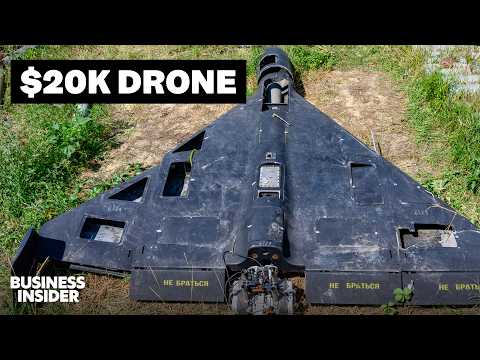
Susan posted on 2026/04/21Ever wondered about the tech behind Iran's missile and drone campaigns? This video gives you an up-close look at weapons like the Zulfagar and Shahed-136, diving into advanced vocabulary and complex sentence structures you'll hear in real-world military reporting. It's a fantastic chance to boost your knowledge and English skills simultaneously!
Learn this video on the APP!
The VoiceTube App has more in-depth practice for videos!