
at home
US /æt hom/
UK /æt həum/
- Phrase
- In one's own residence or country.
- Adjective
- Feeling comfortable and relaxed.
at work
US /æt wɚk/
UK /æt wə:k/
- Phrase
- Located at one's place of employment
A1Morebasically
US /ˈbesɪkəli,-kli/
UK /ˈbeɪsɪkli/
- Adverb
- Used before you explain something simply, clearly
- In essence; when you consider the most important aspects of something.
A2Morecontact
US /ˈkɑnˌtækt/
UK /'kɒntækt/
- Adjective
- Touching or feeling something
- Noun (Countable/Uncountable)
- Touching or feeling something
- Object that allows electricity to run through it
A2Moreconversation
US /ˌkɑnvɚˈseʃən/
UK /ˌkɒnvəˈseɪʃn/
- Uncountable Noun
- Talking with other people; discussion or chat
- General communication or interaction.
A2Moredaily conversation
US
UK
- Uncountable Noun
- Informal talk about matters of common interest; everyday conversation.
A1Moreexact
US /ɪɡˈzækt/
UK /ɪɡ'zækt/
- Adjective
- Completely correct; accurate; specific
- Transitive Verb
- To get something, sometimes using force
A2TOEICMorefine
US /faɪn/
UK /faɪn/
- Adjective
- Good, acceptable or satisfactory
- Of high quality; made with great skill
- Countable Noun
- Money you have to pay because you broke a rule
- (at the end of a piece of music) the end
A2TOEICMorefocus
US /ˈfokəs/
UK /'fəʊkəs/
- Verb (Transitive/Intransitive)
- To see clearly by adjusting your eyes or a camera
- To keep your attention, concentration on one thing
- Noun (Countable/Uncountable)
- Main purpose or center of interest or activity
- The clarity of an image produced by a lens.
A2TOEICMorefor example
US
UK
- Phrase
- As an illustration or instance.
formal
US / ˈfɔrməl/
UK /'fɔ:ml/
- Adjective
- Observing rules and procedures strictly
- Behaving well, politely; wearing your best clothes
A2TOEICMorego on
US /ɡo ɑn/
UK /ɡəu ɔn/
- Phrasal Verb
- To continue doing something
- To happen (usually negative)
- Interjection
- Used to encourage someone
A1Moregoing on
US /ˈɡoɪŋ ɑn/
UK /ˈgəʊɪŋ ɔn/
- Phrasal Verb
- To continue doing something
- To happen (usually negative)
A1Morehonestly
US /ˈɑnɪstli/
UK /ˈɒnɪstli/
- Adverb
- With truth or sincerity; I'm being honest with you
- Genuinely; in a sincere manner.
A2Moreimaginary
US /ɪˈmædʒəˌnɛri/
UK /ɪ'mædʒɪnərɪ/
- Adjective
- Not real; existing only in your imagination
A2TOEICMoreincident
US / ˈɪnsɪdənt/
UK /ˈɪnsɪdənt/
- Noun (Countable/Uncountable)
- Event, usually unusual or important; accident
- A political event that causes difficulties.
A2Moreinformal
US /ɪnˈfɔrməl/
UK /inˈfɔ:məl/
- Adjective
- Casual; relaxed
- Not official; not done by the rules
B1TOEICMorelook at
US /lʊk æt/
UK /luk æt/
- Phrasal Verb
- To use your eyes to focus on something
- To focus your eyes on something carefully
A1Moremuch about
US /mʌtʃ əˈbaʊt/
UK /mʌtʃ əˈbaut/
- Phrase
- A lot of information or knowledge concerning something.
- To a great extent or degree regarding something; caring.
A1Moreoccur
US /əˈkɚ/
UK /əˈkɜ:(r)/
- Intransitive Verb
- To come to pass or to happen
- To be found to exist; to be present.
A2TOEICMorepractice
US /ˈpræktɪs/
UK /'præktɪs/
- Noun
- The office and place for legal or medical work
- Doing something many times to become better at it
- Verb (Transitive/Intransitive)
- To work as a doctor or lawyer
- To live according to the teachings of a religion
A2TOEICMorepredict
US /prɪˈdɪkt/
UK /prɪ'dɪkt/
- Transitive Verb
- To guess or estimate what will or might happen
A2TOEICMorespecific
US /spɪˈsɪfɪk/
UK /spəˈsɪfɪk/
- Adjective
- Precise; particular; just about that thing
- Concerning one particular thing or kind of thing
A2Morestuff
US /stʌf/
UK /stʌf/
- Uncountable Noun
- Generic description for things, materials, objects
- Transitive Verb
- To push material inside something, with force
B1Moresubscribe
US /səbˈskraɪb/
UK /səb'skraɪb/
- Verb (Transitive/Intransitive)
- To regularly pay to receive a service
B1TOEICMoretalking about
US
UK
- Phrasal Verb
- To discuss a particular topic.
- To be constantly mentioning or bringing up a subject.
A1Moretend
US /tɛnd/
UK /tend/
- Intransitive Verb
- To move or act in a certain manner
- Transitive Verb
- To take care of
A2Moreunnatural
US /ʌnˈnætʃərəl/
UK /ʌnˈnætʃrəl/
- Adjective
- Not being what you would expect; not normal
- Being different from anything occurring in nature
B1Moreunsure
US /ʌnˈʃʊr, -ˈʃə:r/
UK /ˌʌnˈʃʊə(r)/
- Adjective
- Lacking confidence or certainty
- Lacking confidence in your own words or actions
B1More
Vocabulary
- going on: To continue doing something
- look at: To use your eyes to focus on something
- go on: To continue doing something
- for example: As an illustration or instance.
- talking about: To discuss a particular topic.
- at home: In one's own residence or country.
- at work: Located at one's place of employment
- daily conversation: Informal talk about matters of common interest; everyday conversation.
- much about: A lot of information or knowledge concerning something.
- stuff: Generic description for things, materials, objects
- subscribe: To regularly pay to receive a service
- specific: Precise; particular; just about that thing
- situation: Place, position or area that something is in
- practice: The office and place for legal or medical work
- basically: Used before you explain something simply, clearly
- tend: To move or act in a certain manner
- common: Area in a city or town that is open to everyone
- conversation: Talking with other people; discussion or chat
- exact: Completely correct; accurate; specific
- describe: To tell the appearance, sound, smell of something
- bit: Device put in a horse's mouth to control it
- predict: To guess or estimate what will or might happen
- occur: To come to pass or to happen
- contact: Touching or feeling something
- incident: Event, usually unusual or important; accident
- honestly: With truth or sincerity; I'm being honest with you
- formal: Observing rules and procedures strictly
- organize: To arrange and plan things, e.g. a party
- favorite: A thing that someone likes best or enjoys most
- normal: Standard or regular way of doing something
- informal: Casual; relaxed
- notice: To become aware by sight, touch, or hearing
- lot: What happens to a person in life from chance; fate
- place: To put someone in a particular type of situation
- important: Having power or authority
- sound: Sensible, dependable and reliable
- continue: To do something without stopping, or after pausing
- event: Any social gathering; occasion; planned activity
- accident: Sudden unplanned event causing damage, injury etc.
- imaginary: Not real; existing only in your imagination
- focus: To see clearly by adjusting your eyes or a camera
- fine: Good, acceptable or satisfactory
- unnatural: Not being what you would expect; not normal
- unsure: Lacking confidence or certainty
Get the full experience in the app
Learn anywhere with detailed sentence and usage analysis
01:03
She took a brave step forward, leaving behind her comfort zone to chase her dreams.
Vocabulary
- brave
adj. Having courage
- comfort zone
phr. A familiar situation where one feels safe
Explanation
a brave step is a noun phrase, where brave is an adjective modifying the noun step, meaning "a courageous step".
forward is an adverb modifying step, meaning "ahead".
The whole phrase serves as the object, answering the "what" of took (verb) — she took a brave step forward.
Get the full experience in the app
Look up words anytime with pronunciation, part of speech, and usage
brave
US/brev/
UK/breɪv/
adj.Brave
v.t.To bravely face
A2 Elementary
Get the full experience in the app
Practice speaking anytime and get instant pronunciation feedback
Try this speaking exercise.
Try practicing with this sentence.
80
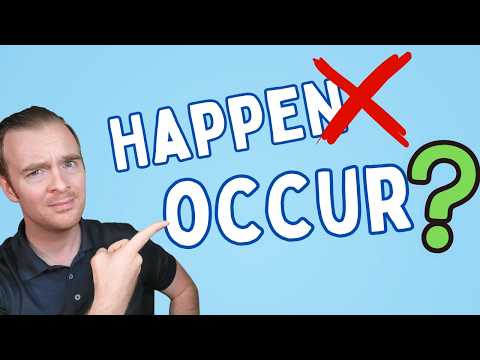
What We Say Instead of “Happen” in Different Situations
0
Susan posted on 2026/04/21Ever get stuck wondering how to say 'happen' in different situations? This video breaks down exactly when to use 'happen,' 'occur,' 'go on,' and 'take place' with super practical examples you can use right away! You'll pick up essential vocabulary and improve your word choice for everyday conversations and even workplace scenarios.
Learn this video on the APP!
The VoiceTube App has more in-depth practice for videos!