
agency
US /ˈedʒənsi/
UK /'eɪdʒənsɪ/
- Noun (Countable/Uncountable)
- Business that provides some service for others
B1TOEICMoreany sort of
US
UK
- Determiner
- Any kind of; any type of
- Phrase
- Somewhat; to some extent
A2Moreas time goes by
US /əz taɪm ɡoʊz baɪ/
UK /əz taɪm gəuz baɪ/
- other
- Over the course of time; as time passes.
B2Moreaware
US /əˈwɛr/
UK /əˈwɛə/
- Adjective
- Knowing or feeling that something exists
A2TOEICMorebasically
US /ˈbesɪkəli,-kli/
UK /ˈbeɪsɪkli/
- Adverb
- Used before you explain something simply, clearly
- In essence; when you consider the most important aspects of something.
A2Moreblunt
US /blʌnt/
UK /blʌnt/
- Adjective
- Without a sharp edge or point
- Speaking directly; without trying to be polite or kind
- Transitive Verb
- To make dull or lessen the sharpness of something
B1Morecoast
US /kost/
UK /kəʊst/
- Noun
- Land near the sea or ocean
- Intransitive Verb
- To progress in something without trying hard
- (Of a vehicle) to move forward without power
A2TOEICMorecollapse
US /kəˈlæps/
UK /kə'læps/
- Verb (Transitive/Intransitive)
- To fold (e.g. a stroller) down to make it smaller
- To suddenly fall down or break apart into pieces
- Noun
- The sudden failure of a structure or system.
- The sudden failure of a bodily organ or function.
B1Moreconcern
US /kənˈsɚn/
UK /kənˈsɜ:n/
- Verb (Transitive/Intransitive)
- To be about a particular topic
- To have a direct impact on someone
- Noun (Countable/Uncountable)
- Company, firm or business
- Feeling of worry or anxiety
A2TOEICMoreconference
US /ˈkɑnfərəns, -frəns/
UK /ˈkɒnfərəns/
- Noun (Countable/Uncountable)
- Series of lectures held as an event
- An association of US sports teams
- Intransitive Verb
- To hold a discussion; consult.
A2Moredisaster
US /dɪˈzæstɚ, -ˈsæs-/
UK /dɪ'zɑ:stə(r)/
- Noun (Countable/Uncountable)
- State of extreme ruin and misfortune
- A complete failure.
- Uncountable Noun
- A situation that has gone terribly wrong.
A2Moreearthquake
US /ˈɜ:rθkweɪk/
UK /ˈɜ:θkweɪk/
- Noun (Countable/Uncountable)
- Heavy shaking of the ground due to natural forces
- A series of vibrations in the earth caused by the abrupt movement of rock far below the surface
B1Moreevacuate
US /ɪˈvækjuˌet/
UK /ɪ'vækjʊeɪt/
- Transitive Verb
- To move people from dangerous to a safe places
B2Moreevacuation
US /ɪˌvækjuˈeʃən/
UK /ɪˌvækjʊ'eɪʃn/
- Noun (Countable/Uncountable)
- Sending to a safer place because of danger
- The process of removing people from a dangerous place.
B2Moreextra
US /'ekstrə/
UK /'ekstrə/
- Adjective
- More than necessary; additional
- Of especially good quality or grade.
- Noun (Countable/Uncountable)
- Items more than you need; additional items
- Person who has a small part in a movie
A2Morefor example
US
UK
- Phrase
- As an illustration or instance.
get up to
US /ɡɛt ʌp tu/
UK /ɡet ʌp tu:/
- Phrasal Verb
- To do something slightly naughty
A1Moreheed
US /hid/
UK /hi:d/
- Verb (Transitive/Intransitive)
- To take notice of; pay attention to; care about
- To pay careful attention to something or someone
B2TOEICMoreinitial
US /ɪˈnɪʃəl/
UK /ɪ'nɪʃl/
- Noun
- First letter of your given name
- The beginning or commencement of something.
- Transitive Verb
- To authorize something by writing your initials
- To mark or sign with one's initials.
A2TOEICMoreissue
US /ˈɪʃu/
UK /'ɪʃu:/
- Transitive Verb
- To make something available to be used or sold
- To deliver a statement, etc. in an official manner
- Noun (Countable/Uncountable)
- Important topic discussed, debated or argued over
- Single edition of a magazine
A2TOEICMoreknow about
US /noʊ əˈbaʊt/
UK /nəʊ əˈbaut/
- Phrasal Verb
- To have information or understanding of a subject or situation.
looking out
US
UK
- Phrasal Verb
- To take care and watch something carefully
- To be careful; to be vigilant
- Intransitive Verb
- To be careful or vigilant
A1Morelookout
US /ˈlʊkˌaʊt/
UK /ˈlʊkaʊt/
- Countable Noun
- Person who keeps watch, e.g. for an enemy
- Intransitive Verb
- To keep watch for some anticipated event
C2Moremagnitude
US /ˈmæɡnɪˌtud, -ˌtjud/
UK /ˈmægnɪtju:d/
- Noun
- Number representing force of an earthquake
- Size or importance
B2Moremajor
US /ˈmedʒɚ/
UK /'meɪdʒə(r)/
- Countable Noun
- High-ranking officer in the army
- Main subject you study at university
- Adjective
- Main league; esp. referring to American baseball
- Important, serious, or large in scope, size
A2TOEICMoremajority
US /məˈdʒɔrɪti, -ˈdʒɑr-/
UK /mə'dʒɒrətɪ/
- Noun (Countable/Uncountable)
- Amount that is more than half of a group
- The age at which a person is legally considered an adult.
B1TOEICMoremention
US /ˈmɛnʃən/
UK /'menʃn/
- Transitive Verb
- To refer to or talk or write about something
- Uncountable Noun
- Act of referring to or talking about something
- A formal acknowledgement of something
A2TOEICMoremeteorological
US /ˌmi:tɪərə'lɒdʒɪkl/
UK /ˌmi:tɪərə'lɒdʒɪkl/
- Adjective
- Of the weather or weather forecasts
B2Morenews conference
US /nu:z ˈkɑnfərəns/
UK /nju:z ˈkɔnfərəns/
- Noun
- A meeting organized for the purpose of disseminating information to the news media.
A2Moreon the lookout
US /ɑn ði ˈlʊkˌaʊt/
UK /ɔn ðə ˈlʊkˌaʊt/
- Adjective
- Vigilantly searching for someone or something.
- Idiom
- To be watching carefully in order to detect something, such as danger or opportunity.
A1Moreperish
US /ˈpɛrɪʃ/
UK /ˈperɪʃ/
- Intransitive Verb
- Usually poetic to be destroyed; die
B2TOEICMorepotential
US /pəˈtɛnʃəl/
UK /pəˈtenʃl/
- Adjective
- Capable of happening or becoming reality
- Having or showing the capacity to develop into something in the future.
- Uncountable Noun
- someone's or something's ability to develop, achieve, or succeed
A2TOEICMorepotentially
US /pəˈtɛnʃəlɪ/
UK /pə'tenʃəlɪ/
- Adverb
- That could happen or become reality
B1Morerespond
US /rɪˈspɑnd/
UK /rɪ'spɒnd/
- Verb (Transitive/Intransitive)
- To answer something or someone
- To have a good reaction to e.g. medical treatment
A2TOEICMorespeak to
US /spik tu/
UK /spi:k tu:/
- Verb (Transitive/Intransitive)
- To address or communicate with someone.
- To indicate or suggest something; to be relevant to.
A1Morestay away
US /ste əˈwe/
UK /stei əˈwei/
- Phrasal Verb
- To keep a distance from something or someone; to avoid approaching.
- To remain absent from a place or event.
C2Morestrengthen
US /ˈstrɛŋkθən,ˈstrɛŋ-,ˈstrɛn-/
UK /ˈstreŋθn/
- Transitive Verb
- To make something stronger
A2TOEICMoretend
US /tɛnd/
UK /tend/
- Intransitive Verb
- To move or act in a certain manner
- Transitive Verb
- To take care of
A2Moretide
US /taɪd/
UK /taɪd/
- Noun
- Way opinions or events are developing or changing
- Regular rise and fall of the level of the sea
- Transitive Verb
- To give you what is needed for a short time
C2TOEICMoreto date
US /tu det/
UK /tu: deit/
- Phrase
- Up to the present time; until now.
- Verb (Transitive/Intransitive)
- To go out on romantic dates with someone.
C2Moretriple
US /ˈtrɪpəl/
UK /ˈtrɪpl/
- Noun
- Group or set of three
- A hit in baseball that enables the batter to reach third base.
- Transitive Verb
- To multiply by three; to increase threefold.
B2Moretsunami
US /tsʊˈnɑmi/
UK /tsu:ˈnɑ:mi/
- Noun
- Huge sea wave often caused by an earthquake
B2Moreused to
US /juzd tu/
UK /ˈju:st tə/
- Adjective
- Did regularly before, but don't do now
- Auxiliary Verb
- Have done before, but do not do now
A1Morewanna
US /ˈwɑnə/
UK /'wɒnə/
- Verb (Transitive/Intransitive)
- Shortened form of 'want to'. Used only in speaking
B2Morewary
US /ˈwɛri/
UK /'weərɪ/
- Adjective
- Concerned about danger; cautious; circumspect
B1More
Vocabulary
- to date: Up to the present time; until now.
- any sort of: Any kind of; any type of
- for example: As an illustration or instance.
- used to: Did regularly before, but don't do now
- speak to: To address or communicate with someone.
- know about: To have information or understanding of a subject or situation.
- stay away: To keep a distance from something or someone; to avoid approaching.
- get up to: To do something slightly naughty
- as time goes by: Over the course of time; as time passes.
- news conference: A meeting organized for the purpose of disseminating information to the news media.
- on the lookout: Vigilantly searching for someone or something.
- looking out: To take care and watch something carefully
- sort: To organize things by putting them into groups
- potential: Capable of happening or becoming reality
- majority: Amount that is more than half of a group
- basically: Used before you explain something simply, clearly
- potentially: That could happen or become reality
- tend: To move or act in a certain manner
- aware: Knowing or feeling that something exists
- expect: To believe something is probably going to happen
- initial: First letter of your given name
- conference: Series of lectures held as an event
- collapse: To fold (e.g. a stroller) down to make it smaller
- issue: To make something available to be used or sold
- concern: To be about a particular topic
- mention: To refer to or talk or write about something
- disaster: State of extreme ruin and misfortune
- extra: More than necessary; additional
- pretty: Being attractive to the eye in a simple way
- guess: To give an answer without knowing if it is correct
- lead: Wire for electricity, computer, etc.; cable
- ground: To break (coffee, etc.) into tiny bits with machine
- wanna: Shortened form of 'want to'. Used only in speaking
- respond: To answer something or someone
- major: High-ranking officer in the army
- agency: Business that provides some service for others
- magnitude: Number representing force of an earthquake
- blunt: Without a sharp edge or point
- strengthen: To make something stronger
- century: Period of 100 years
- evacuation: Sending to a safer place because of danger
- coast: Land near the sea or ocean
- kind: In a caring and helpful manner
- hit: To have a negative impact on a person/place/thing
- evacuate: To move people from dangerous to a safe places
- build: Your physical shape; physique
- public: Owned by the government
- government: Group of people and system that rule a nation
- program: To make someone act or think in a certain way
- bring: To take or go with someone to a place
- head: To hit a ball with your head in a game
- tide: Way opinions or events are developing or changing
- tsunami: Huge sea wave often caused by an earthquake
- wary: Concerned about danger; cautious; circumspect
- heed: To take notice of; pay attention to; care about
- perish: Usually poetic to be destroyed; die
- lookout: Person who keeps watch, e.g. for an enemy
- triple: Group or set of three
- earthquake: Heavy shaking of the ground due to natural forces
- meteorological: Of the weather or weather forecasts
Get the full experience in the app
Learn anywhere with detailed sentence and usage analysis
01:03
She took a brave step forward, leaving behind her comfort zone to chase her dreams.
Vocabulary
- brave
adj. Having courage
- comfort zone
phr. A familiar situation where one feels safe
Explanation
a brave step is a noun phrase, where brave is an adjective modifying the noun step, meaning "a courageous step".
forward is an adverb modifying step, meaning "ahead".
The whole phrase serves as the object, answering the "what" of took (verb) — she took a brave step forward.
Get the full experience in the app
Look up words anytime with pronunciation, part of speech, and usage
brave
US/brev/
UK/breɪv/
adj.Brave
v.t.To bravely face
A2 Elementary
Get the full experience in the app
Practice speaking anytime and get instant pronunciation feedback
Try this speaking exercise.
Try practicing with this sentence.
80
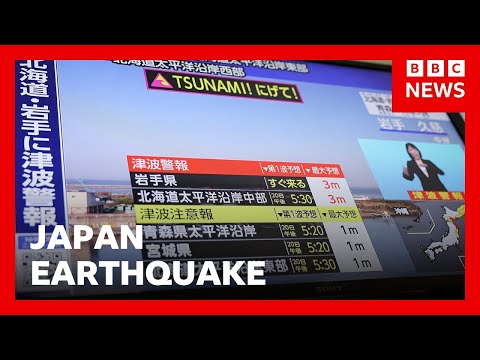
Second, bigger tsunami may hit after earthquake off north-east coast, Japan says | BBC News
0
林宜悉 posted on 2026/04/20Wow, a magnitude 7.5 earthquake hits Japan, and a second tsunami might be on the way! This BBC News report uses simple sentence structures to explain the situation, and you'll pick up some really useful vocabulary related to natural disasters and emergency responses. It's a fantastic way to learn about current events while boosting your English!
Learn this video on the APP!
The VoiceTube App has more in-depth practice for videos!