
admit
US /ædˈmɪt/
UK /əd'mɪt/
- Transitive Verb
- To acknowledge that something is true or right
- To allow someone to enter
A2TOEICMoreadvance
US /ædˈvæns/
UK /əd'vɑ:ns/
- Noun
- Forward movement by an army
- An attempt to seduce someone
- Verb (Transitive/Intransitive)
- (Of an army) to move forward
- To change or improve
A2TOEICMoreaside from
US /əˈsaɪd frʌm/
UK /əˈsaid frɔm/
- Phrase
A1Moreat night
US /æt naɪt/
UK /æt nait/
- Phrase
- During the night; in the nighttime.
A1Morebadger
US /ˈbædʒɚ/
UK /'bædʒə(r)/
- Countable Noun
- Small forest animal with thick black and white fur
- Transitive Verb
- To bother by repeatedly asking questions
B2Morebreak down
US /brek daʊn/
UK /breik daun/
- Phrasal Verb
- To forcibly break, destroy or make collapse
- (Machine) to stop working or become weaker
A1Morebrink
US /brɪŋk/
UK /brɪŋk/
- Noun
- Near to happening; on the verge of
B2Morecertain foods
US
UK
- Phrase
- Specific types of food, often referring to those with particular characteristics or effects.
B1Moreclip
US /klɪp/
UK /klɪp/
- Countable Noun
- A metal holder used for keeping things together
- Brief part of a television show or movie
- Transitive Verb
- To attach things together using a metal pin
- To cut a small section or piece out from something
B1Moreconstantly
US /ˈkɑnstəntlɪ/
UK /ˈkɒnstəntli/
- Adverb
- Frequently, or without pause
- In a way that is unchanging or faithful
B1Moreconversation
US /ˌkɑnvɚˈseʃən/
UK /ˌkɒnvəˈseɪʃn/
- Uncountable Noun
- Talking with other people; discussion or chat
- General communication or interaction.
A2Moredelight
US /dɪˈlaɪt/
UK /dɪ'laɪt/
- Uncountable Noun
- Strong feeling of great pleasure
- Transitive Verb
- To give someone pleasure or joy
B1Moredescription
US /dɪˈskrɪpʃən/
UK /dɪˈskrɪpʃn/
- Noun
- Explanation of what something is like, looks like
- The type or nature of someone or something.
A2TOEICMoreescape
US /ɪˈskep/
UK /ɪ'skeɪp/
- Noun (Countable/Uncountable)
- Act to briefly ignoring boring or bad things
- The 'esc key' on a keyboard
- Verb (Transitive/Intransitive)
- To avoid something undesirable, dangerous or bad
- To get away from a place where you are being kept
A2Moreexpression
US /ɪkˈsprɛʃən/
UK /ɪk'spreʃn/
- Noun (Countable/Uncountable)
- Act of making your thoughts and feelings known
- Group of words that have a specific meaning
A2TOEICMoreextinct
US /ɪkˈstɪŋkt/
UK /ɪkˈstɪŋkt/
- Adjective
- (Of animal, etc.) having died out; with none left
- (E.g. of volcano) not active
B1TOEICMoreextinction
US /ɪkˈstɪŋkʃən/
UK /ɪkˈstɪŋkʃn/
- Noun (Countable/Uncountable)
- When every example of animal, plant is dead
- The process of something ceasing to exist or be active.
B1Moreflood
US /flʌd/
UK /flʌd/
- Verb (Transitive/Intransitive)
- To quickly appear unexpectedly and in volume
- (Of liquid) to fill or cover something completely
- Noun (Countable/Uncountable)
- A quick unexpectedly volume of something
- Large number of people or things arriving at once
B1Morefor example
US
UK
- Phrase
- As an illustration or instance.
for free
US /fɔr fri/
UK /fɔ: fri:/
- Phrase
- Without charge; at no cost.
- Adjective
- Available without payment.
A2Morefrom time to time
US
UK
- Phrase
- Occasionally; sometimes but not regularly.
- At intervals; now and then.
A1Moregot to
US /ɡɑt tu/
UK /gɔt tu:/
- Verb (Transitive/Intransitive)
- To arrive at some place
- To have the opportunity or permission to do something
- Phrasal Verb
- To appeal to the emotions of; move
- To finally begin to start something after a delay
A1Morehave to
US /hæv tu/
UK /ˈhæv tə/
- Auxiliary Verb
- Must do
A1Morehold on
US /hold ɑn/
UK /həuld ɔn/
- Phrasal Verb
- To wait for someone (e.g. on a phone call)
- To wait for a short time.
A1Morein a while
US /ɪn e hwaɪl/
UK /in ə hwail/
- Phrase
- In a short period of time; soon.
- For a short period of time; soon.
A2Morein order to
US /ɪn ˈɔrdɚ tu/
UK /in ˈɔ:də tu:/
- Preposition
- For the purpose of; with the aim of.
- Phrase
- In a specific sequence or arrangement.
- With the aim of; for the purpose of.
C1Morein the ground
US
UK
- Phrase
- Located within or beneath the surface of the earth.
- Referring to something placed or growing in soil.
A1Morein the open
US /ɪn ði ˈopən/
UK /in ðə ˈəupən/
- Phrase
- Publicly; not secret.
- Outdoors; not inside a building or covered space.
A1Morein the past
US
UK
- Phrase
- During a former period of time; previously.
A1Morein time
US /ɪn taɪm/
UK /in taim/
- Adverb
- Eventually; after a period of time.
- Not late; with enough time to spare.
- Phrase
- Eventually; before it is too late.
- According to the scheduled time; punctual.
A1Moreinsane
US /ɪnˈsen/
UK /ɪnˈseɪn/
- Adjective
- Mentally ill; crazy
- Being crazy or stupid
B2Moreinstead of
US /ɪnˈstɛd ʌv/
UK /inˈsted ɔv/
- Preposition
- When one thing is replaced by another
- Adverb
- As a substitute or alternative.
A1Morelong list
US
UK
- Noun
- An extensive or detailed enumeration of items, names, or details.
- A list that is excessively long and therefore boring or difficult to manage.
A2Moremammoth
US /ˈmæməθ/
UK /ˈmæməθ/
- Noun (plural)
- Large extinct animal resembling a hairy elephant
- Adjective
- Huge in size
B2Moremole
US /mol/
UK /məʊl/
- Countable Noun
- Small animal with dark fur that lives under ground
- Small natural dark spot on someone's skin
B2Moremove on
US /muv ɑn/
UK /mu:v ɔn/
- Phrasal Verb
- To decide to change or go to a different place
- To start talking about something different.
A1Morenewt
US /nut, njut/
UK /nju:t/
- Noun
- Small salamander that lives mostly in water
C1Moreoccasionally
US /əˈkeɪʒən(ə)li/
UK /əˈkeɪʒnəli/
- Adverb
- Not very often; sometimes; seldom
- Happening or appearing irregularly.
A2Moreon earth
US /ɑn ɚθ/
UK /ɔn ə:θ/
- Phrase
- Used to emphasize a question expressing surprise or anger.
- Used to emphasize that something is not possible or will not happen.
A1Moreon hold
US /ɑn hold/
UK /ɔn həuld/
- Adjective
- Temporarily delayed or suspended.
- Adverb
- Waiting to be connected on a telephone call.
A2Moreon the brink of
US /ɑːn ðiː brɪŋk ɑːv/
UK
- Phrase
- Very near to experiencing something, usually something unpleasant.
- About to happen; imminent.
A1Moreon the road
US /ɑn ði rəʊd/
UK /ɔn ðə roʊd/
- Phrase
- Traveling, especially as part of a tour or journey.
- Making progress; advancing towards a goal.
- Idiom
- Making progress towards a goal or achievement.
A1Moreon to
US /ɑn tu/
UK /ɔn tu:/
- Preposition
- Toward something; forward
- Aware of someone's activities.
- Adjective
- Aware of someone's deception or illegal activities.
A1Moreonce in a while
US //wʌns ɪn ə waɪl//
UK
- Phrase
- Occasionally; not very often.
- Occasionally; not very often.
A2Moreover the top
US /ˈovɚ ði tɑp/
UK /ˈəuvə ðə tɔp/
- Adjective
- More than what is considered normal or suitable; exaggerated.
- So extreme that it is offensive.
- Adverb
- To an excessive degree; excessively.
A1Moreow
US /aʊ/
UK /aʊ/
- Interjection
- Sound people make when they are hurt
C2Morepattern
US /ˈpætən/
UK /'pætn/
- Noun (Countable/Uncountable)
- Model to follow in making or doing something
- Colors or shapes which are repeated on objects
- Transitive Verb
- To copy the way something else is made
- To decorate with a pattern.
A2TOEICMorephrase
US /frez/
UK /freɪz/
- Noun
- Common expression or saying
- Section of musical notes in a piece of music
- Verb (Transitive/Intransitive)
- To choose words to say what you mean clearly
A2Morepicky
US /ˈpɪki/
UK /ˈpɪki/
- Adjective
- Careful about deciding on things; hard to please
B1Moreplatypus
US /ˈplætɪpəs/
UK /ˈplætɪpəs/
- Countable Noun
- Small Australian aquatic animal with a broad tail
C2Morepointing at
US
UK
- Phrasal Verb
- To aim (gun, etc.) at someone or something
A1Morepossum
US /ˈpɑsəm/
UK /'pɒsəm/
- Countable Noun
- Small furry Australian animal that lives in trees
C1Morepractice
US /ˈpræktɪs/
UK /'præktɪs/
- Noun
- The office and place for legal or medical work
- Doing something many times to become better at it
- Verb (Transitive/Intransitive)
- To work as a doctor or lawyer
- To live according to the teachings of a religion
A2TOEICMorerat
US /ræt/
UK /ræt/
- Countable Noun
- Long-tailed rodent similar to/bigger than a mouse
- Person who is not loyal and reveals secrets
B1Morereach
US /ritʃ/
UK /ri:tʃ/
- Verb (Transitive/Intransitive)
- To come to or arrive at a goal or destination
- To be long enough to get to a certain place
- Uncountable Noun
- Power or control someone has over something
A2TOEICMoreridiculous
US /rɪˈdɪkjələs/
UK /rɪˈdɪkjələs/
- Adjective
- Funny or foolish; deserving to be laughed at
A2Morescene
US /sin/
UK /si:n/
- Noun
- Incident where someone behaves angrily, badly
- View that looks like a picture
A2TOEICMoresee about
US /si əˈbaʊt/
UK /si: əˈbaʊt/
- other
- To look into or arrange something.
B2Moreseed
US /sid/
UK /si:d/
- Noun (Countable/Uncountable)
- A person's children; offspring
- Part of a plant used to grow more on them
- Intransitive Verb
- (Of plants) to produce seeds for the future
B1Moreset up
US /sɛt ʌp/
UK /set ʌp/
- Phrasal Verb
- To make arrangements for something; establish
- Verb (Transitive/Intransitive)
- To arrange or prepare something for use.
- To start a business, organization, etc.
A1Morespecific
US /spɪˈsɪfɪk/
UK /spəˈsɪfɪk/
- Adjective
- Precise; particular; just about that thing
- Concerning one particular thing or kind of thing
A2Moretalk about it
US /tɔk əˈbaʊt ɪt/
UK /tɔ:k əˈbaut it/
- Verb (Transitive/Intransitive)
- To discuss a particular subject.
A1Moretalking about
US
UK
- Phrasal Verb
- To discuss a particular topic.
- To be constantly mentioning or bringing up a subject.
A1Moretough
US /tʌf/
UK /tʌf/
- Adjective
- (Of food) difficult to chew or bite through
- Very difficult to do or deal with
- Noun
- A rough and aggressive person.
A2Morevocabulary
US /voˈkæbjəˌlɛri/
UK /və'kæbjələrɪ/
- Uncountable Noun
- Words that have to do with a particular subject
- The words that a person knows
B1TOEICMore
Vocabulary
- on to: Toward something; forward
- at night: During the night; in the nighttime.
- in time: Eventually; after a period of time.
- in the open: Publicly; not secret.
- on earth: Used to emphasize a question expressing surprise or anger.
- for example: As an illustration or instance.
- hold on: To wait for someone (e.g. on a phone call)
- break down: To forcibly break, destroy or make collapse
- in the ground: Located within or beneath the surface of the earth.
- on the brink of: Very near to experiencing something, usually something unpleasant.
- have to: Must do
- talking about: To discuss a particular topic.
- for free: Without charge; at no cost.
- got to: To arrive at some place
- from time to time: Occasionally; sometimes but not regularly.
- see about: To look into or arrange something.
- in a while: In a short period of time; soon.
- once in a while: Occasionally; not very often.
- on hold: Temporarily delayed or suspended.
- over the top: More than what is considered normal or suitable; exaggerated.
- aside from
- in order to: For the purpose of; with the aim of.
- certain foods: Specific types of food, often referring to those with particular characteristics or effects.
- long list: An extensive or detailed enumeration of items, names, or details.
- on the road: Traveling, especially as part of a tour or journey.
- set up
- instead of: When one thing is replaced by another
- talk about it: To discuss a particular subject.
- move on: To decide to change or go to a different place
- in the past: During a former period of time; previously.
- pointing at: To aim (gun, etc.) at someone or something
- constantly: Frequently, or without pause
- specific: Precise; particular; just about that thing
- phrase: Common expression or saying
- ridiculous: Funny or foolish; deserving to be laughed at
- tough: (Of food) difficult to chew or bite through
- insane: Mentally ill; crazy
- situation: Place, position or area that something is in
- expression: Act of making your thoughts and feelings known
- pattern: Model to follow in making or doing something
- practice: The office and place for legal or medical work
- description: Explanation of what something is like, looks like
- vocabulary: Words that have to do with a particular subject
- common: Area in a city or town that is open to everyone
- sense: Certain mental feeling or emotion
- conversation: Talking with other people; discussion or chat
- scene: Incident where someone behaves angrily, badly
- admit: To acknowledge that something is true or right
- escape: Act to briefly ignoring boring or bad things
- mean: Average of a set of numbers
- reach: To come to or arrive at a goal or destination
- occasionally: Not very often; sometimes; seldom
- advance: Forward movement by an army
- break: To create a new record e.g. running the 100m dash
- click: To work well with someone or something
- ground: To break (coffee, etc.) into tiny bits with machine
- clip: A metal holder used for keeping things together
- extinction: When every example of animal, plant is dead
- extinct: (Of animal, etc.) having died out; with none left
- brink: Near to happening; on the verge of
- delight: Strong feeling of great pleasure
- important: Having power or authority
- sound: Sensible, dependable and reliable
- learn: To get knowledge or skills by study or experience
- flood: To quickly appear unexpectedly and in volume
- active: Moving around a lot or doing many things
- point: An item to be discussed
- protect: To defend someone or something from harm or danger
- find: To become aware of something that is happening
- difficult: Hard; not easy; you need to work hard to do it
- picky: Careful about deciding on things; hard to please
- seed: A person's children; offspring
- mole: Small animal with dark fur that lives under ground
- rat: Long-tailed rodent similar to/bigger than a mouse
- platypus: Small Australian aquatic animal with a broad tail
- badger: Small forest animal with thick black and white fur
- mammoth: Large extinct animal resembling a hairy elephant
- possum: Small furry Australian animal that lives in trees
- ow: Sound people make when they are hurt
- newt: Small salamander that lives mostly in water
Get the full experience in the app
Learn anywhere with detailed sentence and usage analysis
01:03
She took a brave step forward, leaving behind her comfort zone to chase her dreams.
Vocabulary
- brave
adj. Having courage
- comfort zone
phr. A familiar situation where one feels safe
Explanation
a brave step is a noun phrase, where brave is an adjective modifying the noun step, meaning "a courageous step".
forward is an adverb modifying step, meaning "ahead".
The whole phrase serves as the object, answering the "what" of took (verb) — she took a brave step forward.
Get the full experience in the app
Look up words anytime with pronunciation, part of speech, and usage
brave
US/brev/
UK/breɪv/
adj.Brave
v.t.To bravely face
A2 Elementary
Get the full experience in the app
Practice speaking anytime and get instant pronunciation feedback
Try this speaking exercise.
Try practicing with this sentence.
80
0
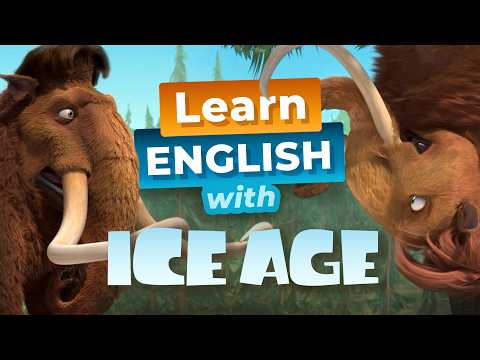
林宜悉 posted on 2026/04/18Ever wondered how Manny and Ellie first met in Ice Age? Dive into this fun movie clip to pick up advanced vocabulary and everyday expressions, perfect for boosting your English fluency! You'll also get a fantastic chance to practice phrasal verbs and connected speech just like the pros.
Learn this video on the APP!
The VoiceTube App has more in-depth practice for videos!