
advance
US /ædˈvæns/
UK /əd'vɑ:ns/
- Noun
- Forward movement by an army
- An attempt to seduce someone
- Verb (Transitive/Intransitive)
- (Of an army) to move forward
- To change or improve
A2TOEICMoreanswer to
US
UK
- Phrasal Verb
- To be responsible to someone and have to explain your actions to them.
- To correspond to or match a description or requirement.
A1Morebased on
US
UK
- Phrasal Verb
- To use something as the foundation or starting point for something else.
- Preposition
- Using something as the main idea or foundation.
- Relying on something as evidence or justification.
A1Morebonus
US /ˈboʊnəs/
UK /ˈbəʊnəs/
- Noun (Countable/Uncountable)
- Extra money for achieving, exceeding targets
- Something welcome and often unexpected that accompanies and enhances something else.
- Adjective
- Additional; extra.
A2TOEICMorebuckle up
US
UK
- Phrasal Verb
- To fasten one's seatbelt.
- To prepare for a difficult or challenging situation.
care of
US /kɛr ʌv/
UK /kɛə ɔv/
- Preposition
- Used in an address to indicate the person who will receive the mail for someone else.
A2Morecome back
US /kʌm bæk/
UK /kʌm bæk/
- Phrasal Verb
- To reply to someone, often forcefully
- To be remembered
A1Moreconcern
US /kənˈsɚn/
UK /kənˈsɜ:n/
- Verb (Transitive/Intransitive)
- To be about a particular topic
- To have a direct impact on someone
- Noun (Countable/Uncountable)
- Company, firm or business
- Feeling of worry or anxiety
A2TOEICMorecross
US /krɔs, krɑs/
UK /krɒs/
- Adjective
- Angry and upset
- From one side of something to the other
- Transitive Verb
- To put one thing over another e.g. arms
- To breed one type of animal or plant with another
A2Moreculture
US /ˈkʌltʃɚ/
UK /'kʌltʃə(r)/
- Noun (Countable/Uncountable)
- Beliefs and customs of a particular group
- The customs, beliefs, art, and all the other things that a group of people share and consider important.
- Transitive Verb
- To grow cells, tissues, bacteria, etc. in a controlled environment.
A2Moredeal with
US /dil wɪð/
UK /di:l wið/
- Verb (Transitive/Intransitive)
- To buy or sell goods or services.
- Phrasal Verb
- To take action to solve a problem or manage a situation.
- To be about; concern.
A1Moredepend
US /dɪˈpend/
UK /dɪˈpend/
- Verb (Transitive/Intransitive)
- Be controlled or determined by (someone/something)
- To rely on someone or something for support, help, or existence.
B1TOEICMoredepending on
US
UK
- Phrasal Verb
- To rely on for support (financial or emotional)
- Influenced or determined by.
- Preposition
- Subject to; contingent on
- Relying on someone or something for support or assistance.
A2Morediagram
US /ˈdaɪəˌɡræm/
UK /'daɪəɡræm/
- Noun
- A drawing intended to explain how something works
- Transitive Verb
- To show or explain something by drawing a picture
B1Moreemphasis
US /ˈɛmfəsɪs/
UK /ˈemfəsɪs/
- Uncountable Noun
- Special attention, importance, or force
- Stress placed on part of a word or phrase
A2TOEICMorefence
US /fɛns/
UK /fens/
- Countable Noun
- Wood, metal structure enclosing an area, land
- The sport of fighting with swords, especially foils, épées, or sabres.
- Transitive Verb
- To enclose an area (with a wall or boundary)
B1TOEICMorefor example
US
UK
- Phrase
- As an illustration or instance.
for instance
US /fɔr ˈɪnstəns/
UK /fɔ: ˈinstəns/
- Adverb
- As an example.
- Phrase
- As an example.
- As an illustration or case in point
B1Morefor now
US /fɔr naʊ/
UK /fɔ: nau/
- Phrase
- Temporarily; for the present time.
- In the short term; for the immediate future.
A1Moreget out of
US /ɡɛt aʊt ʌv/
UK /ɡet aut ɔv/
- Phrasal Verb
- To leave or escape responsibilities, troubles
- To leave a small, enclosed vehicle
A1Moregot to
US /ɡɑt tu/
UK /gɔt tu:/
- Verb (Transitive/Intransitive)
- To arrive at some place
- To have the opportunity or permission to do something
- Phrasal Verb
- To appeal to the emotions of; move
- To finally begin to start something after a delay
A1Moregrammar
US /ˈɡræmɚ/
UK /ˈgræmə(r)/
- Uncountable Noun
- Book describing the syntactic rules of a language
- Rules explaining how words are used in a language
B1Morehandy
US /ˈhændi/
UK /'hændɪ/
- Adjective
- Convenient, easy to use, easy to reach
- Being skillful in performing small tasks
C2Morehave to
US /hæv tu/
UK /ˈhæv tə/
- Auxiliary Verb
- Must do
A1Morehold on
US /hold ɑn/
UK /həuld ɔn/
- Phrasal Verb
- To wait for someone (e.g. on a phone call)
- To wait for a short time.
A1Morehomework
US /ˈhomˌwɚk/
UK /ˈhəumwə:k/
- Noun
- Work that a student is given to do at home
B2Morein business
US /ɪn ˈbɪznɪs/
UK /in ˈbiznis/
- Phrase
- Actively operating as a commercial enterprise.
- Having a commercial partnership or association.
A1Morein mind
US /ɪn maɪnd/
UK /in maind/
- Phrase
- Being aware of or considering something.
- To remember or consider something.
A2Morein question
US /ɪn ˈkwɛstʃən/
UK /in ˈkwestʃən/
- Adjective
- Being doubted or disputed; under discussion.
- Referring to someone or something that has already been mentioned.
A1Morein the world
US /ɪn ði wɜrld/
UK /in ðə wɜː(r)ld/
- Phrase
- Used to emphasize a question expressing surprise, confusion, disbelief
- Used to indicate the extent or degree of something, often in a superlative sense
A1Moreinstead of
US /ɪnˈstɛd ʌv/
UK /inˈsted ɔv/
- Preposition
- When one thing is replaced by another
- Adverb
- As a substitute or alternative.
A1Moreinterrogative
US /ˌɪntəˈrɑ:gətɪv/
UK /ˌɪntəˈrɒgətɪv/
- Adjective
- Using the question form; in the form of a question
B2Morejust kind of
US
UK
- Phrase
- Used to express a feeling or state in a vague or hesitant way.
- Used to indicate something is approximately or generally similar to something else.
A2Morelook at
US /lʊk æt/
UK /luk æt/
- Phrasal Verb
- To use your eyes to focus on something
- To focus your eyes on something carefully
A1Moremarker
US /ˈmɑ:rkə(r)/
UK /ˈmɑ:kə(r)/
- Noun (Countable/Uncountable)
- Something that is easy to recognize or identify
- Thick pen used for writing, e.g. on boards
B1Moremove to
US /muv tu/
UK /mu:v tu:/
- Phrasal Verb
- To change the place where you live or work.
- Verb (Transitive/Intransitive)
- To proceed to the next stage or action.
A2Moreobject
US /ˈɑbdʒɪkt/
UK /'ɒbdʒɪkt/
- Noun (Countable/Uncountable)
- Something you can see or touch, but is not alive
- Goal or purpose of a particular plan or activity
- Verb (Transitive/Intransitive)
- To disagree; to protest against an idea or plan
- To state one's reason for disagreement
A2TOEICMoreon paper
US /ɑn ˈpeɪpər/
UK /ɔn ˈpeipə/
- Phrase
- In theory or as a plan, but not necessarily in reality.
- Recorded in writing; documented.
A1Moreon the floor
US
UK
- Phrase
- Located on the ground or bottom surface of a room.
- Actively participating in dancing or other floor-based activities.
A1Moreon the street
US /ɑn ði strit/
UK /ɔn ðə stri:t/
- Phrase
- Located on or along a public road in a town or city.
- Available or circulating, especially illegally or unofficially.
A1Moreoption
US /ˈɑpʃən/
UK /'ɒpʃn/
- Noun (Countable/Uncountable)
- A choice
- A right to buy or sell something at a particular price within a particular period.
A2TOEICMoreout of the way
US /aʊt ʌv ði we/
UK /aut ɔv ðə wei/
- Adjective
- Remote; isolated.
- No longer obstructing or hindering.
- Phrase
- Not obstructing or impeding progress; in a position where one does not cause an obstruction.
- Completed; finished; no longer needing attention.
B1Moreout there
US /aʊt ðɛr/
UK /aut ðɛə/
- Adverb
- In or to a place that is far away
- Existing in the universe
- Adjective
- Unconventional; strange; avant-garde
- Existing or available.
A1Morepen
US /pɛn/
UK /pen/
- Countable Noun
- Small fenced area where people or animals are kept
- Writing tool that uses ink
- Transitive Verb
- To put animals, people in a fenced or closed area
- To write (a song, love letter, etc.)
A2Morepicked it up
US
UK
- Phrasal Verb
- To acquire or obtain something.
- To learn something, often without formal instruction.
A1Morepossession
US /pəˈzɛʃən/
UK /pə'zeʃn/
- Uncountable Noun
- State of being under the control of evil spirits
- Crime of having or owning illegal drugs or weapons
- Countable Noun
- Something that is owned by a person
- A territory controlled by a country.
A2TOEICMorepossessive
US /pəˈzɛsɪv/
UK /pəˈzesɪv/
- Adjective
- Wanting someone's complete attention, love
- (Grammar) word establishing ownership
- Noun
- (Grammar) word establishing ownership
B1Morepower on
US /ˈpaʊɚ ɑn/
UK /ˈpauə ɔn/
- Phrasal Verb
- To activate or switch on a device or machine.
B1Morepronoun
US /ˈproˌnaʊn/
UK /ˈprəʊnaʊn/
- Pronoun
- A word that replaces a noun like 'it' 'she' etc.
A2Morequiz
US /kwɪz/
UK /kwɪz/
- Noun (Countable/Uncountable)
- A game in which players answer questions on topics
- Brief spoken or written test, given to students
- Transitive Verb
- To ask a person many questions about something
B1Morereplace
US /rɪˈples/
UK /rɪ'pleɪs/
- Transitive Verb
- To use instead of something else
- To return an item to its original location
A2TOEICMoresee in
US /si ɪn/
UK /si: in/
- Phrasal Verb
- To accompany someone to the entrance of a building or room.
A1Moreseparation
US /ˌsɛpəˈreʃən/
UK /ˌsepəˈreɪʃn/
- Noun
- A line that separates; a point of parting; a gap
- State of not live together, but are still married
A2Morestick with
US /stɪk wɪð/
UK /stik wið/
- Phrasal Verb
- To continue to support or stay loyal to someone or something.
- To continue doing or using something; to persevere.
A1Morestructure
US /ˈstrʌk.tʃɚ/
UK /ˈstrʌk.tʃə/
- Noun (Countable/Uncountable)
- The way in which the parts of a system or object are arranged or organized, or a system arranged in this way
- A building or other man-made object.
- Transitive Verb
- To plan, organize, or arrange the parts of something
A2TOEICMoretalking about
US
UK
- Phrasal Verb
- To discuss a particular topic.
- To be constantly mentioning or bringing up a subject.
A1Morethink of
US /θɪŋk ʌv/
UK /θiŋk ɔv/
- Phrasal Verb
- To look on as (being something specific); consider
- To consider or remember something.
- Verb (Transitive/Intransitive)
- To imagine or call something to mind
A1Morethird one
US
UK
- Pronoun
- The item that is in the third position in a sequence.
- Noun
- The third option or choice from a set of possibilities.
A1Morethumb
US /θʌm/
UK /θʌm/
- Intransitive Verb
- To use your thumb to request a ride in a car
- Countable Noun
- Part of a glove that goes over the thumb
- The short, thick finger on the side of your hand
B1Morethumb down
US /θʌm daʊn/
UK /θʌm daʊn/
- other
- To reject or disapprove something formally.
B1Morethumbs up
US
UK
- Noun
- A gesture of approval or agreement, indicated by holding a fist with the thumb extended upwards.
- A positive rating or vote on social media or online platforms.
- Noun (plural)
- Multiple gestures of approval or agreement made by extending the thumbs upward.
A1Moreto do with
US
UK
- Phrasal Verb
- To be about something; concern
A1Morevanilla
US /vəˈnɪlə/
UK /vəˈnɪlə/
- Adjective
- Having the taste of vanilla
- Having no special or extra features; ordinary or standard.
- Noun (Countable/Uncountable)
- Taste from seed of vanilla plant, as in ice cream
- Any orchid of the genus Vanilla, characterized by fragrant flowers and long pod-like fruit.
B2Moreversatile
US /ˈvɚsətəl, -ˌtaɪl/
UK /ˈvə:sətail/
- Adjective
- Having many uses or skills
- Having or showing a wide range of skills.
B2TOEICMorevideo
US /ˈvɪdiˌo/
UK /'vɪdɪəʊ/
- Noun (Countable/Uncountable)
- Recording capturing action with sound
- A recording of moving visual images made digitally or on videotape.
- Transitive Verb
- To make a moving film of, with sound
- To make a video call.
A2Moreweird
US /wɪrd/
UK /wɪəd/
- Adjective
- Odd or unusual; surprising; strange
- Eerily strange or disturbing.
B1Morewith it
US /wɪð ɪt/
UK /wið it/
- Adjective
- Intelligent, alert, and up-to-date.
- Understanding and knowledgeable about current trends or information.
A1More
Vocabulary
- in the world: Used to emphasize a question expressing surprise, confusion, disbelief
- have to: Must do
- talking about: To discuss a particular topic.
- come back: To reply to someone, often forcefully
- look at: To use your eyes to focus on something
- hold on: To wait for someone (e.g. on a phone call)
- depending on: To rely on for support (financial or emotional)
- instead of: When one thing is replaced by another
- on paper: In theory or as a plan, but not necessarily in reality.
- got to: To arrive at some place
- thumbs up: A gesture of approval or agreement, indicated by holding a fist with the thumb extended upwards.
- buckle up: To fasten one's seatbelt.
- move to: To change the place where you live or work.
- deal with
- just kind of: Used to express a feeling or state in a vague or hesitant way.
- see in: To accompany someone to the entrance of a building or room.
- for instance: As an example.
- in question: Being doubted or disputed; under discussion.
- with it: Intelligent, alert, and up-to-date.
- in mind: Being aware of or considering something.
- care of: Used in an address to indicate the person who will receive the mail for someone else.
- to do with: To be about something; concern
- stick with: To continue to support or stay loyal to someone or something.
- for now: Temporarily; for the present time.
- for example: As an illustration or instance.
- on the floor: Located on the ground or bottom surface of a room.
- picked it up: To acquire or obtain something.
- in business: Actively operating as a commercial enterprise.
- think of: To look on as (being something specific); consider
- power on: To activate or switch on a device or machine.
- third one: The item that is in the third position in a sequence.
- on the street: Located on or along a public road in a town or city.
- get out of: To leave or escape responsibilities, troubles
- out of the way: Remote; isolated.
- answer to: To be responsible to someone and have to explain your actions to them.
- based on: To use something as the foundation or starting point for something else.
- thumb down: To reject or disapprove something formally.
- out there: In or to a place that is far away
- weird: Odd or unusual; surprising; strange
- sort: To organize things by putting them into groups
- structure: The way in which the parts of a system or object are arranged or organized, or a system arranged in this way
- versatile: Having many uses or skills
- treat: To pay for the food or enjoyment of someone else
- sentence: (Of a judge) to decide the punishment of
- bit: Device put in a horse's mouth to control it
- concern: To be about a particular topic
- explain: To make clear or easy to understand by describing
- grammar: Book describing the syntactic rules of a language
- form: Sports team or person's current winning record
- advance: Forward movement by an army
- board: Surface for posting or showing information
- introduce: To open an essay to set the scene
- subject: The person, thing, or idea that is being discussed, described, or studied.
- possession: State of being under the control of evil spirits
- option: A choice
- emphasis: Special attention, importance, or force
- thumb: To use your thumb to request a ride in a car
- handy: Convenient, easy to use, easy to reach
- quiz: A game in which players answer questions on topics
- object: Something you can see or touch, but is not alive
- receive: To get something someone has given or sent to you
- culture: Beliefs and customs of a particular group
- notice: To become aware by sight, touch, or hearing
- depend: Be controlled or determined by (someone/something)
- important: Having power or authority
- place: To put someone in a particular type of situation
- vanilla: Having the taste of vanilla
- learn: To get knowledge or skills by study or experience
- simple: Not hard to understand or do; not complex
- replace: To use instead of something else
- fence: Wood, metal structure enclosing an area, land
- possessive: Wanting someone's complete attention, love
- cross: Angry and upset
- bonus: Extra money for achieving, exceeding targets
- pronoun: A word that replaces a noun like 'it' 'she' etc.
- diagram: A drawing intended to explain how something works
- video: Recording capturing action with sound
- separation: A line that separates; a point of parting; a gap
- pen: Small fenced area where people or animals are kept
- marker: Something that is easy to recognize or identify
- interrogative: Using the question form; in the form of a question
- homework: Work that a student is given to do at home
Get the full experience in the app
Learn anywhere with detailed sentence and usage analysis
01:03
She took a brave step forward, leaving behind her comfort zone to chase her dreams.
Vocabulary
- brave
adj. Having courage
- comfort zone
phr. A familiar situation where one feels safe
Explanation
a brave step is a noun phrase, where brave is an adjective modifying the noun step, meaning "a courageous step".
forward is an adverb modifying step, meaning "ahead".
The whole phrase serves as the object, answering the "what" of took (verb) — she took a brave step forward.
Get the full experience in the app
Look up words anytime with pronunciation, part of speech, and usage
brave
US/brev/
UK/breɪv/
adj.Brave
v.t.To bravely face
A2 Elementary
Get the full experience in the app
Practice speaking anytime and get instant pronunciation feedback
Try this speaking exercise.
Try practicing with this sentence.
80
0
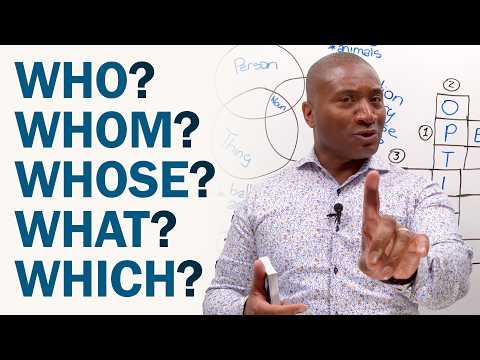
林宜悉 posted on 2026/04/17Ever get confused between WHO, WHOM, and WHOSE? 🤔 This super helpful video breaks down these tricky interrogative pronouns with clear examples and practical tips, so you can start using them confidently in everyday conversations and even at work!
Learn this video on the APP!
The VoiceTube App has more in-depth practice for videos!