
access
US /ˈæksɛs/
UK /'ækses/
- Noun (Countable/Uncountable)
- Way to enter a place, e.g. a station or stadium
- The opportunity or right to use something or to see someone.
- Transitive Verb
- To be able to use or have permission to use
A2TOEICMoreallow for
US
UK
- Verb (Transitive/Intransitive)
- To take into consideration
A1Moreany sort of
US
UK
- Determiner
- Any kind of; any type of
- Phrase
- Somewhat; to some extent
A2Moreautomate
US /ˈɔtəˌmet/
UK /'ɔ:təmeɪt/
- Transitive Verb
- To make automatic by using machines
B2TOEICMorebroad
US /brɔd/
UK /brɔ:d/
- Adjective
- General; not detailed
- Wide; from the shorter two sides to the other
A2Morebunch
US /bʌntʃ/
UK /bʌntʃ/
- Noun (Countable/Uncountable)
- A group of things of the same kind
- A group of people.
- Transitive Verb
- To group people or things closely together
B1Morechanger
US /'tʃeɪndʒər/
UK /'tʃeɪndʒə(r)/
- Countable Noun
- A person who changes something
C1Morechannel
US /ˈtʃænəl/
UK /'tʃænl/
- Noun (Countable/Uncountable)
- Long hole dug in the ground, e.g. to move water
- TV or radio station or its programs
- Transitive Verb
- To dig a long hole for carrying water
- To send (e.g. money) to a certain place or person
B1Morecheck out
US /tʃɛk aʊt/
UK /tʃek aut/
- Phrase
- Phrasal Verb
- To find out information about something
- To take books out of a library
A1Morecode
US /kod/
UK /kəʊd/
- Transitive Verb
- To express information in a series of numbers
- To write a secret message using secret symbols
- Noun
- A password made of a set of letters or numbers
- Set of rules for behavior
A2Moreconnect
US /kəˈnɛkt/
UK /kə'nekt/
- Transitive Verb
- To associate a thing with something else
- To join or attach things together
A2Moredepending on
US
UK
- Phrasal Verb
- To rely on for support (financial or emotional)
- Influenced or determined by.
- Preposition
- Subject to; contingent on
- Relying on someone or something for support or assistance.
A2Moredescription
US /dɪˈskrɪpʃən/
UK /dɪˈskrɪpʃn/
- Noun
- Explanation of what something is like, looks like
- The type or nature of someone or something.
A2TOEICMoredictation
US /dɪkˈteʃən/
UK /dɪkˈteɪʃn/
- Uncountable Noun
- Reading aloud to someone who writes what you say
B1Moreextend
US /ɪkˈstɛnd/
UK /ɪkˈstend/
- Transitive Verb
- To offer something (help, friendship) to someone
- To reach from one point to another
A2TOEICMorefeature
US /ˈfitʃɚ/
UK /'fi:tʃə(r)/
- Noun (Countable/Uncountable)
- Special report in a magazine or paper
- Distinctive or important point of something
- Transitive Verb
- To highlight or give special importance to
- To give prominence to; to present or promote as a special or important item.
A2TOEICMorefeel like
US
UK
- Intransitive Verb
- To have a desire or inclination for something.
- To have a particular quality or sensation; resemble.
A1Morefigure out
US /ˈfɪɡjɚ aʊt/
UK /ˈfiɡə aut/
- Phrasal Verb
- To understand the behavior of someone
- To think through logically to find a solution
- Verb (Transitive/Intransitive)
- To understand or find an answer to something.
- To find a solution to a problem or understand something.
A1Morefolder
US /ˈfoʊldə(r)/
UK /ˈfəʊldə(r)/
- Countable Noun
- Container that holds documents
B2TOEICMorefrom scratch
US /frʌm skrætʃ/
UK /frɔm skrætʃ/
- Phrase
- From the very beginning; from nothing.
- From the very beginning; using new materials rather than something that already exists.
A1Morehave to
US /hæv tu/
UK /ˈhæv tə/
- Auxiliary Verb
- Must do
A1Morein the past
US
UK
- Phrase
- During a former period of time; previously.
A1Moreinstead of
US /ɪnˈstɛd ʌv/
UK /inˈsted ɔv/
- Preposition
- When one thing is replaced by another
- Adverb
- As a substitute or alternative.
A1Moreinteract with
US /ˌɪntɚˈækt wɪð/
UK /ˌɪntərˈækt wið/
- Phrase
- Verb (Transitive/Intransitive)
- To engage in communication or action involving mutual or reciprocal influence.
- To use a computer interface to achieve a specific goal.
A2Moreinterest of
US
UK
- Phrase
- For the benefit or advantage of someone or something.
- A feeling of wanting to know or learn about something or someone.
- Noun
- A legal share or right in something.
A1Moreinto detail
US /ˈɪntu ˈditel/
UK /ˈɪntəʊ ˈdi:teɪl/
- other
- To explain or discuss something thoroughly with many specifics.
B1Morelimit
US /ˈlɪmɪt/
UK /'lɪmɪt/
- Noun (Countable/Uncountable)
- Point beyond which it is not possible to go
- A line or edge marking the boundary of an area.
- Transitive Verb
- To stop or prevent an increase past a point
A2TOEICMoremess around
US /mɛs əˈraʊnd/
UK /mes əˈraund/
- Phrasal Verb
- To cheat on your partner with another lover
- To pass the time aimlessly
- Intransitive Verb
- To behave in a silly or playful way.
- To spend time doing things that are not important or useful.
A2Moremove on
US /muv ɑn/
UK /mu:v ɔn/
- Phrasal Verb
- To decide to change or go to a different place
- To start talking about something different.
A1Morenecessarily
US /ˌnɛsɪˈsɛrəli, -ˈsɛr-/
UK /ˌnesəˈserəli/
- Adverb
- In a way that is needed/required/is unavoidable
A2TOEICMorenotion
US /ˈnoʃən/
UK /ˈnəuʃən/
- Noun
- Sudden idea or desire to do something
B1TOEICMoreof course
US /ʌv kɔː(r)s/
UK /ɔv kɔː(r)s/
- Adverb
- Sure ; Certainly
- Phrase
- For sure; certainly
A2Moreon to
US /ɑn tu/
UK /ɔn tu:/
- Preposition
- Toward something; forward
- Aware of someone's activities.
- Adjective
- Aware of someone's deception or illegal activities.
A1Moreover time
US /ˈovɚ taɪm/
UK /ˈəuvə taim/
- Phrase
- Gradually; as time passes.
- During a long period.
- Adverb
- Gradually; as time passes.
B1Morepersonal
US /ˈpɚsənəl/
UK /ˈpɜ:sənl/
- Adjective
- Done by or to a particular person; individual
- Concerning a person's private life or feelings
A2Morepowerful
US /ˈpaʊəfəl/
UK /ˈpauəful/
- Adjective
- Having control or influence over
- Having a lot of physical force, energy, strength
A2TOEICMorepreview
US /ˈpriˌvju/
UK /'pri:vju:/
- Noun
- Showing of a movie before public release
- Verb (Transitive/Intransitive)
- To look ahead at something, e.g. a movie
B2Moreprompt
US /prɑmpt/
UK /prɒmpt/
- Noun
- Message on a computer requiring attention
- Encouragement to ask someone else to talk
- Transitive Verb
- To display a message to requires a user to act
- To say something to encourage someone else to talk
B1Moreput together
US /pʊt təˈɡɛðɚ/
UK /put təˈɡeðə/
- Phrasal Verb
- To build or assemble something small, e.g. a toy
- To organize or arrange something.
A1Morerecommend
US /ˌrɛkəˈmɛnd/
UK /ˌrekə'mend/
- Transitive Verb
- To advise or suggest that someone do something
- To endorse or support something publicly.
A2TOEICMorerelevant
US /ˈrɛləvənt/
UK /ˈreləvənt/
- Adjective
- Having an effect on an issue; related or current
A2TOEICMoresonnet
US /ˈsɑnɪt/
UK /ˈsɔnɪt/
- Noun
- 14-line poetic verse form with fixed rhyme pattern
B2Moresort out
US /sɔrt aʊt/
UK /sɔ:t aut/
- Phrasal Verb
- To find a way of dealing with a problem; resolve
- To resolve a problem; manage successfully
A1Morespeed
US /spid/
UK /spi:d/
- Uncountable Noun
- How fast or slow something is or is done
- Verb (Transitive/Intransitive)
- To move quickly when completing an action
- To drive a vehicle faster than laws allow
A2TOEICMorestuff
US /stʌf/
UK /stʌf/
- Uncountable Noun
- Generic description for things, materials, objects
- Transitive Verb
- To push material inside something, with force
B1Moresync
US /sɪŋk/
UK /sɪŋk/
- Noun
- Short for 'synchronization'
C1Moretab
US /tæb/
UK /tæb/
- Transitive Verb
- To press the tab key on a keyboard
- Noun
- Formatting space in a word processing document
- Keyboard key to format space in a document
C2Moretie
US /taɪ/
UK /taɪ/
- Transitive Verb
- To attach things (together) with a string or rope
- To require someone to be in a specific place
- Noun (Countable/Uncountable)
- Item, such as string or wire, used to join things
- Strong connection between people, countries
A2TOEICMoreto do with
US
UK
- Phrasal Verb
- To be about something; concern
A1Moreunbelievable
US /ˌʌnbɪˈlivəbəl/
UK /ˌʌnbɪˈli:vəbl/
- Adjective
- Being very hard to believe; very great
- Extremely good or impressive; amazing.
B1Moreused to
US /juzd tu/
UK /ˈju:st tə/
- Adjective
- Did regularly before, but don't do now
- Auxiliary Verb
- Have done before, but do not do now
A1Morewanna
US /ˈwɑnə/
UK /'wɒnə/
- Verb (Transitive/Intransitive)
- Shortened form of 'want to'. Used only in speaking
B2Morewith it
US /wɪð ɪt/
UK /wið it/
- Adjective
- Intelligent, alert, and up-to-date.
- Understanding and knowledgeable about current trends or information.
A1Morework out
US /wɚk aʊt/
UK /wə:k aut/
- Phrasal Verb
- To find a way to do something, by thinking
A1Morewrite out
US /raɪt aʊt/
UK /rait aut/
- Phrasal Verb
- To write something in full instead of using abbreviations or symbols.
- To copy something by writing it.
A1Morewrite up
US /raɪt ʌp/
UK /rait ʌp/
- Phrasal Verb
- To make a written record of (a study, etc.)
A1More
Vocabulary
- of course: Sure ; Certainly
- figure out: To understand the behavior of someone
- work out
- feel like: To have a desire or inclination for something.
- have to: Must do
- with it: Intelligent, alert, and up-to-date.
- used to: Did regularly before, but don't do now
- any sort of: Any kind of; any type of
- put together: To build or assemble something small, e.g. a toy
- to do with: To be about something; concern
- instead of: When one thing is replaced by another
- over time: Gradually; as time passes.
- depending on: To rely on for support (financial or emotional)
- write up: To make a written record of (a study, etc.)
- on to: Toward something; forward
- move on: To decide to change or go to a different place
- sort out: To find a way of dealing with a problem; resolve
- interest of: For the benefit or advantage of someone or something.
- in the past: During a former period of time; previously.
- into detail: To explain or discuss something thoroughly with many specifics.
- from scratch: From the very beginning; from nothing.
- allow for: To take into consideration
- mess around: To cheat on your partner with another lover
- interact with
- write out: To write something in full instead of using abbreviations or symbols.
- check out
- stuff: Generic description for things, materials, objects
- sort: To organize things by putting them into groups
- relevant: Having an effect on an issue; related or current
- bunch: A group of things of the same kind
- figure: To appear in a game, play or event
- access: Way to enter a place, e.g. a station or stadium
- recommend: To advise or suggest that someone do something
- description: Explanation of what something is like, looks like
- necessarily: In a way that is needed/required/is unavoidable
- feature: Special report in a magazine or paper
- bit: Device put in a horse's mouth to control it
- notion: Sudden idea or desire to do something
- prompt: Message on a computer requiring attention
- interest: Best or most advantageous thing for someone
- wanna: Shortened form of 'want to'. Used only in speaking
- lot: What happens to a person in life from chance; fate
- broad: General; not detailed
- channel: Long hole dug in the ground, e.g. to move water
- limit: Point beyond which it is not possible to go
- important: Having power or authority
- sync: Short for 'synchronization'
- personal: Done by or to a particular person; individual
- manage: To survive hardships and difficulties; to cope
- extend: To offer something (help, friendship) to someone
- simple: Not hard to understand or do; not complex
- build: Your physical shape; physique
- information: Collection of facts and details about something
- connect: To associate a thing with something else
- detail: Small part of something; tiny fact
- basic: At the most important or easiest (beginner) level
- great: Very good; better than before
- find: To become aware of something that is happening
- quick: Using very little time; moving far in little time
- tie: To attach things (together) with a string or rope
- code: To express information in a series of numbers
- speed: How fast or slow something is or is done
- folder: Container that holds documents
- powerful: Having control or influence over
- automate: To make automatic by using machines
- tab: To press the tab key on a keyboard
- unbelievable: Being very hard to believe; very great
- dictation: Reading aloud to someone who writes what you say
- preview: Showing of a movie before public release
- sonnet: 14-line poetic verse form with fixed rhyme pattern
- changer: A person who changes something
Get the full experience in the app
Learn anywhere with detailed sentence and usage analysis
01:03
She took a brave step forward, leaving behind her comfort zone to chase her dreams.
Vocabulary
- brave
adj. Having courage
- comfort zone
phr. A familiar situation where one feels safe
Explanation
a brave step is a noun phrase, where brave is an adjective modifying the noun step, meaning "a courageous step".
forward is an adverb modifying step, meaning "ahead".
The whole phrase serves as the object, answering the "what" of took (verb) — she took a brave step forward.
Get the full experience in the app
Look up words anytime with pronunciation, part of speech, and usage
brave
US/brev/
UK/breɪv/
adj.Brave
v.t.To bravely face
A2 Elementary
Get the full experience in the app
Practice speaking anytime and get instant pronunciation feedback
Try this speaking exercise.
Try practicing with this sentence.
80
0
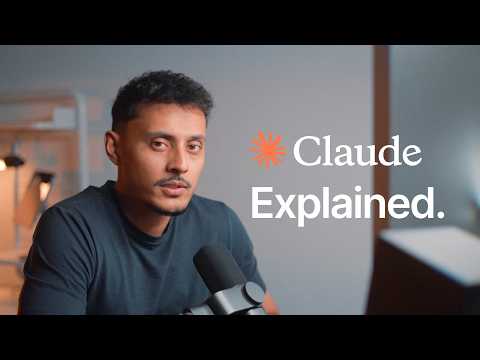
Peko posted on 2026/04/17Ever wondered how to get the most out of AI assistants like Claude? This video is your ultimate guide, breaking down everything from basic chat functions to advanced 'cowork' and 'code' modes, perfect for boosting your productivity! You'll pick up tons of practical vocabulary and learn simple sentence structures to master prompt engineering for daily tasks and workplace scenarios.
Learn this video on the APP!
The VoiceTube App has more in-depth practice for videos!