
absolutely
US /ˈæbsəˌlutli, ˌæbsəˈlutli/
UK /ˈæbsəlu:tli/
- Adverb
- Completely; totally; very
- Considered independently and without relation to other things; viewed abstractly; as, quantity absolutely considered.
A2Moreappearance
US /əˈpɪrəns/
UK /əˈpɪərəns/
- Noun
- The way a person looks to others
- The way that something looks
A2TOEICMoreas long as
US /æz lɔŋ æz/
UK /æz lɔŋ æz/
- Conjunction
- For the period that; provided that.
- For the length of time that
- Preposition
- On the condition that; providing that.
- Having the same length as.
A1Morecasual
US /ˈkæʒuəl/
UK /ˈkæʒuəl/
- Adjective
- Being careless or having little thought or effort
- (Of clothes, etc.) not formal; easy to wear
- Countable Noun
- A worker employed on a temporary or irregular basis.
- A job as a musician that is not regular or permanent.
A2Morechallenge
US /ˈtʃæləndʒ/
UK /'tʃælɪndʒ/
- Noun (Countable/Uncountable)
- An activity you wish to try that may be hard to do
- Act of formally inviting someone to compete
- Transitive Verb
- To formally invite someone to compete at something
- To question the correctness of something
A2Moreclaim
US /klem/
UK /kleɪm/
- Noun (Countable/Uncountable)
- To say that something is true, often without proof.
- A statement that something is true.
- Transitive Verb
- To demand or ask for something that you believe is rightfully yours.
- To take or cause the loss of (e.g., a life, property).
A2Moredescription
US /dɪˈskrɪpʃən/
UK /dɪˈskrɪpʃn/
- Noun
- Explanation of what something is like, looks like
- The type or nature of someone or something.
A2TOEICMoreemmy
US /ˈɛmi/
UK /ˈemi/
- Proper Noun
- Annual award for achievements in US TV
C1Moreemphasis
US /ˈɛmfəsɪs/
UK /ˈemfəsɪs/
- Uncountable Noun
- Special attention, importance, or force
- Stress placed on part of a word or phrase
A2TOEICMorefirst up
US /fɚst ʌp/
UK /fə:st ʌp/
- Phrase
- Firstly; to begin with; the first item on a list or agenda.
A1Moreflexible
US /ˈflɛksəbəl/
UK /ˈfleksəbl/
- Adjective
- Bending easily
- Able to adjust to new events, requirements easily
B1TOEICMorefor example
US
UK
- Phrase
- As an illustration or instance.
freedom
US /ˈfridəm/
UK /'fri:dəm/
- Uncountable Noun
- State of being free, not being controlled
B1Moregiggle
US /ˈɡɪɡəl/
UK /ˈgɪgl/
- Intransitive Verb
- To laugh in a childish or silly way
- Noun
- A childish or silly laugh
B1Moregrab
US /ɡræb/
UK /ɡræb/
- Transitive Verb
- To take and hold something quickly
A2Moregrammar
US /ˈɡræmɚ/
UK /ˈgræmə(r)/
- Uncountable Noun
- Book describing the syntactic rules of a language
- Rules explaining how words are used in a language
B1Moreguide
US /ɡaɪd/
UK /ɡaɪd/
- Transitive Verb
- To help or advise someone about something
- To control missile to hit a target by radio signal
- Noun (Countable/Uncountable)
- Book or a magazine containing information/advice
- Person leading others visiting an unknown place
A2TOEICMorenegative
US /ˈnɛɡətɪv/
UK /'neɡətɪv/
- Noun
- The opposite to a positive electrical charge
- In grammar, containing words such as 'no' or 'not'
- Adjective
- Being harmful, unwanted or unhelpful
- In mathematics, being less than zero
A2Moreneutral
US /ˈnu:trəl/
UK /ˈnju:trəl/
- Adjective
- Something with pH value of 7
- Having no positive or negative electrical charge
- Noun (Countable/Uncountable)
- Color that is dull and not bright, such as gray
- The rest position for gears in a car or vehicle
B1Moreno matter
US
UK
- Conjunction
- Regardless of; it does not matter.
- Adverb
- Regardless of; it is not important
A1Moreon time
US /ɑn taɪm/
UK /ɔn taim/
- Phrase
- Adjective
- Arriving at or done by the required time
- Meeting a deadline; punctual in fulfilling obligations.
A1Moreonce and for all
US /wʌns ənd fɔr ɔl/
UK /wʌns ænd fɔ: ɔ:l/
- Phrase
- Completely and finally; decisively.
- In a definitive and conclusive manner.
A2Moreridiculous
US /rɪˈdɪkjələs/
UK /rɪˈdɪkjələs/
- Adjective
- Funny or foolish; deserving to be laughed at
A2Morerude
US /rud/
UK /ru:d/
- Adjective
- Being unkind or impolite to others; disrespectful
- Offensive; ill-mannered
A2Moresect
US /sɛkt/
UK /sekt/
- Countable Noun
- Small, sometimes secret, religious group
B2Moresee in
US /si ɪn/
UK /si: in/
- Phrasal Verb
- To accompany someone to the entrance of a building or room.
A1Moresneak
US /snik/
UK /sni:k/
- Verb (Transitive/Intransitive)
- To move around in a way so no one will see you
- To take something somewhere/give secretly
- Intransitive Verb
- To move around in such a way no one will see you
B2Morespecific
US /spɪˈsɪfɪk/
UK /spəˈsɪfɪk/
- Adjective
- Precise; particular; just about that thing
- Concerning one particular thing or kind of thing
A2Morestick
US /stɪk/
UK /stɪk/
- Verb (Transitive/Intransitive)
- To push a sharp or pointed object into something
- To join together using glue or paste
- Countable Noun
- Long thin piece of wood from a tree
A2Moretease
US /tiz/
UK /ti:z/
- Transitive Verb
- To purposefully bother an animal
- To playfully embarrass or make fun of
- Noun
- Something said or done as a joke
B1Morevariety
US /vəˈraɪɪti/
UK /və'raɪətɪ/
- Noun
- Particular type of thing or person
- The quality or state of being different or diverse; the absence of uniformity, sameness, or monotony.
A2TOEICMorewake up
US /wek ʌp/
UK /weik ʌp/
- Phrasal Verb
- To stop sleeping
- To become fully aware and alert to a situation.
A1Morewhatsoever
US /ˌhwɑtsoˈɛvɚ,ˌhwʌt-,ˌwɑt,ˌwʌt-/
UK /ˌwɒtsəʊ'evə/
- Determiner
- Used to add emphasis to an idea being expressed
B2More
Vocabulary
- no matter: Regardless of; it does not matter.
- for example: As an illustration or instance.
- once and for all: Completely and finally; decisively.
- first up: Firstly; to begin with; the first item on a list or agenda.
- wake up: To stop sleeping
- see in: To accompany someone to the entrance of a building or room.
- on time
- as long as: For the period that; provided that.
- specific: Precise; particular; just about that thing
- stick: To push a sharp or pointed object into something
- absolutely: Completely; totally; very
- ridiculous: Funny or foolish; deserving to be laughed at
- grab: To take and hold something quickly
- evidence: Factual proof that helps to establish the truth
- description: Explanation of what something is like, looks like
- matter: To be of great importance; to count
- negative: The opposite to a positive electrical charge
- sense: Certain mental feeling or emotion
- variety: Particular type of thing or person
- claim: To say that something is true, often without proof.
- imagine: To think creatively about; form mental picture of
- sneak: To move around in a way so no one will see you
- neutral: Something with pH value of 7
- bit: Device put in a horse's mouth to control it
- casual: Being careless or having little thought or effort
- similar: Nearly the same; alike
- appearance: The way a person looks to others
- grammar: Book describing the syntactic rules of a language
- challenge: An activity you wish to try that may be hard to do
- flexible: Bending easily
- reason: To think and make conclusions in a logical manner
- guide: To help or advise someone about something
- throw: To use your arm to make something fly in the air
- emphasis: Special attention, importance, or force
- interest: Best or most advantageous thing for someone
- rude: Being unkind or impolite to others; disrespectful
- click: To work well with someone or something
- tease: To purposefully bother an animal
- whatsoever: Used to add emphasis to an idea being expressed
- sound: Sensible, dependable and reliable
- learn: To get knowledge or skills by study or experience
- support: To give assistance or advice to someone
- active: Moving around a lot or doing many things
- pick: Sharp tool used for breaking the ground
- giggle: To laugh in a childish or silly way
- freedom: State of being free, not being controlled
- sect: Small, sometimes secret, religious group
- emmy: Annual award for achievements in US TV
Get the full experience in the app
Learn anywhere with detailed sentence and usage analysis
01:03
She took a brave step forward, leaving behind her comfort zone to chase her dreams.
Vocabulary
- brave
adj. Having courage
- comfort zone
phr. A familiar situation where one feels safe
Explanation
a brave step is a noun phrase, where brave is an adjective modifying the noun step, meaning "a courageous step".
forward is an adverb modifying step, meaning "ahead".
The whole phrase serves as the object, answering the "what" of took (verb) — she took a brave step forward.
Get the full experience in the app
Look up words anytime with pronunciation, part of speech, and usage
brave
US/brev/
UK/breɪv/
adj.Brave
v.t.To bravely face
A2 Elementary
Get the full experience in the app
Practice speaking anytime and get instant pronunciation feedback
Try this speaking exercise.
Try practicing with this sentence.
80
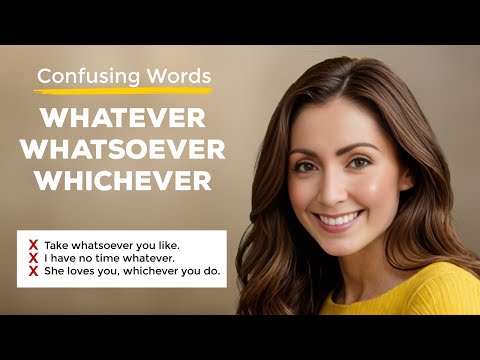
Whatever vs Whatsoever: English Grammar Explains
0
Susan posted on 2026/04/15Ever get confused between 'whatever' and 'whatsoever'? This video breaks down the tricky differences and shows you exactly when to use each one in everyday conversations! You'll pick up practical usage tips and avoid common mistakes, making your English sound even more natural.
Learn this video on the APP!
The VoiceTube App has more in-depth practice for videos!