
a bit much
US /ə bɪt mʌtʃ/
UK /ə bit mʌtʃ/
- other
- Slightly too extreme or unreasonable.
B2Moreafter all
US /ˈæftɚ ɔl/
UK /ˈɑ:ftə ɔ:l/
- Adverb
- In spite of what was expected; used to introduce a statement that supports a previous statement or explains why it was made
- Considering everything; used to indicate that something is happening or is true despite some difficulty or obstacle
- Phrase
- Despite what was expected or thought; in spite of everything.
- Taking everything into consideration; considering that.
B1Moreagainst you
US
UK
- Preposition
- In opposition to you.
- Expressing disagreement or disapproval of you.
A2Moreall over the place
US
UK
- Phrase
- In a state of disorder; scattered everywhere.
- In many different locations; widely distributed.
- Adjective
- Mentally or emotionally disorganized; confused or erratic.
A1Moreall the things
US
UK
- Pronoun
- Everything; all items or aspects
- Determiner
- Every item or object being considered or discussed.
A1Moreanxiety
US /æŋˈzaɪɪti/
UK /æŋ'zaɪətɪ/
- Uncountable Noun
- A feeling of worry, nervousness, or unease about something that might happen, especially when the outcome is uncertain.
B1Moreas long as
US /æz lɔŋ æz/
UK /æz lɔŋ æz/
- Conjunction
- For the period that; provided that.
- For the length of time that
- Preposition
- On the condition that; providing that.
- Having the same length as.
A1Moreat bay
US /æt be/
UK /æt bei/
- Phrase
- Kept at a distance; held back.
A1Moreat home
US /æt hom/
UK /æt həum/
- Phrase
- In one's own residence or country.
- Adjective
- Feeling comfortable and relaxed.
at least
US /æt list/
UK /æt li:st/
- Adverb
- As a minimum
- Not less than
- Phrase
- No less than; at the minimum
- Used to indicate that something is positive in a bad situation.
C2Moreat some point
US /æt sʌm pɔɪnt/
UK /æt sʌm pɔint/
- Phrase
- At an unspecified time, usually in the future.
A1Moreat the hands of
US
UK
- Phrase
- By the agency or through the actions of.
- Through the responsibility or fault of.
A1Moreat the moment
US
UK
- Adverb
- At this time; now
A1Moreat work
US /æt wɚk/
UK /æt wə:k/
- Phrase
- Located at one's place of employment
A1Moreawareness
US /əˈwɛrnɪs/
UK /əˈweənəs/
- Uncountable Noun
- Having knowledge of something
A2TOEICMoreawful
US /ˈɔfəl/
UK /ˈɔ:fl/
- Adjective
- Very bad; horrible; terrible
A2Morebe with
US /bi wɪð/
UK /bi: wið/
- Phrasal Verb
- To accompany someone; to be in someone's presence.
- To support someone's opinion or cause.
A1Moreblow hot and cold
US /blo hɑt ænd koʊld/
UK /bləʊ hɒt ænd kəʊld/
- other
- To change opinions or feelings frequently and unpredictably.
C1Morebreak down
US /brek daʊn/
UK /breik daun/
- Phrasal Verb
- To forcibly break, destroy or make collapse
- (Machine) to stop working or become weaker
A1Morebroaden
US /ˈbrɔdn:/
UK /ˈbrɔ:dn/
- Transitive Verb
- To make something wider
B1Morebroken people
US
UK
- Noun (plural)
- People who are emotionally or psychologically damaged.
- People who are struggling with significant life challenges or hardships.
A1Morebubble up
US /ˈbʌbəl ʌp/
UK /ˈbʌbl ʌp/
- Phrasal Verb
- To rise to the surface in bubbles.
- To emerge or intensify, especially a feeling or emotion.
C1Moreby nature
US /baɪ ˈnetʃɚ/
UK /bai ˈneitʃə/
- Adverb
- Inherently; by one's character or disposition.
- Phrase
- Inherently; by one's natural disposition or character.
- According to its essential characteristics; intrinsically.
A2Morecall up
US
UK
- Phrasal Verb
- To require someone to join the army
- To bring to your memory
A1Morecatch up
US /kætʃ ʌp/
UK /kætʃ ʌp/
- Phrasal Verb
- To become equal with another person
- To inform others of the latest news
- Verb (Transitive/Intransitive)
- To do something that you have not been able to do recently.
- To meet someone you know in order to talk to them and find out what they have been doing.
A1Morechildhood
US /ˈtʃaɪldˌhʊd/
UK /ˈtʃaɪldhʊd/
- Uncountable Noun
- The time when you are a child
B1Moreclinically
US /'klɪnɪklɪ/
UK /'klɪnɪklɪ/
- Adverb
- With respect to treating and observing patients
B1Morecome back
US /kʌm bæk/
UK /kʌm bæk/
- Phrasal Verb
- To reply to someone, often forcefully
- To be remembered
A1Morecomplicate
US /ˈkɑ:mplɪkeɪt/
UK /ˈkɒmplɪkeɪt/
- Transitive Verb
- To make more difficult to do, understand or use
B1Moreconsciousness
US /ˈkɑnʃəsnɪs/
UK /'kɒnʃəsnəs/
- Uncountable Noun
- Process by which thoughts, ideas are processed
- A person's awareness or perception of something.
A2Morecontrast with
US /ˈkɑntræst wɪð/
UK /ˈkɔntræst wið/
- Phrasal Verb
- To be strikingly different from something else.
A1Moredepending on
US
UK
- Phrasal Verb
- To rely on for support (financial or emotional)
- Influenced or determined by.
- Preposition
- Subject to; contingent on
- Relying on someone or something for support or assistance.
A2Moredepress
US /dɪˈprɛs/
UK /dɪ'pres/
- Transitive Verb
- To make someone feel sad or miserable
- To push something down
B2Moredepression
US /dɪˈprɛʃən/
UK /dɪ'preʃn/
- Noun (Countable/Uncountable)
- Medical condition of a lack of vitality
- Period of unemployment and low economic activity
B2Moredesire
US / dɪˈzaɪr/
UK /dɪ'zaɪə(r)/
- Transitive Verb
- To wish for, hope or want something
- Noun (Countable/Uncountable)
- Thing that is wished for or wanted
- A strong feeling of sexual wanting.
A2Moredo away with
US
UK
- Phrasal Verb
- To remove or take something away; to kill
- To get rid of; abolish; eliminate.
A1Moredot
US /dɑt/
UK /dɒt/
- Transitive Verb
- To place small amounts/things in various places
- To mark something by placing a small, round spot
- Noun
- Small round mark
B1TOEICMoredown with
US /daʊn wɪð/
UK /daun wið/
- Adjective
- Suffering from an illness.
- Agreeable to; in favor of.
- Interjection
- An expression of opposition to something.
A1Moreemotional
US /ɪˈmoʃənəl/
UK /ɪˈməʊʃənl/
- Adjective
- Causing, feeling, or appealing to the emotions
- Relating to or characterized by emotion
A2Moreend up with
US
UK
- Phrasal Verb
- To have something as a result.
A1Moreever since
US /ˈɛvɚ sɪns/
UK /ˈevə sins/
- Adverb
- Continuously from a past time until now.
- Conjunction
- From the time that; because.
B2Moreexperienced in
US
UK
- Phrase
- Having skill or knowledge as a result of experience.
B1Morefamiliarity
US /fəˌmɪlˈjærɪti, -ˌmɪliˈær-/
UK /fəˌmɪliˈærəti/
- Uncountable Noun
- Manner of talking or behaving
- Close acquaintance with or knowledge of something.
B1Morefamily members
US
UK
- Noun (plural)
- People related by blood, marriage, or adoption.
A1Morefeel like
US
UK
- Intransitive Verb
- To have a desire or inclination for something.
- To have a particular quality or sensation; resemble.
A1Morefigure out
US /ˈfɪɡjɚ aʊt/
UK /ˈfiɡə aut/
- Phrasal Verb
- To understand the behavior of someone
- To think through logically to find a solution
- Verb (Transitive/Intransitive)
- To understand or find an answer to something.
- To find a solution to a problem or understand something.
A1Morefor example
US
UK
- Phrase
- As an illustration or instance.
get emotional
US
UK
- Intransitive Verb
- To become easily affected by emotions; to become sentimental or tearful.
get onto
US /ɡɛt ˈɑnˌtu/
UK /ɡet ˈɔntu/
- Phrasal Verb
- To board or mount a vehicle, such as a bus, train, or bicycle.
- To start talking or dealing with a new subject.
A1Moreget out of
US /ɡɛt aʊt ʌv/
UK /ɡet aut ɔv/
- Phrasal Verb
- To leave or escape responsibilities, troubles
- To leave a small, enclosed vehicle
A1Moreget to grips with
US /ɡɛt tə ɡrɪps wɪθ/
UK /ɡet tə ɡrɪps wɪθ/
- other
- To begin to understand and deal with something difficult.
B2Morego away
US /ɡo əˈwe/
UK /ɡəu əˈwei/
- Phrasal Verb
- To go on vacation
- To leave; depart.
A1Morego back to
US /ɡo bæk tu/
UK /ɡəu bæk tu:/
- Phrasal Verb
- To return to a starting point
A1Morego on
US /ɡo ɑn/
UK /ɡəu ɔn/
- Phrasal Verb
- To continue doing something
- To happen (usually negative)
- Interjection
- Used to encourage someone
A1Moregoing on
US /ˈɡoɪŋ ɑn/
UK /ˈgəʊɪŋ ɔn/
- Phrasal Verb
- To continue doing something
- To happen (usually negative)
A1Moregot to
US /ɡɑt tu/
UK /gɔt tu:/
- Verb (Transitive/Intransitive)
- To arrive at some place
- To have the opportunity or permission to do something
- Phrasal Verb
- To appeal to the emotions of; move
- To finally begin to start something after a delay
A1Morehang on
US /hæŋ ɑn/
UK /hæŋ ɔn/
- Phrasal Verb
- To wait for the person you phoned to answer
- To persevere or persist, especially in a difficult situation.
A2Morehave at
US
UK
- Phrasal Verb
- To attack someone or something.
- To begin doing something with enthusiasm.
A1Morehave to
US /hæv tu/
UK /ˈhæv tə/
- Auxiliary Verb
- Must do
A1Moreheartbreak
US /ˈhɑ:rtbreɪk/
UK /ˈhɑ:tbreɪk/
- Uncountable Noun
- Great sorrow caused by e.g. death of loved one
- Overwhelming distress caused by the end of a romantic relationship or the loss of a loved one.
C1Morehumor
US /ˈhjumɚ/
UK /'hju:mə/
- Uncountable Noun
- Quality that makes something funny
- Mood that a person is in
- Transitive Verb
- To pretend to agree with so they don't get upset
- To agree with someone but don't really mean it
B1Morein floods
US /ɪn flʌdz/
UK /ɪn flʌdz/
- other
- Crying a lot, with many tears flowing.
B2Morein order to
US /ɪn ˈɔrdɚ tu/
UK /in ˈɔ:də tu:/
- Preposition
- For the purpose of; with the aim of.
- Phrase
- In a specific sequence or arrangement.
- With the aim of; for the purpose of.
C1Morein other words
US
UK
- Phrase
- Stating something in a different way, often to make it clearer or more understandable.
in the middle of
US
UK
- Phrase
- In the central part or point of something.
- Engaged or occupied with something.
A2Morein the past
US
UK
- Phrase
- During a former period of time; previously.
A1Morein the presence of
US /ɪn ðə ˈprɛzəns ʌv/
UK /in ðə ˈprezəns ɔv/
- Preposition
- While someone or something else is present.
B1Morein the world
US /ɪn ði wɜrld/
UK /in ðə wɜː(r)ld/
- Phrase
- Used to emphasize a question expressing surprise, confusion, disbelief
- Used to indicate the extent or degree of something, often in a superlative sense
A1Moreinstead of
US /ɪnˈstɛd ʌv/
UK /inˈsted ɔv/
- Preposition
- When one thing is replaced by another
- Adverb
- As a substitute or alternative.
A1Moreknow about
US /noʊ əˈbaʊt/
UK /nəʊ əˈbaut/
- Phrasal Verb
- To have information or understanding of a subject or situation.
lean into
US
UK
- Phrasal Verb
- To bend or move your body closer to something, often for support or to get a better view.
- To embrace or fully engage with something, especially something difficult or challenging.
B2Morelive on
US /lɪv ɒn/
UK /lɪv ɒn/
- Phrasal Verb
- To continue to exist or be remembered.
- To eat a particular type of food as the main thing.
B2Morelook at
US /lʊk æt/
UK /luk æt/
- Phrasal Verb
- To use your eyes to focus on something
- To focus your eyes on something carefully
A1Morelook for
US /lʊk fɔr/
UK /luk fɔ:/
- Phrasal Verb
- To try to find a thing or person that is lost
- To expect or anticipate something.
A1Morelook into
US /lʊk ˈɪntu/
UK /luk ˈɪntuː/
- Phrasal Verb
- To investigate or try to discover the reasons for
A1Moreloop in
US /lup ɪn/
UK /lu:p ɪn/
- other
- To include someone in a conversation or communication.
B2Moremake for
US /mek fɔr/
UK /meik fɔ:/
- Phrasal Verb
- To go to or toward something/someone for a reason
- To result in; cause
A1Moremental
US /ˈmɛntl/
UK /ˈmentl/
- Adjective
- Concerning the mind
A2TOEICMoremourn
US /mɔ:rn/
UK /mɔ:n/
- Intransitive Verb
- To feel or show extreme sadness
- To feel or express sorrow or grief over (someone's death or something lost).
B2Moremove on
US /muv ɑn/
UK /mu:v ɔn/
- Phrasal Verb
- To decide to change or go to a different place
- To start talking about something different.
A1Moreodd
US /ɑd/
UK /ɒd/
- Adjective
- Being unmatched with someone or something
- Being a number not able to be divided by two
A2Moreof a kind
US /ʌv e kaɪnd/
UK /ɔv ə kaind/
- Adjective
- Unique; not like anything else
- Phrase
- Sharing similar characteristics or qualities; alike
A1Moreof course
US /ʌv kɔː(r)s/
UK /ɔv kɔː(r)s/
- Adverb
- Sure ; Certainly
- Phrase
- For sure; certainly
A2Moreof yours
US /ʌv jʊɚz/
UK /əv jɔ:z/
- other
- Belonging to you; your possession or property.
A1Moreon air
US /ɑn er/
UK /ɔn eə(r)/
- Adverb
- Being broadcast on radio or television.
- Adjective
- Available or accessible to the public.
A2Moreon earth
US /ɑn ɚθ/
UK /ɔn ə:θ/
- Phrase
- Used to emphasize a question expressing surprise or anger.
- Used to emphasize that something is not possible or will not happen.
A1Moreon the floor
US
UK
- Phrase
- Located on the ground or bottom surface of a room.
- Actively participating in dancing or other floor-based activities.
A1Moreon the other hand
US
UK
- Phrase
- Considering a different aspect of the matter; alternatively.
A1Moreon the road
US /ɑn ði rəʊd/
UK /ɔn ðə roʊd/
- Phrase
- Traveling, especially as part of a tour or journey.
- Making progress; advancing towards a goal.
- Idiom
- Making progress towards a goal or achievement.
A1Moreon the same page
US /ɑn ðə ˈseɪm ˈpeɪdʒ/
UK /ɒn ðə ˈseɪm ˈpeɪdʒ/
- other
- To have a shared understanding or agreement about something.
B1Moreon to
US /ɑn tu/
UK /ɔn tu:/
- Preposition
- Toward something; forward
- Aware of someone's activities.
- Adjective
- Aware of someone's deception or illegal activities.
A1Moreordinary
US /ˈɔ:rdneri/
UK /'ɔ:dnrɪ/
- Adjective
- Normal or usual
- Of the rank of ordinary seaman.
- Noun
- An ecclesiastical judge or official having ordinary jurisdiction in a given area.
- Any of several simple and basic geometrical figures.
A2TOEICMoreother than
US
UK
- Preposition
- Except for; apart from.
- Conjunction
- Different from.
A1Moreout of control
US /aʊt ʌv kənˈtrol/
UK /aut ɔv kənˈtrəul/
- Adjective
- Impossible to manage or control.
- Not able to be directed or steered.
A1Moreout of it
US /aʊt ʌv ɪt/
UK /aut ɔv it/
- Adjective
- Unconscious or not completely alert; dazed or confused.
- Not able to think clearly or react quickly; not with it.
A1Moreout of order
US /aʊt ʌv ˈɔrdɚ/
UK /aut ɔv ˈɔ:də/
- Adjective
- Not in proper working condition; broken.
- Not following the rules of procedure; inappropriate.
A1Moreout there
US /aʊt ðɛr/
UK /aut ðɛə/
- Adverb
- In or to a place that is far away
- Existing in the universe
- Adjective
- Unconventional; strange; avant-garde
- Existing or available.
A1Morepattern
US /ˈpætən/
UK /'pætn/
- Noun (Countable/Uncountable)
- Model to follow in making or doing something
- Colors or shapes which are repeated on objects
- Transitive Verb
- To copy the way something else is made
- To decorate with a pattern.
A2TOEICMoreproperly
US /ˈprɑːpərli/
UK /ˈprɔpəlɪ/
- Adverb
- In an appropriate or correct manner
- In a way that is suitable or appropriate.
A2Morepsychotherapy
US /ˌsaɪkoʊˈθerəpi/
UK /ˌsaɪkəʊˈθerəpi/
- Uncountable Noun
- Therapy for the mind
C1Morepull off
US /pʊl ɔf/
UK /pul ɔf/
- Phrasal Verb
- To manage to succeed
- To remove something quickly or with force.
A1Morepush away
US
UK
- Phrasal Verb
- To move someone or something away from you by pushing.
- To avoid emotional intimacy or connection with others.
A2Moreput together
US /pʊt təˈɡɛðɚ/
UK /put təˈɡeðə/
- Phrasal Verb
- To build or assemble something small, e.g. a toy
- To organize or arrange something.
A1Morerage
US /reɪdʒ/
UK /reɪdʒ/
- Uncountable Noun
- Strong or violent anger
- Intransitive Verb
- To act or speak with strong or violent anger
- To move violently, like a storm
B1Morerather than
US
UK
- Adverb
- More exactly; more correctly
- Preferably; instead
- Preposition
- Instead of
A1Morerecreate
US /ˌri:krɪ'eɪt/
UK /ˌri:kriˈeɪt/
- Transitive Verb
- To make a past situation exist again
- To refresh or renew, especially after fatigue.
B1Morerelationship
US /rɪˈleʃənˌʃɪp/
UK /rɪˈleɪʃnʃɪp/
- Noun (Countable/Uncountable)
- Connection between two or more people or things
- Way people interact or live with each other
A2TOEICMorerun away from
US /rʌn əˈwe frʌm/
UK /rʌn əˈwei frɔm/
- Phrasal Verb
- To run somewhere, e.g. to escape from something
A1Morerunaway
US /ˈrʌnəˌwe/
UK /ˈrʌnəweɪ/
- Adjective
- (Of a victory) easy; hardly contested
- Unhappy child who runs away from home
- Noun
- Unhappy child who runs away from home
C2Moresick and tired
US /sɪk ənd taɪrd/
UK /sik ænd ˈtaiəd/
- Adjective
- Fed up with or annoyed by something.
- Extremely exhausted and weary.
A2Moresit down
US /sit daʊn/
UK /sit daun/
- Phrasal Verb
- To take a seat
A1Moresit with
US /sit wɪð/
UK /sit wið/
- Phrasal Verb
- To stay with someone and provide support or comfort.
- To take time to consider or accept something.
A1Moresuffer
US / ˈsʌfɚ/
UK /'sʌfə(r)/
- Verb (Transitive/Intransitive)
- To experience pain, illness, or injury
- To allow or permit something, especially something unpleasant.
A2Moresuperpower
US /ˈsu:pərpaʊə(r)/
UK /ˈsu:pəpaʊə(r)/
- Noun
- State powerful enough to influence world events
C2Moresympathy
US /ˈsɪmpəθi/
UK /'sɪmpəθɪ/
- Uncountable Noun
- Feeling for other people when they are in trouble
A2TOEICMoretalk about it
US /tɔk əˈbaʊt ɪt/
UK /tɔ:k əˈbaut it/
- Verb (Transitive/Intransitive)
- To discuss a particular subject.
A1Moretalking about
US
UK
- Phrasal Verb
- To discuss a particular topic.
- To be constantly mentioning or bringing up a subject.
A1Moretend
US /tɛnd/
UK /tend/
- Intransitive Verb
- To move or act in a certain manner
- Transitive Verb
- To take care of
A2Moretheory
US /ˈθiəri, ˈθɪri/
UK /ˈθiəri/
- Noun (Countable/Uncountable)
- Ideas or principles that explain facts or events
- An idea or belief about something
A2TOEICMorethink about
US /θɪŋk əˈbaʊt/
UK /θiŋk əˈbaut/
- Phrasal Verb
- To consider something carefully.
- To remember or call to mind.
A1Morethink of
US /θɪŋk ʌv/
UK /θiŋk ɔv/
- Phrasal Verb
- To look on as (being something specific); consider
- To consider or remember something.
- Verb (Transitive/Intransitive)
- To imagine or call something to mind
A1Morethrough with
US
UK
- Phrase
- Having had enough (of trouble); wanting to stop
A1Moreto do with
US
UK
- Phrasal Verb
- To be about something; concern
A1Moreto the point
US /tu ði pɔɪnt/
UK /tu: ðə pɔint/
- Adjective
- Expressing something directly and without unnecessary detail.
- Phrase
- Relevant and pertinent to the matter at hand.
A2Moretogether with
US /təˈɡɛðɚ wɪð/
UK /təˈɡeðə wið/
- Preposition
- In addition to; along with.
- Including; as well as.
A1Moretremendously
US /trɪˈmɛndəslɪ/
UK /trə'mendəslɪ/
- Adverb
- Very well or very impressively
B1Moreturn around
US /tɚn əˈraʊnd/
UK /tə:n əˈraund/
- Phrasal Verb
- To change your body to the opposite direction
- To make something running badly into a success
- Verb (Transitive/Intransitive)
- To change direction so as to face the opposite way.
- To improve or cause to improve.
A1Moreunwind
US
UK
- Transitive Verb
- To reverse something that has been twisted/turned
B2Moreup against
US /ʌp əˈɡenst/
UK /ʌp əˈɡenst/
- Phrase
- Facing or contending with something difficult or challenging.
- In close proximity or contact with something.
used to
US /juzd tu/
UK /ˈju:st tə/
- Adjective
- Did regularly before, but don't do now
- Auxiliary Verb
- Have done before, but do not do now
A1Morevirtuous circle
US /ˈvə:tʃuəs ˈsɚkəl/
UK /ˈvɜ:tʃu:əs ˈsə:kl/
- Noun (Countable/Uncountable)
- A recurring cycle of events where each event positively influences the next, leading to continuous improvement.
A2Morewait for
US /wet fɔr/
UK /weit fɔ:/
- Phrasal Verb
- To wait until someone comes, or something happens
A1Morewake up
US /wek ʌp/
UK /weik ʌp/
- Phrasal Verb
- To stop sleeping
- To become fully aware and alert to a situation.
A1Moreward off
US /wɔrd ɔf/
UK /wɔ:d ɔf/
- Phrasal Verb
- To avert, deflect, or repel (something dangerous or undesirable).
A2Morewith it
US /wɪð ɪt/
UK /wið it/
- Adjective
- Intelligent, alert, and up-to-date.
- Understanding and knowledgeable about current trends or information.
A1Morework out
US /wɚk aʊt/
UK /wə:k aut/
- Phrasal Verb
- To find a way to do something, by thinking
A1Morewrite down
US /raɪt daʊn/
UK /rait daun/
- Phrasal Verb
- To record in writing
A1More
Vocabulary
- have to: Must do
- of course: Sure ; Certainly
- look at: To use your eyes to focus on something
- think about: To consider something carefully.
- talking about: To discuss a particular topic.
- going on: To continue doing something
- in order to: For the purpose of; with the aim of.
- in other words: Stating something in a different way, often to make it clearer or more understandable.
- for example: As an illustration or instance.
- go on: To continue doing something
- think of: To look on as (being something specific); consider
- used to: Did regularly before, but don't do now
- rather than: More exactly; more correctly
- sit with: To stay with someone and provide support or comfort.
- got to: To arrive at some place
- at least: As a minimum
- to the point: Expressing something directly and without unnecessary detail.
- out there: In or to a place that is far away
- lean into: To bend or move your body closer to something, often for support or to get a better view.
- with it: Intelligent, alert, and up-to-date.
- all over the place: In a state of disorder; scattered everywhere.
- other than: Except for; apart from.
- at bay: Kept at a distance; held back.
- in the world: Used to emphasize a question expressing surprise, confusion, disbelief
- on to: Toward something; forward
- in the presence of: While someone or something else is present.
- sick and tired: Fed up with or annoyed by something.
- to do with: To be about something; concern
- live on: To continue to exist or be remembered.
- at home: In one's own residence or country.
- turn around: To change your body to the opposite direction
- write down: To record in writing
- after all: In spite of what was expected; used to introduce a statement that supports a previous statement or explains why it was made
- at work: Located at one's place of employment
- of a kind: Unique; not like anything else
- bubble up: To rise to the surface in bubbles.
- loop in: To include someone in a conversation or communication.
- break down: To forcibly break, destroy or make collapse
- get emotional: To become easily affected by emotions; to become sentimental or tearful.
- family members: People related by blood, marriage, or adoption.
- feel like: To have a desire or inclination for something.
- on the road: Traveling, especially as part of a tour or journey.
- ward off: To avert, deflect, or repel (something dangerous or undesirable).
- by nature: Inherently; by one's character or disposition.
- figure out: To understand the behavior of someone
- be with: To accompany someone; to be in someone's presence.
- of yours: Belonging to you; your possession or property.
- call up: To require someone to join the army
- at the hands of: By the agency or through the actions of.
- out of control: Impossible to manage or control.
- together with: In addition to; along with.
- through with: Having had enough (of trouble); wanting to stop
- experienced in: Having skill or knowledge as a result of experience.
- in the past: During a former period of time; previously.
- get onto: To board or mount a vehicle, such as a bus, train, or bicycle.
- on the other hand : Considering a different aspect of the matter; alternatively.
- have at: To attack someone or something.
- a bit much: Slightly too extreme or unreasonable.
- go away: To go on vacation
- on the same page: To have a shared understanding or agreement about something.
- push away: To move someone or something away from you by pushing.
- broken people: People who are emotionally or psychologically damaged.
- look into: To investigate or try to discover the reasons for
- virtuous circle: A recurring cycle of events where each event positively influences the next, leading to continuous improvement.
- blow hot and cold: To change opinions or feelings frequently and unpredictably.
- all the things: Everything; all items or aspects
- depending on: To rely on for support (financial or emotional)
- at some point: At an unspecified time, usually in the future.
- look for: To try to find a thing or person that is lost
- go back to: To return to a starting point
- run away from: To run somewhere, e.g. to escape from something
- instead of: When one thing is replaced by another
- work out
- on earth: Used to emphasize a question expressing surprise or anger.
- ever since: Continuously from a past time until now.
- on the floor: Located on the ground or bottom surface of a room.
- against you: In opposition to you.
- talk about it: To discuss a particular subject.
- know about: To have information or understanding of a subject or situation.
- do away with: To remove or take something away; to kill
- get to grips with: To begin to understand and deal with something difficult.
- end up with: To have something as a result.
- get out of: To leave or escape responsibilities, troubles
- out of order: Not in proper working condition; broken.
- hang on: To wait for the person you phoned to answer
- wake up: To stop sleeping
- in the middle of: In the central part or point of something.
- up against: Facing or contending with something difficult or challenging.
- wait for: To wait until someone comes, or something happens
- catch up: To become equal with another person
- make for: To go to or toward something/someone for a reason
- put together: To build or assemble something small, e.g. a toy
- sit down: To take a seat
- down with: Suffering from an illness.
- as long as: For the period that; provided that.
- move on: To decide to change or go to a different place
- contrast with: To be strikingly different from something else.
- in floods: Crying a lot, with many tears flowing.
- out of it: Unconscious or not completely alert; dazed or confused.
- at the moment: At this time; now
- pull off: To manage to succeed
- on air: Being broadcast on radio or television.
- come back: To reply to someone, often forcefully
- anxiety: A feeling of worry, nervousness, or unease about something that might happen, especially when the outcome is uncertain.
- sort: To organize things by putting them into groups
- mental: Concerning the mind
- depression: Medical condition of a lack of vitality
- properly: In an appropriate or correct manner
- pattern: Model to follow in making or doing something
- experience: Thing a person has done or that happened to them
- tend: To move or act in a certain manner
- anxious: Afraid of what may happen; worried and nervous
- sense: Certain mental feeling or emotion
- awful: Very bad; horrible; terrible
- emotional: Causing, feeling, or appealing to the emotions
- relationship: Connection between two or more people or things
- desire: To wish for, hope or want something
- awareness: Having knowledge of something
- bit: Device put in a horse's mouth to control it
- odd: Being unmatched with someone or something
- theory: Ideas or principles that explain facts or events
- brain: To strike someone forcefully on the head
- rage: Strong or violent anger
- mean: Average of a set of numbers
- ordinary: Normal or usual
- suffer: To experience pain, illness, or injury
- consciousness: Process by which thoughts, ideas are processed
- sympathy: Feeling for other people when they are in trouble
- mind: To be bothered or upset by something
- strange: Unusual or odd; surprising because unexpected
- normal: Standard or regular way of doing something
- moment: Very short or brief period of time
- complicate: To make more difficult to do, understand or use
- lot: What happens to a person in life from chance; fate
- place: To put someone in a particular type of situation
- important: Having power or authority
- kind: In a caring and helpful manner
- unwind: To reverse something that has been twisted/turned
- mourn: To feel or show extreme sadness
- familiarity: Manner of talking or behaving
- tremendously: Very well or very impressively
- childhood: The time when you are a child
- humor: Quality that makes something funny
- dot: To place small amounts/things in various places
- clinically: With respect to treating and observing patients
- broaden: To make something wider
- depress: To make someone feel sad or miserable
- psychotherapy: Therapy for the mind
- runaway: (Of a victory) easy; hardly contested
- recreate: To make a past situation exist again
- heartbreak: Great sorrow caused by e.g. death of loved one
- superpower: State powerful enough to influence world events
Get the full experience in the app
Learn anywhere with detailed sentence and usage analysis
01:03
She took a brave step forward, leaving behind her comfort zone to chase her dreams.
Vocabulary
- brave
adj. Having courage
- comfort zone
phr. A familiar situation where one feels safe
Explanation
a brave step is a noun phrase, where brave is an adjective modifying the noun step, meaning "a courageous step".
forward is an adverb modifying step, meaning "ahead".
The whole phrase serves as the object, answering the "what" of took (verb) — she took a brave step forward.
Get the full experience in the app
Look up words anytime with pronunciation, part of speech, and usage
brave
US/brev/
UK/breɪv/
adj.Brave
v.t.To bravely face
A2 Elementary
Get the full experience in the app
Practice speaking anytime and get instant pronunciation feedback
Try this speaking exercise.
Try practicing with this sentence.
80
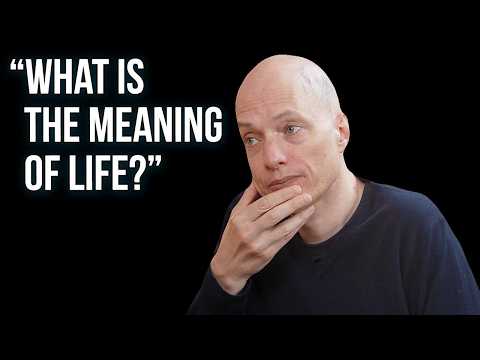
In Conversation: Alain de Botton on Great Company with Jamie Laing
0
林宜悉 posted on 2026/04/14Ever wondered about the meaning of life or how to deal with anxiety? In this fascinating chat, Alain de Botton shares his thoughts on finding great company and navigating ordinary life, offering some therapeutic advice along the way. You'll pick up advanced vocabulary and complex sentence structures while exploring deep topics like self-awareness and relationships!
Learn this video on the APP!
The VoiceTube App has more in-depth practice for videos!