
ailment
US /ˈelmənt/
UK /ˈeɪlmənt/
- Noun (Countable/Uncountable)
- An illness, especially a minor one
B2Morechop off
US /tʃɑp ɔf/
UK /tʃɔp ɔf/
- Phrasal Verb
- To remove something by cutting it with a sharp tool.
B2Morecompliment
US /ˈkɑmpləmənt/
UK /'kɒmplɪmənt/
- Noun (Countable/Uncountable)
- Remark saying someone looks nice, plays well, etc.
- A formal expression of respect or admiration.
- Transitive Verb
- To say someone looks nice, plays well, etc.
B2Morecreepy
US /'kri:pɪ/
UK /'kri:pɪ/
- Adjective
- Scary; annoying or unpleasant
B1Morecut off
US /kʌt ɔf/
UK /kʌt ɔf/
- Phrasal Verb
- To end a process, e.g. a phone call
- To cut the end of something
- Transitive Verb
- To isolate or prevent access to a place or person.
- To interrupt someone while they are speaking.
A1Moredehydrate
US /diˈhaɪˌdret/
UK /di:'haɪdreɪt/
- Transitive Verb
- To cause (skin, body) to lose water that is needed
C2Moredisappoint
US /ˌdɪsəˈpɔɪnt/
UK /ˌdɪsə'pɔɪnt/
- Transitive Verb
- To not meet the expectations of others or yourself
B1Moredistance
US /ˈdɪstəns/
UK /'dɪstəns/
- Uncountable Noun
- Lack of friendliness toward another person
- Noun (Countable/Uncountable)
- Amount of space between two places or things
- A point or place that is far away.
A2Moredocument
US /ˈdɑkjəmənt/
UK /'dɒkjʊmənt/
- Noun (Countable/Uncountable)
- Official (printed) record that gives information
- Transitive Verb
- To support an opinion with recorded evidence
A2TOEICMoreembarrassed
US /ɪmˈbærəst/
UK /ɪmˈbærəst/
- Transitive Verb
- To cause someone to feel ashamed
- Feeling awkward, self-conscious, or ashamed.
- Adjective
- Ashamed
- Showing signs of embarrassment.
A2Moreembarrassment
US /ɛmˈbærəsmənt/
UK /ɪmˈbærəsmənt/
- Uncountable Noun
- Shame you feel when you did something wrong
- A person, thing, or situation that causes someone to feel ashamed, self-conscious, or uncomfortable.
B1Moreeternity
US /ɪˈtə:nɪti/
UK /ɪ'tɜ:nətɪ/
- Uncountable Noun
- A very long time; forever
- The state or time that comes after death.
B2Moreexaggerate
US /ɪgˈzædʒəreɪt/
UK /ɪgˈzædʒəreɪt/
- Verb (Transitive/Intransitive)
- To makes things seem more extreme than reality
- To speak or write about something in a way that overemphasizes or magnifies its qualities.
B1TOEICMoreexpression
US /ɪkˈsprɛʃən/
UK /ɪk'spreʃn/
- Noun (Countable/Uncountable)
- Act of making your thoughts and feelings known
- Group of words that have a specific meaning
A2TOEICMorefor example
US
UK
- Phrase
- As an illustration or instance.
for now
US /fɔr naʊ/
UK /fɔ: nau/
- Phrase
- Temporarily; for the present time.
- In the short term; for the immediate future.
A1Morefor some reason
US /fɔr sʌm ˈrizən/
UK /fɔ: sʌm ˈri:zən/
- Phrase
- For a reason that is not known or not easily explained.
A1Moreformal
US / ˈfɔrməl/
UK /'fɔ:ml/
- Adjective
- Observing rules and procedures strictly
- Behaving well, politely; wearing your best clothes
A2TOEICMorego out
US /ɡo aʊt/
UK /ɡəu aut/
- Phrase
- To leave a building (e.g. a house)
- Phrasal Verb
- (Of a fire) to burn out; be extinguished
- Go out of fashion to stop being fashionable
A1Moregrandma
US /ˈɡrændˌmɑ,/
UK /ˈgrænmɑ:/
- Noun
- Mother of your father or mother
B2Morehang
US /hæŋ/
UK /hæŋ/
- Transitive Verb
- To attach a picture, photograph etc. onto a wall
- To kill by putting a rope around neck and dropping
- Intransitive Verb
- To float, move softly, or remain in the air
- To remain undecided, unsolved or unclear
A2Morehang out
US /hæŋ aʊt/
UK /hæŋ aut/
- Phrasal Verb
- To spend time with your friends
- To spend times with friends or relax doing nothing
A2Morehangover
US /ˈhæŋoʊvər/
UK /ˈhæŋəʊvə(r)/
- Noun
- Ill feeling from drinking too much alcohol
C1Morehave to
US /hæv tu/
UK /ˈhæv tə/
- Auxiliary Verb
- Must do
A1Moreheadache
US /ˈhed.eɪk/
UK /ˈhed.eɪk/
- Noun (Countable/Uncountable)
- Pain in the head
- Something that causes worry or annoyance.
B2Morehold on
US /hold ɑn/
UK /həuld ɔn/
- Phrasal Verb
- To wait for someone (e.g. on a phone call)
- To wait for a short time.
A1Morehome in
US /ˈhoʊm ɪn/
UK /ˈhəum ɪn/
- other
- Move or direct toward a specific target or goal.
B2Morehuge
US /hjudʒ/
UK /hju:dʒ/
- Adjective
- Very very large
A2Morehungry
US /ˈhʌŋɡri/
UK /ˈhʌŋgri/
- Adjective
- Feeling a need or want to eat food
- Feeling a need or want to eat food
B2Moreinstead of
US /ɪnˈstɛd ʌv/
UK /inˈsted ɔv/
- Preposition
- When one thing is replaced by another
- Adverb
- As a substitute or alternative.
A1Morekill me
US
UK
- Interjection
- An exaggerated expression of frustration or annoyance.
- Phrase
- A direct request to end one's life, often due to unbearable suffering.
A2Morelack
US /læk/
UK /læk/
- Verb (Transitive/Intransitive)
- To not have, or not have enough, of something
- Uncountable Noun
- The state of not having or not having enough of
A2TOEICMorelifetime
US /ˈlaɪfˌtaɪm/
UK /ˈlaɪftaɪm/
- Noun (Countable/Uncountable)
- The time between birth and death
- An opportunity that is unlikely to occur again.
- Adjective
- Lasting for the duration of someone's life or the existence of something.
B1Morelift
US /lɪft/
UK /lɪft/
- Noun
- Picking someone up in a car and taking to a place
- Machine carrying people up or down to other floors
- Transitive Verb
- To stop or cancel something, such as a rule
- To move something to higher position
A2Moreliteral
US /ˈlɪtərəl/
UK /ˈlɪtərəl/
- Adjective
- Being the basic exact meaning of a word/expression
- Being real and true and without exaggerating
B1Morelook at
US /lʊk æt/
UK /luk æt/
- Phrasal Verb
- To use your eyes to focus on something
- To focus your eyes on something carefully
A1Moremassive
US /ˈmæsɪv/
UK /ˈmæsɪv/
- Adjective
- Very big; large; too big
- Large or imposing in scale or scope.
B1Moremessy
US /ˈmɛsi/
UK /'mesɪ/
- Adjective
- Being complex or difficult to fix
- Being untidy or dirty
A2Morenah
US /nɑ:/
UK /nɑ:/
- Noun
- Way of saying 'No'
B2Moreof course
US /ʌv kɔː(r)s/
UK /ɔv kɔː(r)s/
- Adverb
- Sure ; Certainly
- Phrase
- For sure; certainly
A2Moreof means
US /ʌv minz/
UK /əv mi:nz/
- other
- Having resources or wealth available for use.
B2Moreon the road
US /ɑn ði rəʊd/
UK /ɔn ðə roʊd/
- Phrase
- Traveling, especially as part of a tour or journey.
- Making progress; advancing towards a goal.
- Idiom
- Making progress towards a goal or achievement.
A1Moreout there
US /aʊt ðɛr/
UK /aut ðɛə/
- Adverb
- In or to a place that is far away
- Existing in the universe
- Adjective
- Unconventional; strange; avant-garde
- Existing or available.
A1Morephd
US
UK
- Noun
- Advanced university degree; Doctor of Philosophy
C2Moreplatter
US
UK
- Countable Noun
- Large plate that holds several types of food
C1Morepronounce
US /prəˈnaʊns/
UK /prə'naʊns/
- Transitive Verb
- To state something in a legal or official way
- To give your opinion or decision about something
B1Morequantity
US /ˈkwɑntɪti/
UK /ˈkwɒntəti/
- Noun (Countable/Uncountable)
- A large amount of something
- Amount or number of something
A2TOEICMorerough
US /rʌf/
UK /rʌf/
- Adjective
- Causing or involving violence, force, and harm
- (Of situations) tough; difficult to get through
- Adverb
- In a manner that is difficult, or violent
A2Morescientific
US /ˌsaɪənˈtɪfɪk/
UK /ˌsaɪənˈtɪfɪk/
- Adjective
- Concerning academic study of the physical world
- Systematic and precise, following a methodology.
- Noun
- Relating to or used in science.
A2Moreslang
US /slæŋ/
UK /slæŋ/
- Uncountable Noun
- Words or phrases used in a very informal way
B1Moresnake
US /snek/
UK /sneɪk/
- Noun
- An animal with a long body, no arms or legs
- Intransitive Verb
- To move like a snake
- To wind in a long path like the shape of a snake
B1Morestarve
US /stɑ:rv/
UK /stɑ:v/
- Verb (Transitive/Intransitive)
- To (cause to) be hungry or go without food
- To need or desire very strongly
B1Moretalking about
US
UK
- Phrasal Verb
- To discuss a particular topic.
- To be constantly mentioning or bringing up a subject.
A1Moretiny
US /ˈtaɪni/
UK /'taɪnɪ/
- Adjective
- Very, very small
A2Moreto death
US /tu dɛθ/
UK /tu: deθ/
- Phrase
- Extremely; to a great degree
- Until death
B1Moretongue
US /tʌŋ/
UK /tʌŋ/
- Noun
- Long, thin part of (e.g. shoe under the laces)
- Meat from the mouth of an animal, cooked as food
- Transitive Verb
- To using your mouth to produce musical notes
- To use your mouth to touch something
A2Morevocabulary
US /voˈkæbjəˌlɛri/
UK /və'kæbjələrɪ/
- Uncountable Noun
- Words that have to do with a particular subject
- The words that a person knows
B1TOEICMorewake up
US /wek ʌp/
UK /weik ʌp/
- Phrasal Verb
- To stop sleeping
- To become fully aware and alert to a situation.
A1Morework to do
US
UK
- Phrase
- Tasks or activities that need to be accomplished.
- Obligations or responsibilities that require effort and attention.
A1More
Vocabulary
- have to: Must do
- work to do: Tasks or activities that need to be accomplished.
- out there: In or to a place that is far away
- for example: As an illustration or instance.
- look at: To use your eyes to focus on something
- of means: Having resources or wealth available for use.
- hold on: To wait for someone (e.g. on a phone call)
- instead of: When one thing is replaced by another
- home in: Move or direct toward a specific target or goal.
- on the road: Traveling, especially as part of a tour or journey.
- for some reason: For a reason that is not known or not easily explained.
- hang out: To spend time with your friends
- talking about: To discuss a particular topic.
- to death: Extremely; to a great degree
- go out: To leave a building (e.g. a house)
- wake up: To stop sleeping
- of course: Sure ; Certainly
- kill me: An exaggerated expression of frustration or annoyance.
- cut off: To end a process, e.g. a phone call
- for now: Temporarily; for the present time.
- chop off: To remove something by cutting it with a sharp tool.
- massive: Very big; large; too big
- expression: Act of making your thoughts and feelings known
- compliment: Remark saying someone looks nice, plays well, etc.
- exaggerate: To makes things seem more extreme than reality
- improve: To make, or become, something better
- vocabulary: Words that have to do with a particular subject
- common: Area in a city or town that is open to everyone
- creepy: Scary; annoying or unpleasant
- doubt: Not being sure of something; lack of certainty
- expect: To believe something is probably going to happen
- describe: To tell the appearance, sound, smell of something
- measure: Plan to achieve a desired result
- slang: Words or phrases used in a very informal way
- pronounce: To state something in a legal or official way
- lack: To not have, or not have enough, of something
- tongue: Long, thin part of (e.g. shoe under the laces)
- tiny: Very, very small
- messy: Being complex or difficult to fix
- rough: Causing or involving violence, force, and harm
- huge: Very very large
- embarrassed: To cause someone to feel ashamed
- scientific: Concerning academic study of the physical world
- literal: Being the basic exact meaning of a word/expression
- hangover: Ill feeling from drinking too much alcohol
- distance: Lack of friendliness toward another person
- lift: Picking someone up in a car and taking to a place
- hang: To attach a picture, photograph etc. onto a wall
- quantity: A large amount of something
- formal: Observing rules and procedures strictly
- eternity: A very long time; forever
- document: Official (printed) record that gives information
- lot: What happens to a person in life from chance; fate
- kind: In a caring and helpful manner
- pain: Strong feeling of hurt or discomfort
- starve: To (cause to) be hungry or go without food
- catch: Amount of something that has been caught
- pound: The # key on a keyboard
- ailment: An illness, especially a minor one
- work: The product of some artistic or literary endeavor
- embarrassment: Shame you feel when you did something wrong
- lifetime: The time between birth and death
- time: Speed at which music is played; tempo
- full: Containing all the parts; complete
- people: Persons sharing culture, country, background, etc.
- disappoint: To not meet the expectations of others or yourself
- headache: Pain in the head
- dehydrate: To cause (skin, body) to lose water that is needed
- platter: Large plate that holds several types of food
- hungry: Feeling a need or want to eat food
- snake: An animal with a long body, no arms or legs
- nah: Way of saying 'No'
- phd: Advanced university degree; Doctor of Philosophy
- grandma: Mother of your father or mother
Get the full experience in the app
Learn anywhere with detailed sentence and usage analysis
01:03
She took a brave step forward, leaving behind her comfort zone to chase her dreams.
Vocabulary
- brave
adj. Having courage
- comfort zone
phr. A familiar situation where one feels safe
Explanation
a brave step is a noun phrase, where brave is an adjective modifying the noun step, meaning "a courageous step".
forward is an adverb modifying step, meaning "ahead".
The whole phrase serves as the object, answering the "what" of took (verb) — she took a brave step forward.
Get the full experience in the app
Look up words anytime with pronunciation, part of speech, and usage
brave
US/brev/
UK/breɪv/
adj.Brave
v.t.To bravely face
A2 Elementary
Get the full experience in the app
Practice speaking anytime and get instant pronunciation feedback
Try this speaking exercise.
Try practicing with this sentence.
80
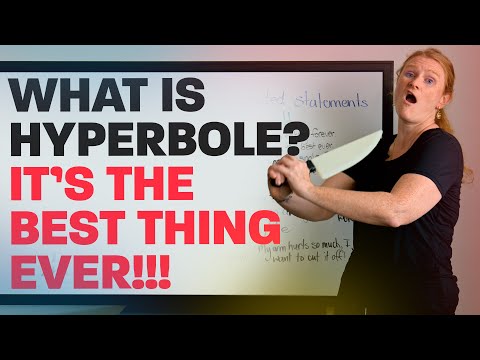
Have natural and DRAMATIC conversations by using HYPERBOLE!
0
林宜悉 posted on 2026/04/11Want to sound more dramatic and hilarious in English? This video dives into hyperbole, showing you how to use fun exaggerations like 'I'm starving!' or 'It's a million degrees!' to make your conversations pop and boost your vocabulary!
Learn this video on the APP!
The VoiceTube App has more in-depth practice for videos!