
achieve
US /əˈtʃiv/
UK /ə'tʃi:v/
- Transitive Verb
- To succeed in doing good, usually by working hard
- To succeed in reaching a particular goal, status, or standard, often after effort or perseverance.
A2TOEICMoread
US /æd/
UK /æd/
- Noun (Countable/Uncountable)
- Public notice or advertisement
C2TOEICMoreaggression
US /əˈɡrɛʃən/
UK /əˈgreʃn/
- Uncountable Noun
- Use of energy and determination to achieve a goal
- Hostile or violent behavior or attitudes toward another; readiness to attack or confront.
B1Moreanti
US /ˈæntaɪ, -ti/
UK /'æntɪ/
- Adjective
- A prefix meaning 'against' or 'opposed'
B2Moreattempt
US /əˈtɛmpt/
UK /ə'tempt/
- Verb (Transitive/Intransitive)
- To try to do something challenging or difficult
- Noun
- Effort made to try to do or accomplish something
A2TOEICMorebinary
US /ˈbaɪnəri/
UK /ˈbaɪnəri/
- Adjective
- Having two parts; using only 2 numbers, 1 and 0
- Noun
- Mathematical language using only one and zero
B2Morecause
US /kɔz/
UK /kɔ:z/
- Noun
- Belief, goal or organization that people support
- Reason for
- Transitive Verb
- To make something happen; create effect or result
A2Morecharacter
US /ˈkærəktɚ/
UK /'kærəktə(r)/
- Noun
- Person in a story, movie or play
- Writing symbols, e.g. alphabet or Chinese writing
A2Morecirculatory
US /ˈsɜ:rkjələtɔ:ri/
UK /ˌsɜ:kjəˈleɪtəri/
- Adjective
- Concerning the movement of blood through the body
B1Moreclinical
US /ˈklɪnɪkəl/
UK /ˈklɪnɪkl/
- Adjective
- Concerning the treatment or observing patients
- Using scientific techniques and precision
B1Moreclinically
US /'klɪnɪklɪ/
UK /'klɪnɪklɪ/
- Adverb
- With respect to treating and observing patients
B1Morecognition
US /kɑ:gˈnɪʃn/
UK /kɒgˈnɪʃn/
- Uncountable Noun
- Recognition involved in thought processing
C1Morecombat
US /kəmˈbæt, ˈkɑmˌbæt/
UK /'kɒmbæt/
- Verb (Transitive/Intransitive)
- To fight someone or something physically
B1Morecouch
US /kaʊtʃ/
UK /kaʊtʃ/
- Transitive Verb
- To formulate in a particular style or language
- Noun (Countable/Uncountable)
- Sofa; settee
B1Morecountless
US /ˈkaʊntlɪs/
UK /ˈkaʊntləs/
- Adjective
- Being too many to be numbered or imagined
B1Morecure
US /kjʊr/
UK /kjʊə(r)/
- Noun
- Something that solves a problem or makes it better
- Medical treatment making a sick person healthy
- Transitive Verb
- To fix or improve a problem
- To make someone healthy or make a disease go away
B1Moredetermine
US /dɪˈtɚmɪn/
UK /dɪ'tɜ:mɪn/
- Transitive Verb
- To control exactly how something will be or act
- To establish the facts about; discover
A2TOEICMoredigest
US /daɪˈdʒest/
UK /daɪˈdʒest/
- Verb (Transitive/Intransitive)
- To convert food into energy in your stomach
- To think over facts, news etc.; take in information
- Noun
- A summary, as of the news
B2Moredisease
US /dɪˈziz/
UK /dɪˈzi:z/
- Noun (Countable/Uncountable)
- Illness that affects a person, animal, or plant
- A disorder of structure or function in a plant, especially one caused by a pathogen.
- Transitive Verb
- To affect with disease; to corrupt or sicken.
A2TOEICMoredisorder
US /dɪsˈɔrdɚ/
UK /dɪs'ɔ:də(r)/
- Uncountable Noun
- State of confusion or a lack of organization
- Illness when the body is not functioning well
- Transitive Verb
- To disrupt the order or arrangement of something.
B2Moreepilepsy
US /'epɪlepsɪ/
UK /'epɪlepsɪ/
- Noun
- Medical condition involving fits or seizures
C1Moreexplore
US /ɪkˈsplɔr/
UK /ɪk'splɔ:(r)/
- Transitive Verb
- To examine something in detail to learn about it
- To travel to a place to discover more about it
A2TOEICMorefascination
US /ˌfæsəˈneʃən/
UK /ˌfæsɪˈneɪʃn/
- Uncountable Noun
- Quality that attracts attention
- The state of being fascinated
- Countable Noun
- A thing that fascinates
B1Morefor certain
US /fɔr ˈsɚtn/
UK /fɔ: ˈsə:tn/
- Idiom
- Definitely; without a doubt.
- Phrase
- Without any doubt; definitely.
for instance
US /fɔr ˈɪnstəns/
UK /fɔ: ˈinstəns/
- Adverb
- As an example.
- Phrase
- As an example.
- As an illustration or case in point
B1Morehungry
US /ˈhʌŋɡri/
UK /ˈhʌŋgri/
- Adjective
- Feeling a need or want to eat food
- Feeling a need or want to eat food
B2Moreillness
US /ˈɪlnɪs/
UK /ˈɪlnəs/
- Uncountable Noun
- Unhealthy condition of the mind or body
- A particular instance or type of disease.
A2Moreinstance
US /ˈɪnstəns/
UK /'ɪnstəns/
- Noun (Countable/Uncountable)
- An example of something; case
- An occurrence of something.
- Transitive Verb
- To give as an example of something else
A2TOEICMoreiron
US /ˈaɪərn/
UK /ˈaɪən/
- Noun (Countable/Uncountable)
- Heavy metal device heated to smooth clothes
- Golf club with a metal head
- Transitive Verb
- To use a hot flat-based machine to smooth clothes
B1Morelive for
US /liv fɔr/
UK /liv fɔ:/
- Phrasal Verb
- To consider something the most important thing in your life; to find purpose or great pleasure in something.
A1Moremimic
US /ˈmɪmɪk/
UK /'mɪmɪk/
- Countable Noun
- Someone who tries to act like another person
- Transitive Verb
- To copy a person's words/actions to amuse people
B2Moremyth
US /mɪθ/
UK /mɪθ/
- Noun (Countable/Uncountable)
- Popular belief that is false, unsupported by fact
- Famous story dealing with origins of a culture
B1Moreoccur
US /əˈkɚ/
UK /əˈkɜ:(r)/
- Intransitive Verb
- To come to pass or to happen
- To be found to exist; to be present.
A2TOEICMoreof course
US /ʌv kɔː(r)s/
UK /ɔv kɔː(r)s/
- Adverb
- Sure ; Certainly
- Phrase
- For sure; certainly
A2Moreon the couch
US /ɑn ðə kaʊtʃ/
UK /ɒn ðə kaʊtʃ/
- other
- Receiving psychotherapy or psychological treatment.
B1Morepatient
US /ˈpeʃənt/
UK /'peɪʃnt/
- Adjective
- Not getting annoyed when things take a long time
- Bearing or enduring pain or trials without complaint; exhibiting forbearance.
- Countable Noun
- Person who receives medical treatment or care
A2Moreplasma
US /ˈplæzmə/
UK /ˈplæzmə/
- Uncountable Noun
- Substance in which the blood cells are carried
- Gas-like substance with little electric charge
B2Morepsychiatric
US
UK
- Adjective
- Concerning the treatment of the mind
B2Morerare
US /rɛr/
UK /reə(r)/
- Adjective
- (Of meat) cooked, but still red and juicy
- Unusual or out of the ordinary; not common
A2Morerefer
US /rɪˈfɚ/
UK /rɪ'fɜ:(r)/
- Verb (Transitive/Intransitive)
- To talk about or write about something
- To give information about something
A2TOEICMorerelate
US /rɪˈlet/
UK /rɪ'leɪt/
- Transitive Verb
- To demonstrate a logical relationship between
- To understand or sympathize with, e.g. a problem
A2TOEICMorereligion
US /rɪˈlɪdʒən/
UK /rɪˈlɪdʒən/
- Countable Noun
- Organized set of beliefs about a god or gods
- Noun (Countable/Uncountable)
- Belief in God or gods that governs people's lives
- A person's particular system of beliefs and worship.
A2Morereversal
US /rɪˈvə:səl/
UK /rɪˈvɜ:səl/
- Noun
- Change to the opposite, often from good to bad
B1Moresyndrome
US /ˈsɪnˌdrom/
UK /'sɪndrəʊm/
- Noun
- A group of signs and symptoms of a disease
B1Moretestimony
US /ˈtɛstəˌmoni/
UK /'testɪmənɪ/
- Noun
- Public statement of personal religious experiences
- Statement of evidence in court
C1Moretoxic
US /ˈtɑksɪk/
UK /ˈtɒksɪk/
- Adjective
- Poisonous; harmful
- (Of relationships) harmful; causing conflict
B2Moretrailer
US /ˈtrelɚ/
UK /'treɪlə(r)/
- Noun (Countable/Uncountable)
- Advertisement of short scenes from a movie
- Vehicle pulled by a truck/car to transport things
C2Moretransfusion
US /trænsˈfjuʒən/
UK /trænsˈfju:ʒn/
- Noun
- Act of putting someone else's blood into a patient
C2Moreunderway
US /ˌʌndɚˈwe/
UK /ˌʌndəˈweɪ/
- Adverb
- Happening now
B2TOEICMoreunpleasant
US /ʌnˈplɛzənt/
UK /ʌnˈpleznt/
- Adjective
- Causing a bad feeling in people
- Disagreeable or offensive in behavior or manner.
B1Moreused to
US /juzd tu/
UK /ˈju:st tə/
- Adjective
- Did regularly before, but don't do now
- Auxiliary Verb
- Have done before, but do not do now
A1Morevampire
US /ˈvæmˌpaɪr/
UK /ˈvæmpaɪə(r)/
- Countable Noun
- Bloodsucking dead person who bites neck of victim
B2Moreyoung blood
US
UK
- Uncountable Noun
- New members or employees, especially young ones, who bring energy and fresh ideas to an organization.
- Youthful energy, enthusiasm, or vigor.
A2More
Vocabulary
- for instance: As an example.
- of course: Sure ; Certainly
- for certain: Definitely; without a doubt.
- used to: Did regularly before, but don't do now
- young blood: New members or employees, especially young ones, who bring energy and fresh ideas to an organization.
- on the couch: Receiving psychotherapy or psychological treatment.
- live for: To consider something the most important thing in your life; to find purpose or great pleasure in something.
- evidence: Factual proof that helps to establish the truth
- improve: To make, or become, something better
- determine: To control exactly how something will be or act
- disorder: State of confusion or a lack of organization
- instance: An example of something; case
- character: Person in a story, movie or play
- attempt: To try to do something challenging or difficult
- develop: To explain something in steps and in detail
- achieve: To succeed in doing good, usually by working hard
- disease: Illness that affects a person, animal, or plant
- combat: To fight someone or something physically
- explore: To examine something in detail to learn about it
- toxic: Poisonous; harmful
- mimic: Someone who tries to act like another person
- myth: Popular belief that is false, unsupported by fact
- occur: To come to pass or to happen
- rare: (Of meat) cooked, but still red and juicy
- syndrome: A group of signs and symptoms of a disease
- cause: Belief, goal or organization that people support
- religion: Organized set of beliefs about a god or gods
- refer: To talk about or write about something
- digest: To convert food into energy in your stomach
- apply: To spread a substance or liquid over a surface
- illness: Unhealthy condition of the mind or body
- pretty: Being attractive to the eye in a simple way
- lead: Wire for electricity, computer, etc.; cable
- click: To work well with someone or something
- relate: To demonstrate a logical relationship between
- clinical: Concerning the treatment or observing patients
- patient: Not getting annoyed when things take a long time
- cure: Something that solves a problem or makes it better
- belief: Being sure that something exists or is true
- noggin: A human head
- countless: Being too many to be numbered or imagined
- aggression: Use of energy and determination to achieve a goal
- lot: What happens to a person in life from chance; fate
- fascination: Quality that attracts attention
- trailer: Advertisement of short scenes from a movie
- couch: To formulate in a particular style or language
- psychiatric: Concerning the treatment of the mind
- unpleasant: Causing a bad feeling in people
- cognition: Recognition involved in thought processing
- testimony: Public statement of personal religious experiences
- find: To become aware of something that is happening
- binary: Having two parts; using only 2 numbers, 1 and 0
- plasma: Substance in which the blood cells are carried
- real: Actually existing or happening, not imagined
- epilepsy: Medical condition involving fits or seizures
- life: All the living things e.g. animals, plants, humans
- underway: Happening now
- human: A person; a man, woman or child
- iron: Heavy metal device heated to smooth clothes
- believe: To think or accept that something is true
- anti: A prefix meaning 'against' or 'opposed'
- circulatory: Concerning the movement of blood through the body
- vampire: Bloodsucking dead person who bites neck of victim
- clinically: With respect to treating and observing patients
- reversal: Change to the opposite, often from good to bad
- transfusion: Act of putting someone else's blood into a patient
- hungry: Feeling a need or want to eat food
- ad: Public notice or advertisement
Get the full experience in the app
Learn anywhere with detailed sentence and usage analysis
01:03
She took a brave step forward, leaving behind her comfort zone to chase her dreams.
Vocabulary
- brave
adj. Having courage
- comfort zone
phr. A familiar situation where one feels safe
Explanation
a brave step is a noun phrase, where brave is an adjective modifying the noun step, meaning "a courageous step".
forward is an adverb modifying step, meaning "ahead".
The whole phrase serves as the object, answering the "what" of took (verb) — she took a brave step forward.
Get the full experience in the app
Look up words anytime with pronunciation, part of speech, and usage
brave
US/brev/
UK/breɪv/
adj.Brave
v.t.To bravely face
A2 Elementary
Get the full experience in the app
Practice speaking anytime and get instant pronunciation feedback
Try this speaking exercise.
Try practicing with this sentence.
80
0
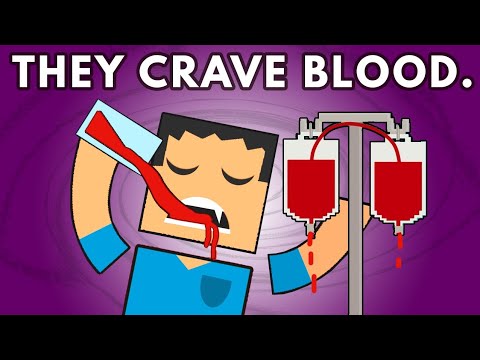
林宜悉 posted on 2026/04/10Ever wondered about the real-life science behind vampires and blood? This video dives into the fascinating history of humans using blood to cure illnesses, exploring everything from ancient beliefs to modern scientific discoveries like blood transfusions and anti-aging research. You'll pick up some cool vocabulary about blood, disease, and scientific breakthroughs!
Learn this video on the APP!
The VoiceTube App has more in-depth practice for videos!