
absorb
US /əbˈsɔrb, -ˈzɔrb/
UK /əb'sɔ:b/
- Transitive Verb
- To take up all attention / energy of something
- To take in a liquid; soak up
B1TOEICMoreadmit
US /ædˈmɪt/
UK /əd'mɪt/
- Transitive Verb
- To acknowledge that something is true or right
- To allow someone to enter
A2TOEICMoreafter all
US /ˈæftɚ ɔl/
UK /ˈɑ:ftə ɔ:l/
- Adverb
- In spite of what was expected; used to introduce a statement that supports a previous statement or explains why it was made
- Considering everything; used to indicate that something is happening or is true despite some difficulty or obstacle
- Phrase
- Despite what was expected or thought; in spite of everything.
- Taking everything into consideration; considering that.
B1Moreas one
US
UK
- Adverb
- Acting or moving together at the same time.
- In complete agreement or unity.
- Phrase
- With a single voice or opinion; unanimously.
- In perfect harmony or unison.
A1Moreas well as
US /æz wɛl æz/
UK /æz wel æz/
- Adverb
- Also; in addition to
- Preposition
- In addition to; and also.
A1Moreashamed
US /əˈʃemd/
UK /ə'ʃeɪmd/
- Adjective
- Feeling of shame or guilt
- Causing someone to feel shame.
A2Moreattention
US /əˈtɛnʃən/
UK /əˈtenʃn/
- Noun (Countable/Uncountable)
- Taking notice of someone or something
- Noun
- (Soldiers) Standing with straight backs
A2TOEICMoreaudio
US /ˈɔ:dioʊ/
UK /ˈɔ:diəʊ/
- Adjective
- Concerning sound
- Uncountable Noun
- Sound, especially when recorded or transmitted.
B2TOEICMoreback into
US /bæk ˈɪntu/
UK /bæk ˈɪntuː/
- Phrasal Verb
- To drive a vehicle backwards into a space or area.
- To accidentally collide with something while moving backwards.
A1Moreballoon
US /bəˈlun/
UK /bəˈlu:n/
- Countable Noun
- Thin bag of rubber filled with air, used as a toy
- Large air-filled bag to carry people into the air
- Verb (Transitive/Intransitive)
- To grow larger quickly; spring up suddenly
- To travel in a large balloon
B1Morecalm
US /kɑm/
UK /kɑ:m/
- Adjective
- Without wind or storm; quiet; peaceful
- Relaxed and not worried or angry
- Verb (Transitive/Intransitive)
- To make or become relaxed and not worried or angry
A2Morecement
US /sɪˈmɛnt/
UK /sɪ'ment/
- Uncountable Noun
- Building material made from gray powder, water
- Transitive Verb
- To bind or hold together strongly
- To make something more stable or stronger
B1Morechamber
US /ˈtʃembɚ/
UK /'tʃeɪmbə(r)/
- Countable Noun
- Enclosed space that contains something
- Large room that is used for official meetings
B1TOEICMorecheck out
US /tʃɛk aʊt/
UK /tʃek aut/
- Phrase
- Phrasal Verb
- To find out information about something
- To take books out of a library
A1Moreclap
US /klæp/
UK /klæp/
- Verb (Transitive/Intransitive)
- To make loud sounds by striking the hands together
- Noun
- A loud sound made by striking your hands together
B1Morecoming over
US
UK
- Phrasal Verb
- To change sides in a discussion
- To visit someone's home
A1Moreconcentrate
US /ˈkɑnsənˌtret/
UK /'kɒnsntreɪt/
- Verb (Transitive/Intransitive)
- To cause to be present in large amount or number
- To pay great attention to a task; focus
- Noun (Countable/Uncountable)
- A substance made by removing water or other diluents; a concentrated form of something.
A2Moredistribution
US /ˌdɪstrəˈbjuʃən/
UK /ˌdɪstrɪˈbju:ʃn/
- Noun (Countable/Uncountable)
- Dividing or spreading out to others
- Act of sending products to stores to sell
- Adjective
- Sending products to stores to sell
B1Moredread
US /drɛd/
UK /dred/
- Verb (Transitive/Intransitive)
- To await with great fear
B2Moreecho
US /'ekoʊ/
UK /'ekəʊ/
- Intransitive Verb
- (Of a place) to be filled with repeating sounds
- (Of a sound) to be repeated
- Noun (Countable/Uncountable)
- Repetition of sounds after bouncing off something
- A repetition of events or circumstances
B1Moreenergy
US /ˈɛnədʒi/
UK /'enədʒɪ/
- Noun (Countable/Uncountable)
- Physical or mental strength
- Enthusiasm and determination.
A2Moreenhance
US /ɛnˈhæns/
UK /ɪn'hɑ:ns/
- Transitive Verb
- To improve; make bigger or better
B1TOEICMorefascinating
US /ˈfæsəˌnetɪŋ/
UK /ˈfæsɪneɪtɪŋ/
- Transitive Verb
- To attract or interest greatly
- To hold someone captive with a gaze or other means.
- Adjective
- Having your attention fixated as though by a spell
B1Morefeel like
US
UK
- Intransitive Verb
- To have a desire or inclination for something.
- To have a particular quality or sensation; resemble.
A1Morefor long
US
UK
- Phrase
- For a considerable period of time.
- For a significant duration in the future.
A1Morefor some reason
US /fɔr sʌm ˈrizən/
UK /fɔ: sʌm ˈri:zən/
- Phrase
- For a reason that is not known or not easily explained.
A1Morefor the sake of
US /fɔr ði sek ʌv/
UK /fɔ: ðə seik ɔv/
- Phrase
- For the purpose of; in the interest of.
A1Morefreaky
US /ˈfriki/
UK /'fri:kɪ/
- Adjective
- Strange and somewhat frightening
- Causing feelings of fear and disgust; unpleasant
C2Moreget here
US
UK
- Intransitive Verb
- To arrive at a specific location.
A1Moregot to
US /ɡɑt tu/
UK /gɔt tu:/
- Verb (Transitive/Intransitive)
- To arrive at some place
- To have the opportunity or permission to do something
- Phrasal Verb
- To appeal to the emotions of; move
- To finally begin to start something after a delay
A1Morehear things
US /hɪr θɪŋz/
UK /hɪə θɪŋz/
- other
- To imagine hearing sounds or voices that are not real.
B1Morein fact
US /ɪn fækt/
UK /in fækt/
- Adverb
- Used to emphasize the truth of a statement, especially one that contrasts with or contradicts something else.
- Used to introduce a more detailed or surprising piece of information.
- Phrase
- Used to emphasize the truth of a statement, especially one that is surprising or contrary to what might be expected.
C1Morein order to
US /ɪn ˈɔrdɚ tu/
UK /in ˈɔ:də tu:/
- Preposition
- For the purpose of; with the aim of.
- Phrase
- In a specific sequence or arrangement.
- With the aim of; for the purpose of.
C1Morein plain sight
US /ɪn plen saɪt/
UK /in plein sait/
- Phrase
- Easily visible; not hidden.
in shock
US
UK
- Phrase
- When not enough blood flows round the body
A2Morein the world
US /ɪn ði wɜrld/
UK /in ðə wɜː(r)ld/
- Phrase
- Used to emphasize a question expressing surprise, confusion, disbelief
- Used to indicate the extent or degree of something, often in a superlative sense
A1Morein tune
US /ɪn tun/
UK /in tju:n/
- Phrase
- Agreeing in pitch; agreeing in opinion
A2Moreinnovation
US /ˌɪnəˈveʃən/
UK /ˌɪnəˈveɪʃn/
- Uncountable Noun
- Process of creating new ideas or inventions
- A new thing or method that is introduced.
B1TOEICMoreinstead of
US /ɪnˈstɛd ʌv/
UK /inˈsted ɔv/
- Preposition
- When one thing is replaced by another
- Adverb
- As a substitute or alternative.
A1Moreinterfere
US /ˌɪntɚˈfɪr/
UK /ˌɪntə'fɪə(r)/
- Intransitive Verb
- To get involved in something not your business
- Transitive Verb
- To prevent a process or activity from continuing or being carried out properly.
B1TOEICMorelight on
US /laɪt ɑn/
UK /lait ɔn/
- Phrasal Verb
- To illuminate something.
- To discover something unexpectedly.
- Adjective
- Gentle or delicate in the use of something.
A1Moreliterally
US /ˈlɪtərəli/
UK
- Adverb
- In a literal manner or sense; exactly as stated.
- Used for emphasis to describe something that is actually true, often to highlight surprise or intensity.
B1Moremuddle
US /ˈmʌdl:/
UK /'mʌdl/
- Transitive Verb
- To cause confusion through interference
- Noun (Countable/Uncountable)
- A confused or disordered state; a mess.
B2Moreno matter
US
UK
- Conjunction
- Regardless of; it does not matter.
- Adverb
- Regardless of; it is not important
A1Moreof course
US /ʌv kɔː(r)s/
UK /ɔv kɔː(r)s/
- Adverb
- Sure ; Certainly
- Phrase
- For sure; certainly
A2Moreon a daily basis
US
UK
- Phrase
- Happening every day.
A1Moreon earth
US /ɑn ɚθ/
UK /ɔn ə:θ/
- Phrase
- Used to emphasize a question expressing surprise or anger.
- Used to emphasize that something is not possible or will not happen.
A1Moreon to
US /ɑn tu/
UK /ɔn tu:/
- Preposition
- Toward something; forward
- Aware of someone's activities.
- Adjective
- Aware of someone's deception or illegal activities.
A1Moreoverly
US /ˈoʊvərli/
UK /ˈəʊvəli/
- Adverb
- To a degree exceeding normal or proper limits
B2Morepanel
US /ˈpænəl/
UK /'pænl/
- Noun (Countable/Uncountable)
- Group who answer questions or give opinions
- Flat surface with controls and switches
- Transitive Verb
- To cover a wall with thin pieces of wood
A2TOEICMorepeaceful
US /ˈpisfəl/
UK /ˈpi:sfl/
- Adjective
- In a calm and quiet state
- Being unlikely or unwilling to act violently
B1Moreperception
US /pɚˈsɛpʃən/
UK /pəˈsepʃn/
- Noun (Countable/Uncountable)
- Way in which one sees or understands something
- The ability to see, hear, or become aware of something through the senses.
B1Morepressure
US /ˈprɛʃɚ/
UK /'preʃə(r)/
- Noun (Countable/Uncountable)
- Anxiety caused by difficult problems
- Force, weight when pressing against a thing
- Transitive Verb
- To apply force to something
- To persuade or force someone to do something
A2TOEICMorereach
US /ritʃ/
UK /ri:tʃ/
- Verb (Transitive/Intransitive)
- To come to or arrive at a goal or destination
- To be long enough to get to a certain place
- Uncountable Noun
- Power or control someone has over something
A2TOEICMorereflect
US /rɪˈflɛkt/
UK /rɪ'flekt/
- Verb (Transitive/Intransitive)
- To indicate or be a sign of something
- To bounce back light, heat, sound from a surface
A2TOEICMoresake
US /sek/
UK /seɪk/
- Uncountable Noun
- Japanese rice wine
- Noun
- Interest or benefit of someone or something
A2Morescience
US /ˈsaɪəns/
UK /'saɪəns/
- Uncountable Noun
- Study of the physical world, based on facts
A2TOEICMoresilence
US /ˈsaɪləns/
UK /'saɪləns/
- Uncountable Noun
- State of being quiet and not talking for a time
- When there is not sound or noise; complete quiet
- Transitive Verb
- To stop the noise that something is making
- To prevent someone from expressing thoughts
A2Moresit down
US /sit daʊn/
UK /sit daun/
- Phrasal Verb
- To take a seat
A1Moresource
US /sɔrs, sors/
UK /sɔ:s/
- Noun (Countable/Uncountable)
- Piece of information; a person giving information
- Place from which something necessary comes
- Adjective
- Produces or provides what is wanted or needed
A2TOEICMoresuffocate
US /ˈsʌfəˌket/
UK /ˈsʌfəkeɪt/
- Transitive Verb
- To (cause to) die from lack of air to breathe
- To stop a thing developing, e.g. by too many rules
C1TOEICMoresurvive
US /sɚˈvaɪv/
UK /sə'vaɪv/
- Intransitive Verb
- To continue to live despite illness or trouble
A2TOEICMoreturn off
US
UK
- Phrasal Verb
- To make someone feel negatively about something
A1Moreused to
US /juzd tu/
UK /ˈju:st tə/
- Adjective
- Did regularly before, but don't do now
- Auxiliary Verb
- Have done before, but do not do now
A1Morewalk away
US /wɔk əˈwe/
UK /wɔ:k əˈwei/
- Phrasal Verb
- To leave a situation, especially a difficult or unpleasant one.
- To choose not to be involved in something.
A1Morewalk away from
US /wɔk əˈwe frʌm/
UK /wɔ:k əˈwei frɔm/
- Phrasal Verb
- To leave a situation or relationship, especially when it is difficult or unpleasant.
A2Morewant in
US
UK
- Intransitive Verb
- To desire to participate or be included in something.
A1Moreweird
US /wɪrd/
UK /wɪəd/
- Adjective
- Odd or unusual; surprising; strange
- Eerily strange or disturbing.
B1Morewhoa
US /woʊ/
UK /wəʊ/
- Interjection
- Tell someone to do something more slowly
- An exclamation of surprise, amazement, or shock.
C1More
Vocabulary
- in the world: Used to emphasize a question expressing surprise, confusion, disbelief
- after all: In spite of what was expected; used to introduce a statement that supports a previous statement or explains why it was made
- got to: To arrive at some place
- feel like: To have a desire or inclination for something.
- as one: Acting or moving together at the same time.
- as well as: Also; in addition to
- of course: Sure ; Certainly
- for the sake of: For the purpose of; in the interest of.
- for long: For a considerable period of time.
- instead of: When one thing is replaced by another
- back into: To drive a vehicle backwards into a space or area.
- want in: To desire to participate or be included in something.
- in shock: When not enough blood flows round the body
- walk away from: To leave a situation or relationship, especially when it is difficult or unpleasant.
- get here: To arrive at a specific location.
- walk away: To leave a situation, especially a difficult or unpleasant one.
- no matter: Regardless of; it does not matter.
- for some reason: For a reason that is not known or not easily explained.
- coming over: To change sides in a discussion
- used to: Did regularly before, but don't do now
- in tune: Agreeing in pitch; agreeing in opinion
- turn off
- sit down: To take a seat
- in order to: For the purpose of; with the aim of.
- hear things: To imagine hearing sounds or voices that are not real.
- light on: To illuminate something.
- on to: Toward something; forward
- in fact: Used to emphasize the truth of a statement, especially one that contrasts with or contradicts something else.
- on earth: Used to emphasize a question expressing surprise or anger.
- on a daily basis: Happening every day.
- in plain sight: Easily visible; not hidden.
- check out
- literally: In a literal manner or sense; exactly as stated.
- weird: Odd or unusual; surprising; strange
- perception: Way in which one sees or understands something
- fascinating: To attract or interest greatly
- realize: To become aware of or understand mentally
- experience: Thing a person has done or that happened to them
- immediately: Without any delay; straight away
- interfere: To get involved in something not your business
- dread: To await with great fear
- amount: Quantity of something
- admit: To acknowledge that something is true or right
- pressure: Anxiety caused by difficult problems
- concentrate: To cause to be present in large amount or number
- reflect: To indicate or be a sign of something
- calm: Without wind or storm; quiet; peaceful
- absorb: To take up all attention / energy of something
- brain: To strike someone forcefully on the head
- innovation: Process of creating new ideas or inventions
- reach: To come to or arrive at a goal or destination
- state: Region within a country, with its own government
- sake: Japanese rice wine
- attention: Taking notice of someone or something
- plain: Obvious; clearly so, true
- pretty: Being attractive to the eye in a simple way
- survive: To continue to live despite illness or trouble
- ashamed: Feeling of shame or guilt
- panel: Group who answer questions or give opinions
- silence: State of being quiet and not talking for a time
- enhance: To improve; make bigger or better
- mind: To be bothered or upset by something
- chamber: Enclosed space that contains something
- energy: Physical or mental strength
- source: Piece of information; a person giving information
- haven: Place where people can feel safe and happy
- cement: Building material made from gray powder, water
- distribution: Dividing or spreading out to others
- science: Study of the physical world, based on facts
- sound: Sensible, dependable and reliable
- kind: In a caring and helpful manner
- fact: Something that is known or proved to be true
- overly: To a degree exceeding normal or proper limits
- audio: Concerning sound
- head: To hit a ball with your head in a game
- afraid: Worried that something bad will happen; scared
- suffocate: To (cause to) die from lack of air to breathe
- echo: (Of a place) to be filled with repeating sounds
- muddle: To cause confusion through interference
- balloon: Thin bag of rubber filled with air, used as a toy
- freaky: Strange and somewhat frightening
- peaceful: In a calm and quiet state
- clap: To make loud sounds by striking the hands together
- whoa: Tell someone to do something more slowly
Get the full experience in the app
Learn anywhere with detailed sentence and usage analysis
01:03
She took a brave step forward, leaving behind her comfort zone to chase her dreams.
Vocabulary
- brave
adj. Having courage
- comfort zone
phr. A familiar situation where one feels safe
Explanation
a brave step is a noun phrase, where brave is an adjective modifying the noun step, meaning "a courageous step".
forward is an adverb modifying step, meaning "ahead".
The whole phrase serves as the object, answering the "what" of took (verb) — she took a brave step forward.
Get the full experience in the app
Look up words anytime with pronunciation, part of speech, and usage
brave
US/brev/
UK/breɪv/
adj.Brave
v.t.To bravely face
A2 Elementary
Get the full experience in the app
Practice speaking anytime and get instant pronunciation feedback
Try this speaking exercise.
Try practicing with this sentence.
80
0
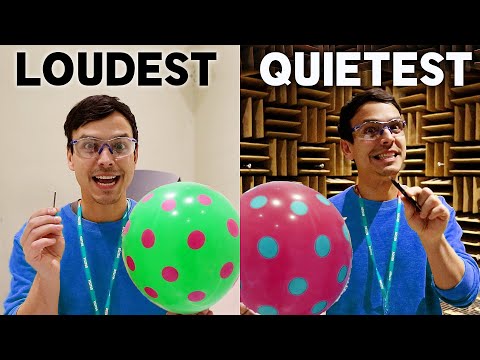
林宜悉 posted on 2026/04/08Ever wondered what absolute silence or deafening noise feels like? Dive into the world's loudest and quietest rooms and experience sensory deprivation like never before! You'll pick up some cool advanced vocabulary related to acoustics and sound while learning about fascinating 3M innovations.
Learn this video on the APP!
The VoiceTube App has more in-depth practice for videos!