
almost all of
US
UK
- Determiner
- Nearly the entire quantity or number of something.
- Pronoun
- Nearly every person in a group.
A1Morealong with
US /əˈlɔŋ wɪð/
UK /əˈlɔŋ wið/
- Preposition
- In addition to; together with.
- Adverb
- In company or together with someone or something.
- Including; in addition to.
A2Moreapparently
US /əˈpærəntlɪ/
UK /əˈpærəntli/
- Adverb
- According to what you heard; from what can be seen
A2TOEICMoreas soon as
US /æz sun æz/
UK /æz su:n æz/
- Phrase
- In a short time after (something happens)
- Without any delay; immediately
- Conjunction
- At the moment that, or immediately after.
A1Moreat a loss
US
UK
- Phrase
A2Moreat least
US /æt list/
UK /æt li:st/
- Adverb
- As a minimum
- Not less than
- Phrase
- No less than; at the minimum
- Used to indicate that something is positive in a bad situation.
C2Morebased on
US
UK
- Phrasal Verb
- To use something as the foundation or starting point for something else.
- Preposition
- Using something as the main idea or foundation.
- Relying on something as evidence or justification.
A1Morebehind the scenes
US
UK
- Phrase
- Secretly or without being known to the public.
- In a position to influence events without any public knowledge.
A1Morebomb
US /bɑm/
UK /bɒm/
- Transitive Verb
- To attack with explosives
- Noun
- An explosive device
B1Morebombing
US /ˈbɑ:mɪŋ/
UK /ˈbɒmɪŋ/
- Transitive Verb
- To attack with explosives
- To cover a surface with graffiti
- Noun (Countable/Uncountable)
- Dropping, attacking or throwing of bombs
- The act of covering a surface with graffiti
B1Moreceasefire
US
UK
- Noun
- Agreement by two sides in a war to stop fighting
C2Morecivilization
US /ˌsɪvəlɪˈzeʃən/
UK /ˌsɪvəlaɪ'zeɪʃn/
- Noun (Countable/Uncountable)
- A highly developed society
B2Morecoordination
US /koʊˌɔ:rdɪˈneɪʃn/
UK /kəʊˌɔ:dɪˈneɪʃn/
- Uncountable Noun
- When parts of your body work well together
- Planning to meet a shared goal
B1Morecouncil
US /ˈkaʊnsəl/
UK /'kaʊnsl/
- Noun (Countable/Uncountable)
- Group chosen to make decisions about something
- A body of people elected or appointed to manage the affairs of a city, county, or other administrative district.
- Transitive Verb
- To advise or recommend.
A2Moredeal to
US /dil tə/
UK /di:l tə/
- other
- To give or inflict something, often harm or punishment.
C1Moreeconomic
US /ˌɛkəˈnɑmɪk, ˌikə-/
UK /ˌi:kəˈnɒmɪk/
- Adjective
- Concerning trade, industry, and money
- Financially worthwhile; profitable.
- Noun
- A system relating to economics
- A factor relating to economics
A2Moreeffectively
US /ɪˈfɛktɪvli/
UK /ɪˈfektɪvli/
- Adverb
- In a way that produces the desired result
B1Moreend up with
US
UK
- Phrasal Verb
- To have something as a result.
A1Moreentire
US /ɛnˈtaɪr/
UK /ɪn'taɪə(r)/
- Adjective
- Complete or full; with no part left out; whole
- Undivided; not shared or distributed.
A2TOEICMorefor the world
US /fɚ ðə wɝld/
UK /fə ðə wɜ:ld/
- other
- Used to emphasize something would never happen.
B2Moreforeign
US /ˈfɔ:rən/
UK /ˈfɒrən/
- Adjective
- Being of a different place or country
- Strange; different from ones found at home
A2TOEICMoregeopolitical
US /ˌdʒi:oʊpə'lɪtɪkl/
UK /ˌdʒi:əʊpə'lɪtɪkl/
- Adjective
- Concerning geopolitics
C1Moreget here
US
UK
- Intransitive Verb
- To arrive at a specific location.
A1Moregoing on
US /ˈɡoɪŋ ɑn/
UK /ˈgəʊɪŋ ɔn/
- Phrasal Verb
- To continue doing something
- To happen (usually negative)
A1Morehammer out
US
UK
- Phrasal Verb
- To reach an agreement or solution after a long or difficult discussion or negotiation.
A1Morehave to
US /hæv tu/
UK /ˈhæv tə/
- Auxiliary Verb
- Must do
A1Morehistoric
US /hɪˈstɔrɪk, -ˈstɑr-/
UK /hɪˈstɒrɪk/
- Adjective
- (Of past event) having an effect on future; famous
- Connected with the past
B1Morein fact
US /ɪn fækt/
UK /in fækt/
- Adverb
- Used to emphasize the truth of a statement, especially one that contrasts with or contradicts something else.
- Used to introduce a more detailed or surprising piece of information.
- Phrase
- Used to emphasize the truth of a statement, especially one that is surprising or contrary to what might be expected.
C1Morein part
US /ɪn pɑrt/
UK /in pɑ:t/
- Adverb
- To some extent; partially.
A1Morein principle
US /ɪn ˈprɪnsəpəl/
UK /in ˈprinsəpl/
- Phrase
- In theory; as a general idea, though not yet in practice or detail.
C1Morein terms of
US
UK
- Phrase
- With regard to; concerning a particular aspect.
A1Moreintermediary
US /ˌɪntərˈmi:dieri/
UK /ˌɪntəˈmi:diəri/
- Noun
- Person who acts in behalf of, instead of others
B1Morejoint
US /dʒɔɪnt/
UK /dʒɔɪnt/
- Noun (Countable/Uncountable)
- Body parts where bones meet and can move together
- Point at which two things meet (e.g. a road)
- Adjective
- Shared; involving working together; in common
A2Morelast summer
US
UK
- Noun
- The summer before this one.
- Phrase
- Referring to events or memories from the previous summer.
A1Moremajority
US /məˈdʒɔrɪti, -ˈdʒɑr-/
UK /mə'dʒɒrətɪ/
- Noun (Countable/Uncountable)
- Amount that is more than half of a group
- The age at which a person is legally considered an adult.
B1TOEICMoremilitary
US /ˈmɪlɪˌtɛri/
UK /'mɪlətrɪ/
- Noun
- Army or armed forces
- Adjective
- Concerning the army or navy
B1Moreminister
US /ˈmɪnɪstɚ/
UK /'mɪnɪstə(r)/
- Noun
- An official who heads a government department
- Person who performs Christian services
A2Moremuslim
US /ˈmʌzləm, ˈmʊz-, ˈmʌs-, ˈmʊs-/
UK /ˈmʊzlɪm/
- Adjective
- Of or relating to Islam
C2Moreof course
US /ʌv kɔː(r)s/
UK /ɔv kɔː(r)s/
- Adverb
- Sure ; Certainly
- Phrase
- For sure; certainly
A2Moreof sorts
US
UK
- Phrase
- Of a kind, but not a very good one.
- Used to describe something when you cannot be more precise.
A1Moreon behalf of
US /ɑn bɪˈhæf ʌv/
UK /ɔn biˈhɑ:f ɔv/
- Phrase
- As the representative of someone
- Acting as a representative of.
B1Moreon sunday
US
UK
- Phrase
- Every Sunday; each Sunday.
- Referring to a particular Sunday.
A1Moreoutcome
US /ˈaʊtˌkʌm/
UK /ˈaʊtkʌm/
- Noun
- Something that happens as a result, consequence
A2Morepresident
US /ˈprɛzɪdənt,-ˌdɛnt/
UK /ˈprezɪdənt/
- Noun
- Person in charge of a country, or organization
- The highest-ranking executive in a corporation or organization.
A2TOEICMoreprior to
US /ˈpraɪɚ tu/
UK /ˈpraiə tu:/
- Preposition
- Before a particular time or event.
C1Morepriority
US /praɪˈɔrɪti, -ˈɑr-/
UK /praɪ'ɒrətɪ/
- Noun (Countable/Uncountable)
- Thing that is more important/urgent than others
- A level of importance assigned to a task or process in a computer system.
- Adjective
- Denoting something that constitutes a priority.
B1TOEICMoreproposal
US /prəˈpozəl/
UK /prəˈpəʊzl/
- Noun
- Act of asking someone to marry you
- Offer or plan to people who can decide about it
B1TOEICMoreproud
US /praʊd/
UK /praʊd/
- Adjective
- Very good; worthy of making one pleased
- Having or showing respect for yourself; having dignity.
B1TOEICMorerationale
US /ˌræʃəˈnæl/
UK /ˌræʃəˈnɑ:l/
- Noun
- Explanation of justification for something
B2Morereality
US /riˈælɪti/
UK /rɪ'ælətɪ/
- Noun (Countable/Uncountable)
- What is true, as opposed to what is imagined
- The state of things as they actually exist, rather than as they may appear or might be imagined.
A2Moreregulate
US /ˈrɛɡjəˌlet/
UK /ˈregjuleɪt/
- Transitive Verb
- To control something with rules or laws
- To set/adjust (a clock, etc.); restrict motion in
A2TOEICMoresecurity
US /sɪˈkjʊrɪti/sə'kjurətɪ/
UK /sɪ'kjʊərətɪ/
- Noun
- Department in a company in charge of protection
- Financial document, like stocks, bonds and notes
A2TOEICMoresenator
US /ˈsɛnətɚ/
UK /ˈsenətə(r)/
- Noun
- An elected politician belonging to the senate
B2Morestand out
US /stænd aʊt/
UK /stænd aut/
- Phrasal Verb
- To be noticeably better than other similar ones
A1Morestatement
US / ˈstetmənt/
UK /ˈsteɪtmənt/
- Noun (Countable/Uncountable)
- Record of activity in a bank account over time
- Act or process of saying something formally
A2TOEICMorestrait
US /stret/
UK /streɪt/
- Noun
- Channel joining large bodies of water
C2Morestunning
US /ˈstʌnɪŋ/
UK /ˈstʌnɪŋ/
- Adjective
- Causing amazement, e.g. because so very good
- Verb (Transitive/Intransitive)
- To greatly shock or surprise; totally amaze
- To incapacitate using a special gun
B2Moresupreme
US /sʊˈprim/
UK /su:ˈpri:m/
- Adjective
- Greatest in degree/nature/quality; absolute best
- Holding the highest power, status or authority
B1Moresuspend
US /səˈspɛnd/
UK /sə'spend/
- Transitive Verb
- To hang something or someone from something
- To stop something for a period of time; interrupt
B2TOEICMoretalking about
US
UK
- Phrasal Verb
- To discuss a particular topic.
- To be constantly mentioning or bringing up a subject.
A1Morethreat
US /θrɛt/
UK /θret/
- Noun
- Warning of probable trouble
- A warning that you may be harmed
A2TOEICMorethreat to
US
UK
- Phrase
- A person or thing likely to cause damage or danger.
- A statement of an intention to inflict pain, injury, damage, or other hostile action on someone in retribution for or opposition to something done or not done.
B2Moreunique
US /juˈnik/
UK /jʊ'ni:k/
- Adjective
- Unlike other things; being the only one like it
- Remarkably special or unusual.
A2TOEICMoreunthinkable
US /ʌn'θɪŋkəbl/
UK /ʌn'θɪŋkəbl/
- Adjective
- Impossible to imagine; not to be considered
- Too shocking or unacceptable to consider.
B1Morewipe out
US
UK
- Phrasal Verb
- To destroy or be destroyed
- To fall off a surfboard or skis.
A2More
Vocabulary
- at least: As a minimum
- of course: Sure ; Certainly
- have to: Must do
- along with: In addition to; together with.
- based on: To use something as the foundation or starting point for something else.
- almost all of: Nearly the entire quantity or number of something.
- on behalf of: As the representative of someone
- in fact: Used to emphasize the truth of a statement, especially one that contrasts with or contradicts something else.
- wipe out: To destroy or be destroyed
- behind the scenes: Secretly or without being known to the public.
- at a loss
- deal to: To give or inflict something, often harm or punishment.
- prior to: Before a particular time or event.
- in part: To some extent; partially.
- as soon as: In a short time after (something happens)
- hammer out: To reach an agreement or solution after a long or difficult discussion or negotiation.
- in principle: In theory; as a general idea, though not yet in practice or detail.
- talking about: To discuss a particular topic.
- of sorts: Of a kind, but not a very good one.
- stand out
- in terms of
- going on: To continue doing something
- for the world: Used to emphasize something would never happen.
- get here: To arrive at a specific location.
- last summer: The summer before this one.
- on sunday: Every Sunday; each Sunday.
- threat to: A person or thing likely to cause damage or danger.
- end up with: To have something as a result.
- entire: Complete or full; with no part left out; whole
- apparently: According to what you heard; from what can be seen
- majority: Amount that is more than half of a group
- period: Set amount of time during which events take place
- term: Conditions applying to an agreement, contract
- sense: Certain mental feeling or emotion
- priority: Thing that is more important/urgent than others
- unique: Unlike other things; being the only one like it
- reality: What is true, as opposed to what is imagined
- stunning: Causing amazement, e.g. because so very good
- statement: Record of activity in a bank account over time
- military: Army or armed forces
- effectively: In a way that produces the desired result
- deal: To cope with something - usually troubles
- security: Department in a company in charge of protection
- regulate: To control something with rules or laws
- threat: Warning of probable trouble
- outcome: Something that happens as a result, consequence
- subject: The person, thing, or idea that is being discussed, described, or studied.
- accept: To agree to receive or take something offered
- civilization: A highly developed society
- foreign: Being of a different place or country
- supreme: Greatest in degree/nature/quality; absolute best
- important: Having power or authority
- council: Group chosen to make decisions about something
- proud: Very good; worthy of making one pleased
- promise: To say you will certainly do something
- learn: To get knowledge or skills by study or experience
- president: Person in charge of a country, or organization
- coordination: When parts of your body work well together
- control: A device designed to operate a machine
- continue: To do something without stopping, or after pausing
- economic: Concerning trade, industry, and money
- joint: Body parts where bones meet and can move together
- minister: An official who heads a government department
- program: To make someone act or think in a certain way
- proposal: Act of asking someone to marry you
- stand: To be a candidate in an election
- point: An item to be discussed
- middle: Place that is halfway between two things
- suspend: To hang something or someone from something
- strait: Channel joining large bodies of water
- historic: (Of past event) having an effect on future; famous
- senator: An elected politician belonging to the senate
- ceasefire: Agreement by two sides in a war to stop fighting
- geopolitical: Concerning geopolitics
- rationale: Explanation of justification for something
- bomb: To attack with explosives
- muslim: Of or relating to Islam
- unthinkable: Impossible to imagine; not to be considered
- intermediary: Person who acts in behalf of, instead of others
- bombing: To attack with explosives
Get the full experience in the app
Learn anywhere with detailed sentence and usage analysis
01:03
She took a brave step forward, leaving behind her comfort zone to chase her dreams.
Vocabulary
- brave
adj. Having courage
- comfort zone
phr. A familiar situation where one feels safe
Explanation
a brave step is a noun phrase, where brave is an adjective modifying the noun step, meaning "a courageous step".
forward is an adverb modifying step, meaning "ahead".
The whole phrase serves as the object, answering the "what" of took (verb) — she took a brave step forward.
Get the full experience in the app
Look up words anytime with pronunciation, part of speech, and usage
brave
US/brev/
UK/breɪv/
adj.Brave
v.t.To bravely face
A2 Elementary
Get the full experience in the app
Practice speaking anytime and get instant pronunciation feedback
Try this speaking exercise.
Try practicing with this sentence.
80
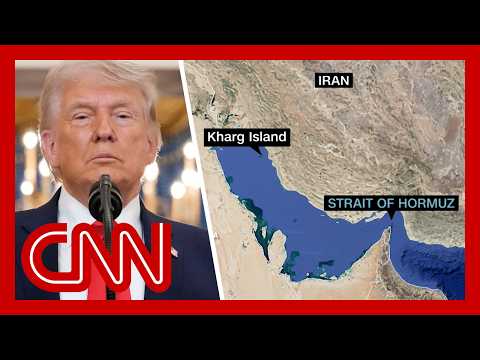
US, Israel agree to 2-week Iran ceasefire; Iran claims victory
0
林宜悉 posted on 2026/04/08Get the latest on the US and Iran's surprising two-week ceasefire agreement and what it means for the Strait of Hormuz! You'll dive into advanced vocabulary related to foreign policy and complex sentence structures, making this a fantastic way to boost your English skills while staying informed on breaking news.
Learn this video on the APP!
The VoiceTube App has more in-depth practice for videos!