
aircraft
US /ˈɛrˌkræft/
UK /ˈɛəkrɑ:ft/
- Countable Noun
- Vehicle that can fly
C2TOEICMoreall along
US /ɔl əˈlɔŋ/
UK /ɔ:l əˈlɔŋ/
- Adverb
- From the beginning; all the time.
- Phrase
- In a line parallel to something long.
A2Moreanti
US /ˈæntaɪ, -ti/
UK /'æntɪ/
- Adjective
- A prefix meaning 'against' or 'opposed'
B2Moreas long as
US /æz lɔŋ æz/
UK /æz lɔŋ æz/
- Conjunction
- For the period that; provided that.
- For the length of time that
- Preposition
- On the condition that; providing that.
- Having the same length as.
A1Moreat least
US /æt list/
UK /æt li:st/
- Adverb
- As a minimum
- Not less than
- Phrase
- No less than; at the minimum
- Used to indicate that something is positive in a bad situation.
C2Moreat risk
US
UK
- Phrase
- In danger; likely to be harmed
at sea
US /æt si/
UK /æt si:/
- Phrase
- Adjective
- Confused; not knowing what to do.
A1Moreat the same time
US
UK
- Phrase
- Simultaneously; at the identical moment.
- Nevertheless; however; used to introduce a contrasting or qualifying statement.
A1Moreback down
US /bæk daʊn/
UK /bæk daun/
- Phrasal Verb
- To admit you were wrong; stop claiming
A1Moreblockade
US /blɑ:ˈkeɪd/
UK /blɒˈkeɪd/
- Transitive Verb
- To block or impede the movement of people, objects
- Noun
- Arrangement that blocks or impedes movement
B2Morebook on
US
UK
- Noun
- A book about a particular subject.
- Verb (Transitive/Intransitive)
- To place a bet on something.
A1Morebring to
US /brɪŋ tu/
UK /briŋ tu:/
- Phrasal Verb
- To make someone to wake up from being unconscious
A1Morechairman
US /ˈtʃɛrmən/
UK /'tʃeəmən/
- Countable Noun
- A man in charge of a meeting
- The person who leads a company or organization
B1Morechallenge
US /ˈtʃæləndʒ/
UK /'tʃælɪndʒ/
- Noun (Countable/Uncountable)
- An activity you wish to try that may be hard to do
- Act of formally inviting someone to compete
- Transitive Verb
- To formally invite someone to compete at something
- To question the correctness of something
A2Morecome from
US /kʌm frʌm/
UK /kʌm frɔm/
- Phrasal Verb
- To have as your native country or city
A1Morecommercial
US /kəˈmɚʃəl/
UK /kəˈmə:ʃəl/
- Noun
- Radio or television advertisement
- Adjective
- A notice, picture, or film telling people about a product, job, or service.
- Designed for or primarily concerned with financial success.
B1Morecommunity
US /kəˈmjunɪti/
UK /kə'mju:nətɪ/
- Noun (Countable/Uncountable)
- Group of people who share a common idea or area
- A feeling of fellowship with others, as a result of sharing common attitudes, interests, and goals.
- Adjective
- Relating to or shared by the people in a particular area.
- Shared or participated in by all members of a group
A2Morecomply
US /kəmˈplaɪ/
UK /kəmˈplaɪ/
- Intransitive Verb
- To obey; follow a rule, another's wishes etc.
B2Moreconcern about
US
UK
- Intransitive Verb
- To worry about something.
B2Moreconvoy
US /ˈkɑ:nvɔɪ/
UK /ˈkɒnvɔɪ/
- Countable Noun
- Group of moving vehicles, e.g. of an army/navy
B2Morecut off
US /kʌt ɔf/
UK /kʌt ɔf/
- Phrasal Verb
- To end a process, e.g. a phone call
- To cut the end of something
- Transitive Verb
- To isolate or prevent access to a place or person.
- To interrupt someone while they are speaking.
A1Moredeal with
US /dil wɪð/
UK /di:l wið/
- Verb (Transitive/Intransitive)
- To buy or sell goods or services.
- Phrasal Verb
- To take action to solve a problem or manage a situation.
- To be about; concern.
A1Moredeclare
US /dɪˈklɛr/
UK /dɪ'kleə(r)/
- Transitive Verb
- To make a statement in a strong and confident way
- To show the cost of things purchased overseas
A2TOEICMoredeterrent
US /dɪˈtə:rənt, -ˈtʌr-/
UK /dɪˈterənt/
- Noun
- Something stopping people wanting to do something
B2Moredisruptive
US /dɪsˈrʌptɪv/
UK /dɪsˈrʌptɪv/
- Adjective
- Causing trouble; disturbing a class, etc.
B2Moredo in
US
UK
- Phrasal Verb
- To make completely tired out and exhausted
- To destroy or cause damage to someone
A1Moreenforcement
US /ɪn'fɔ:smənt/
UK /ɪn'fɔ:smənt/
- Uncountable Noun
- Process of making sure that rules are followed
- The act of compelling observance of or compliance with a law, rule, or obligation.
B1Moreengage in
US /ɪn'gedʒ ɪn/
UK /ɪnˈɡeɪdʒ in/
- Phrasal Verb
- To participate or become involved in something.
B1Moreescalate
US /ˈɛskəˌlet/
UK /ˈeskəleɪt/
- Verb (Transitive/Intransitive)
- To increase in size, intensity, or scope
- To become much worse or more severe
B2Moreescalation
US /ˌeskə'leɪʃn/
UK /ˌeskə'leɪʃn/
- Noun (Countable/Uncountable)
- An increase in severity
B2Moreescort
US /ˈeskɔ:rt/
UK /ˈeskɔ:t/
- Countable Noun
- Person going with you for protection/help/company
- Transitive Verb
- To go along with to provide protection, help
B2Moreessentially
US /ɪˈsenʃəli/
UK /ɪˈsenʃəli/
- Adverb
- Basically; (said when stating the basic facts)
- Used to emphasize the basic truth or fact of a situation.
A2Morefor example
US
UK
- Phrase
- As an illustration or instance.
get on to
US /ɡɛt ɑn tu/
UK /ɡet ɔn tu:/
- Phrasal Verb
- To decide to do something you have delayed doing
A1Morego ahead
US /ɡo əˈhɛd/
UK /ɡəu əˈhed/
- Phrasal Verb
- To start an activity; start doing, working etc.
- To give permission to do something
- Intransitive Verb
- To start or proceed with something
- To proceed despite potential obstacles or doubts.
A1Morego back to
US /ɡo bæk tu/
UK /ɡəu bæk tu:/
- Phrasal Verb
- To return to a starting point
A1Moregoes to show
US
UK
- Phrase
- To demonstrate or prove something.
A1Moregoing on
US /ˈɡoɪŋ ɑn/
UK /ˈgəʊɪŋ ɔn/
- Phrasal Verb
- To continue doing something
- To happen (usually negative)
A1Morehave to
US /hæv tu/
UK /ˈhæv tə/
- Auxiliary Verb
- Must do
A1Moreimpact
US /ˈɪmˌpækt/
UK /'ɪmpækt/
- Noun
- A striking effect or result to hit with force
- Act or force of one thing hitting something else
- Verb (Transitive/Intransitive)
- To hit or strike someone or something with force
- To have a strong effect on someone or something.
A2TOEICMoreimplement
US /ˈɪmpləmənt/
UK /ˈɪmplɪment/
- Transitive Verb
- To start to do something you plan to do
- Noun (Countable/Uncountable)
- A tool
B1TOEICMorein actuality
US
UK
- Phrase
- In fact; in reality; actually.
A1Morein fact
US /ɪn fækt/
UK /in fækt/
- Adverb
- Used to emphasize the truth of a statement, especially one that contrasts with or contradicts something else.
- Used to introduce a more detailed or surprising piece of information.
- Phrase
- Used to emphasize the truth of a statement, especially one that is surprising or contrary to what might be expected.
C1Morein mind
US /ɪn maɪnd/
UK /in maind/
- Phrase
- Being aware of or considering something.
- To remember or consider something.
A2Morein other words
US
UK
- Phrase
- Stating something in a different way, often to make it clearer or more understandable.
in part
US /ɪn pɑrt/
UK /in pɑ:t/
- Adverb
- To some extent; partially.
A1Morein particular
US /ɪn pɚˈtɪkjəlɚ/
UK /in pəˈtikjulə/
- Phrase
- Specifically; especially.
- Detailed or precise.
A1Morein principle
US /ɪn ˈprɪnsəpəl/
UK /in ˈprinsəpl/
- Phrase
- In theory; as a general idea, though not yet in practice or detail.
C1Morein terms of
US
UK
- Phrase
- With regard to; concerning a particular aspect.
A1Morein the future
US /ɪn ði ˈfjutʃɚ/
UK /in ðə ˈfju:tʃə/
- Phrase
- At a later time; in times to come.
A1Morein the hands of
US /ɪn ðə ˈhændz ʌv/
UK /in ðə ˈhændz ɔv/
- Preposition
- Under the control or responsibility of someone.
B1Morein the middle of
US
UK
- Phrase
- In the central part or point of something.
- Engaged or occupied with something.
A2Morein the past
US
UK
- Phrase
- During a former period of time; previously.
A1Morein the shadow of
US /ɪn ðə ˈʃædoʊ ʌv/
UK /in ðə ˈʃædəu ɔv/
- Preposition
- Close to and influenced or dominated by something else.
B2Morein turn
US
UK
- Adverb
- One after the other in a sequence or rotation.
A1Morein ways
US
UK
- Phrase
- In a manner or by methods that.
- In certain respects or aspects.
A1Moreinsurance
US /ɪnˈʃʊrəns/
UK /ɪnˈʃʊərəns/
- Uncountable Noun
- Protection against loss/injury/death you pay for
A2TOEICMoreinvasion
US /ɪnˈveʒən/
UK /ɪnˈveɪʒn/
- Uncountable Noun
- Entry into a place to cause harm
- An unwelcome intrusion into another's domain.
B1Moreinvolve
US /ɪnˈvɑlv/
UK /ɪn'vɒlv/
- Transitive Verb
- To have or be included as a part of something
- To cause (a person or group) to take part in an event or activity.
A2TOEICMorejust kind of
US
UK
- Phrase
- Used to express a feeling or state in a vague or hesitant way.
- Used to indicate something is approximately or generally similar to something else.
A2Morelook at
US /lʊk æt/
UK /luk æt/
- Phrasal Verb
- To use your eyes to focus on something
- To focus your eyes on something carefully
A1Morelook to
US
UK
- Phrasal Verb
- Be looking to. be planning to (do something)
- To expect someone to do something for you; rely on
A1Moremaritime
US /ˈmærɪˌtaɪm/
UK /ˈmærɪtaɪm/
- Adjective
- Concerning sailing, ships
- Being next to or near the sea
- Noun
- The branch of law concerning ships and shipping.
B2Moremilitary
US /ˈmɪlɪˌtɛri/
UK /'mɪlətrɪ/
- Noun
- Army or armed forces
- Adjective
- Concerning the army or navy
B1Moremilitia
US /məˈlɪʃə/
UK /məˈlɪʃə/
- Noun (Countable/Uncountable)
- Local armed forces to assist the police
B2Morenaval
US /ˈnevəl/
UK /ˈneɪvl/
- Adjective
- Concerning a navy or ships used in war
B1Morenavy
US /ˈnevi/
UK /ˈneɪvi/
- Noun (Countable/Uncountable)
- Very dark shade of blue
- Armed force consisting of ships, sailors etc.
B1Moreneither side
US
UK
- Pronoun
- Not either of two sides or parties.
- Phrase
- Used to indicate that two opposing parties both failed to do something.
- Not on either side of something.
B2Moreno go
US
UK
- Noun
- A failure; something that does not proceed as planned.
A1Moreof a kind
US /ʌv e kaɪnd/
UK /ɔv ə kaind/
- Adjective
- Unique; not like anything else
- Phrase
- Sharing similar characteristics or qualities; alike
A1Moreof course
US /ʌv kɔː(r)s/
UK /ɔv kɔː(r)s/
- Adverb
- Sure ; Certainly
- Phrase
- For sure; certainly
A2Moreon the ground
US
UK
- Phrase
- Located on the surface of the earth.
- Present and available in a particular place, especially to deal with a situation.
on to
US /ɑn tu/
UK /ɔn tu:/
- Preposition
- Toward something; forward
- Aware of someone's activities.
- Adjective
- Aware of someone's deception or illegal activities.
A1Moreon top of that
US
UK
- Phrase
- In addition to something already mentioned; furthermore.
A1Moreout of the way
US /aʊt ʌv ði we/
UK /aut ɔv ðə wei/
- Adjective
- Remote; isolated.
- No longer obstructing or hindering.
- Phrase
- Not obstructing or impeding progress; in a position where one does not cause an obstruction.
- Completed; finished; no longer needing attention.
B1Moreover time
US /ˈovɚ taɪm/
UK /ˈəuvə taim/
- Phrase
- Gradually; as time passes.
- During a long period.
- Adverb
- Gradually; as time passes.
B1Morepick up on
US
UK
- Phrasal Verb
- To notice or become aware of something that is not obvious.
- To learn something by watching or listening to other people.
A1Morepolitical
US /pəˈlɪtɪkəl/
UK /pəˈlɪtɪkl/
- Adjective
- Being active or interested in government matters
- Diplomatic
A2Morepotential
US /pəˈtɛnʃəl/
UK /pəˈtenʃl/
- Adjective
- Capable of happening or becoming reality
- Having or showing the capacity to develop into something in the future.
- Uncountable Noun
- someone's or something's ability to develop, achieve, or succeed
A2TOEICMorepotentially
US /pəˈtɛnʃəlɪ/
UK /pə'tenʃəlɪ/
- Adverb
- That could happen or become reality
B1Moreprecedent
US /ˈprɛsɪdənt/
UK /ˈpresɪdənt/
- Countable Noun
- A similar action happening before now
B1Morepressure
US /ˈprɛʃɚ/
UK /'preʃə(r)/
- Noun (Countable/Uncountable)
- Anxiety caused by difficult problems
- Force, weight when pressing against a thing
- Transitive Verb
- To apply force to something
- To persuade or force someone to do something
A2TOEICMorepull back
US /pʊl bæk/
UK /pul bæk/
- Phrasal Verb
- To move to a safer area; retreat
A1Morepurge
US /pɜ:rdʒ/
UK /pɜ:dʒ/
- Transitive Verb
- To make clear/clean by getting rid of evil/waste
- To remove some leaders and replace them
- Noun
- Act of removing some leaders and replacing them
B2Morequarantine
US /ˈkwɔrənˌtin, ˈkwɑr-/
UK /'kwɒrənti:n/
- Transitive Verb
- To isolate ill people to prevent disease spreading
- Noun (Countable/Uncountable)
- The place to isolate sick plants, animals
C1Morerather than
US
UK
- Adverb
- More exactly; more correctly
- Preferably; instead
- Preposition
- Instead of
A1Morerelationship
US /rɪˈleʃənˌʃɪp/
UK /rɪˈleɪʃnʃɪp/
- Noun (Countable/Uncountable)
- Connection between two or more people or things
- Way people interact or live with each other
A2TOEICMoreresponse
US /rɪˈspɑns/
UK /riˈspɔns/
- Noun
- Something said/written as an answer to something
- Reaction to something that has occurred
A2TOEICMoreresponsible
US / rɪˈspɑnsəbəl/
UK /rɪ'spɒnsəbl/
- Adjective
- Being the cause of something that has occurred
- Having the duty of dealing with something
A2TOEICMoresame time
US
UK
- Phrase
- Occurring simultaneously or at the same point in time.
- At the identical time as before; recurring at a fixed hour.
- Noun
- An equal duration or period.
A1Morescenario
US /səˈner.i.oʊ/
UK /sɪˈnɑː.ri.əʊ/
- Noun
- An imagined sequence of events in a plan/project
B1Moreshipping
US /ˈʃɪpɪŋ/
UK /ˈʃɪpɪŋ/
- Transitive Verb
- To transport goods by boat, truck or plane
- To want two fictional characters to be in a romantic relationship.
- Uncountable Noun
- Business of transporting goods or orders to places
- The transport of goods, especially by sea or air.
B1TOEICMoresignificant
US /sɪɡˈnɪfɪkənt/
UK /sɪgˈnɪfɪkənt/
- Adjective
- Large enough to be noticed or have an effect
- Having meaning; important; noticeable
A2TOEICMoresovereignty
US /ˈsɑ:vrənti/
UK /ˈsɒvrənti/
- Uncountable Noun
- The power a country has to decide for itself
B2Morespeak to
US /spik tu/
UK /spi:k tu:/
- Verb (Transitive/Intransitive)
- To address or communicate with someone.
- To indicate or suggest something; to be relevant to.
A1Morestand back
US /stænd bæk/
UK /stænd bæk/
- Phrasal Verb
- To move away from something, usually to create space or avoid danger.
- To not get involved in a situation; to take a detached perspective.
A2Morestep back
US /stɛp bæk/
UK /step bæk/
- Phrasal Verb
- To move backwards; to move away from something.
- To take a break from something; to gain perspective.
A1Morestrait
US /stret/
UK /streɪt/
- Noun
- Channel joining large bodies of water
C2Morestrategy
US /ˈstrætədʒi/
UK /'strætədʒɪ/
- Noun (Countable/Uncountable)
- Careful plan or method for achieving a goal
- Branch of military dealing with command
A2TOEICMoretalking about
US
UK
- Phrasal Verb
- To discuss a particular topic.
- To be constantly mentioning or bringing up a subject.
A1Morethe following
US
UK
- Adjective
- Next in order or sequence.
- Uncountable Noun
- What is about to be said or written.
B1Morethink about
US /θɪŋk əˈbaʊt/
UK /θiŋk əˈbaut/
- Phrasal Verb
- To consider something carefully.
- To remember or call to mind.
A1Moretrade in
US /treid ɪn/
UK /treid in/
- Phrasal Verb
- To give something as part of the payment for something else.
B1Moreturn to
US /tɚn tu/
UK /tə:n tu:/
- Phrasal Verb
- To go to someone for help, advice, or information.
- To start doing or using something, often something bad or undesirable.
A1Morevessel
US /ˈvɛsəl/
UK /ˈvesl/
- Countable Noun
- Container, such as a cup, for holding liquids
- A ship or boat; something that carries things
B1TOEICMorevice
US /ˌvaɪ.sə/
UK /ˌvaɪs/
- Noun
- used as part of the title of particular positions. The person who holds one of these positions is next below in authority to the person who holds the full position and can act for them
- Noun (Countable/Uncountable)
- a moral fault or weakness in someone's character
- illegal and immoral activities, especially involving illegal sex, drugs, etc.
B2Morewestern countries
US
UK
- Noun (plural)
- Countries generally located in Europe and North America, characterized by democratic governments and capitalist economies.
- Nations that share similar cultural values, including individualism, secularism, and a focus on human rights.
B1Morezone
US /zoʊn/
UK /zəʊn/
- Noun
- Area of space designated for a particular use
- Transitive Verb
- To divide an area for a particular reason
B1More
Vocabulary
- have to: Must do
- at the same time: Simultaneously; at the identical moment.
- same time: Occurring simultaneously or at the same point in time.
- of course: Sure ; Certainly
- in ways: In a manner or by methods that.
- do in: To make completely tired out and exhausted
- think about: To consider something carefully.
- going on: To continue doing something
- in other words: Stating something in a different way, often to make it clearer or more understandable.
- the following: Next in order or sequence.
- book on: A book about a particular subject.
- out of the way: Remote; isolated.
- no go: A failure; something that does not proceed as planned.
- in part: To some extent; partially.
- bring to: To make someone to wake up from being unconscious
- cut off: To end a process, e.g. a phone call
- in principle: In theory; as a general idea, though not yet in practice or detail.
- in actuality: In fact; in reality; actually.
- step back: To move backwards; to move away from something.
- back down: To admit you were wrong; stop claiming
- on to: Toward something; forward
- get on to: To decide to do something you have delayed doing
- concern about: To worry about something.
- in turn: One after the other in a sequence or rotation.
- go ahead: To start an activity; start doing, working etc.
- on the ground: Located on the surface of the earth.
- at sea
- just kind of: Used to express a feeling or state in a vague or hesitant way.
- stand back: To move away from something, usually to create space or avoid danger.
- in mind: Being aware of or considering something.
- look to: Be looking to. be planning to (do something)
- in the past: During a former period of time; previously.
- in the future: At a later time; in times to come.
- engage in: To participate or become involved in something.
- western countries: Countries generally located in Europe and North America, characterized by democratic governments and capitalist economies.
- pick up on: To notice or become aware of something that is not obvious.
- turn to: To go to someone for help, advice, or information.
- at risk: In danger; likely to be harmed
- in terms of
- of a kind: Unique; not like anything else
- rather than: More exactly; more correctly
- goes to show: To demonstrate or prove something.
- over time: Gradually; as time passes.
- in particular: Specifically; especially.
- in fact: Used to emphasize the truth of a statement, especially one that contrasts with or contradicts something else.
- trade in: To give something as part of the payment for something else.
- all along: From the beginning; all the time.
- at least: As a minimum
- come from: To have as your native country or city
- on top of that: In addition to something already mentioned; furthermore.
- neither side: Not either of two sides or parties.
- in the middle of: In the central part or point of something.
- pull back: To move to a safer area; retreat
- look at: To use your eyes to focus on something
- as long as: For the period that; provided that.
- talking about: To discuss a particular topic.
- in the hands of: Under the control or responsibility of someone.
- for example: As an illustration or instance.
- in the shadow of: Close to and influenced or dominated by something else.
- deal with
- go back to: To return to a starting point
- speak to: To address or communicate with someone.
- sort: To organize things by putting them into groups
- essentially: Basically; (said when stating the basic facts)
- potential: Capable of happening or becoming reality
- significant: Large enough to be noticed or have an effect
- scenario: An imagined sequence of events in a plan/project
- strategy: Careful plan or method for achieving a goal
- impact: A striking effect or result to hit with force
- potentially: That could happen or become reality
- force: Group of persons trained for military action; army
- community: Group of people who share a common idea or area
- pressure: Anxiety caused by difficult problems
- relationship: Connection between two or more people or things
- commercial: Radio or television advertisement
- increase: To make or become larger in size or amount
- implement: To start to do something you plan to do
- bit: Device put in a horse's mouth to control it
- military: Army or armed forces
- quarantine: To isolate ill people to prevent disease spreading
- political: Being active or interested in government matters
- vice: used as part of the title of particular positions. The person who holds one of these positions is next below in authority to the person who holds the full position and can act for them
- response: Something said/written as an answer to something
- vessel: Container, such as a cup, for holding liquids
- challenge: An activity you wish to try that may be hard to do
- involve: To have or be included as a part of something
- board: Surface for posting or showing information
- responsible: Being the cause of something that has occurred
- declare: To make a statement in a strong and confident way
- insurance: Protection against loss/injury/death you pay for
- risk: To do something potentially dangerous or foolish
- economy: Using money, resources in a careful, effective way
- sovereignty: The power a country has to decide for itself
- invasion: Entry into a place to cause harm
- activity: An action or task, e.g. sports, washing clothes
- escort: Person going with you for protection/help/company
- moment: Very short or brief period of time
- escalate: To increase in size, intensity, or scope
- important: Having power or authority
- kind: In a caring and helpful manner
- enforcement: Process of making sure that rules are followed
- control: A device designed to operate a machine
- purge: To make clear/clean by getting rid of evil/waste
- aircraft: Vehicle that can fly
- act: To behave in a certain way
- zone: Area of space designated for a particular use
- disruptive: Causing trouble; disturbing a class, etc.
- point: An item to be discussed
- middle: Place that is halfway between two things
- maritime: Concerning sailing, ships
- precedent: A similar action happening before now
- deterrent: Something stopping people wanting to do something
- comply: To obey; follow a rule, another's wishes etc.
- strait: Channel joining large bodies of water
- escalation: An increase in severity
- anti: A prefix meaning 'against' or 'opposed'
- militia: Local armed forces to assist the police
- naval: Concerning a navy or ships used in war
- blockade: To block or impede the movement of people, objects
- convoy: Group of moving vehicles, e.g. of an army/navy
- navy: Very dark shade of blue
- shipping: To transport goods by boat, truck or plane
- chairman: A man in charge of a meeting
Get the full experience in the app
Learn anywhere with detailed sentence and usage analysis
01:03
She took a brave step forward, leaving behind her comfort zone to chase her dreams.
Vocabulary
- brave
adj. Having courage
- comfort zone
phr. A familiar situation where one feels safe
Explanation
a brave step is a noun phrase, where brave is an adjective modifying the noun step, meaning "a courageous step".
forward is an adverb modifying step, meaning "ahead".
The whole phrase serves as the object, answering the "what" of took (verb) — she took a brave step forward.
Get the full experience in the app
Look up words anytime with pronunciation, part of speech, and usage
brave
US/brev/
UK/breɪv/
adj.Brave
v.t.To bravely face
A2 Elementary
Get the full experience in the app
Practice speaking anytime and get instant pronunciation feedback
Try this speaking exercise.
Try practicing with this sentence.
80
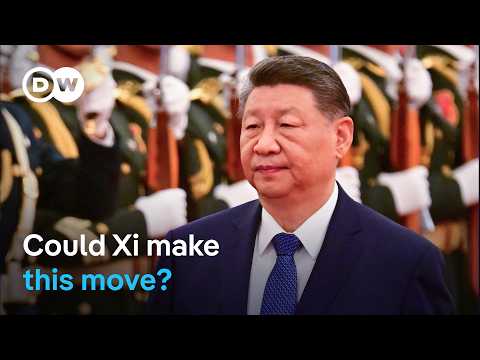
The Taiwan scenario that could outfox the U.S. | DW News
0
林宜悉 posted on 2026/04/07Ever wondered about the "gray zone" tactics that could challenge the U.S. in the Taiwan Strait? This video breaks down a specific scenario involving a "quarantine"—a law enforcement action, not an outright blockade—and explains the complex dilemmas it would present. You'll gain insight into geopolitical strategy and pick up key terms like "quarantine" versus "blockade" and "maritime militia".
Learn this video on the APP!
The VoiceTube App has more in-depth practice for videos!