
affect
US /əˈfɛkt/
UK /ə'fekt/
- Transitive Verb
- To cause a change in something else
- To pretend to have or feel (something).
- Noun
- (Psychology) Emotion or feeling.
A2TOEICMoreairborne
US /ˈerbɔ:rn/
UK /ˈeəbɔ:n/
- Adjective
- Being in the air
- Transmitted through the air.
- Noun
- A military unit trained to be transported by air and parachute into combat.
- An operation involving the dropping of troops by parachute from aircraft.
C1Moreavoid
US /əˈvɔɪd/
UK /ə'vɔɪd/
- Transitive Verb
- To prevent from happening
- To stay away from
A2TOEICMoreback then
US
UK
- Phrase
- At that time in the past.
A1Moreban
US /bæn/
UK /bæn/
- Transitive Verb
- To make something illegal or not allowed
- To prohibit someone from participating in a particular online community or game.
- Noun (Countable/Uncountable)
- Official action preventing something happening
- A prohibition from participating in a particular online community or game.
B1Morebob
US /bɑ:b/
UK /bɒb/
- Intransitive Verb
- To move up and down repeatedly
- Proper Noun
- Person's name
B2Morecheck out
US /tʃɛk aʊt/
UK /tʃek aut/
- Phrase
- Phrasal Verb
- To find out information about something
- To take books out of a library
A1Morecoma
US /ˈkoʊmə/
UK /ˈkəʊmə/
- Noun
- State of unconsciousness caused by injury, disease
B2Morecue
US /kju/
UK /kju:/
- Noun
- Word or action in a play to tell an actor to speak
- Transitive Verb
- To give a signal telling someone when to act/speak
B2Moredefense
US /dɪˈfɛns/
UK /dɪ'fens/
- Noun (Countable/Uncountable)
- Argument in support of something
- The process of protecting something from attack
B1TOEICMoredescription
US /dɪˈskrɪpʃən/
UK /dɪˈskrɪpʃn/
- Noun
- Explanation of what something is like, looks like
- The type or nature of someone or something.
A2TOEICMoredetermine
US /dɪˈtɚmɪn/
UK /dɪ'tɜ:mɪn/
- Transitive Verb
- To control exactly how something will be or act
- To establish the facts about; discover
A2TOEICMoredevelopment
US /dɪˈvɛləpmənt/
UK /dɪ'veləpmənt/
- Noun (Countable/Uncountable)
- Act or process of growing bigger or more advanced
- A new event related to a previous event
A2TOEICMoredown with
US /daʊn wɪð/
UK /daun wið/
- Adjective
- Suffering from an illness.
- Agreeable to; in favor of.
- Interjection
- An expression of opposition to something.
A1Moreeliminate
US /ɪˈlɪməˌnet/
UK /ɪ'lɪmɪneɪt/
- Transitive Verb
- To completely remove; to get rid of
- To remove from a contest by beating them
B1TOEICMoreempire
US /ˈɛmˌpaɪr/
UK /ˈempaɪə(r)/
- Countable Noun
- Group of countries controlled by one government
- A large and important business or group of businesses owned by one person or company.
- Adjective
- A style of dress with a high waistline, just below the bust.
B1Moreexceed
US /ɪkˈsid/
UK /ɪk'si:d/
- Transitive Verb
- To be greater in number, degree than something
- To go above or beyond a limit or rule
B1TOEICMoreexposure
US /ɪkˈspoʒɚ/
UK /ɪk'spəʊʒə(r)/
- Noun
- Allowing light through a cameras lens onto film
- Being talked about in the media
A2TOEICMorefeel the need
US
UK
- Phrase
- To have a strong desire or urge to do something.
A1Moregasoline
US /ˈɡæsəˌlin, ˌɡæsəˈlin/
UK /ˈgæsəli:n/
- Uncountable Noun
- Liquid we put in cars to make them run
- The industry related to the production, distribution, and sale of gasoline.
B2TOEICMoreidentify
US /aɪˈdɛntəˌfaɪ/
UK /aɪ'dentɪfaɪ/
- Transitive Verb
- To indicate who or what someone or something is
- To say exactly what something is
B1TOEICMoreincessant
US /ɪnˈsɛsənt/
UK /ɪnˈsesnt/
- Adjective
- Happening or continuing without a pause or stop
C1TOEICMoreintellectual
US /ˌɪntlˈɛktʃuəl/
UK /ˌɪntəˈlektʃuəl/
- Noun (Countable/Uncountable)
- connected with or using a person’s ability to think in a logical way and understand things
- a person who is well educated and enjoys activities in which they have to think seriously about things
- Adjective
- Relating to the intellect or mental understanding.
- Appealing to or requiring the use of the intellect.
B1Moreirreversible
US /ˌɪrɪˈvɜ:rsəbl/
UK /ˌɪrɪˈvɜ:səbl/
- Adjective
- Not able to be reversed/put back to previous state
- A final decision that cannot be changed.
B1Morelifespan
US /ˈlaɪfspæn/
UK /ˈlaɪfspæn/
- Noun
- Length of time something is expected to last
B2Moremakeup
US /ˈmekˌʌp/
UK /'meɪkʌp/
- Uncountable Noun
- Substance put on the face to make you look pretty
- The way in which something is formed or composed.
- Transitive Verb
- To invent or fabricate something.
- To compensate for something.
B2Moremental
US /ˈmɛntl/
UK /ˈmentl/
- Adjective
- Concerning the mind
A2TOEICMorenotify
US /ˈnotəˌfaɪ/
UK /'nəʊtɪfaɪ/
- Transitive Verb
- To inform; to communicate specific information
B2Morepeed
US
UK
- Intransitive Verb
- To urinate
B2Morephysical
US /ˈfɪzɪkəl/
UK /ˈfɪzɪkl/
- Countable Noun
- Health check at the doctors' or hospital
- Adjective
- Concerning the body of a person
- Concerning things that can be seen or touched
A2Moreplumb
US /plʌm/
UK /plʌm/
- Adverb
- Precisely or exactly
- Transitive Verb
- To measure the depth of something
- To connect pipes, baths, toilets to a water source
B2TOEICMorepractically
US /ˈpræktɪkli/
UK /ˈpræktɪkli/
- Adverb
- Nearly, almost, or in effect
- In a practical manner; realistically.
C1Moreprimary
US /ˈpraɪˌmɛri, -məri/
UK /'praɪmərɪ/
- Adjective
- Most important, most basic or essential
- Happening first; earliest
B2Morerefer
US /rɪˈfɚ/
UK /rɪ'fɜ:(r)/
- Verb (Transitive/Intransitive)
- To talk about or write about something
- To give information about something
A2TOEICMorerequire
US /rɪˈkwaɪr/
UK /rɪ'kwaɪə(r)/
- Transitive Verb
- To demand that someone does something
- To need to do something, to make it necessary
A2TOEICMoreresearch
US /rɪˈsɚtʃ, ˈriˌsɚtʃ/
UK /rɪ'sɜ:tʃ/
- Verb (Transitive/Intransitive)
- To study in order to discover new ideas and facts
- To study the market relating to marketing products and services.
- Noun (Countable/Uncountable)
- Study done to discover new ideas and facts
- A particular area or topic of study.
A2TOEICMoreresult
US /rɪˈzʌlt/
UK /rɪ'zʌlt/
- Noun
- Something produced through tests or experiments
- Final score of a competition, election or game
- Intransitive Verb
- To be the outcome of other causes and effects
- To happen or exist as a consequence of something.
A2Morereverse
US /rɪˈvɚs/
UK /rɪ'vɜ:s/
- Noun
- Setting that makes the vehicle go backward
- Instance of a significant change, for the worse
- Verb (Transitive/Intransitive)
- To drive a vehicle backward
- To change to an opposite state, way or condition
B1TOEICMoreruin
US /ˈruɪn/
UK /'ru:ɪn/
- Transitive Verb
- To damage or completely destroy something
- To cause someone to lose their money or status
- Noun (Countable/Uncountable)
- Remains of a building that has been destroyed
- The state of being destroyed or severely damaged.
B1Moresevere
US /səˈvɪr/
UK /sɪ'vɪə(r)/
- Adjective
- Very bad; harsh
- (Of clothes, etc.) plain; simple; not decorated
A2TOEICMoresit down
US /sit daʊn/
UK /sit daun/
- Phrasal Verb
- To take a seat
A1Moresoil
US /sɔɪl/
UK /sɔɪl/
- Uncountable Noun
- Conditions in which something develops
- Mix of natural material in which plants grow
- Transitive Verb
- To get or become dirty
B1Moresource
US /sɔrs, sors/
UK /sɔ:s/
- Noun (Countable/Uncountable)
- Piece of information; a person giving information
- Place from which something necessary comes
- Adjective
- Produces or provides what is wanted or needed
A2TOEICMoreteleprompter
US /ˈteliprɑ:mptə(r)/
UK /ˈteliprɒmptə(r)/
- Noun
- Device showing words for announcer, etc. to read
C2Moretherapy
US /ˈθɛrəpi/
UK /'θerəpɪ/
- Noun (Countable/Uncountable)
- Treatment to help cure an illness
- Psychological counseling to help resolve personal or emotional problems.
B2Moretoxic
US /ˈtɑksɪk/
UK /ˈtɒksɪk/
- Adjective
- Poisonous; harmful
- (Of relationships) harmful; causing conflict
B2Moretreatment
US /ˈtritmənt/
UK /ˈtri:tmənt/
- Noun (Countable/Uncountable)
- Medicine or method to make someone healthier
- Way someone acts toward another
A2TOEICMoretriangle
US /ˈtraɪˌæŋɡəl/
UK /ˈtraɪæŋgl/
- Noun
- Three people connected with each in a relationship
- A three-sided piece of metal used in orchestras
B1TOEICMoreupload
US /ˌʌpˈloʊd/
UK /ˌʌpˈləʊd/
- Transitive Verb
- To transfer a file or data to the internet
- Noun
- The transfer of a file or data to the internet
B1Moreurban
US /ˈɚbən/
UK /'ɜ:bən/
- Adjective
- Concerning a city; located in a city
- Relating to the style of dress and music popular in cities.
B1TOEICMoreusage
US /ˈjusɪdʒ, -zɪdʒ/
UK /ˈju:sɪdʒ/
- Noun (Countable/Uncountable)
- Amount something is used
- Way something is actually used
B2Moreversatility
US /ˌˈə:səˈtɪlətɪ/
UK /ˌvɜ:sə'tɪlətɪ/
- Uncountable Noun
- Attribute of having a wide variety of skills
B2Morevulnerable
US /ˈvʌlnərəbəl/
UK /ˈvʌlnərəbl/
- Adjective
- Being open to attack or damage
- Being easily harmed, hurt, or wounded
B1Morezombie
US /ˈzɑmbi/
UK /ˈzɔmbi/
- Noun (Countable/Uncountable)
- Dead person who exists among the living
- A fictional undead being, typically depicted as a reanimated corpse.
- Adjective
- Resembling or characteristic of a zombie.
C1More
Vocabulary
- sit down: To take a seat
- down with: Suffering from an illness.
- feel the need: To have a strong desire or urge to do something.
- back then: At that time in the past.
- check out
- vulnerable: Being open to attack or damage
- mental: Concerning the mind
- eliminate: To completely remove; to get rid of
- physical: Health check at the doctors' or hospital
- description: Explanation of what something is like, looks like
- determine: To control exactly how something will be or act
- therapy: Treatment to help cure an illness
- severe: Very bad; harsh
- ruin: To damage or completely destroy something
- treat: To pay for the food or enjoyment of someone else
- exposure: Allowing light through a cameras lens onto film
- identify: To indicate who or what someone or something is
- intellectual: connected with or using a person’s ability to think in a logical way and understand things
- research: To study in order to discover new ideas and facts
- toxic: Poisonous; harmful
- reverse: Setting that makes the vehicle go backward
- affect: To cause a change in something else
- avoid: To prevent from happening
- cue: Word or action in a play to tell an actor to speak
- practically: Nearly, almost, or in effect
- behavior: The way a person or thing acts; manner
- require: To demand that someone does something
- refer: To talk about or write about something
- primary: Most important, most basic or essential
- result: Something produced through tests or experiments
- nervous: Concerning the system of nerves in the body
- drop: Distance between a higher and a lower level
- lead: Wire for electricity, computer, etc.; cable
- click: To work well with someone or something
- urban: Concerning a city; located in a city
- soil: Conditions in which something develops
- source: Piece of information; a person giving information
- treatment: Medicine or method to make someone healthier
- noggin: A human head
- development: Act or process of growing bigger or more advanced
- lifespan: Length of time something is expected to last
- defense: Argument in support of something
- coma: State of unconsciousness caused by injury, disease
- arrest: To attract someone's attention and hold interest
- allow: To admit the validity or truth of something
- usage: Amount something is used
- ban: To make something illegal or not allowed
- exceed: To be greater in number, degree than something
- include: To make someone, something part of a group
- income: Earned money from work, investments or business
- empire: Group of countries controlled by one government
- airborne: Being in the air
- remove: To get rid of something completely
- season: One of Spring, Summer, Autumn (Fall) and Winter
- life: All the living things e.g. animals, plants, humans
- dangerous: Involving the chance of hurt or damage; risky
- zombie: Dead person who exists among the living
- irreversible: Not able to be reversed/put back to previous state
- makeup: Substance put on the face to make you look pretty
- incessant: Happening or continuing without a pause or stop
- gasoline: Liquid we put in cars to make them run
- bob: To move up and down repeatedly
- versatility: Attribute of having a wide variety of skills
- upload: To transfer a file or data to the internet
- triangle: Three people connected with each in a relationship
- notify: To inform; to communicate specific information
- teleprompter: Device showing words for announcer, etc. to read
- plumb: Precisely or exactly
- peed: To urinate
Get the full experience in the app
Learn anywhere with detailed sentence and usage analysis
01:03
She took a brave step forward, leaving behind her comfort zone to chase her dreams.
Vocabulary
- brave
adj. Having courage
- comfort zone
phr. A familiar situation where one feels safe
Explanation
a brave step is a noun phrase, where brave is an adjective modifying the noun step, meaning "a courageous step".
forward is an adverb modifying step, meaning "ahead".
The whole phrase serves as the object, answering the "what" of took (verb) — she took a brave step forward.
Get the full experience in the app
Look up words anytime with pronunciation, part of speech, and usage
brave
US/brev/
UK/breɪv/
adj.Brave
v.t.To bravely face
A2 Elementary
Get the full experience in the app
Practice speaking anytime and get instant pronunciation feedback
Try this speaking exercise.
Try practicing with this sentence.
80
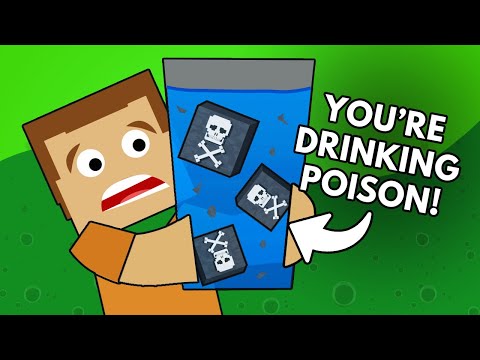
This Stuff Poisoned Your Parents and You're Next
0
林宜悉 posted on 2026/04/06Did you know that lead poisoning is still a major issue today, affecting homes and even our water? This video breaks down exactly where lead comes from, its serious health impacts, and what can be done about it, making it a fantastic way to boost your knowledge and pick up some advanced vocabulary!
Learn this video on the APP!
The VoiceTube App has more in-depth practice for videos!