
abuse
US /əˈbjuz/
UK /ə'bju:s/
- Transitive Verb
- To mistreat or be cruel towards someone
- To use in an inappropriate or excessive way
- Noun (Countable/Uncountable)
- Improper/dishonest/excessive use of something
- Insulting someone, e.g. by swearing at them
A2TOEICMoreagenda
US /əˈdʒɛndə/
UK /ə'dʒendə/
- Noun (Countable/Uncountable)
- Plan or policy to achieve your goal or intentions
- Outcome you want to happen but do not reveal
B1TOEICMoreappalling
US
UK
- Adjective
- Causing shock or distress because it is terrible
- Verb (Transitive/Intransitive)
- To feel shock or distress at something terrible
B2Moreawful
US /ˈɔfəl/
UK /ˈɔ:fl/
- Adjective
- Very bad; horrible; terrible
A2Morebeneath the surface
US /bɪˈniθ ðɚ ˈsɝfəs/
UK /bɪˈni:θ ðə ˈsɜ:rfəs/
- other
- In or under the outer layer of something, often physically below.
- Hidden aspects or feelings not immediately visible or obvious.
B2Moreby now
US /baɪ naʊ/
UK /bai nau/
- Phrase
- At the present time or already; before the present.
A2Morecaregiver
US /ˈkergɪvə(r)/
UK /ˈkeəgɪvə(r)/
- Noun
- Person giving care or helping others
C2Morecatch up
US /kætʃ ʌp/
UK /kætʃ ʌp/
- Phrasal Verb
- To become equal with another person
- To inform others of the latest news
- Verb (Transitive/Intransitive)
- To do something that you have not been able to do recently.
- To meet someone you know in order to talk to them and find out what they have been doing.
A1Morechronically
US /'krɒnɪklɪ/
UK /'krɒnɪklɪ/
- Adverb
- In a habitual and long-standing manner
B2Moreclose in on
US
UK
- Phrasal Verb
- To approach someone or something, often in a threatening way.
A1Moreconsume
US /kənˈsum/
UK /kən'sju:m/
- Transitive Verb
- To eat, drink, buy or use up something
- To take all your energy; focus the attention
A2TOEICMoredense
US /dɛns/
UK /dens/
- Adjective
- Very thick and difficult to see, get through
- Hard to understand
B1TOEICMoredesperate
US /ˈdɛspərɪt/
UK /ˈdespərət/
- Adjective
- Being beyond hope; prepared to do anything
- State of urgently wanting to go to the toilet
A2Moredilemma
US /dɪˈlɛmə/
UK /dɪ'lemə/
- Noun
- Position in which you must make difficult choices
- An argument forcing an opponent to choose between two unfavorable alternatives.
B1Moredisgrace
US /dɪsˈɡres/
UK /dɪsˈgreɪs/
- Noun (Countable/Uncountable)
- Shame or dishonor
B2Moredwell
US /dwɛl/
UK /dwel/
- Intransitive Verb
- To live in a certain place
- To think or talk a lot about something, especially something unpleasant.
B1TOEICMoreentrench
US /ɛnˈtrɛntʃ/
UK /ɪn'trentʃ/
- Transitive Verb
- To make an opinion fixed so it is hard to change
C1Moreescape
US /ɪˈskep/
UK /ɪ'skeɪp/
- Noun (Countable/Uncountable)
- Act to briefly ignoring boring or bad things
- The 'esc key' on a keyboard
- Verb (Transitive/Intransitive)
- To avoid something undesirable, dangerous or bad
- To get away from a place where you are being kept
A2Moreextreme
US /ɪkˈstrim/
UK /ɪk'stri:m/
- Adjective
- Very great in degree
- Farthest from a center
- Noun
- Effort that is thought more than is necessary
- The furthest point or limit of something.
B1Morefamiliar
US /fəˈmɪljɚ/
UK /fəˈmɪliə(r)/
- Adjective
- Well-known or easily recognized
- Having a good knowledge of something.
- Noun
- A close friend or associate.
- (In folklore) a spirit, often in animal form, believed to attend and serve a witch.
A2TOEICMoregive up
US /ɡɪv ʌp/
UK /ɡiv ʌp/
- Phrasal Verb
- To lose hope or admit defeat
- To decide to not start to try solving a problem
- Verb Phrase
- to surrender an item; hand over an item
A1Moregradually
US /ˈɡrædʒʊəlɪ/
UK /ˈgrædʒuəli/
- Adverb
- Occurring in a slow manner over a period of time
- Little by little; in a slow and progressive manner.
B1TOEICMoregrief
US /ɡrif/
UK /ɡri:f/
- Uncountable Noun
- Feeling of great sadness because someone has died
- Things that are troublesome or annoying
B1Moregrip
US /ɡrɪp/
UK /ɡrɪp/
- Verb (Transitive/Intransitive)
- To hold someone's interest
- To hold something in your hand very firmly
- Noun (Countable/Uncountable)
- Strong understanding of an idea
- Control over something or someone
A2Morehave at
US
UK
- Phrasal Verb
- To attack someone or something.
- To begin doing something with enthusiasm.
A1Morehumiliate
US /hjuˈmɪliˌet/
UK /hju:ˈmɪlieɪt/
- Transitive Verb
- To cause to lose pride, self-respect, or dignity
B2TOEICMorein favour of
US /ɪn ˈfevɚ ʌv/
UK /in ˈfeivə ɔv/
- Phrase
- Preposition
- Supporting or approving of something.
A2Morein flight
US /ɪn flaɪt/
UK /in flait/
- Phrase
- Act of flying
- Adverb
- While flying.
A2Morein on
US
UK
- Phrase
- To be involved in a secret or plan.
- To be aware of something that is secret or not generally known.
A1Morein order to
US /ɪn ˈɔrdɚ tu/
UK /in ˈɔ:də tu:/
- Preposition
- For the purpose of; with the aim of.
- Phrase
- In a specific sequence or arrangement.
- With the aim of; for the purpose of.
C1Moreinadvertently
US /ˌɪnədˈvɜ:rtəntli/
UK /ˌɪnədˈvɜ:təntli/
- Adverb
- Without intention, accidentally
B2Moreinterpret
US /ɪnˈtɚprɪt/
UK /ɪn'tɜ:prɪt/
- Verb (Transitive/Intransitive)
- To express so that others understand it
- To translate what is said into another language
A2TOEICMoreintricate
US /ˈɪntrɪkɪt/
UK /ˈɪntrɪkət/
- Adjective
- Very detailed or difficult to untangle
B2TOEICMorelet down
US /lɛt daʊn/
UK /let daun/
- Phrasal Verb
- To disappoint someone (e.g. by breaking a promise)
A1Morelonely
US /ˈloʊnli/
UK /ˈləʊnli/
- Adjective
- Sad because apart from other people
- Being far away and rarely visited by people
B2Morelook at
US /lʊk æt/
UK /luk æt/
- Phrasal Verb
- To use your eyes to focus on something
- To focus your eyes on something carefully
A1Moreneat
US /nit/
UK /ni:t/
- Adjective
- That you approve of; cool
- (Of alcohol) not weakened with water or a mixer
A2Moreneglect
US /nɪˈɡlɛkt/
UK /nɪ'ɡlekt/
- Uncountable Noun
- Act of failing to do something important, required
- State or condition of not receiving proper care
- Transitive Verb
- To not do something that is important or required
- To fail to take care of something; ignore
B1TOEICMoreobsessive
US /əbˈsɛsɪv, ɑb-/
UK /əbˈsesɪv/
- Adjective
- Characterized by or constituting an obsession
- Thinking about something or someone all the time
B2Moreon the surface
US /ɑn ði ˈsɚfəs/
UK /ɔn ðə ˈsə:fis/
- Phrase
- Appearing to be true or real until examined more closely.
- Located on the outer part or uppermost layer of something.
B2Moreostensibly
US /ɒ'stensəblɪ/
UK /ɒ'stensəblɪ/
- Adverb
- Apparently true or real, but probably not
B2TOEICMoreoverwhelmingly
US /ˌovɚˈhwɛlmɪŋlɪ/
UK /ˌəʊvə'welmɪŋlɪ/
- Adjective
- So it cannot be resisted
- Adverb
- To a very great degree or extent
- In a way that is very great or very strong
B2Morepersecution
US /ˌpə:sɪˈkjuʃən/
UK /ˌpɜ:sɪ'kju:ʃn/
- Noun
- Act of treating badly due to race, religion etc.
C1Moreprevent
US /prɪˈvɛnt/
UK /prɪ'vent/
- Transitive Verb
- To stop something from happening or existing
A2TOEICMorepriority
US /praɪˈɔrɪti, -ˈɑr-/
UK /praɪ'ɒrətɪ/
- Noun (Countable/Uncountable)
- Thing that is more important/urgent than others
- A level of importance assigned to a task or process in a computer system.
- Adjective
- Denoting something that constitutes a priority.
B1TOEICMoreprogress
US /ˈprɑɡˌrɛs, -rəs, ˈproˌɡrɛs/
UK /'prəʊɡres/
- Verb (Transitive/Intransitive)
- To move forward or toward a place or goal
- To make progress; develop or improve.
- Uncountable Noun
- Act of moving forward
- The process of improving or developing something over a period of time.
A2TOEICMoreproximity
US /prɑkˈsɪmɪti/
UK /prɒk'sɪmətɪ/
- Uncountable Noun
- State of being near or close to something
B2TOEICMorerelief
US /rɪˈlif/
UK /rɪˈli:f/
- Noun (Countable/Uncountable)
- Aid given to people in need as after war/disaster
- Artwork, e.g. part of wall, that partly sticks out
B1TOEICMorerepeatedly
US /rɪ'pi:tɪdlɪ/
UK /rɪ'pi:tɪdlɪ/
- Adverb
- (Said, done) many times; over and over
B2Moreresist
US /rɪˈzɪst/
UK /rɪ'zɪst/
- Verb (Transitive/Intransitive)
- To not be affected by e.g. a force or an effect
- To fight or prevent something from happening
A2TOEICMoreruin
US /ˈruɪn/
UK /'ru:ɪn/
- Transitive Verb
- To damage or completely destroy something
- To cause someone to lose their money or status
- Noun (Countable/Uncountable)
- Remains of a building that has been destroyed
- The state of being destroyed or severely damaged.
B1Morescrutiny
US /ˈskrutni/
UK /'skru:tənɪ/
- Uncountable Noun
- Careful examination, as to see rules are followed
C1Moresurface
US /ˈsɚfəs/
UK /'sɜ:fɪs/
- Transitive Verb
- To give (road) a top layer
- Intransitive Verb
- To appear after being hidden, unseen, or unknown
- To come to the top of something; emerge
A2TOEICMoresurgery
US /ˈsɚdʒəri/
UK /'sɜ:dʒərɪ/
- Noun (Countable/Uncountable)
- Medical operation involving cutting into body
- A doctor's office; health clinic
B1Moresurveillance
US /sɚˈveləns/
UK /sɜ:'veɪləns/
- Uncountable Noun
- Careful watching of a person/place, e.g. by police
B2TOEICMorethink about
US /θɪŋk əˈbaʊt/
UK /θiŋk əˈbaut/
- Phrasal Verb
- To consider something carefully.
- To remember or call to mind.
A1Moretrack
US /træk/
UK /træk/
- Transitive Verb
- To use marks to follow a wild animal
- To move a certain way/follow a particular course
- Noun
- A circular course for running
- Course or way someone takes, e.g. in education
A2TOEICMoretragic
US /ˈtrædʒɪk/
UK /ˈtrædʒɪk/
- Adjective
- (Of a play, movie, or book) with a sad ending
- Causing great sadness, e.g. due to untimely death
B1Moreunconscious
US /ʌnˈkɑnʃəs/
UK /ʌnˈkɒnʃəs/
- Adjective
- Not aware of what is going on around you
- Not being deliberate or on purpose
- Uncountable Noun
- The part of the mind that contains thoughts and feelings that one is not aware of.
B1Moreupstairs
US /ˌʌpˈsterz/
UK /ˌʌpˈsteəz/
- Adverb
- On a floor above
- Noun
- The floor above you in a building
C1Morevariety
US /vəˈraɪɪti/
UK /və'raɪətɪ/
- Noun
- Particular type of thing or person
- The quality or state of being different or diverse; the absence of uniformity, sameness, or monotony.
A2TOEICMorevulnerable
US /ˈvʌlnərəbəl/
UK /ˈvʌlnərəbl/
- Adjective
- Being open to attack or damage
- Being easily harmed, hurt, or wounded
B1Morewake up
US /wek ʌp/
UK /weik ʌp/
- Phrasal Verb
- To stop sleeping
- To become fully aware and alert to a situation.
A1Moreward off
US /wɔrd ɔf/
UK /wɔ:d ɔf/
- Phrasal Verb
- To avert, deflect, or repel (something dangerous or undesirable).
A2Morewash over
US /wɑʃ ˈovɚ/
UK /wɔʃ ˈəuvə/
- Phrasal Verb
- If a feeling washes over you, you experience it suddenly and strongly.
- To flow over and cover (something).
A1More
Vocabulary
- in order to: For the purpose of; with the aim of.
- think about: To consider something carefully.
- by now: At the present time or already; before the present.
- wake up: To stop sleeping
- in on: To be involved in a secret or plan.
- close in on: To approach someone or something, often in a threatening way.
- beneath the surface: In or under the outer layer of something, often physically below.
- on the surface: Appearing to be true or real until examined more closely.
- ward off: To avert, deflect, or repel (something dangerous or undesirable).
- catch up: To become equal with another person
- wash over: If a feeling washes over you, you experience it suddenly and strongly.
- look at: To use your eyes to focus on something
- have at: To attack someone or something.
- in flight: Act of flying
- give up: To lose hope or admit defeat
- in favour of
- let down
- vulnerable: Being open to attack or damage
- desperate: Being beyond hope; prepared to do anything
- progress: To move forward or toward a place or goal
- experience: Thing a person has done or that happened to them
- extreme: Very great in degree
- ruin: To damage or completely destroy something
- familiar: Well-known or easily recognized
- variety: Particular type of thing or person
- consume: To eat, drink, buy or use up something
- priority: Thing that is more important/urgent than others
- fear: Unpleasant feeling caused by being aware of danger
- unconscious: Not aware of what is going on around you
- interpret: To express so that others understand it
- awful: Very bad; horrible; terrible
- track: To use marks to follow a wild animal
- neat: That you approve of; cool
- grief: Feeling of great sadness because someone has died
- prevent: To stop something from happening or existing
- surveillance: Careful watching of a person/place, e.g. by police
- intricate: Very detailed or difficult to untangle
- escape: Act to briefly ignoring boring or bad things
- abuse: To mistreat or be cruel towards someone
- dilemma: Position in which you must make difficult choices
- gradually: Occurring in a slow manner over a period of time
- proximity: State of being near or close to something
- draw: To attract attention to someone or something
- resist: To not be affected by e.g. a force or an effect
- grip: To hold someone's interest
- obsessive: Characterized by or constituting an obsession
- neglect: Act of failing to do something important, required
- surface: To give (road) a top layer
- dense: Very thick and difficult to see, get through
- scrutiny: Careful examination, as to see rules are followed
- ostensibly: Apparently true or real, but probably not
- surgery: Medical operation involving cutting into body
- agenda: Plan or policy to achieve your goal or intentions
- tragic: (Of a play, movie, or book) with a sad ending
- relief: Aid given to people in need as after war/disaster
- appalling: Causing shock or distress because it is terrible
- inadvertently: Without intention, accidentally
- chronically: In a habitual and long-standing manner
- dwell: To live in a certain place
- leave: To go away from; depart
- moment: Very short or brief period of time
- persecution: Act of treating badly due to race, religion etc.
- arrest: To attract someone's attention and hold interest
- sound: Sensible, dependable and reliable
- order: Religious or social group, as of nuns
- prefer: To like something better than something else
- humiliate: To cause to lose pride, self-respect, or dignity
- legal: Concerning the law; allowed by law
- minute: Notes taken at a meeting to record what was said
- overwhelmingly: So it cannot be resisted
- repeatedly: (Said, done) many times; over and over
- think: To have an idea about something without certainty
- return: To hit something back to the other player or team
- disgrace: Shame or dishonor
- clear: Empty; without anything in it or on it
- choose: To select; decide between several possibilities
- caregiver: Person giving care or helping others
- lonely: Sad because apart from other people
- upstairs: On a floor above
- entrench: To make an opinion fixed so it is hard to change
Get the full experience in the app
Learn anywhere with detailed sentence and usage analysis
01:03
She took a brave step forward, leaving behind her comfort zone to chase her dreams.
Vocabulary
- brave
adj. Having courage
- comfort zone
phr. A familiar situation where one feels safe
Explanation
a brave step is a noun phrase, where brave is an adjective modifying the noun step, meaning "a courageous step".
forward is an adverb modifying step, meaning "ahead".
The whole phrase serves as the object, answering the "what" of took (verb) — she took a brave step forward.
Get the full experience in the app
Look up words anytime with pronunciation, part of speech, and usage
brave
US/brev/
UK/breɪv/
adj.Brave
v.t.To bravely face
A2 Elementary
Get the full experience in the app
Practice speaking anytime and get instant pronunciation feedback
Try this speaking exercise.
Try practicing with this sentence.
80
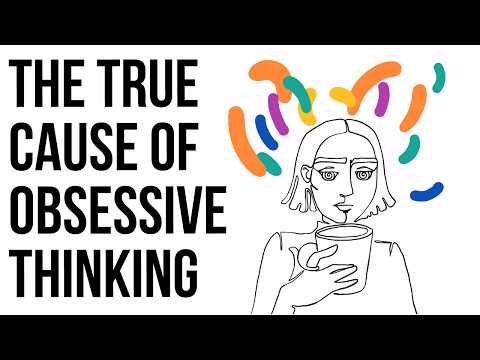
The True Cause of Obsessive Thinking
0
林宜悉 posted on 2026/04/05Ever wonder why some thoughts just won't leave you alone? This video dives deep into the true causes of obsessive thinking, exploring how childhood neglect and emotional avoidance can play a huge role. You'll pick up some advanced vocabulary and complex sentence structures while gaining fascinating insights into your own mind!
Learn this video on the APP!
The VoiceTube App has more in-depth practice for videos!