
abstract
US /ˈæbˌstrækt/
UK /'æbstrækt/
- Noun (Countable/Uncountable)
- Passage of text from an article or book
- Something that doesn't exist physically
- Adjective
- Concerning something that doesn't exist physically
- Relating to abstract art.
B1Moreaffair
US /əˈfɛr/
UK /ə'feə(r)/
- Noun
- Secret sexual relationship between two people
- Event or a set of events, often unpleasant ones
A2Moreat school
US
UK
- Phrase
- Present and attending school.
A1Moreback off
US /bæk ɔf/
UK /bæk ɔf/
- Phrasal Verb
- To stop supporting; lose courage
- To decide to not carry out a threat
A1Morebasically
US /ˈbesɪkəli,-kli/
UK /ˈbeɪsɪkli/
- Adverb
- Used before you explain something simply, clearly
- In essence; when you consider the most important aspects of something.
A2Morebe with
US /bi wɪð/
UK /bi: wið/
- Phrasal Verb
- To accompany someone; to be in someone's presence.
- To support someone's opinion or cause.
A1Moreby itself
US /baɪ ɪtˈsɛlf/
UK /bai itˈself/
- Adverb
- Alone; without help or assistance.
- Without any external influence or aid.
A2Morecare of
US /kɛr ʌv/
UK /kɛə ɔv/
- Preposition
- Used in an address to indicate the person who will receive the mail for someone else.
A2Morecombine
US /kəmˈbaɪn/
UK /kəmˈbaɪn/
- Verb (Transitive/Intransitive)
- To mix several things together to form one thing
- To harvest by means of a combine.
- Noun (Countable/Uncountable)
- A harvesting machine for cutting, threshing, and cleaning grain.
- A mixture of different things.
A2Morecome back
US /kʌm bæk/
UK /kʌm bæk/
- Phrasal Verb
- To reply to someone, often forcefully
- To be remembered
A1Morecome up
US /kʌm ʌp/
UK /kʌm ʌp/
- Phrasal Verb
- To come closer to someone; approach
- (Of sun) to rise into the sky in the morning
A1Morecompound
US /kɑmˈpaUnd/
UK /'kɒmpaʊnd/
- Noun (Countable/Uncountable)
- Series of buildings that are walled or fenced off
- Chemical made up of several others
- Transitive Verb
- To pay interest on a loan including the interest
- To make something from various parts or components
B1Morecrowd
US /kraʊd/
UK /kraʊd/
- Verb (Transitive/Intransitive)
- To force too many things, people into
- (Lots of people) to meet together in one place
- Noun (Countable/Uncountable)
- Large group of people together in one place
A2Moredefend
US /dɪˈfɛnd/
UK /dɪ'fend/
- Transitive Verb
- To protect and explain your position in court
- To protect against an attack
B1TOEICMoredeliver
US /dɪˈlɪvɚ/
UK /dɪ'lɪvə(r)/
- Transitive Verb
- To give birth to a child; help a woman give birth
- To save someone from a problem or crisis
A2TOEICMoreenemy
US /ˈɛnəmi/
UK /ˈenəmi/
- Noun
- Something that stops you doing what you want
- Group, or people, you are opposed to
A2Moreexpression
US /ɪkˈsprɛʃən/
UK /ɪk'spreʃn/
- Noun (Countable/Uncountable)
- Act of making your thoughts and feelings known
- Group of words that have a specific meaning
A2TOEICMorefeminist
US /ˈfɛmənɪst/
UK /ˈfemənɪst/
- Noun
- Person believing women have the same rights as men
B1Morefirm
US /fɚm/
UK /fɜ:m/
- Countable Noun
- Company that sells goods or services
- Adjective
- Fairly hard or solid, not soft
- Unchanging and strong
A2TOEICMorefor certain
US /fɔr ˈsɚtn/
UK /fɔ: ˈsə:tn/
- Idiom
- Definitely; without a doubt.
- Phrase
- Without any doubt; definitely.
for example
US
UK
- Phrase
- As an illustration or instance.
for myself
US /fɚ maɪˈsɛlf/
UK /fə maɪˈself/
- other
- Done for one's own benefit or use.
A1Moregive it up
US
UK
- Phrasal Verb
- To stop trying to do something
A1Moregoing on
US /ˈɡoɪŋ ɑn/
UK /ˈgəʊɪŋ ɔn/
- Phrasal Verb
- To continue doing something
- To happen (usually negative)
A1Morehave to
US /hæv tu/
UK /ˈhæv tə/
- Auxiliary Verb
- Must do
A1Morein a bad way
US /ɪn ə bæd weɪ/
UK /ɪn ə bæd wei/
- other
- In poor physical or emotional condition.
B2Morein business
US /ɪn ˈbɪznɪs/
UK /in ˈbiznis/
- Phrase
- Actively operating as a commercial enterprise.
- Having a commercial partnership or association.
A1Morein terms of
US
UK
- Phrase
- With regard to; concerning a particular aspect.
A1Moreinsult
US /ɪnˈsʌlt/
UK /ɪn'sʌlt/
- Transitive Verb
- To disrespect someone by being rude or impolite
- Noun (Countable/Uncountable)
- Act of disrespecting by being rude or impolite
B1TOEICMoreintegrity
US /ɪnˈtɛɡrɪti/
UK /ɪnˈtegrəti/
- Uncountable Noun
- Quality of being honest, fair and honorable
- The state of being whole and undivided.
B1TOEICMoreinterfere
US /ˌɪntɚˈfɪr/
UK /ˌɪntə'fɪə(r)/
- Intransitive Verb
- To get involved in something not your business
- Transitive Verb
- To prevent a process or activity from continuing or being carried out properly.
B1TOEICMorelie down
US
UK
- Phrasal Verb
- To put your body in a flat position, as to sleep
- Phrase
A2Moreliteral
US /ˈlɪtərəl/
UK /ˈlɪtərəl/
- Adjective
- Being the basic exact meaning of a word/expression
- Being real and true and without exaggerating
B1Moreloyal
US /ˈlɔɪəl/
UK /ˈlɔɪəl/
- Adjective
- Always showing support for; faithful
- Demonstrating allegiance to one's country.
B1TOEICMoremove away
US /muv əˈwe/
UK /mu:v əˈwei/
- Phrasal Verb
- To relocate; to go and live in a different place.
- To physically create distance; to step back or aside.
A2Moremove to
US /muv tu/
UK /mu:v tu:/
- Phrasal Verb
- To change the place where you live or work.
- Verb (Transitive/Intransitive)
- To proceed to the next stage or action.
A2Moremovement
US /ˈmuvmənt/
UK /ˈmu:vmənt/
- Noun (Countable/Uncountable)
- Part of a piece of classical music
- Group with a shared interest or goal
A2Morenext to
US /nɛkst tu/
UK /nekst tu:/
- Preposition
- Being located along side another
- In comparison with
- Adverb
- Almost; nearly
A1Morenoticeable
US /ˈnoʊtɪsəbl/
UK /ˈnəʊtɪsəbl/
- Adjective
- Being easy or likely to be sensed or noticed
B1Moreof course
US /ʌv kɔː(r)s/
UK /ɔv kɔː(r)s/
- Adverb
- Sure ; Certainly
- Phrase
- For sure; certainly
A2Moreoffensive
US /əˈfɛnsɪv/
UK /əˈfensɪv/
- Adjective
- Causing displeasure or anger
- Attacking or intended to attack
- Noun
- A military attack
B1TOEICMoreon call
US
UK
- Adjective
- Available to be summoned for duty, especially in emergencies.
- Adverb
- In a state of readiness to respond to calls for service or assistance.
A2Moreon the ground
US
UK
- Phrase
- Located on the surface of the earth.
- Present and available in a particular place, especially to deal with a situation.
on the other hand
US
UK
- Phrase
- Considering a different aspect of the matter; alternatively.
A1Moreovertime
US /ˈovɚˌtaɪm/
UK /'əʊvətaɪm/
- Uncountable Noun
- Extra time in a sports game
- Time worked in addition to regular working hours.
- Adverb
- Beyond the regular working hours.
B2TOEICMorephrasal
US
UK
- Adjective
- Concerning or consisting of a phrase
B1Morephysically
US /ˈfɪzɪkəlɪ/
UK /'fɪzɪklɪ/
- Adverb
- In a manner related to the body
- Concerning reality or the laws of nature
A2Morepolitic
US /ˈpɑlɪtɪk/
UK /ˈpɒlətɪk/
- Adjective
- Careful what you say; diplomatic
B2Morepolitician
US /ˌpɑlɪˈtɪʃən/
UK /ˌpɒləˈtɪʃn/
- Noun (Countable/Uncountable)
- Someone whose job is in politics
- A person who acts in a manipulative and devious way, typically to gain advancement in their career.
A2Morepositive
US /ˈpɑzɪtɪv/
UK /ˈpɒzətɪv/
- Adjective
- Showing agreement or support for something
- Being sure about something; knowing the truth
- Noun
- A photograph in which light areas are light and dark areas are dark
A2Moreposture
US /ˈpɑstʃɚ/
UK /'pɒstʃə(r)/
- Noun
- Attitude someone adopts regarding a subject
- The position of the body when standing or sitting
- Intransitive Verb
- To be insincere in order to gain favor
B1TOEICMoreput together
US /pʊt təˈɡɛðɚ/
UK /put təˈɡeðə/
- Phrasal Verb
- To build or assemble something small, e.g. a toy
- To organize or arrange something.
A1Moreracial
US /ˈreʃəl/
UK /ˈreɪʃl/
- Adjective
- Of or relating to race
B2Moreracist
US /'reɪsɪst/
UK /'reɪsɪst/
- Adjective
- Believing that people of other races are inferior
- Noun
- Person who judges others negatively based on race
B2Moreresponsibility
US /rɪˌspɑnsəˈbɪlɪti/
UK /rɪˌspɒnsə'bɪlətɪ/
- Noun (Countable/Uncountable)
- Job, task or thing you are expected to look after
- A thing to be done because it is morally correct
A2Moreright for
US
UK
- Adjective
- Suitable or appropriate for a particular person, purpose, or situation.
- Correct or most appropriate.
A1Morescandal
US /ˈskændl/
UK /'skændl/
- Noun
- Unacceptable/immoral event causing public shock
B1Moreseparate
US /'sepəreɪt/
UK /'sepəreɪt/
- Adjective
- Being different from or unrelated to another
- Not connected; different.
- Transitive Verb
- To divide two things by being in between them
- To move things away from each other
A2TOEICMoreshut up
US /ʃʌt ʌp/
UK /ʃʌt ʌp/
- Phrasal Verb
- To close something, e.g. a shop
- To (cause someone to) be silent or not speak
- Interjection
- An expression of disbelief or surprise
A2Morespouse
US /spaʊs, spaʊz/
UK /spaʊs/
- Noun
- Someone's husband or wife
B2Moresqueeze
US /skwiz/
UK /skwi:z/
- Noun (Countable/Uncountable)
- Amount of liquid from firmly pressing e.g. orange
- Act of putting pressure on, as to get liquid out
- Transitive Verb
- To force or threaten someone to give you something
- To strongly compress something to get liquid out
C1Morestand around
US
UK
- Phrasal Verb
- To spend time standing without doing anything useful or important.
A2Morestand aside
US /stænd əˈsaɪd/
UK /stænd əˈsaɪd/
- other
- To move to the side to make way or allow passage.
- To resign or withdraw from a position or role voluntarily.
B1Morestand back
US /stænd bæk/
UK /stænd bæk/
- Phrasal Verb
- To move away from something, usually to create space or avoid danger.
- To not get involved in a situation; to take a detached perspective.
A2Morestand by
US
UK
- Phrasal Verb
- To keep to an agreement
- To wait for something to happen, e.g. TV broadcast
A1Morestand down
US /stænd daʊn/
UK /stænd daun/
- Phrasal Verb
- To end a state of readiness, e.g. for war
- To withdraw, e.g. from a fight or contest
A1Morestand for
US /stænd fɔr/
UK /stænd fɔ:/
- Phrasal Verb
- To support a particular idea, e.g. in politics
- To represent or symbolize
A1Morestand in for
US
UK
- Verb (Transitive/Intransitive)
- To take the role of another person
- Phrasal Verb
- To take the place of
A1Morestand off
US
UK
- Phrasal Verb
- To stay at a distance; remain apart
- Noun
- A state of being distant or aloof in a relationship.
- A deadlock or stalemate in a conflict or negotiation.
A1Morestand out
US /stænd aʊt/
UK /stænd aut/
- Phrasal Verb
- To be noticeably better than other similar ones
A1Morestand up for
US /stænd ʌp fɔr/
UK /stænd ʌp fɔ:/
- Phrasal Verb
- To support someone or an idea, e.g. human rights
A1Morestand up to
US /stænd ʌp tu/
UK /stænd ʌp tu:/
- Phrasal Verb
- To resist or fight someone who is being aggressive
A1Morestand with
US /stænd wɪð/
UK /stænd wið/
- Phrasal Verb
- To support or defend someone or something.
A1Morestunt
US /stʌnt/
UK /stʌnt/
- Countable Noun
- Dangerous and daring trick, as in an action film
- Transitive Verb
- To prevent from growing bigger or as big as normal
B2Moresubstitute
US /ˈsʌbstɪˌtut, -ˌtjut/
UK /'sʌbstɪtju:t/
- Transitive Verb
- To perform the tasks instead of someone else
- To replace one person or thing for another
- Noun
- A person or thing acting in place of another
B2TOEICMoretake over
US /tek ˈovɚ/
UK /teik ˈəuvə/
- Phrasal Verb
- To gain control of (a company) from someone else
- To assume control or possession of something.
A1Moretolerate
US /ˈtɑ:ləreɪt/
UK /ˈtɒləreɪt/
- Transitive Verb
- To be able to adjust to changes of various kinds
- To be able to survive under specific conditions
B1Moreupset
US /ʌpˈsɛt/
UK /ʌpˈset/
- Adjective
- (Of stomach, etc.) not functioning well; sick
- Troubled, worried, or angry
- Transitive Verb
- To turn upside down or on its side
- To trouble, worry, or anger someone
A2Morework on
US /wɚk ɑn/
UK /wə:k ɔn/
- Phrasal Verb
- To devote effort to improve or develop something
- To try to persuade or influence someone.
A1More
Vocabulary
- stand by: To keep to an agreement
- stand for: To support a particular idea, e.g. in politics
- stand out
- stand off: To stay at a distance; remain apart
- stand down: To end a state of readiness, e.g. for war
- stand in for: To take the role of another person
- stand aside: To move to the side to make way or allow passage.
- stand with: To support or defend someone or something.
- for example: As an illustration or instance.
- stand up to: To resist or fight someone who is being aggressive
- stand up for: To support someone or an idea, e.g. human rights
- stand back: To move away from something, usually to create space or avoid danger.
- of course: Sure ; Certainly
- next to: Being located along side another
- in terms of
- on call: Available to be summoned for duty, especially in emergencies.
- come back: To reply to someone, often forcefully
- take over: To gain control of (a company) from someone else
- stand around: To spend time standing without doing anything useful or important.
- put together: To build or assemble something small, e.g. a toy
- lie down: To put your body in a flat position, as to sleep
- on the other hand : Considering a different aspect of the matter; alternatively.
- right for: Suitable or appropriate for a particular person, purpose, or situation.
- for myself: Done for one's own benefit or use.
- have to: Must do
- at school: Present and attending school.
- shut up: To close something, e.g. a shop
- for certain: Definitely; without a doubt.
- in a bad way: In poor physical or emotional condition.
- move to: To change the place where you live or work.
- in business: Actively operating as a commercial enterprise.
- be with: To accompany someone; to be in someone's presence.
- come up: To come closer to someone; approach
- move away: To relocate; to go and live in a different place.
- on the ground: Located on the surface of the earth.
- going on: To continue doing something
- work on: To devote effort to improve or develop something
- care of: Used in an address to indicate the person who will receive the mail for someone else.
- by itself: Alone; without help or assistance.
- back off: To stop supporting; lose courage
- give it up: To stop trying to do something
- situation: Place, position or area that something is in
- expression: Act of making your thoughts and feelings known
- basically: Used before you explain something simply, clearly
- positive: Showing agreement or support for something
- integrity: Quality of being honest, fair and honorable
- common: Area in a city or town that is open to everyone
- interfere: To get involved in something not your business
- squeeze: Amount of liquid from firmly pressing e.g. orange
- position: Person's opinion or attitude about something
- spouse: Someone's husband or wife
- insult: To disrespect someone by being rude or impolite
- separate: Being different from or unrelated to another
- firm: Company that sells goods or services
- abstract: Passage of text from an article or book
- compound: Series of buildings that are walled or fenced off
- bit: Device put in a horse's mouth to control it
- substitute: To perform the tasks instead of someone else
- tolerate: To be able to adjust to changes of various kinds
- mean: Average of a set of numbers
- crowd: To force too many things, people into
- similar: Nearly the same; alike
- physically: In a manner related to the body
- upset: (Of stomach, etc.) not functioning well; sick
- racist: Believing that people of other races are inferior
- literal: Being the basic exact meaning of a word/expression
- deliver: To give birth to a child; help a woman give birth
- posture: Attitude someone adopts regarding a subject
- responsibility: Job, task or thing you are expected to look after
- stunt: Dangerous and daring trick, as in an action film
- offensive: Causing displeasure or anger
- leave: To go away from; depart
- affair: Secret sexual relationship between two people
- enemy: Something that stops you doing what you want
- movement: Part of a piece of classical music
- combine: To mix several things together to form one thing
- company: Good feeling from being with someone else
- politician: Someone whose job is in politics
- scandal: Unacceptable/immoral event causing public shock
- phrasal: Concerning or consisting of a phrase
- preposition: Word such as 'at' 'on' etc. showing position/time
- support: To give assistance or advice to someone
- defend: To protect and explain your position in court
- stand: To be a candidate in an election
- feminist: Person believing women have the same rights as men
- verb: Word that expresses an action or state
- change: To exchange one set of clothes for another
- person: Man, woman or child
- space: Empty area kept for a specific reason, like a car
- loyal: Always showing support for; faithful
- noticeable: Being easy or likely to be sensed or noticed
- racial: Of or relating to race
- politic: Careful what you say; diplomatic
- overtime: Extra time in a sports game
Get the full experience in the app
Learn anywhere with detailed sentence and usage analysis
01:03
She took a brave step forward, leaving behind her comfort zone to chase her dreams.
Vocabulary
- brave
adj. Having courage
- comfort zone
phr. A familiar situation where one feels safe
Explanation
a brave step is a noun phrase, where brave is an adjective modifying the noun step, meaning "a courageous step".
forward is an adverb modifying step, meaning "ahead".
The whole phrase serves as the object, answering the "what" of took (verb) — she took a brave step forward.
Get the full experience in the app
Look up words anytime with pronunciation, part of speech, and usage
brave
US/brev/
UK/breɪv/
adj.Brave
v.t.To bravely face
A2 Elementary
Get the full experience in the app
Practice speaking anytime and get instant pronunciation feedback
Try this speaking exercise.
Try practicing with this sentence.
80
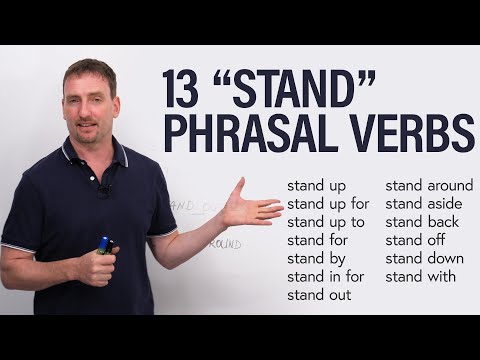
13 Phrasal Verbs with STAND: stand by, stand out, stand down...
0
林宜悉 posted on 2026/04/05Ever wondered what 'stand by' or 'stand out' really mean? This video dives into 13 essential phrasal verbs with 'stand', perfect for boosting your everyday and business English vocabulary with practical examples!
Learn this video on the APP!
The VoiceTube App has more in-depth practice for videos!