
abandon
US /əˈbændən/
UK /ə'bændən/
- Transitive Verb
- To discard or intentionally get rid of an item
- To withdraw your support, or leave someone
- Uncountable Noun
- Wild, carefree behavior
B1Moreagricultural
US /ˌæɡrɪ'kʌltʃərəl/
UK /ˌæɡrɪ'kʌltʃərəl/
- Adjective
- Concerning farming, or the land
B1Moreancient
US /ˈenʃənt/
UK /'eɪnʃənt/
- Adjective
- Very old; having lived a very long time ago
- Relating to a period in history, especially in the distant past.
- Noun
- A person who lived in ancient times.
A2Morebased on
US
UK
- Phrasal Verb
- To use something as the foundation or starting point for something else.
- Preposition
- Using something as the main idea or foundation.
- Relying on something as evidence or justification.
A1Moredue to
US /du tu/
UK /dju: tu:/
- Preposition
- Because of; owing to
- Adjective
- Attributable to; caused by.
A1Moreempire
US /ˈɛmˌpaɪr/
UK /ˈempaɪə(r)/
- Countable Noun
- Group of countries controlled by one government
- A large and important business or group of businesses owned by one person or company.
- Adjective
- A style of dress with a high waistline, just below the bust.
B1Morefeed
US /fid/
UK /fi:d/
- Transitive Verb
- To give food, e.g. to animals or a baby
- To push something through an opening
- Uncountable Noun
- Food given to animals
A2TOEICMorein general
US /ɪn ˈdʒɛnərəl/
UK /in ˈdʒenərəl/
- Phrase
- Typically; usually; on the whole.
- Not specific or detailed; broadly.
- Adjective
- Not detailed or specific; overall.
C2Morein order to
US /ɪn ˈɔrdɚ tu/
UK /in ˈɔ:də tu:/
- Preposition
- For the purpose of; with the aim of.
- Phrase
- In a specific sequence or arrangement.
- With the aim of; for the purpose of.
C1Morein particular
US /ɪn pɚˈtɪkjəlɚ/
UK /in pəˈtikjulə/
- Phrase
- Specifically; especially.
- Detailed or precise.
A1Morepurpose
US /ˈpɚpəs/
UK /'pɜ:pəs/
- Noun (Countable/Uncountable)
- Reason for which something is done; aim; goal
- A person's sense of resolve or determination.
- Adverb
- With clear intention or determination.
- Intentionally; deliberately.
A2TOEICMorereduce the risk
US
UK
- Phrase
- To lessen the probability of something dangerous or harmful occurring.
A1Moreregardless of
US /rɪˈɡɑrdlɪs ʌv/
UK /riˈɡɑ:dlis ɔv/
- Phrase
- Preposition
- Without being affected or influenced by something; despite.
A2Moreshrine
US /ʃraɪn/
UK /ʃraɪn/
- Noun
- Religious place that honors a person or saint
B2Moresuch as
US /sʌtʃ æz/
UK /sʌtʃ æz/
- Preposition
- For example; like
A1Moresymbol of
US
UK
- Phrase
- Something that represents or stands for something else, especially an object representing an abstract idea.
- A visible sign of something intangible.
B2Moreto the gods
US /tu ðə ɡɑdz/
UK /tu ðə ɡɒdz/
- other
- Completely destroyed or ruined.
C2Moreurban
US /ˈɚbən/
UK /'ɜ:bən/
- Adjective
- Concerning a city; located in a city
- Relating to the style of dress and music popular in cities.
B1TOEICMoreused to
US /juzd tu/
UK /ˈju:st tə/
- Adjective
- Did regularly before, but don't do now
- Auxiliary Verb
- Have done before, but do not do now
A1More
Vocabulary
- to the gods: Completely destroyed or ruined.
- in particular: Specifically; especially.
- symbol of: Something that represents or stands for something else, especially an object representing an abstract idea.
- used to: Did regularly before, but don't do now
- due to: Because of; owing to
- reduce the risk: To lessen the probability of something dangerous or harmful occurring.
- based on: To use something as the foundation or starting point for something else.
- regardless of
- such as: For example; like
- in order to: For the purpose of; with the aim of.
- in general: Typically; usually; on the whole.
- purpose: Reason for which something is done; aim; goal
- ancient: Very old; having lived a very long time ago
- shape: The outer form of something, what it looks like
- grow: To get bigger and more mature; make plants do this
- urban: Concerning a city; located in a city
- feed: To give food, e.g. to animals or a baby
- area: Amount of measured space
- high: Excited or relaxed from taking drugs
- abandon: To discard or intentionally get rid of an item
- mountain: Very high piece of land, higher than a hill
- shrine: Religious place that honors a person or saint
- main: Most important; most often used
- empire: Group of countries controlled by one government
- city: Area with many buildings, roads and people
- agricultural: Concerning farming, or the land
Get the full experience in the app
Learn anywhere with detailed sentence and usage analysis
01:03
She took a brave step forward, leaving behind her comfort zone to chase her dreams.
Vocabulary
- brave
adj. Having courage
- comfort zone
phr. A familiar situation where one feels safe
Explanation
a brave step is a noun phrase, where brave is an adjective modifying the noun step, meaning "a courageous step".
forward is an adverb modifying step, meaning "ahead".
The whole phrase serves as the object, answering the "what" of took (verb) — she took a brave step forward.
Get the full experience in the app
Look up words anytime with pronunciation, part of speech, and usage
brave
US/brev/
UK/breɪv/
adj.Brave
v.t.To bravely face
A2 Elementary
Get the full experience in the app
Practice speaking anytime and get instant pronunciation feedback
Try this speaking exercise.
Try practicing with this sentence.
80
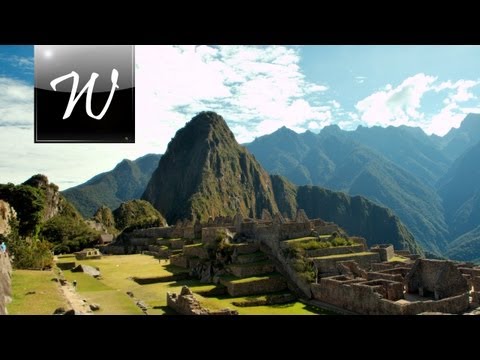
◄ Machu Picchu, Peru [HD] ►
0
大菲鴨阿 posted on 2015/01/23Ever wondered about the incredible Inca masonry and the mysteries of Machu Picchu? This video dives deep into the 'Seven Wonders' of the world, helping you pick up advanced vocabulary and gain cultural depth about this amazing archaeological site. You'll explore fascinating details like terrace farming and the Intihuatana stone, perfect for boosting your knowledge and understanding complex sentence structures!
Learn this video on the APP!
The VoiceTube App has more in-depth practice for videos!