
ability
US /əˈbɪlɪti/
UK /ə'bɪlətɪ/
- Noun (Countable/Uncountable)
- The power, resources or skill to do something
- A particular skill or talent.
A2TOEICMoreaccomplish
US /əˈkɑmplɪʃ/
UK /ə'kʌmplɪʃ/
- Transitive Verb
- To succeed in doing; complete successfully
B1TOEICMoreadvance
US /ædˈvæns/
UK /əd'vɑ:ns/
- Noun
- Forward movement by an army
- An attempt to seduce someone
- Verb (Transitive/Intransitive)
- (Of an army) to move forward
- To change or improve
A2TOEICMoreadversary
US /ˈædvərseri/
UK /ˈædvəsəri/
- Countable Noun
- Opponent who want to fight you for some reason
B2Moreaggression
US /əˈɡrɛʃən/
UK /əˈgreʃn/
- Uncountable Noun
- Use of energy and determination to achieve a goal
- Hostile or violent behavior or attitudes toward another; readiness to attack or confront.
B1Moreaircraft
US /ˈɛrˌkræft/
UK /ˈɛəkrɑ:ft/
- Countable Noun
- Vehicle that can fly
C2TOEICMoreany sort of
US
UK
- Determiner
- Any kind of; any type of
- Phrase
- Somewhat; to some extent
A2Morearab
US
UK
- Noun
- Citizen of an Arabic speaking nation
C2Morearticulate
US /ɑ:rˈtɪkjuleɪt/
UK /ɑ:ˈtɪkjuleɪt/
- Transitive Verb
- To express something clearly using language
- Adjective
- Having or showing the ability to speak fluently and coherently.
B2TOEICMoreas a whole
US /æz e hol/
UK /æz ə həul/
- Phrase
- Considering everything together; in general.
- Complete; not divided or incomplete.
- Adjective
- Complete; not divided or fragmented.
A1Moreas opposed to
US
UK
- Preposition
- In contrast to; rather than.
- Instead of; in place of.
A1Moreas well as
US /æz wɛl æz/
UK /æz wel æz/
- Adverb
- Also; in addition to
- Preposition
- In addition to; and also.
A1Moreat least
US /æt list/
UK /æt li:st/
- Adverb
- As a minimum
- Not less than
- Phrase
- No less than; at the minimum
- Used to indicate that something is positive in a bad situation.
C2Morebased on
US
UK
- Phrasal Verb
- To use something as the foundation or starting point for something else.
- Preposition
- Using something as the main idea or foundation.
- Relying on something as evidence or justification.
A1Morebetter understanding
US
UK
- Uncountable Noun
- An improved level of comprehension or knowledge.
B2Morecampaign
US /kæmˈpen/
UK /kæm'peɪn/
- Intransitive Verb
- To work in an organized, active way towards a goal
- Noun (Countable/Uncountable)
- Series of actions meant to achieve a goal
- A planned set of military activities intended to achieve a particular objective.
A2TOEICMorecapability
US /ˌkeɪpə'bɪləti/
UK /ˌkeɪpəˈbɪləti/
- Noun (Countable/Uncountable)
- Means, ability, or potential to do something
- The potential or capacity for future development or achievement.
B1Morecapacity
US /kəˈpæsɪti/
UK /kə'pæsətɪ/
- Noun (Countable/Uncountable)
- Ability to hold, involve or contain (e.g. liquids)
- Largest amount of something that can be produced
B1Morecarry out
US /ˈkæri aʊt/
UK /ˈkæri aut/
- Phrasal Verb
- To fulfill or perform your instructions, duty
- Verb (Transitive/Intransitive)
- To perform or execute a task, order, or plan.
- To remove something or someone from a place.
A1Moreclose in on
US
UK
- Phrasal Verb
- To approach someone or something, often in a threatening way.
A1Morecoalition
US /ˌkoəˈlɪʃən/
UK /ˌkəʊəˈlɪʃn/
- Noun
- Union of separate political parties
B1Morecombat
US /kəmˈbæt, ˈkɑmˌbæt/
UK /'kɒmbæt/
- Verb (Transitive/Intransitive)
- To fight someone or something physically
B1Moreconflict
US /ˈkɑnˌflɪkt/
UK /'kɒnflɪkt/
- Noun (Countable/Uncountable)
- Argument or struggle between two or more parties
- A serious disagreement or argument.
- Verb (Transitive/Intransitive)
- To have opposite ideas; to disagree; To not match
A2Morecredible
US /ˈkrɛdəbəl/
UK /ˈkredəbl/
- Adjective
- Believable; that can be believed or trusted
B2TOEICMorecut to the chase
US /kʌt tə ðə ʧeɪs/
UK /kʌt tə ðə ʧeɪs/
- other
- To get directly to the point without unnecessary details.
B2Moredecimate
US /ˈdɛsəˌmet/
UK /'desɪmeɪt/
- Transitive Verb
- to kill a large number of something, or to reduce something severely
C1Moredefense
US /dɪˈfɛns/
UK /dɪ'fens/
- Noun (Countable/Uncountable)
- Argument in support of something
- The process of protecting something from attack
B1TOEICMoredegradation
US /ˌdɛɡrəˈdeʃən/
UK /ˌdegrəˈdeɪʃn/
- Noun (Countable/Uncountable)
- Reduction in quality or character
- The act of treating someone poorly and without respect.
B2Moredeny
US /dɪˈnaɪ/
UK /dɪ'naɪ/
- Transitive Verb
- To refuse to allow or accept something
A2TOEICMorefor example
US
UK
- Phrase
- As an illustration or instance.
for short
US /fɔr ʃɔrt/
UK /fɔ: ʃɔ:t/
- Phrase
- As a shortened form of a name or phrase.
A1Morefrom a distance
US
UK
- Phrase
- Not close; far away.
B1Morego back to
US /ɡo bæk tu/
UK /ɡəu bæk tu:/
- Phrasal Verb
- To return to a starting point
A1Morego on
US /ɡo ɑn/
UK /ɡəu ɔn/
- Phrasal Verb
- To continue doing something
- To happen (usually negative)
- Interjection
- Used to encourage someone
A1Moregoing on
US /ˈɡoɪŋ ɑn/
UK /ˈgəʊɪŋ ɔn/
- Phrasal Verb
- To continue doing something
- To happen (usually negative)
A1Morehalt
US /hɔlt/
UK /hɔ:lt/
- Verb (Transitive/Intransitive)
- To stop, or cause something, e.g. a car, to stop
- Noun
- A temporary or final stop.
B1TOEICMorehas over
US
UK
- Phrasal Verb
- To invite someone to your house.
- To have more than a certain number or amount.
A1Morehave to
US /hæv tu/
UK /ˈhæv tə/
- Auxiliary Verb
- Must do
A1Morein accordance with
US /ɪn əˈkɔrdns wɪð/
UK /in əˈkɔ:dəns wið/
- Phrase
- In agreement with; following
in half
US /ɪn hæf/
UK /in hɑ:f/
- Adverb
- Divided into two equal parts.
- Partially; to some extent.
A1Morein on
US
UK
- Phrase
- To be involved in a secret or plan.
- To be aware of something that is secret or not generally known.
A1Morein operation
US /ɪn ˌɑpəˈreɪʃən/
UK /ɪn ˌɒpəˈreɪʃən/
- other
- Currently working or functioning as intended.
A2Morein order to
US /ɪn ˈɔrdɚ tu/
UK /in ˈɔ:də tu:/
- Preposition
- For the purpose of; with the aim of.
- Phrase
- In a specific sequence or arrangement.
- With the aim of; for the purpose of.
C1Morein particular
US /ɪn pɚˈtɪkjəlɚ/
UK /in pəˈtikjulə/
- Phrase
- Specifically; especially.
- Detailed or precise.
A1Morein perspective
US /ɪn pɚˈspɛktɪv/
UK /in pəˈspektiv/
- Phrase
- Considered in relation to other things, so as to judge what is truly important.
- Adverb
- Judged in relation to other things and so not seeming as bad or extreme.
C1Morein reality
US /ɪn riˈælɪti/
UK /in riˈæliti/
- Phrase
- Actually; in fact; truly.
B2Morein terms of
US
UK
- Phrase
- With regard to; concerning a particular aspect.
A1Morein the face of
US //ɪn ðə feɪs ɑv//
UK
- Phrase
- When confronted with something difficult or challenging.
- Despite; in defiance of; when confronted with.
A1Morein the future
US /ɪn ði ˈfjutʃɚ/
UK /in ðə ˈfju:tʃə/
- Phrase
- At a later time; in times to come.
A1Morein the past
US
UK
- Phrase
- During a former period of time; previously.
A1Moreincident
US / ˈɪnsɪdənt/
UK /ˈɪnsɪdənt/
- Noun (Countable/Uncountable)
- Event, usually unusual or important; accident
- A political event that causes difficulties.
A2Moreinflict
US /ɪnˈflɪkt/
UK /ɪn'flɪkt/
- Transitive Verb
- To make someone endure (something bad)
B2TOEICMoreinterference
US /ˌɪntərˈfɪrəns/
UK /ˌɪntəˈfɪərəns/
- Noun (Countable/Uncountable)
- Unwanted involvement in the concerns of others
- Signal interrupting a radio or television signal
B1Morejet
US /dʒɛt/
UK /dʒet/
- Noun (Countable/Uncountable)
- Stream of liquid/gas shooting out of small opening
- A pipe that water or gas goes through
- Verb (Transitive/Intransitive)
- (Of liquid, gas) to shoot out of a small opening
- To travel on a jet plane
B1TOEICMorelaunch
US /lɔntʃ, lɑntʃ/
UK /lɔ:ntʃ/
- Noun
- Starting a new project; introducing new product
- Act of firing rockets into the air
- Transitive Verb
- To start a new project; start selling a product
- To put a rocket into the air
A2TOEICMoreleverage
US /ˈlɛvərɪdʒ, ˈlivə-/
UK /'li:vərɪdʒ/
- Noun (Countable/Uncountable)
- An advantage which gives you influence or power
- An advantage gained through the use of resources or a strategic position
- Transitive Verb
- To use an advantage which gives you influence
B2TOEICMorelieutenant
US /lu:ˈtenənt/
UK /lefˈtenənt/
- Noun
- Officer in the army, navy, or air force
B2Morelook at
US /lʊk æt/
UK /luk æt/
- Phrasal Verb
- To use your eyes to focus on something
- To focus your eyes on something carefully
A1Morelook back
US /lʊk bæk/
UK /luk bæk/
- Phrasal Verb
- To think about past events
A1Moremake of
US /mek ʌv/
UK /meik ɔv/
- Phrasal Verb
- To understand or have an opinion about something
- To create or produce something from a particular material
A1Moremilitary
US /ˈmɪlɪˌtɛri/
UK /'mɪlətrɪ/
- Noun
- Army or armed forces
- Adjective
- Concerning the army or navy
B1Moremissile
US /ˈmɪsəl/
UK /ˈmisail/
- Noun
- A weapon that is thrown, shot or launched
- A self-propelled guided weapon.
- Adjective
- Relating to or used in missiles.
B1Morenecessarily
US /ˌnɛsɪˈsɛrəli, -ˈsɛr-/
UK /ˌnesəˈserəli/
- Adverb
- In a way that is needed/required/is unavoidable
A2TOEICMoreno matter
US
UK
- Conjunction
- Regardless of; it does not matter.
- Adverb
- Regardless of; it is not important
A1Moreof course
US /ʌv kɔː(r)s/
UK /ɔv kɔː(r)s/
- Adverb
- Sure ; Certainly
- Phrase
- For sure; certainly
A2Moreon the ground
US
UK
- Phrase
- Located on the surface of the earth.
- Present and available in a particular place, especially to deal with a situation.
on the part of
US
UK
- Phrase
- By or done by (someone); concerning someone.
- As far as (someone or something) is concerned; by (someone or something).
A1Moreonly from
US
UK
- Preposition
- Exclusively originating or sourced from a particular place or entity.
- Phrase
- Solely as a result of; exclusively due to.
A1Morepersonnel
US /ˌpɜ:rsəˈnel/
UK /ˌpɜ:səˈnel/
- Noun (Countable/Uncountable)
- Group of people who work for a company or group
- A group of people employed in an organization or for a specific task.
- Adjective
- Relating to the staff or employees of an organization.
B1TOEICMorepolitical
US /pəˈlɪtɪkəl/
UK /pəˈlɪtɪkl/
- Adjective
- Being active or interested in government matters
- Diplomatic
A2Morepressure
US /ˈprɛʃɚ/
UK /'preʃə(r)/
- Noun (Countable/Uncountable)
- Anxiety caused by difficult problems
- Force, weight when pressing against a thing
- Transitive Verb
- To apply force to something
- To persuade or force someone to do something
A2TOEICMoreprovoke
US /prəˈvoʊk/
UK /prəˈvəʊk/
- Transitive Verb
- To deliberately annoy to make someone aggressive
B2TOEICMoreregion
US /ˈridʒən/
UK /'ri:dʒən/
- Noun (Countable/Uncountable)
- Part of a country, of the world, area, etc.
- A part of the body
A2TOEICMorerely on
US /rɪˈlaɪ ɑn/
UK /riˈlai ɔn/
- Phrasal Verb
- To depend on someone or something
A2Moreresilience
US /rɪˈzɪljəns/
UK /rɪˈzɪliəns/
- Uncountable Noun
- Ability to recover quickly from something bad
- The capacity to withstand or recover quickly from difficulties; toughness.
B2TOEICMoreresilient
US /rɪˈzɪljənt/
UK /rɪ'zɪlɪənt/
- Adjective
- Recovering quickly from something bad
- Able to withstand or recover quickly from difficult conditions.
B2Moresearch for
US /sɚtʃ fɔr/
UK /sə:tʃ fɔ:/
- Phrasal Verb
- To try to find someone or something.
B1Moreshoot down
US /ʃut daʊn/
UK /ʃu:t daun/
- Phrasal Verb
- To make plane fall from sky by shooting rockets
A2Moresignificant
US /sɪɡˈnɪfɪkənt/
UK /sɪgˈnɪfɪkənt/
- Adjective
- Large enough to be noticed or have an effect
- Having meaning; important; noticeable
A2TOEICMoresignificantly
US /sɪɡˈnɪfəkəntlɪ/
UK /sɪgˈnɪfɪkəntli/
- Adverb
- In a way that is important or noticeable
- In a way that is meaningful
A2Morestrategic
US /strəˈtidʒɪk/
UK /strəˈti:dʒɪk/
- Adjective
- Concerned with strategy; well thought out
A2Morestrike
US /straɪk/
UK /straɪk/
- Transitive Verb
- To hit something
- To remove or erase.
- Noun (Countable/Uncountable)
- A punch or hit
- Fact of not hitting the ball when playing baseball
A2TOEICMoresuperiority
US /suːˌpɪriˈɔːrəti/
UK /su:ˌpɪəriˈɒrəti/
- Uncountable Noun
- Quality of being more effective, skillful etc.
B1Moretake on
US /tek ɑn/
UK /teik ɔn/
- Phrasal Verb
- To acquire a new characteristic
- To accept a new responsibility, role
A1Moretalking about
US
UK
- Phrasal Verb
- To discuss a particular topic.
- To be constantly mentioning or bringing up a subject.
A1Moreterritory
US /ˈtɛrɪˌtɔri, -ˌtori/
UK /'terətrɪ/
- Noun (Countable/Uncountable)
- Area of land defended by an animal
- Area of particular knowledge or experience
B1TOEICMoreto pieces
US /tu ˈpisɪz/
UK /tu ˈpi:sɪz/
- other
- Broken into many small parts.
B2Morework at
US /wɚk æt/
UK /wə:k æt/
- Phrasal Verb
- To have a job at a particular place or organization.
- To make an effort to improve something.
A1More
Vocabulary
- have to: Must do
- in particular: Specifically; especially.
- at least: As a minimum
- of course: Sure ; Certainly
- talking about: To discuss a particular topic.
- shoot down: To make plane fall from sky by shooting rockets
- on the ground: Located on the surface of the earth.
- go back to: To return to a starting point
- search for: To try to find someone or something.
- look at: To use your eyes to focus on something
- in terms of
- rely on: To depend on someone or something
- on the part of: By or done by (someone); concerning someone.
- no matter: Regardless of; it does not matter.
- work at: To have a job at a particular place or organization.
- any sort of: Any kind of; any type of
- in the future: At a later time; in times to come.
- as a whole: Considering everything together; in general.
- in the face of: When confronted with something difficult or challenging.
- in order to: For the purpose of; with the aim of.
- take on: To acquire a new characteristic
- based on: To use something as the foundation or starting point for something else.
- in accordance with: In agreement with; following
- in the past: During a former period of time; previously.
- make of: To understand or have an opinion about something
- better understanding: An improved level of comprehension or knowledge.
- has over: To invite someone to your house.
- carry out
- in on: To be involved in a secret or plan.
- close in on: To approach someone or something, often in a threatening way.
- from a distance: Not close; far away.
- in operation: Currently working or functioning as intended.
- in perspective: Considered in relation to other things, so as to judge what is truly important.
- to pieces: Broken into many small parts.
- in reality: Actually; in fact; truly.
- going on: To continue doing something
- cut to the chase: To get directly to the point without unnecessary details.
- for short: As a shortened form of a name or phrase.
- look back: To think about past events
- go on: To continue doing something
- in half: Divided into two equal parts.
- for example: As an illustration or instance.
- as well as: Also; in addition to
- only from: Exclusively originating or sourced from a particular place or entity.
- as opposed to: In contrast to; rather than.
- sort: To organize things by putting them into groups
- articulate: To express something clearly using language
- significant: Large enough to be noticed or have an effect
- resilience: Ability to recover quickly from something bad
- matter: To be of great importance; to count
- conflict: Argument or struggle between two or more parties
- campaign: To work in an organized, active way towards a goal
- force: Group of persons trained for military action; army
- treat: To pay for the food or enjoyment of someone else
- capacity: Ability to hold, involve or contain (e.g. liquids)
- accomplish: To succeed in doing; complete successfully
- sense: Certain mental feeling or emotion
- necessarily: In a way that is needed/required/is unavoidable
- resilient: Recovering quickly from something bad
- strike: To hit something
- combat: To fight someone or something physically
- territory: Area of land defended by an animal
- significantly: In a way that is important or noticeable
- pressure: Anxiety caused by difficult problems
- ability: The power, resources or skill to do something
- leverage: An advantage which gives you influence or power
- military: Army or armed forces
- political: Being active or interested in government matters
- wonder: Surprise caused by experiencing something amazing
- state: Region within a country, with its own government
- region: Part of a country, of the world, area, etc.
- launch: Starting a new project; introducing new product
- advance: Forward movement by an army
- deny: To refuse to allow or accept something
- incident: Event, usually unusual or important; accident
- halt: To stop, or cause something, e.g. a car, to stop
- risk: To do something potentially dangerous or foolish
- ground: To break (coffee, etc.) into tiny bits with machine
- strategic: Concerned with strategy; well thought out
- aggression: Use of energy and determination to achieve a goal
- defense: Argument in support of something
- inflict: To make someone endure (something bad)
- coalition: Union of separate political parties
- control: A device designed to operate a machine
- fact: Something that is known or proved to be true
- operate: To control or handle something, such as a machine
- continue: To do something without stopping, or after pausing
- aircraft: Vehicle that can fly
- argue: To fight or disagree over something
- provoke: To deliberately annoy to make someone aggressive
- secretary: Office worker who makes appointments, etc.
- missile: A weapon that is thrown, shot or launched
- superiority: Quality of being more effective, skillful etc.
- personnel: Group of people who work for a company or group
- degradation: Reduction in quality or character
- capability: Means, ability, or potential to do something
- interference: Unwanted involvement in the concerns of others
- jet: Stream of liquid/gas shooting out of small opening
- adversary: Opponent who want to fight you for some reason
- credible: Believable; that can be believed or trusted
- lieutenant: Officer in the army, navy, or air force
- decimate: to kill a large number of something, or to reduce something severely
- arab: Citizen of an Arabic speaking nation
Get the full experience in the app
Learn anywhere with detailed sentence and usage analysis
01:03
She took a brave step forward, leaving behind her comfort zone to chase her dreams.
Vocabulary
- brave
adj. Having courage
- comfort zone
phr. A familiar situation where one feels safe
Explanation
a brave step is a noun phrase, where brave is an adjective modifying the noun step, meaning "a courageous step".
forward is an adverb modifying step, meaning "ahead".
The whole phrase serves as the object, answering the "what" of took (verb) — she took a brave step forward.
Get the full experience in the app
Look up words anytime with pronunciation, part of speech, and usage
brave
US/brev/
UK/breɪv/
adj.Brave
v.t.To bravely face
A2 Elementary
Get the full experience in the app
Practice speaking anytime and get instant pronunciation feedback
Try this speaking exercise.
Try practicing with this sentence.
80
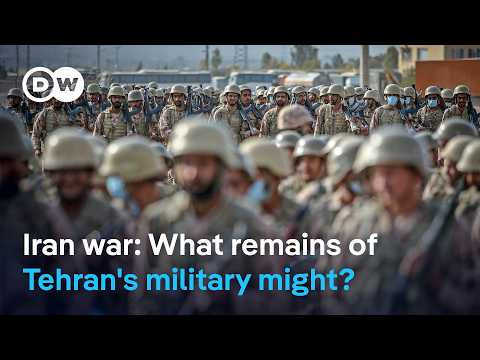
Assessing Iran's military power after a month of war | DW News
0
林宜悉 posted on 2026/04/05Ever wondered about Iran's real military strength after a month of conflict? This DW News analysis dives deep into air superiority, missile threats, and defense priorities, giving you a fantastic chance to pick up advanced vocabulary related to international affairs and military strategy. You'll gain valuable insights into complex sentence structures and cultural depth while understanding the political optics of the situation.
Learn this video on the APP!
The VoiceTube App has more in-depth practice for videos!