
alive
US /əˈlaɪv/
UK /ə'laɪv/
- Adjective
- Living; not dead
- Active; energetic; full of life.
A2TOEICMoreamazing
US /ə'meɪzɪŋ/
UK /ə'meɪzɪŋ/
- Adjective
- Surprising in a pleasing way
- Transitive Verb
- To cause wonder; to surprise completely
A2Moreassociate
US /əˈsoʊʃiˌeɪt/
UK /ə'səʊʃɪeɪt/
- Countable Noun
- Partner in professional work, e.g. in law
- Verb (Transitive/Intransitive)
- To spend time with other people; mix with
- To form a connection in your mind between things
B1TOEICMoreat school
US
UK
- Phrase
- Present and attending school.
A1Morebasically
US /ˈbesɪkəli,-kli/
UK /ˈbeɪsɪkli/
- Adverb
- Used before you explain something simply, clearly
- In essence; when you consider the most important aspects of something.
A2Morebeat
US /bit/
UK /bi:t/
- Intransitive Verb
- To move in regular motions in order to push blood
- Transitive Verb
- To strike or hit repeatedly and with great force
- To mix ingredients together with a fork or machine
A2Morebin
US /bɪn/
UK /bɪn/
- Noun (Countable/Uncountable)
- Type of container, usually for trash
- (computing) A directory containing executable programs.
- Transitive Verb
- To throw something away in the trash
B1Morebust
US /bʌst/
UK /bʌst/
- Transitive Verb
- To arrest people involved in crime
- To break something with force
- Noun
- A woman's chest or breasts
B2Morecoma
US /ˈkoʊmə/
UK /ˈkəʊmə/
- Noun
- State of unconsciousness caused by injury, disease
B2Morecome back
US /kʌm bæk/
UK /kʌm bæk/
- Phrasal Verb
- To reply to someone, often forcefully
- To be remembered
A1Morecome clean
US
UK
- Phrasal Verb
- To confess fully; to admit wrongdoing.
A1Morecome into contact
US
UK
- Verb (Transitive/Intransitive)
- To physically touch something.
- To communicate or meet with someone.
A1Morecomplaint
US /kəmˈplent/
UK /kəmˈpleɪnt/
- Noun (Countable/Uncountable)
- Saying something is wrong and should be changed
- Official charge against a person by the police
B1Morecucumber
US /ˈkjuˌkʌmbɚ/
UK /ˈkju:kʌmbə(r)/
- Noun (Countable/Uncountable)
- Long green vegetable that is eaten raw in salads
- A long, green-skinned fruit with watery flesh, typically eaten raw in salads or pickled.
- Adjective
- Having the flavor or scent of cucumber.
B2Morecut down
US /kʌt daʊn/
UK /kʌt daun/
- Phrasal Verb
- To reduce your use of something
- To fell a tree.
A1Moredamage
US /ˈdæmɪdʒ/
UK /ˈdæmɪdʒ/
- Noun (Countable/Uncountable)
- Physical harm that is done to something
- Transitive Verb
- To harm physically; to hurt or break something
- To harm the reputation of someone.
A2TOEICMoredestroy
US /dɪˈstrɔɪ/
UK /dɪ'strɔɪ/
- Transitive Verb
- To damage so badly that something no longer exists
- To defeat someone or something easily
A2TOEICMoredirt
US /dɚt/
UK /dɜ:t/
- Uncountable Noun
- Loose earth or soil
- A substance, such as mud or dust, that makes something dirty.
- Countable Noun
- A track made of compacted earth or soil.
A2Moreelection
US /ɪˈlɛkʃən/
UK /ɪ'lekʃn/
- Noun
- Process of choosing someone by voting
B1TOEICMoreembarrass
US /ɛmˈbærəs/
UK /ɪm'bærəs/
- Transitive Verb
- To cause someone to feel ashamed
A2Moreengage
US /ɪn'gedʒ/
UK /ɪn'ɡeɪdʒ/
- Transitive Verb
- To start to fight with an enemy
- To hire someone for a task or job
A2TOEICMoreenglish speaker
US
UK
- Noun
- A person who speaks English.
- A person with fluency in English.
A2Moreexpose
US /ɪkˈspoʊz/
UK /ɪk'spəʊz/
- Transitive Verb
- To make visible, without covering or protection
- To allow light through a cameras lens onto film
A2TOEICMorefor example
US
UK
- Phrase
- As an illustration or instance.
for some reason
US /fɔr sʌm ˈrizən/
UK /fɔ: sʌm ˈri:zən/
- Phrase
- For a reason that is not known or not easily explained.
A1Moreforum
US /ˈfɔrəm/
UK /'fɔ:rəm/
- Noun
- Meeting where people can openly discuss a subject
B1Morefrequency
US /ˈfrikwənsi/
UK /'fri:kwənsɪ/
- Uncountable Noun
- Number of repetitions of (radio or sound) wave
- How often something happens
B1TOEICMorefume
US /fjum/
UK /fju:m/
- Intransitive Verb
- To feel angry; show that one is angry
- To produce unpleasant smoke or gas
- Noun (Countable/Uncountable)
- Unpleasant smoke or gas, e.g. from cars
B1Moregarbage
US /ˈgɑ:rbɪdʒ/
UK /ˈgɑ:bɪdʒ/
- Uncountable Noun
- Waste material that has been thrown out
B1TOEICMoreget into it
US
UK
- Phrasal Verb
- To become interested in something and enjoy it.
- To start a career or profession.
- Intransitive Verb
- To become interested in something.
A1Morehallway
US /ˈhɔlˌwe/
UK /ˈhɔ:lweɪ/
- Noun
- Interior passage or corridor onto which rooms open
B2Morehave to
US /hæv tu/
UK /ˈhæv tə/
- Auxiliary Verb
- Must do
A1Morein a state
US
UK
- Phrase
- In a particular condition or situation.
- In an emotional condition, often negative (e.g., panic, distress).
B2Morein the hospital
US /ɪn ðə ˈhɑspɪtəl/
UK /in ðə ˈhɒspɪtəl/
- Preposition
- Located inside a hospital receiving medical care.
A1Morelettuce
US /ˈlɛtəs/
UK /ˈletɪs/
- Uncountable Noun
- Salad vegetable that has large thin green leaves
A2Moremove on
US /muv ɑn/
UK /mu:v ɔn/
- Phrasal Verb
- To decide to change or go to a different place
- To start talking about something different.
A1Moreon the ground
US
UK
- Phrase
- Located on the surface of the earth.
- Present and available in a particular place, especially to deal with a situation.
opponent
US /əˈponənt/
UK /əˈpəʊnənt/
- Noun (Countable/Uncountable)
- Person who opposes an idea or plan; enemy
- Person that you are competing against in a game
B1Morepoison
US /ˈpɔɪzən/
UK /ˈpɔɪzn/
- Transitive Verb
- To affect something in a very negative way
- To hurt or kill with a dangerous substance
- Noun (Countable/Uncountable)
- Substance that can kill when eaten/drunk
- Something that has a harmful or destructive influence.
A2Morepolitician
US /ˌpɑlɪˈtɪʃən/
UK /ˌpɒləˈtɪʃn/
- Noun (Countable/Uncountable)
- Someone whose job is in politics
- A person who acts in a manipulative and devious way, typically to gain advancement in their career.
A2Morereputation
US /ˌrɛpjəˈteʃən/
UK /ˌrepjuˈteɪʃn/
- Noun (Countable/Uncountable)
- Common opinion that people have about someone
- A widespread belief that someone or something has a particular characteristic.
B1TOEICMorerubbish
US /ˈrʌbɪʃ/
UK /ˈrʌbɪʃ/
- Transitive Verb
- To say someone's ideas/actions are no good
- Uncountable Noun
- Stupid or wrong ideas, work etc.
- Things that have been thrown out; trash
A2Moresculpture
US /ˈskʌlptʃɚ/
UK /'skʌlptʃə(r)/
- Noun
- Work of art made by cutting stone, wood, clay etc.
B1Moreslang
US /slæŋ/
UK /slæŋ/
- Uncountable Noun
- Words or phrases used in a very informal way
B1Moresleep over
US /slip ˈovɚ/
UK /sli:p ˈəuvə/
- Phrasal Verb
- To stay at someone's house for the night.
A1Morespectacular
US /spɛkˈtækjəlɚ/
UK /spekˈtækjələ(r)/
- Adjective
- Impressive or out of the ordinary
- Noun
- A lavish or elaborate display or performance.
B1Morestay in
US /ste ɪn/
UK /stei in/
- Phrasal Verb
- To remain inside one's home.
- Intransitive Verb
- To remain as an inpatient in a hospital.
stick with
US /stɪk wɪð/
UK /stik wið/
- Phrasal Verb
- To continue to support or stay loyal to someone or something.
- To continue doing or using something; to persevere.
A1Moresweep
US /swip/
UK /swi:p/
- Countable Noun
- Man who cleans chimneys
- Long, smooth movement made with your arm or a tool
- Transitive Verb
- To clean something from a surface with a brush
- To search a very wide area for something
A2Morethink about
US /θɪŋk əˈbaʊt/
UK /θiŋk əˈbaut/
- Phrasal Verb
- To consider something carefully.
- To remember or call to mind.
A1Morethink of
US /θɪŋk ʌv/
UK /θiŋk ɔv/
- Phrasal Verb
- To look on as (being something specific); consider
- To consider or remember something.
- Verb (Transitive/Intransitive)
- To imagine or call something to mind
A1Moretired
US /ˈtaɪərd/
UK /ˈtaɪəd/
- Adjective
- Without energy so you want to rest or fall asleep
- Transitive Verb
- To lose, cause to lose energy so you want to rest
B1Moreto let
US /tu lɛt/
UK /tu let/
- Preposition
- Indicates that a property is available for rent.
A2Moretrash
US /træʃ/
UK /træʃ/
- Uncountable Noun
- Garbage or anything that is worthless
- Transitive Verb
- To throw away in the garbage
- To criticize; claim person/thing is inferior
B2TOEICMorevase
US /ves, vez, vɑz/
UK /vɑ:z/
- Countable Noun
- Decorative container, usually for holding flowers
B1Moreveg out
US /vɛdʒ aʊt/
UK /vedʒ aʊt/
- other
- To relax in a lazy or inactive way, often watching TV.
B2Morewashroom
US /ˈwɑʃˌrum, -ˌrʊm, ˈwɔʃ-/
UK /ˈwɒʃru:m/
- Noun
- Lavatory (e.g. a lavatory in a public place)
C2More
Vocabulary
- for example: As an illustration or instance.
- veg out: To relax in a lazy or inactive way, often watching TV.
- sleep over: To stay at someone's house for the night.
- have to: Must do
- get into it: To become interested in something and enjoy it.
- in a state: In a particular condition or situation.
- in the hospital: Located inside a hospital receiving medical care.
- english speaker: A person who speaks English.
- move on: To decide to change or go to a different place
- for some reason: For a reason that is not known or not easily explained.
- come clean: To confess fully; to admit wrongdoing.
- stay in: To remain inside one's home.
- think about: To consider something carefully.
- stick with: To continue to support or stay loyal to someone or something.
- cut down: To reduce your use of something
- to let: Indicates that a property is available for rent.
- on the ground: Located on the surface of the earth.
- think of: To look on as (being something specific); consider
- at school: Present and attending school.
- come into contact: To physically touch something.
- come back: To reply to someone, often forcefully
- engage: To start to fight with an enemy
- basically: Used before you explain something simply, clearly
- improve: To make, or become, something better
- spectacular: Impressive or out of the ordinary
- completely: In every way or as much as possible
- associate: Partner in professional work, e.g. in law
- common: Area in a city or town that is open to everyone
- reputation: Common opinion that people have about someone
- slang: Words or phrases used in a very informal way
- bit: Device put in a horse's mouth to control it
- brain: To strike someone forcefully on the head
- state: Region within a country, with its own government
- opponent: Person who opposes an idea or plan; enemy
- beat: To move in regular motions in order to push blood
- bust: To arrest people involved in crime
- leave: To go away from; depart
- expose: To make visible, without covering or protection
- activity: An action or task, e.g. sports, washing clothes
- company: Good feeling from being with someone else
- frequency: Number of repetitions of (radio or sound) wave
- destroy: To damage so badly that something no longer exists
- politician: Someone whose job is in politics
- forum: Meeting where people can openly discuss a subject
- coma: State of unconsciousness caused by injury, disease
- dirt: Loose earth or soil
- sculpture: Work of art made by cutting stone, wood, clay etc.
- catch: Amount of something that has been caught
- information: Collection of facts and details about something
- crash: To damage an object by causing it to hit something
- election: Process of choosing someone by voting
- language: Words or signs used to communicate messages
- damage: Physical harm that is done to something
- amazing: Surprising in a pleasing way
- head: To hit a ball with your head in a game
- alive: Living; not dead
- sweep: Man who cleans chimneys
- rubbish: To say someone's ideas/actions are no good
- lettuce: Salad vegetable that has large thin green leaves
- person: Man, woman or child
- poison: To affect something in a very negative way
- embarrass: To cause someone to feel ashamed
- trash: Garbage or anything that is worthless
- cucumber: Long green vegetable that is eaten raw in salads
- hallway: Interior passage or corridor onto which rooms open
- bin: Type of container, usually for trash
- complaint: Saying something is wrong and should be changed
- garbage: Waste material that has been thrown out
- tired: Without energy so you want to rest or fall asleep
- vase: Decorative container, usually for holding flowers
- fume: To feel angry; show that one is angry
- washroom: Lavatory (e.g. a lavatory in a public place)
Get the full experience in the app
Learn anywhere with detailed sentence and usage analysis
01:03
She took a brave step forward, leaving behind her comfort zone to chase her dreams.
Vocabulary
- brave
adj. Having courage
- comfort zone
phr. A familiar situation where one feels safe
Explanation
a brave step is a noun phrase, where brave is an adjective modifying the noun step, meaning "a courageous step".
forward is an adverb modifying step, meaning "ahead".
The whole phrase serves as the object, answering the "what" of took (verb) — she took a brave step forward.
Get the full experience in the app
Look up words anytime with pronunciation, part of speech, and usage
brave
US/brev/
UK/breɪv/
adj.Brave
v.t.To bravely face
A2 Elementary
Get the full experience in the app
Practice speaking anytime and get instant pronunciation feedback
Try this speaking exercise.
Try practicing with this sentence.
80
0
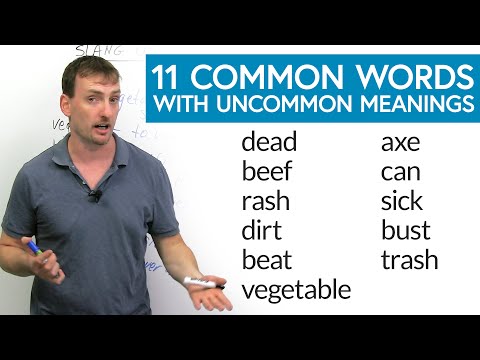
林宜悉 posted on 2026/04/04Think you know what words like 'vegetable' or 'beef' mean? Think again! This fun video dives into 11 common English words that have totally unexpected slang meanings, perfect for boosting your everyday conversational skills.
Learn this video on the APP!
The VoiceTube App has more in-depth practice for videos!